
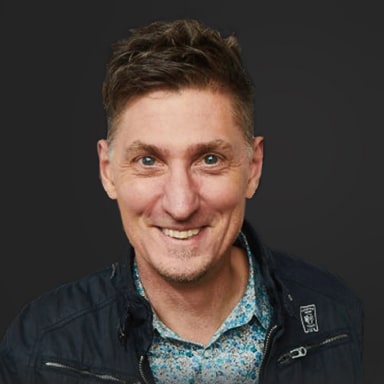
Nic Salazar Sutil, founder of Guardians Worldwide, joined James Redenbaugh and Michael Shaun Conaway to explore hosting an upcoming indigenous-led course on the Holos platform instead of Mighty Networks. Guardians Worldwide is an alliance of 15 territorial communities stewarding ~750,000 hectares of primary forest, and has been running indigenous-led online courses for a decade (02:42).
The proposed course — focused on ancestral activism — launches September 15th as a six-week live program. Nic noted growing momentum: "I think this is going to be big" (12:01), with seven registrations in the first days of advertising. Several of the featured indigenous leaders are also Purpose Earth grantees, creating natural alignment with the Holos ecosystem.
Nic expressed frustration with Mighty Networks feeling "static and prescriptive" (12:48) and is seeking a more dynamic, conscious-engagement-oriented space. James framed Holos as purpose-built for transformative synchronous learning — connecting people into deeper streams of indigenous wisdom rather than just hosting content.
Courses historically draw 100–500 participants, with a loyal core of 20–30 returning students. The format centers on live transmission rather than structured deliverables — Nic emphasized these are "openings" where transformation emerges through interaction rather than completion (10:30).
A distinctive offering: 5–6 paid individual sessions per course where participants book deeper, therapeutic-style time with indigenous leaders. Nic is in conversation with Machi — the supreme spiritual leader of the Mapuche people in Chile — to participate. These sessions could continue beyond the course, with elders remaining in the Holos community to offer ongoing support (36:30).
[technology="Online Learning Platforms"]
Michael Shaun noted this would be the first live course on Holos, making it a template-setting pilot. The Choose Love / Zen Kakaro course is still in development and is not live-format.
The team identified simultaneous translation as a feature Holos doesn't replicate natively. Zoom's translator channel functionality — where translators broadcast on a separate audio track and listeners choose their language — is specialized and difficult to rebuild. Resolution: Use Zoom for formal sessions requiring translation, while leveraging Holos video spaces for participant-led gatherings, informal connection, and one-to-ones (22:12).
[technology="Video Conferencing Solutions"]
Rooms can be configured as either always-on (unrecorded) social spaces or recorded session rooms. Native video uploads aren't supported (bandwidth costs), but participants can share videos via external links (YouTube, etc.) in chat.
Michael Shaun clarified Holos's circular economy structure: revenue flows to micro-grants for Holos members starting projects, and to Purpose Earth for larger impact grants — primarily in the Global South. Since the course's indigenous leaders are themselves Purpose Earth grantees, Nic recognized the loop: "It really is a circular economy" (30:34).
Michael Shaun emphasized framing this as "an invitation into an experience" tied to Holos's mission rather than a traditional course marketing push (31:48). Lead with impact on participants and downstream world impact — not commerce-default language. Affiliate models were deprioritized as misaligned with the collaborative commerce ethos.
The September 15 launch aligns well with Holos's onboarding wave: ~300 members currently (post-Wave conference), scaling toward thousands through July–August onboarding from the 7,000-person Holomovement community and alliance partner networks.
[technology="Community Facilitation Tools"]
This pilot positions Guardians Worldwide as the template for live courses on Holos — a category Michael Shaun sees as critical given the well-documented failure of asynchronous course completion ("from 2% to 15%" historically). Live, facilitated, transformational learning with held space is where Holos can differentiate. The high topical affinity (ancestors, indigenous elders, planetary healing) with the Holomovement community suggests strong organic uptake potential.
Michael Shaun Conaway
James Redenbaugh
Nic Salazar Sutil
Nic Salazar Sutil, founder of Guardians Worldwide, joined James Redenbaugh and Michael Shaun Conaway to explore hosting an upcoming indigenous-led course on the Holos platform instead of Mighty Networks. Guardians Worldwide is an alliance of 15 territorial communities stewarding ~750,000 hectares of primary forest, and has been running indigenous-led online courses for a decade (02:42).
The proposed course — focused on ancestral activism — launches September 15th as a six-week live program. Nic noted growing momentum: "I think this is going to be big" (12:01), with seven registrations in the first days of advertising. Several of the featured indigenous leaders are also Purpose Earth grantees, creating natural alignment with the Holos ecosystem.
Nic expressed frustration with Mighty Networks feeling "static and prescriptive" (12:48) and is seeking a more dynamic, conscious-engagement-oriented space. James framed Holos as purpose-built for transformative synchronous learning — connecting people into deeper streams of indigenous wisdom rather than just hosting content.
Courses historically draw 100–500 participants, with a loyal core of 20–30 returning students. The format centers on live transmission rather than structured deliverables — Nic emphasized these are "openings" where transformation emerges through interaction rather than completion (10:30).
A distinctive offering: 5–6 paid individual sessions per course where participants book deeper, therapeutic-style time with indigenous leaders. Nic is in conversation with Machi — the supreme spiritual leader of the Mapuche people in Chile — to participate. These sessions could continue beyond the course, with elders remaining in the Holos community to offer ongoing support (36:30).
[technology="Online Learning Platforms"]
Michael Shaun noted this would be the first live course on Holos, making it a template-setting pilot. The Choose Love / Zen Kakaro course is still in development and is not live-format.
The team identified simultaneous translation as a feature Holos doesn't replicate natively. Zoom's translator channel functionality — where translators broadcast on a separate audio track and listeners choose their language — is specialized and difficult to rebuild. Resolution: Use Zoom for formal sessions requiring translation, while leveraging Holos video spaces for participant-led gatherings, informal connection, and one-to-ones (22:12).
[technology="Video Conferencing Solutions"]
Rooms can be configured as either always-on (unrecorded) social spaces or recorded session rooms. Native video uploads aren't supported (bandwidth costs), but participants can share videos via external links (YouTube, etc.) in chat.
Michael Shaun clarified Holos's circular economy structure: revenue flows to micro-grants for Holos members starting projects, and to Purpose Earth for larger impact grants — primarily in the Global South. Since the course's indigenous leaders are themselves Purpose Earth grantees, Nic recognized the loop: "It really is a circular economy" (30:34).
Michael Shaun emphasized framing this as "an invitation into an experience" tied to Holos's mission rather than a traditional course marketing push (31:48). Lead with impact on participants and downstream world impact — not commerce-default language. Affiliate models were deprioritized as misaligned with the collaborative commerce ethos.
The September 15 launch aligns well with Holos's onboarding wave: ~300 members currently (post-Wave conference), scaling toward thousands through July–August onboarding from the 7,000-person Holomovement community and alliance partner networks.
[technology="Community Facilitation Tools"]
This pilot positions Guardians Worldwide as the template for live courses on Holos — a category Michael Shaun sees as critical given the well-documented failure of asynchronous course completion ("from 2% to 15%" historically). Live, facilitated, transformational learning with held space is where Holos can differentiate. The high topical affinity (ancestors, indigenous elders, planetary healing) with the Holomovement community suggests strong organic uptake potential.
Michael Shaun Conaway
James Redenbaugh
Nic Salazar Sutil
Brief Laura on Guardians Worldwide meeting outcomes and align internally on moving forward as pilot live course
Brief Laura on meeting outcomes and align internally on moving forward with Guardians Worldwide as pilot live course on Holos platform. Decision to confirm or decline partnership expected within approximately one week.
Coordinate Holos community onboarding plan for July–August to build participant pool ahead of September 15 launch
Develop and coordinate Holos community onboarding plan targeting July–August to grow participant pool from current ~300 members toward thousands by drawing from 7,000-person Holomovement community and alliance partner networks ahead of September 15 course launch.
Return to Nic within one week with confirmation and next-step framework for Guardians Worldwide partnership
Follow up with Nic Salazar Sutil within approximately one week to confirm decision to proceed with Guardians Worldwide ancestral activism course on Holos platform and provide next-step framework for collaboration.
Design and build course interface on Holos tailored to Guardians Worldwide pilot with future course-authorship tools in mind
Design and build the course interface on Holos for the Guardians Worldwide ancestral activism course launching September 15. Build with future course-authorship tools in mind so this pilot becomes the template for live courses on the platform. Six-week live format with indigenous leaders from 15 territories.
Configure embedded Zoom broadcast pages, multi-room setup, and lobby view for self-selected gatherings on Holos
Configure Holos platform with embedded Zoom broadcast pages showing who is live alongside contextual content. Set up multiple video rooms simultaneously with a lobby-style view so participants can see who is in which room and self-select gatherings. Zoom will handle formal sessions requiring simultaneous translation while Holos video spaces handle participant-led gatherings, informal connection, and one-to-one elder sessions.
Implement sliding scale payment slider for flexible contribution at course registration
Build sliding scale payment slider on the Guardians Worldwide course registration page allowing participants to contribute beyond a baseline amount if able. Integrate with Stripe. Expand existing three price tiers for greater accessibility and accommodate scholarship fee waivers for 20–30 participants.
Coordinate marketing assets and Holos community messaging strategy with Holomovement team for Guardians Worldwide course
Coordinate marketing assets and messaging strategy with Holomovement marketing leads for the Guardians Worldwide ancestral activism course. Framing should lead with impact on participants and downstream world impact rather than commerce-default language, positioning the course as an invitation into an experience tied to Holos mission.
Finalize indigenous leader lineup for ancestral activism course including confirmation with Machi of the Mapuche people
Finalize the lineup of indigenous leaders participating in the six-week ancestral activism course. Specifically confirm participation of Machi — the supreme spiritual leader of the Mapuche people in Chile — for both course sessions and potential ongoing one-to-one elder sessions with Holos community members beyond the course.
Notify current Mighty Networks registrants of platform migration to Holos
Communicate to existing course registrants currently on Mighty Networks that the ancestral activism course will be hosted on the Holos platform instead. Nic expressed frustration with Mighty Networks feeling static and prescriptive. Seven registrations already received in the first days of advertising.
Expand pricing tiers and structure scholarship process for course accessibility
Expand beyond three existing price tiers for greater accessibility. Structure scholarship process to provide fee waivers for 20–30 participants, targeting Holos members who cannot afford to pay. Align with sliding scale payment approach being built by James.
Defer sponsorship and partnership outreach for Guardians Worldwide course until post-decision and revisit in later conversation
Sponsorship and partnership outreach for the Guardians Worldwide course should be deferred until after the go/no-go decision on hosting with Holos is confirmed. Revisit in a later conversation once partnership structure is established.
Custom membership system architecture for user authentication, progress tracking, and database management using Supabase for backend. Requirements include real database for user progress (not cookies), journal entry capture, API triggers for membership status and course purchases, and progress tracking across sessions. Decision made to build custom solution on Supabase rather than Member Stack. Includes Stripe integration for subscription management and automatic access revocation when subscriptions lapse. Multiple products may connect to same membership tier with bundled offerings granting multiple memberships from single purchase. Part of Phase One development with $16K-$29K budget. Requires hiring Supabase specialist for implementation. Timeline aligned with LMS development for February 10th launch. Authentication spike will establish foundation with Supabase login functionality on MAST template, implementing user profiles, password management, and session handling. System will sync membership status between Stripe and Supabase for automated access control. Backend successfully operational with membership login and content gating complete using Supabase and Stripe. Profile editing integration in progress to connect with directory system. Backend approximately 90% complete with primary goal to deliver working version on Holomovement site for team testing this week allowing account creation, login, and profile data editing. Front end minimal at this stage consisting mainly of login pages until profile pages developed. Profile creation flow now implemented as linear step-by-step process requiring profile completion before directory access. Sign-up flow includes friendly nudges for empty bios when hitting next, optional social profiles with language like 'you can always come back later' to reduce drop-off, loading screen during profile generation with engaging copy like 'making connections', AI-generated banner images based on user bios, and light/dark mode toggle inheriting system settings by default. System enforces profile completion to ensure data quality and prevent half-finished accounts cluttering database. Dark backgrounds use deep teal rather than pure black, light mode avoids stark white to maintain Holomovement brand feel. Simplified pill-style member modal implemented with collapsed/expanded states showing two lines by default, expanding on hover to reveal icons for messages, Holons, and light/dark mode toggle. Notifications aggregate into single indicator on Holon icon with changing number rather than multiple dots. Three profile image preview styles (circle, square, doorway/vertical) included in signup flow to ensure photos work across all use cases. In-app messaging system now live using custom-built architecture with no per-message cost, styled similar to iMessage with unread message counts, conversation threading, and future group chat capability. Email notifications handled via Resend - free up to 3,000 emails/month, then $20/month for up to 50,000. Holon management flow improved with clear delegation model between members and admins using invitation system rather than automatic adds. Location automation uses lightweight AI call to convert entered location into coordinates for near real-time map updates. Saving bug affecting profile updates, feedback, and location syncing identified and resolved during meeting. Community consent flow being added as pop-up on first messaging use with scrollable community agreements and required checkboxes covering non-partisanship, anti-spam, entity usage rules, and conduct standards. GDPR compliance considerations noted with Webflow plugin available for data erasure rights and cookie consent. Pay What You Want contribution system now under active development with slider UI allowing users to select suggested range ($15-$20/month) with secondary scholarship tier option for lower amounts. Two-screen approach framed as gift rather than discount with wave-based slider visual showing increasing amplitude. System includes familiar Stripe checkout supporting Link, Amazon Pay, and other methods. PayPal integration planned for better international accessibility. Working wave-amplitude slider prototype built with predefined moments shifting wavelength visually, translatable directly into payment UX. Prototype ready for core team testing within next couple days with front-end UI included. Thursday core team meeting target for showcase. Modal menu interface introduced featuring compact notification/settings control with light mode toggle - described as small detail that meaningfully elevates experience. Three developers now working on Webflow implementation: Sean (Ohio, senior), Siam (Pakistan, junior), with Ivan handling less bandwidth due to outside client work. Profile creation, editing, and regeneration flows confirmed working as of 03-31 meeting. Profile creation link added directly to member modal enabling re-run of full onboarding flow. Core team onboarding structured as daily feature drip starting with profile creation. 03-31 crash test revealed critical blocking issues preventing core team demo: n8n automation pipeline failing to complete profile data processing reliably, social links not saving due to LinkedIn field dependency, AI-generated cover image and tagline entering loop state without completing, JSON input error halting holon creation mid-flow, logout bug on holon detail page, light mode broadly non-functional requiring toggle to be hidden entirely, profile content fields not populating after form submission. Team consensus: crash test failed, reconvening following day to retest after critical fixes. Zero tolerance for processes locking up or halting before core team demo - visual imperfections acceptable but no mid-flow stoppage permitted. Hubcast partnership introduces potential single sign-on integration explored with developer Emilio Lopez enabling seamless profile creation handshake between broadcast access and Holomovement App reducing friction for new users discovering platform via livestream. Profile creation becomes the access ticket for global broadcast viewers immediately placing them inside ecosystem where they discover collaboration features. System now functional and operational with core team beginning onboarding process (meeting 05-04). Post-Wave deployment successful with members actively using platform. Critical gaps identified in 06-16 meeting: users cannot delete accounts (GDPR violation with European user base), users cannot remove themselves from Holons, stewards cannot remove members, automatic member addition on Holon creation needs approval workflow, privacy controls needed for Holon visibility, homepage globe displays names/locations without explicit opt-in requiring visibility toggle, cookie consent banner required for European compliance, Stripe webhook test-mode errors surfacing. Account deletion and member management now top cleanup priorities.
Integration of third-party courses onto Holomovement platform enabling course creators to host content while Holos takes revenue share. Guardians Worldwide ancestral activism course identified as first live course pilot launching September 15, 2026 with 6-week format, 90-minute live sessions with indigenous leaders, simultaneous translation (Portuguese/Spanish/English), 100-500 expected participants, and integration with 5-6 paid individual elder sessions. LMS interface already built per James at 29:02, designed for both pre-recorded and live course formats with materials, session recordings, progress tracking, and Holon wall chat integration. Course will use embedded Zoom broadcasts for formal translated sessions due to specialized translator channel requirements (22:12), with Holos video spaces for participant-led gatherings, informal connection, and one-to-ones. Sliding scale payment slider implemented at registration enabling flexible contribution with scholarships for 20-30 Holos members. Revenue model flows percentage of registrations to micro-grants and Purpose Earth grants creating circular economy since indigenous leaders are Purpose Earth grantees (30:34). Platform currently ~300 members post-Wave with July-August onboarding targeting thousands from 7,000-person Holomovement community. Course functions as template for live synchronous learning category on Holos differentiated from failed asynchronous models. Courses may automatically become persistent Holons after completion enabling participant connection to continue (35:11). Michael Shaun offered at 27:51 to explore embedding Boldly LMS as nonprofit ecosystem piece. Baseline 50% of course price proposed to flow to Engine for Good (41:03) with potential user selection of Purpose Earth project themes for donation allocation (41:34, 43:03). Nicholas case confirmed as ideal pilot - indigenous leaders facilitator running six-week live course currently on Mighty Networks seeking more dynamic conscious-engagement space. Marketing strategy prioritizes invitation-into-experience positioning tied to Holos mission and downstream world impact over commerce-default affiliate models (31:48). Pre-launch priorities include internal alignment between Michael Shaun and Laura, platform migration communication to Mighty Networks registrants, marketing asset coordination with Holomovement team, and course functionality build/test with buffer before September 15.
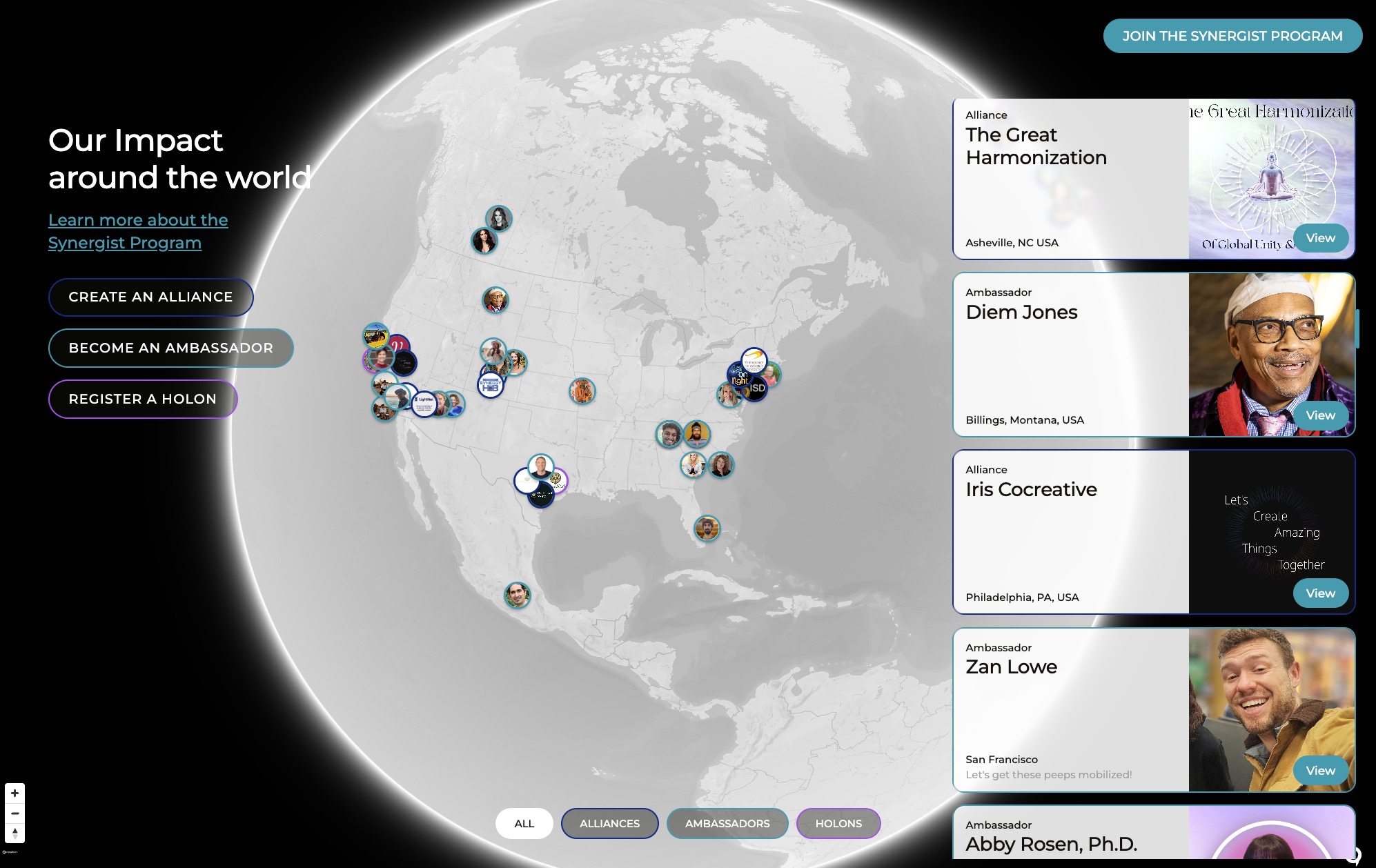
Integration of Hubcast International global live broadcast partnership for Wave event routing global viewers directly into Holomovement ecosystem. Strategic approach requires profile creation to access stream, enabling live chat and donation options including monthly giving. Profile becomes the ticket in, immediately placing viewers inside platform where they discover all other features. Contract with Hubcast Media and Peter Young finalized with production team (Peter, Delanne, Tess) confirmed for on-site support. Technical infrastructure includes multi-camera main stage capture, dedicated evening broadcast set with PTZ system, Stage Timer run-of-show management via Google Sheets, and Mentimeter interactive polling. Watch parties confirmed at 3-5 locations including Ibiza operating behind paywall with Zoom-based feed injection allowing global-to-local-to-global audience participation. 2-hour produced evening shows designed for linear distribution (Roku, etc.) with full long-form content available on-demand. Interactive engagement strategy includes stretch breaks every 35-45 minutes featuring app onboarding walkthroughs, Mentimeter quizzes, and theme-specific chat rooms aligned with six Wave domains where remote viewers contribute ideas read from stage. Potential single sign-on integration between Hubcast Creator Hub and Holomovement App explored with developer Emilio Lopez enabling seamless profile handshake and subscriber-only content tiers. Hubcast team arrives Portugal April 27th with setup/testing April 29th and checkout June 1st. Social team (Andrew, Connie, Kayla Ray) coordinating on-location capture including Sunday closing party at Crocodile Armis. Marty K. Casey identified as ideal main host pending availability confirmation. 2027 vision established for fully hybrid event where Holon hubs in cities worldwide host local viewing parties broadcasting their own feeds - rooftop concerts, community gatherings - feeding into central broadcast. Pilot testing planned with existing Holon hubs in Asheville, DC, Sedona, and ideally Australia or Asia. Media archive interface prototyped using globe-based player with filters by location, event, and experience, with pop-out video player staying active while browsing. Videos uploaded within 48 hours of recording made available for on-demand viewing, organized by speaker or session. Platform positioned as collective infrastructure optimized for groups sharing formats, engagement approaches, facilitation practices representing research and impact value critical for philanthropic funding contexts. Current meeting (06-23) demonstrated proven viability of embedded Zoom broadcast approach with translator channels for simultaneous translation supporting live course format, validating technical architecture for both conference broadcasting and course delivery use cases (22:12). Zoom integration maintains specialized translation functionality Holos doesn't replicate natively while leveraging Holos video spaces for participant-led informal gatherings.
Strategic enhancement of directory system integrating with membership capabilities to enable member profile management, progressive assessment completion, and intelligent matching. Members can log in and edit their profiles directly with information stored in Supabase for flexible content management. Progressive engagement model starts with basic five-minute setup (name, website, purpose statement, location), then enables detailed assessments later. Each completed assessment adds profile elements and unlocks features including AI-generated visual representations (icons, tarot archetypes, numerology graphics). Integration with Claude AI enables sophisticated queries like 'who should I collaborate with on this project?' or 'who can provide funding?' across network assessment data. Advanced features include weekly emotional mapping interface with six-axis emotional space (excitement, nervousness, grief, etc.) aggregating into community climate visualizations. Reimagined map interface using flat Earth projection with layered filtering showing member locations, funding flows, collaborative connections, project relationships. Multiple view modes from simplified default to complex multi-layered 'Arcturian' views. Integration with Engine for Good grant program where applications link to member profiles, creating incentive structure for profile completion. Team pivoted to prioritize directory system over LMS development. Player card approach focuses on game-like profiles emphasizing what someone is doing (project/mission) and what help they need for AI-powered matching. System summarizes lengthy inputs into concise scannable formats. MVP launch target February 15 with login capability, profile editing, and integrated assessments. Beta testing program follows to identify next priority features. Critical development discussion revealed MapBox visualization provides initial visual interest but limited practical value beyond local connections - intelligent matching algorithms represent the true 'killer app' rather than map visualization. Profile data strategy shifting from personality assessments to actionable information: developmental stage, experience level, current project involvement, specific skills, and active needs. Visual consistency issues identified with user-uploaded images requiring standardization. Question emerged whether Holons function as independent entities or collections of individual members, requiring data architecture decisions. Simplified terminology 'members and groups' proposed over 'Holons' for newcomer clarity. Basic intake form planned capturing development level, experience, life stage, purpose, and current needs as primary assessment for matching foundation. Player card UI concept introduced featuring icons to symbolize key information, AI-generated summaries to condense lengthy responses, and achievement badges displaying completed courses, assessments, and accomplishments. Design iteration process planned where team scans test cards to validate information hierarchy. Sandbox database creation for core team to fill out profiles and review each other's player cards as real-world test. Prototype development progressing with profile creation, editing, viewing, and password resets functional in Supabase. Munia developing first draft UI designs. Team agreed to reduce text density, create more visual/scannable interfaces. Multiple views prototyped: alliance view, profile editing, directory search (list and map-based), member profiles, holon profiles. Core intake fields defined: name, date of birth, email, phone/SMS/WhatsApp, location, purpose/mission, gifts and requests, alliance affiliations, short bio (150 words max), photo. Matching deferred from numerical compatibility scores to simpler connection signals: complementary skills, matching needs/offers, alliance overlap, geographic proximity, shared purpose domains. AI interpretation via Claude for free-text fields, direct computation for explicit matches. App functionality to be hosted on separate subdomain (app.holomovement.net) with member-specific navigation, syncing public profile data to main site member globe. End of February target for core team interactive prototype. 3D globe navigation now live with lightweight custom rendering approach using continent outlines without full Mapbox tile loading for smooth performance (05:52). Globe features toggle for flat view, hover-activated profile cards, connection lines between members and holons. People appear as yellow dots, holons as teal hexagons algorithmically placed at center of members (01:22). Profile creation flow implemented as linear step-by-step process requiring profile completion before directory access (09:38). Photos strongly encouraged with friendly nudges if skipped, social profiles optional. AI-generated banner images based on user bios producing resonant results (15:47). Light/dark mode toggle available inheriting system settings by default (16:39). Dark backgrounds using deep teal rather than pure black, light mode avoiding stark white to maintain Holomovement brand feel (14:35). Vertical player cards chosen for directory view over horizontal layouts for gamified engaging presentation (37:52). Team seeding platform this week with core team members completing profiles Monday/Tuesday, creating holons Wednesday, reviewing experience Thursday core call (43:53). Polish focus prioritized over new features with delivery target Monday February 17 (41:20). New bento-style profile layout introduced with rounded corners, centered tagline, framed profile image, and subtle background color differentiation between sections (14:21). Rich text field with optional image upload added to represent projects or organizations more expressively beyond plain text (32:10). Testimonials system (potentially rebranded as 'Send Some Love' or 'Share the Love') enables mutual endorsements with reciprocal vouching mechanics (34:54). Field feature replacing 'wall' concept allows users to post updates and collaborative content with pinning capability (39:43). Long-term vision includes drag-and-drop section ordering for personalized profile storytelling. Assessment display framework showing sliders across domains added as visible badges on profiles. Seeking/Offering keywords auto-distilled from freeform text using AI summarization to aid readability and matching. On-demand match experience triggered by 'Match Me' button generates side-by-side comparison modal with numerical score (1-100, shown on hover), loading animation, and meaningful dimensions including complementary skills, needs/offers alignment, shared alliances, overlapping domains (26:00, 19:02). Match score and comparison view designed as sticky gamified feature incentivizing profile completion (24:35). Domain categories refined: 'Economics and New Systems' → 'Economics and Collaborative Commerce', 'Governance and Social Change' split into 'Collaborative Governance' and separate social change, 'Spiritual Activism and Inner Development' → 'Spirituality and Consciousness', additions include Ethics and Philosophy, Science, Leadership and Facilitation as 12th domain, potential Psychology embedded in community/relationships (43:00-48:22). Onboarding copy and tooltip language prioritized for clarity on unfamiliar terms with short hover descriptions (one sentence max). Implementation timeline: 7-10 day dev window for new design style, Field feature, preliminary matching functionality followed by internal testing with core four, then broader core team rollout (41:07, 40:08). First impressions prioritized with cautious rollout protocol to ensure solid initial experience. Messaging icon refined from email-style button to message icon to better reflect in-platform nature (13:29). Notifications aggregate into single indicator on Holon icon with changing number rather than multiple dots. Three profile image preview styles (circle, square, doorway/vertical) included in signup flow to ensure photos work across all use cases (07:44). In-app messaging system now live using custom-built architecture with no per-message cost, styled similar to iMessage with unread message counts, conversation threading, and future group chat capability (09:37). Email notifications handled via Resend - free up to 3,000 emails/month, then $20/month for up to 50,000 (23:56). Holon management flow improved with clear delegation model between members and admins using invitation system rather than automatic adds (04:08). Location automation uses lightweight AI call to convert entered location into coordinates for near real-time map updates (26:27). Saving bug affecting profile updates, feedback, and location syncing identified and resolved during meeting (26:27). Community consent flow being added as pop-up on first messaging use with scrollable community agreements and required checkboxes covering non-partisanship, anti-spam, entity usage rules, and conduct standards (18:00). GDPR compliance considerations noted with Webflow plugin available for data erasure rights and cookie consent (17:46). Pay What You Want contribution system now under active development with slider UI allowing users to select suggested range ($15-$20/month) with secondary scholarship tier option for lower amounts. Two-screen approach framed as gift rather than discount with wave-based slider visual showing increasing amplitude. System includes familiar Stripe checkout supporting Link, Amazon Pay, and other methods. PayPal integration planned for better international accessibility (18:35, 19:30). Working wave-amplitude slider prototype built with predefined moments shifting wavelength visually, translatable directly into payment UX (19:47). Prototype ready for core team testing within next couple days with front-end UI included (53:10). Thursday core team meeting target for showcase (54:22). Modal menu interface introduced featuring compact notification/settings control with light mode toggle - described as small detail that meaningfully elevates experience (38:05). Three developers now working on Webflow implementation: Sean (Ohio, senior), Siam (Pakistan, junior), with Ivan handling less bandwidth due to outside client work (34:00). Profile creation, editing, and regeneration flows confirmed working (04:14). Holon page active development with wheel of faces arc rendering, domain icons, and My Holons view improvements (04:14). Empty state for My Holons will show helpful message plus grid of all existing Holons to orient new users (21:50). Profile edit mode link navigation disabled to prevent losing unsaved changes (27:08). Profile image edit icon made more prominent (30:58). Banner image regeneration icon will get rollover tooltip explaining 'replace your banner' functionality (32:25). Skills rating feature demoed allowing users to rate themselves with visual bar indicators (44:04). Location map tooltip added showing actual location name on hover (23:11). Profile creation link added directly to member modal enabling logged-in users to re-run full onboarding flow (42:31). Test accounts and Holons being cleaned up before team-wide invite (06:47). Core team onboarding structured as daily feature drip: Day 1 profile creation, Day 2 assessment prototype, following days Holons/map/matching features one at a time (16:11). Homepage updates in progress including background color correction, animation circle restoration, scroll sequence improvements, auto-scroll implementation, mobile type scaling, icon-only logo, and updated CTA button (44:35). Dynamic map will become hero element of homepage with card preview leading to login/profile creation for non-members (52:57). Tag-based matchmaking architecture outlined: profiles generate seeking/offering/domain/focus tags, periodic comparison produces alignment scores, directory displays highest-alignment profiles larger and left-aligned (01:01:36). Sean actively working on matching grid view implementation (01:00:56). Wave event preparation targeting participants leaving activation day already inside at least one Holon using app as live tool (58:30). James confirmed ready to lead app presentations at wave event. One-to-two minute intro video of ecosystem planned for wave event (01:00:07). Platform designed as coordination layer - not an organization but a medium, connective tissue, energetic petri dish for collaboration to grow (20:30). Wave serves as on-ramp for Saturday-Monday - people get on the spaceship, then continue exploring projects, holons, and neighbors in platform Tuesday onward. 'We come together and create these big bonfires. We want ways to keep these campfires burning through the year' (55:30). Post-Wave system successfully operational with Portugal map section densely populated showing honeycomb patterns around Lisbon and Spain hubs. Meeting 06-16 identified map zoom scaling issue (13:53) - member dots need to proportionally shrink as users zoom in to maintain functionality at high-density locations. Profile image tooltip needed under editing icons since users don't know how to change pictures. Homepage globe visibility toggle required since names and locations display without explicit opt-in. Profile tab renamed from 'About' to 'Info' and repositioned as first tab for better UX.
Integration of Guardians Worldwide's ancestral activism course as first live course pilot on Holos platform launching September 15, 2026. Six-week live format with indigenous leaders from 15 territorial communities stewarding 750,000 hectares of primary forest. Course structure includes 90-minute live sessions with ritual components (singing, prayer), live simultaneous translation (Portuguese/Spanish/English) via Zoom translator channels, chair-led Q&A, and 2-5 presenters per session. Expected 100-500 participants with loyal core of 20-30 returning students. Distinctive offering includes 5-6 paid individual elder sessions where participants book deeper therapeutic-style time with indigenous leaders including potential participation from Machi (supreme spiritual leader of Mapuche people in Chile). Technical implementation uses embedded Zoom broadcasts within Holos for formal translated sessions (22:12), Holos native video rooms for participant-led gatherings and informal connection supporting up to 500 participants per room, recorded session library, rich chat functionality with participant-created topics and image sharing, and multiple simultaneous video rooms with lobby-style view. Economic model implements sliding scale payment slider at registration enabling flexible contribution, scholarships for 20-30 Holos members with fee waivers, three existing price tiers expanded for accessibility, and percentage of Holos-referred registrations flowing to micro-grants and Purpose Earth grants creating circular economy since featured indigenous leaders are Purpose Earth grantees (30:34). Course positioned as invitation into transformative experience tied to Holos mission emphasizing participant impact and downstream world impact over commerce-default marketing (31:48). Platform migration from Mighty Networks where founder Nic Salazar Sutil found environment 'static and prescriptive' (12:48) seeking more dynamic conscious-engagement space. Pre-launch requirements include internal alignment between Michael Shaun and Laura, communication to current Mighty Networks registrants about platform change, marketing asset coordination with Holomovement team, course functionality build/test with buffer time before September 15, and partnership/sponsorship approach determination. Course serves as template-setting pilot for live synchronous learning category on Holos differentiating from failed asynchronous models, with courses potentially becoming persistent Holons post-completion enabling ongoing participant connection (35:11). Seven registrations confirmed in first days of advertising with growing momentum. Platform currently ~300 members post-Wave scaling toward thousands through July-August onboarding from 7,000-person Holomovement community and alliance networks aligning well with September launch timing.
00:00:03
James Redenbaugh: Hi, Nick.
00:00:04
Michael Shaun Conaway: This meeting is being recorded.
00:00:06
James Redenbaugh: Good to see you. How are you?
00:00:08
Nic Salazar Sutil- Guardians Wortldwide: Yeah, good, and you?
00:00:10
James Redenbaugh: I'm doing well, getting re acclimated to this time zone.
00:00:17
Nic Salazar Sutil- Guardians Wortldwide: That's a really good camera you've got there. You look like you're on a film on a Hollywood film.
00:00:21
James Redenbaugh: Yeah, I use my. My mirrorless as my webcam because I'm on my PC and it doesn't have a camera, so.
00:00:31
Nic Salazar Sutil- Guardians Wortldwide: Okay.
00:00:36
Michael Shaun Conaway: Nice to meet you. It's on a call last night and Laura asked me to join on her behalf and I'm also. I'm also on the technology team, so I'm kind of double duty now.
00:00:49
Nic Salazar Sutil- Guardians Wortldwide: Great. Nice to meet you. I. I saw you at the conference, but we didn't have a chance to.
00:00:54
James Redenbaugh: To meet.
00:00:55
Michael Shaun Conaway: Lovely to meet you as well.
00:00:58
James Redenbaugh: Yeah.
00:00:59
Nic Salazar Sutil- Guardians Wortldwide: Where should we start, James? What do you reckon?
00:01:02
James Redenbaugh: Great question. So, exploring the idea of putting your course on holos and I'm curious to learn more about what that could look like from your perspective. What needs you have for running the course. I had some questions. We could, we could go through those. But why don't we start? Well, let's start with brief introductions since you and Michael Sean haven't haven't met, so maybe like 30 second intro and check in.
00:01:43
Michael Shaun Conaway: Yeah.
00:01:44
James Redenbaugh: Great.
00:01:45
Michael Shaun Conaway: You want to go next?
00:01:46
Nic Salazar Sutil- Guardians Wortldwide: All right, so. Hi, Michael Michael or Michael Sean. What do you.
00:01:51
Michael Shaun Conaway: It's Michael Sean. It's a double name.
00:01:56
Nic Salazar Sutil- Guardians Wortldwide: Yeah, it sounds very, very Irish. Michael Sean Conway. Perfect. I've also got a bit of Irish blood, so my name is Nicolas. I'm a Chilean British environmentalist and indigenous right defender. And I founded an alliance called the Guardians Worldwide. We are an alliance of 15 territorial communities. We steward around 750,000 hectares of primary forests. And we do online courses. We've been doing them for 10 years. I mean, we do quite a lot of stuff, but the stuff that is, you know, the subject of this meeting is are these courses. So that's me.
00:02:42
Michael Shaun Conaway: Well, I'm a transformational filmmaker, educator and technologist, speaker, facilitator. I'm getting old, so I've done a lot of things in the space, but very interested in courses and, you know, especially courses that can change perspectives or worldviews, open up deeper in interior learning. Learning about the self. Learning about the self in regards to the world and. Yeah, and then really in this era, really learning about how to get the self out of the way so that we can be in service to the world and a better future. So that's my work with the whole movement now for about six Months, but before that lots of. I've got a learning and development platform of my own. We've put up probably 15 or 20 courses in that space. So we know a lot about the core space. And then before that I was, I developed learning platforms for Fortune 500 companies. So big deployments, you know, 90,000 people kind of on a, on a platform doing learning stuff. So I've kind of done a little bit, all of it. And if I could have one wish, maybe you can fulfill it in this, this call. I'm going to ask everybody. I'd really just know, like to know what it takes to get people to finish a course they sign up to. Because I've been trying to solve that for 25 years and haven't quite. I've gotten, I've gotten a little better. I've gone to, you know, from 2% to 15% but, but, but never, never, you know, 90% down above.
00:04:18
James Redenbaugh: So yeah, that's a 700% improvement. That's pretty good. Yeah. 750.
00:04:28
Michael Shaun Conaway: The best way, the best one we ever did was before there was any software. We sent a computer and a person and a projector. Not eight computers, about 10 people. For Owen's Corning, 90,000 people end up taking it. Of course we had people traveling around the world with these computers that were biometrically locked so that nobody could get the content that the learning and development team was crazy about not losing a hold of one of these computers anyway. They crisscrossed the globe. But that was successful because they had to come to a one day workshop. Everybody had to come in. I suppose some people claim getting sick midday, but I think pretty much everybody took the course. So if we could revert to that, forcing everybody to sit down in a classroom and we'd probably, probably solve it. But it all went downhill from there. That was our first one. I know we can make this with software and not have to travel computers around the world.
00:05:23
James Redenbaugh: Awesome. Well, I'm James, you guys both know me. I've 15 years into this and online learning and development has been pretty much the bulk of what, what I've done for my clients in transforming transformative and intersubjective spaces. And I really believe that online learning, especially together in groups and synchronously, is one of the great gifts that the Internet brings us. And this course that you've put together is such a prime example of that because you're bringing these indigenous leaders from different cultures together in a context where folks can really engage with and participate in this deep wisdom in ways that we otherwise wouldn't have the chance to do. So I think that's the whole point of being able to connect online besides sharing cat videos. It's to connect into these deeper streams in lieu of getting to be together in person. And there's so much room to grow in the digital medium. The platforms that we've all used take us so far and it's great to have mighty networks and things like that. But one of the main points of Holos is to create a space that's really designed for conscious engagement, designed for transformation, and designed in a way that's really adaptable and evolvable to meet the needs of our growing community. I'm excited to learn more about this, this course and, and I. My understanding is that you've done this course or similar courses in the past, so I'm curious how that's gone and ideas that you have for its continued evolution.
00:07:44
Nic Salazar Sutil- Guardians Wortldwide: Thanks, James. Sorry if I sound a bit low energy. I've got this really, really stubborn cold. It's not going away and it's very hot. So I'm a little kind of like under the weather. We've been doing the courses like this for like a decade, 10 years. We started just before COVID and then through the COVID period and then beyond. So we've done these courses in very different contexts and world kind of climates. And I think the common thread has been that our courses and our work is indigenous led and it is based, it's place based and territory based. So it's people who understand territories. That is an identity with land, with water, with a sense of duty and responsibility of stewardship that is ancestral, that is culturally and spiritually informed. And it's more than human because animals and plants are also territorial. We also, you know, every living being understands their place in some, some way. So it's a really powerful way to do governance and, and that's really kind of the core of our courses. They have a sort of a. Sort of a kind of a basis in governance and stewardship, responsibility and so on. Always with a very strong indigenous component and much indigenous led. We have done seven courses in the past. The amount of people that join our courses varies between 100 and 500. So it's nowhere as big as yours, Michael. Sean. 90,000 Is quite a leap, but it's still, it's not insignificant number of people. We have quite a loyal following. I'd say that from the beginning, 10 years ago until now around 20 or 30 people always come and then there's a Margin of around, you know, anywhere from 100 to 200, 300 that are new for per course. And the courses are very, you know, I don't get that feeling, Michael shown it like I want them to finish because the courses never really have a structure like it's got to start, a deliverable and an end. It's more of a space where people come, come and exchange and connect and feel that transformational sort of moment. Because what our indigenous guides say is so powerful that it. It'll take much more than the course to. To live through what we're discussing. So it's just like an opening. The courses are openings and I think I'd say most people connect with that and the feedback has always been really, really good of people who connect with what we're doing. I have a good feeling about this one. Sometimes I've done courses because I've been a bit short of money and really the motivation is to get a bit of extra and I'll be very honest. But this time with a course on ancestors, I feel there is something here that is really quite unifying. Our courses are about. They've been about planetary healing, they've been about guardianship of forest, guardianship of rivers, they've been about food consciousness. All themes that are very central to indigenous land sovereign sovereignty. This one, of course, is the same. Ancestral activism is central to indigenous Colombo and rural ways of life. But we all have ancestors and the need for a reconnection with ancestral wisdoms is really important to any kind of transformational knowledge of the future. So I feel this is really momentous and big and we've only advertised it for a couple of days already, like seven people have booked. A lot of people have said, wow, we like it. I think we're all looking for that ancestral connection at least I know a lot of people who are. So I think this is going to be big. And after being at the Hollow Movement conference, I thought, wow, this is a great community where people do appreciate this type of work and this type of work is central to what these guys are doing. It's not like a little thing on the side. Um, so I thought it would be great to merge the two and see if, if we can do the course on the Hollows. I spoke to Laura several times cleaning yesterday. I've spoken to her like three times this week and she seems really positive as well. And. Yeah, so, you know, I'm a little fed up with the mighty networks myself. James, I think I told you when we, we talked, it's just so, so static and, and prescriptive that, you know, I'm curious what kind of functionality we could get from holos to make this a little bit more dynamic and more exciting than another Mighty Networks one.
00:13:01
James Redenbaugh: Yeah, yeah.
00:13:03
Michael Shaun Conaway: And seeing as it's a live course, by the way, you should be able to get the people in the live course to finish. Hopefully it's pre recorded stuff we're having such a problem with, which is a shame because there's such. You can get put together such great material, you just, it's just harder to hold people. But I think it sounds fantastic. Obviously, I think both collectively with the Holy Movement and then personally I have a huge amount of experience and leading things around connecting to ancestors in the future and doing futurism work around that. So I think it's something that just seems perfectly fitting to the, to the hola movement and holos as far as our functionality. Well, you know, we're kind of making it up as I'm going along. You know, we have a basic LMS that, that James has put together. But I think the better question right now, since we have no other courses live on Holos, we have one in development with Choose Love and, and Zen Kakaro that we've been doing, but we're in the building process and that's not a live course either. So really you could be the, you know, the pilot wave, the template for how we look at approaching this. So I think the questions I would have is, well, what would be great to have? I mean we, you know, we kind of have the capacity to take from a basic foundation and add things on or take things away as we want to at this moment. So yeah, it's less about what kind of features we can bring you, so more like, hey, what would make a difference? I'm really curious from the past,.
00:14:48
Nic Salazar Sutil- Guardians Wortldwide: From, from small things like yeah, not not having a zoom link and having a live video feed and, and just coming into a space rather than oh, where's the link? Where's the link? I. I lost the link. Nick, can you send me the link? Typically when we do these courses five minutes before the time 20 people are going where's the link? Where's the link? So small things like that will make a difference because it'll, it'll make it more expedient. You know, if there's just a live space and we say at 3 o' clock on such a day the live space is open, that's going to be a big difference, I think. And then usually it depends on the courses you know, you've got experience. Michael, Sean, so you, well, you both have. You'll know that some courses generate a lot of participation and interaction and ownership from participants that they start to kind of bring in their own stuff. Others are more passive where people just want to be there and learn. We're more interested in the formal one, you know, where people take ownership of the process and they bring in their own. And so we do our best to encourage that. So if the space has functionality for people, say to share their own videos, to share their own stories, to make, maybe do live interventions and put their, those contents in, that makes for a really rich course. Because personally I feel that the best part of a course is what emerges, what was not really prepared, what comes out of the interactions between the participants. That's the kind of the magic. So if we can have an interactive dynamic space where people can bring in their own, I think that'll make the course a lot, a lot better.
00:16:39
Michael Shaun Conaway: Fortunately, James has built a way to have video rooms where people can gather. James, can we do 500 people in a space like that? I'm probably not. I'm sure we can, but how does that. I mean the UX on that gets a little more complicated. Most of the time we're seeing, you know, 20 and 30 people in these rooms.
00:16:57
James Redenbaugh: Yeah, we can. I wanted to ask on the calls, typically, is it, is it mostly about the live video? Are there multiple presenters and do you do breakouts and small group stuff? Do you do questions from the audience? What does the participation look like?
00:17:20
Nic Salazar Sutil- Guardians Wortldwide: Typically there is. There are not. Well, we don't do breakouts. Usually the session is led by one or two indigenous guides. In half. Half of the time there's simultaneous translation. So for this course there'll be Portuguese and Spanish speakers and live translation. There is a lot of singing and prayer. So we need like good, good sound. But we don't do tasks like, okay, get into, into groups. And usually it's all done in the space as if it was as if we were live in a room. So it's. Yeah, it's like that. The sessions tend to be 90 minutes long, so not too long with a presentation by the indigenous guide, which could have a ritual component, a song, a prayer or several sort of more practice led stuff. And then at the end a Q and A with a chair leading that. So in total the speakers are the chair, the two indigenous leaders and a lives translator. So anywhere between two and four or five people presenting. Yeah, that's pretty much it.
00:18:45
Michael Shaun Conaway: Are you using the zoom's live simultaneous translator functionality. Yeah, yeah, that might be a bit of a challenge to have you used that, James? Have you been in a room where we've done live simultaneous translation?
00:19:01
James Redenbaugh: No, not yet.
00:19:02
Michael Shaun Conaway: So basically on your setup you say this person is going to be the translator and then when they come in, that translator takes over the translator role. Then all of your participants choose the language they're going to listen in. And the translator is on the fly speaking, for example, I do it Spanish, English. They'll be speaking in English to translate what people are saying in Spanish in the room. And so they're talking to me and then as I start to speak, they stop talking to me and start talking to the other people. And so then the other people hear not my voice, but to hear the translators voice. So it's a pretty, it's a, it's a pretty specific piece of functionality that I don't know how easy it would be to replicate. You could look into it. But it, I think that's a. That one's a bit challenging. Plus, your live translator has to be facile at the. I don't know. I don't know what the translator's interface looks like. I mean, I don't know if they've just got a button they click for each language. I mean, but they have to be able to listen and speak. And yeah,.
00:20:12
Nic Salazar Sutil- Guardians Wortldwide: We have the translators. We've done this for many, for 10 years. So we're used to it. And it's not that complicated. It's basically the live translator has a specific channel within the zoom call. So when you're joining the call, you can either join the live call or the live call with the trans simultaneous translator, in which case you'll hear everything in English and you'll hear the voice of the live translator as opposed to the speaker.
00:20:43
Michael Shaun Conaway: Probably the easiest way to think of it, James, is two audio tracks on the same call that are separated by languages. And then the translator has to have the ability to jump back and forth between. To broadcast into the two different streams. Think about that.
00:21:05
James Redenbaugh: Yeah, I would, I would count on using Zoom as the broadcast technology. But we can embed a Zoom broadcast onto a web page in a member's area. And then participants could either just watch that broadcast from that page, we can add other things to that page. We can also see who's live on that page. But then if you know somebody who wants to ask a question, if they're going to be in the video, they'll need to be in the Zoom and that can be available as well. And people can choose to just watch it on Zoom as well in that case.
00:21:57
Michael Shaun Conaway: That doesn't quite solve this problem about going into the space. So we have these spaces that are video spaces that basically if you're part of the course, you can just pop in and go into them. What we don't have is this ability to do the live translation.
00:22:12
Nic Salazar Sutil- Guardians Wortldwide: At least we could have both. Then we could have the zoom for the actual. The sessions and the space for anyone who wants to just come in and have a chat.
00:22:22
James Redenbaugh: Yeah, yeah.
00:22:24
Nic Salazar Sutil- Guardians Wortldwide: Also we have, Sorry, I forgot to say earlier, we have participant led sessions. So those could be in on the space. On Zoom space. So those are sessions where typically over the period of the running of the course, the participants decide what, what contents will come into that session based on what's happening on the course. So that would be a lovely, a lovely one to have on the. On the space and not on the Zoom.
00:22:50
James Redenbaugh: You can even have multiple rooms open at once and people could choose, for example, you could have different language rooms open or different themes. And we could even have a kind of lobby area where we could see who's in what room. So people could, could self select breakouts if folks are logged in to this member area. And then we can also make the recordings of past calls easily accessible along with any other resources that you want to share with the group. And we have a really rich chat functionality where people can create their own topics and share their own resources and share pictures. We've decided not to do video because it it to do video ourselves because that can, it becomes really high bandwidth and, and costly. But if people wanted to post a video, you know, they can do so via services like YouTube or things like that or you know, they're responsible for recording it and uploading it. But then you know, of course that can be shared in the chat. And we record the.
00:24:29
Nic Salazar Sutil- Guardians Wortldwide: Is there a recording feature to the. The space? There is obviously to Zoom. But say we want to record one of the participant led sessions and make them available as a, as a recording. Is that.
00:24:42
James Redenbaugh: Yeah, that's, that's possible. It's, you know, there's a few different ways to set it up. One is like an always on room. So people go into that space and it's, you know, if two people are in there, then it becomes a video call and those generally aren't recorded because that would either be, you know, just really long recordings. But you can also have, you know, you could have a room that does get recorded and you could have a room that has screen sharing and chat functionality and you know, most of the things that Zoom does, except I don't think live translation. Translation is possible. Yeah, things like that. So, yeah, this can definitely get recorded.
00:25:29
Michael Shaun Conaway: I think if you look at, I mean, obviously we have this video hangout stuff. If you look at what the, the platform is built for, it's built for connection and collaboration. That's really what. It's what it's best at. So that's why that's, it's not, you know, like we can function like a social networking type thing, but it's not really what we are. And we can function as a, you know, a pure communication platform, but that's not what we really are. It's about how we put two people together either in these chats or spaces and then when they decide they have a project they want to invent together, then they, they create the project on the platform. And so I think the, the in general, if you wanted to, you know, look into what you can cause by using, by being with us on holos, that you wouldn't be through a normal course platform is that the end results might be that the people don't just go on with their lives, they actually are now in collections and groups of people taking on projects that come out of the coursework in some way that have some connection to it, that their inspiration or learning gets channeled into some future forward project.
00:26:38
Nic Salazar Sutil- Guardians Wortldwide: Thanks, Michael. Which brings me to this question, which I think is quite important for us. The main draw is of course the platform itself, but also the community. So. So hopefully we will be able to disseminate and advertise in the Holo movement kind of community and get some people to sign in. I had a chat with Laura about this and I think what we've discussed and I want to put it here on the table, is that anybody who registers from the Holo movement, there would be a percentage of that fee going to you guys. How many? I mean, this is a bit of a off the cuff kind of question. Hard to tell because we've never done this before, but how many people do you reckon would.
00:27:24
James Redenbaugh: Would.
00:27:24
Nic Salazar Sutil- Guardians Wortldwide: Would be interested in.
00:27:25
Michael Shaun Conaway: From.
00:27:25
Nic Salazar Sutil- Guardians Wortldwide: From the people that are currently in the space or that we could reach out to through the social media? How many, how many people would come in?
00:27:35
James Redenbaugh: Do you think?
00:27:36
Michael Shaun Conaway: There's a.
00:27:36
James Redenbaugh: We've.
00:27:37
Michael Shaun Conaway: There's about 7,000 people in our community. There's only about 250 people on the app. Cause we just launched at the Wave and we have not yet launch.
00:27:45
James Redenbaugh: I think we're at 300 now, but.
00:27:48
Michael Shaun Conaway: It keeps going up. We've not yet launched it to anybody else other than the people at the wave. So if there's 300, we had about 450 people at the wave. So we're, you know, 75 of the people there have now logged in and created a profile. So we anticipate just through our own community that, you know, would probably be in the thousands when we launch later this month or early next month. So those people, and then we've got lots of alliance partners that want to bring their communities onto the app and then use the functionality of the space as well. And that's our gift in the holy moment is to be the space of convening and where these things happen. So if you ask me that Now I've got 300 people and of that probably do well to make 4 or 5% like a normal thing. But I think if, I think if this is handled in a different way, not handled like a course launch but more handled as a topic of conversation inside the community, that you could end up with a really large number of people who are interested in doing that, interested in taking that program. So I think there's a high affinity for the kinds of things you're talking about topic wise ancestors and teacher wise indigenous elders holding the space. So I think you get a pretty good amount of traction. So I mean, when are you thinking about when do you want to do that the course yourself? When's the timing for you?
00:29:17
Nic Salazar Sutil- Guardians Wortldwide: So currently advertised as starting on September 15th, six week online course.
00:29:24
Michael Shaun Conaway: Yeah, so that's great. But by September we'll have all of our people, you know, like a lot of people onboarded. So July and August we'll be doing a huge number of onboarding. That's gonna be a lot of, a lot of people that come through in that. And I haven't talked to Laura about any. We've not done this with anybody else yet. So it's not like we have a system. But I want, you know, for the most part the funds raised inside of holos go to two places. One is to providing micro grants to people inside of holos to start projects and would like some funding to move things forward. And then the second part is to onto purpose earth to, to do bigger grants to impact projects, mostly in the global South. So it's, it's, you know, we're not a profit making organization, we're an impact making organization. So whatever that percentage is, you just want you to know that it's, it's really going to go right back to the people that, that are participating.
00:30:26
Nic Salazar Sutil- Guardians Wortldwide: And I forgot to mention earlier, the, the speakers are grantees of Purpose Earth. So the indigenous leaders.
00:30:34
Michael Shaun Conaway: Well then it really is, it is a circular economy.
00:30:37
James Redenbaugh: Look at that engine for good.
00:30:39
Michael Shaun Conaway: Yeah, okay. I think, I think Laura mentioned that and I, I forgot about it. So I apologize for that. Yes. Okay, so you know how the whole thing works and so that, I think that the, the, the proposition here is, is collaboration and like, how do we, how do we make this a model that makes it really easy for people like you to provide great, great materials and great courses and then we can feed back into, you know, those same indigenous people having more opportunities to do more of this. I think that's the.
00:31:12
Nic Salazar Sutil- Guardians Wortldwide: Yeah, yeah, yeah. That's what we've been been discussing with Laura. This is, this is another, another outcome of the grant. Another space where the, the grantees can amplify their, their message and get a little bit of remuneration. So it's kind of in a way a development of the grant. Of course, it's a lot more than that, but, but it's coming out of, out of that process. Did you, just one clarification. Did you say, Michael, shown that you, you thought it was better to present it not as a course, but more as a.
00:31:48
Michael Shaun Conaway: No, no, but it's, I'm just saying inside of a nonprofit environment, it's a little bit less than about marketing a course. It's more like an invitation into an experience and tying it to like the reason people are at holos, you know, the reason you're here, what we're all doing. And here's a, here's an ingredient, a component if you're interested, you know, here's how you can learn more about it. I think people are going to be okay with making ongoing contributions and donations into holos to take these programs. But I just want to say it's because it's all in the, in our domain. It's all in the terms of generating more impact. I think the important thing is to, is that you lead with what, what are the impacts on this, on the participants and then downstream impacts. What are we creating in the world? I think will be. It's of course it's not a yes course, but not a course for sale, but more like a course that's an invitation into this, this. Yeah. Engine for good with the community.
00:32:52
Nic Salazar Sutil- Guardians Wortldwide: The fact that it's a fee paying course. Will they go like.
00:32:56
Michael Shaun Conaway: I don't think so. I mean as long as we know, as long as they know where the fees are going to, I think, and that they're creating some kind of positive at least coming for our community. Whatever portion we're taking, we can say, hey, this is dedicated to these other grant making places. So they see the circularity of it I think is important.
00:33:15
James Redenbaugh: Yeah. And we've talked about for courses like this having a flexible payment where there's some kind of minimum like say the numbers that, that you're currently charging, but then also give people the option to scale up their impact if they can afford more. If we're really communicating that, you know, all, all the funds, whether they're going to your organization or these people or the orgs that we're supporting, it's all for benefit, you know, it's, it's, it's not for profit. So folks who, who can't afford more I think would, would love to support more and folks who can't would love to participate in the ways that they can. So I, I think it, it could be good to have that sliding scale possibility.
00:34:09
Nic Salazar Sutil- Guardians Wortldwide: Yeah, I, I didn't include it because I've, I've just sort of, I wanted to put it out there and, and test the waters. So I think there should also be a scholarship where we usually do this, where around 2, 20, 30 people are invited for free or more depending on the interest. So we could do that as well and invite specifically, you know, members of holo movement that can't afford students or whatever to apply via a scholarship and then, and then all fees waived, wavered, whatever the word is. Yeah. So sort of spread out a little bit more. At the moment there's just three prices, but I, I think we should put a few more just to make it a bit more accessible.
00:34:56
James Redenbaugh: For sure. And we, we can literally make it a slider. Like when you sign up for holos, you can really control your, your contribution, but we can, we can figure out those details as we get into it. This course feels like a great, a great MVP course for the platform. I'd love to help you put it together on there. Eventually. We want people to be able to create their own courses, to have tools for the community to, to create courses and we'd probably help them with that in some way and partner with them and not just allow any random person to make any, any course. But I think our, our first. Cool. Our first course will focus on it, you know, designing the interface in service to that course. And then, and then Michael, Sean, I think we'll add those, those authorship features down the road.
00:36:06
Nic Salazar Sutil- Guardians Wortldwide: Well, this, there's another thing. Sorry, you reminded me James. We usually do one to ones as well because a lot of what we're doing is really guiding because these are people who have quite a. I don't know you know, how difficult to explain what an indigenous elder has but a power that most people just don't because of circumstances and there's a need, a real need to continue and follow up. So we do one to ones usually where the indigenous elder leader will have a one to one session with someone who comes in with very specific questions and usually they're like therapy sessions. So I think that could be interesting where these indigenous leaders stay in touch with you and they remain in the community. For anyone who wants to come and do one to ones this session. We haven't security yet but I'm in conversations with Amachi. Amachi is the supreme spiritual leader of the Mapuche people in Chile and it would be a huge honor to have me at I which I being in the, in the. In the course. She already said yes to me but haven't fully kind of wrapped it up. So having one to ones and having these people speak to an individual and deepen the process is I think also really important and I think this could lead to more, you know, because once we start this there's no reason why these people could not stay in the hollows and remain offering that, that, that service that support.
00:37:45
James Redenbaugh: Awesome. Yeah. So would you imagine that they have some kind of scheduling link where people can schedule a time and are they paying for that time?
00:37:57
Nic Salazar Sutil- Guardians Wortldwide: Yeah, they pay extra for. For an hour where typically stuff that, that featured in the course they want to really explore on a more personal basis. So they want to relate it to their own kind of more personal process. So they need time just for themselves. Usually we get like five or six of these one to one per course and and they're really special because that's an opportunity for really kind of deepening individual deepening into what we're learning.
00:38:31
James Redenbaugh: Awesome. Yeah.
00:38:35
Nic Salazar Sutil- Guardians Wortldwide: What sort of time frame is. Is convenient for you when. Because we it's already live and some people are purchasing the ticket and I at some point, not before too long I would have to tell them look, this is not going to run on my two networks as as we've told you is going to run us somewhere else. So for us the sooner we can we can officialize this the better. What sort of time frame do you think we should work on if we. If we go ahead?
00:39:04
James Redenbaugh: Yeah. So you know first we to all agree that this is what we're doing and then you can start, you know, marketing it as being on on Hollows and not mighty networks. And then we want to see what, what kind of marketing support can Hollow Movement do. So we want to talk to the, the people in charge of that and talk about how do we language it to the greater Hollow Movement community probably in you know, coordination with how we're marketing the platform and bringing people onto that. At the same time we want to be building the functionality and make sure everything's ready for, for September and build a timeline around that. So we make sure to have time for testing and have everything super working before a bunch of people hop into the course on the 15th. And I imagine we'll be marketing the course leading up to the start of it. And so when we get into that we'll want to talk about what assets should we be using, how should we be communicating about it to the Holos network and the Hollow Movement network and also the, you know, potentially I don't know if we'll do it for this course but we should think about other affiliate relationships with other partner networks. If we're going to do that are we incentivizing them also with an affiliate commission in which case how are we tracking where participants are coming from? That gets complex real quick, but something to think about. But it seems like in terms of a decision on like whether we're going to go for this or not, that can happen pretty soon, right Michael? Sean?
00:41:17
Michael Shaun Conaway: Yeah, I think so. I mean, and I, I mean I'll. I'm happy to have a call with Lauren 15 minutes. Happy to kind of move that forward, that conversation forward. I don't really see any reason why we shouldn't that pretty excited about it. I think the, I think this is like for people who like you who are bold enough to put together live events and hold the people in the space. We really need to, to provide support for that. I mean anybody we can, we can make asynchronous pre recorded courses all day long but as I said in the beginning of the conversation, we can't get people to finish them. So you know, the live solution is a much better one. The thing is you just have to have people that are willing to take the time and effort to do six weeks of live teaching. So yeah, I think we would learn a lot from it. I think we'd have, our audience would be well served from it. And you're already part of the family so it's a, it's a much easier thing. I think for all of us to say, hey, let's. This would be a really great thing for us to experiment with and, and learn from. And, and then, then also we had this really great story about the first live course we put on holos.
00:42:29
James Redenbaugh: So.
00:42:30
Nic Salazar Sutil- Guardians Wortldwide: Yeah, and, and that is a grantee as well. I think that's a great kind of feedback. As for partnerships, I haven't yet sort of, you know, we've done really big ones with dozens and lots of partners and sponsorships, and then we've done really small ones. So I'm not. I don't know which, which way to go. So if you think, you know, you've got a few partners that are easy to reach and we can start that ball rolling, I'm happy to, to go down that route. We also know a lot of people that could come into that space and provide sponsorship. Usually, usually what, you know, we offer, we offer logo space in exchange for a contribution or a couple of tickets or whatever. So we could do that. But maybe that's a conversation for a little bit later once we've kind of got through the process.
00:43:29
Michael Shaun Conaway: If we decide to go, we can go. And there's lots of, there's lots of things like that. I direct sponsorship. Somebody wants to give. Give money forward directly to the. To sponsor scholarships, stuff like that. That's great. Affiliate deals rarely produce anything. I mean, I think for the Wave, we had like maybe half a dozen affiliate sales on 400 tickets. It's like, it's like for half a dozen tickets, it seems like it's really great. We spent all that effort putting together and we'll do it again. It's not. We don't. I mean, if anything else, it's just, you know, it's a commitment to try to get out to people. Sometimes people just appreciate having an affiliate code even if they don't give it out. So I think all those things are positive. But I mean, really, that's all of that stuff, honestly, is in the language of, you know, the competitive default model of commerce anyway, and we're into this collaborative commerce space and our aim is really to do better together. So I want people to come in because they want to do better together, not because they're going to get 20 bucks or 50 bucks out of this thing. It just seems like a pulse reward in comparison to being part of something bigger than yourself and producing some results you want.
00:44:48
James Redenbaugh: Cool.
00:44:50
Nic Salazar Sutil- Guardians Wortldwide: So what do we do next? Do you guys need to have a chat?
00:44:55
Michael Shaun Conaway: Yeah, give us a minute to chat, James, and I'll talk next week. I say I'll talk to Laura and I can. 15 Minutes. I'll take some moment in my call to just say we met, kind of the general feeling, and. Yeah. Then we'll get back to you in a week or so, kind of figure out what happened before. Great.
00:45:16
James Redenbaugh: Sounds good.
00:45:17
Nic Salazar Sutil- Guardians Wortldwide: Yeah, sounds really good. Thank you both. Thank you for your time and I really look forward to this. I think this, this is going to be a start of something for sure.
00:45:26
Michael Shaun Conaway: Super fun and we feel better. I also got a cold. I got a double dip out of it. I guess the whole thing. It's not fair in the summertime to be sick.
00:45:36
James Redenbaugh: Yeah. So hot.
00:45:38
Nic Salazar Sutil- Guardians Wortldwide: And I've got like a slight temperature,.
00:45:41
James Redenbaugh: So it's like not a great moment.
00:45:43
Nic Salazar Sutil- Guardians Wortldwide: But anyway, thanks.
00:45:44
James Redenbaugh: I feel like we've all been a little sick in the way. The wake of the wave.
00:45:48
Michael Shaun Conaway: You just been back from your.
00:45:49
Nic Salazar Sutil- Guardians Wortldwide: Your honeymoon or something?
00:45:51
James Redenbaugh: Yeah, yeah. Ten days in the Azores.
00:45:55
Michael Shaun Conaway: Nice.
00:45:56
James Redenbaugh: Yeah.
00:45:56
Nic Salazar Sutil- Guardians Wortldwide: Was it good?
00:45:57
James Redenbaugh: It was amazing. It was really great. Yeah. Super connective. We got married in September last year and we're finally taking some time off to do the honeymoon. So it felt really good to do that highlands, connect with the land, get in the volcanoes, things like that.
00:46:19
Nic Salazar Sutil- Guardians Wortldwide: Sounds good.
00:46:20
James Redenbaugh: Yeah.
00:46:22
Michael Shaun Conaway: All right, guys. Yeah. Take care.
00:46:26
Nic Salazar Sutil- Guardians Wortldwide: Have a great day.
00:46:29
James Redenbaugh: Ciao.







.svg%20(1).png)


.png)