


Michael Shaun Conaway opened with reflections from a strong funding call earlier in the day (00:11). The strategic upshot is to push Activation Day further into the world of collaboration — positioning it as the way "we collaborate together" across event organizers, communities, and individuals with projects to launch. Rather than treating the Wave as an annual moment, the team is exploring how to bring the Wave experience to other people's events throughout the year, contributing both philosophical content and a slice of the activation workshop format.
This opens conversations with potential partners like Vince, who floated the possibility of hosting something in Austin — whether a mid-year event or next year's Wave, contingent on sponsorship. Rachel noted that October is saturated with events, suggesting the better move may be to embed within existing events rather than compete. The shift is from transactional ticket exchanges toward intentional partnerships producing specific outcomes: catalyzing world-changing projects and collaboration at each touchpoint.
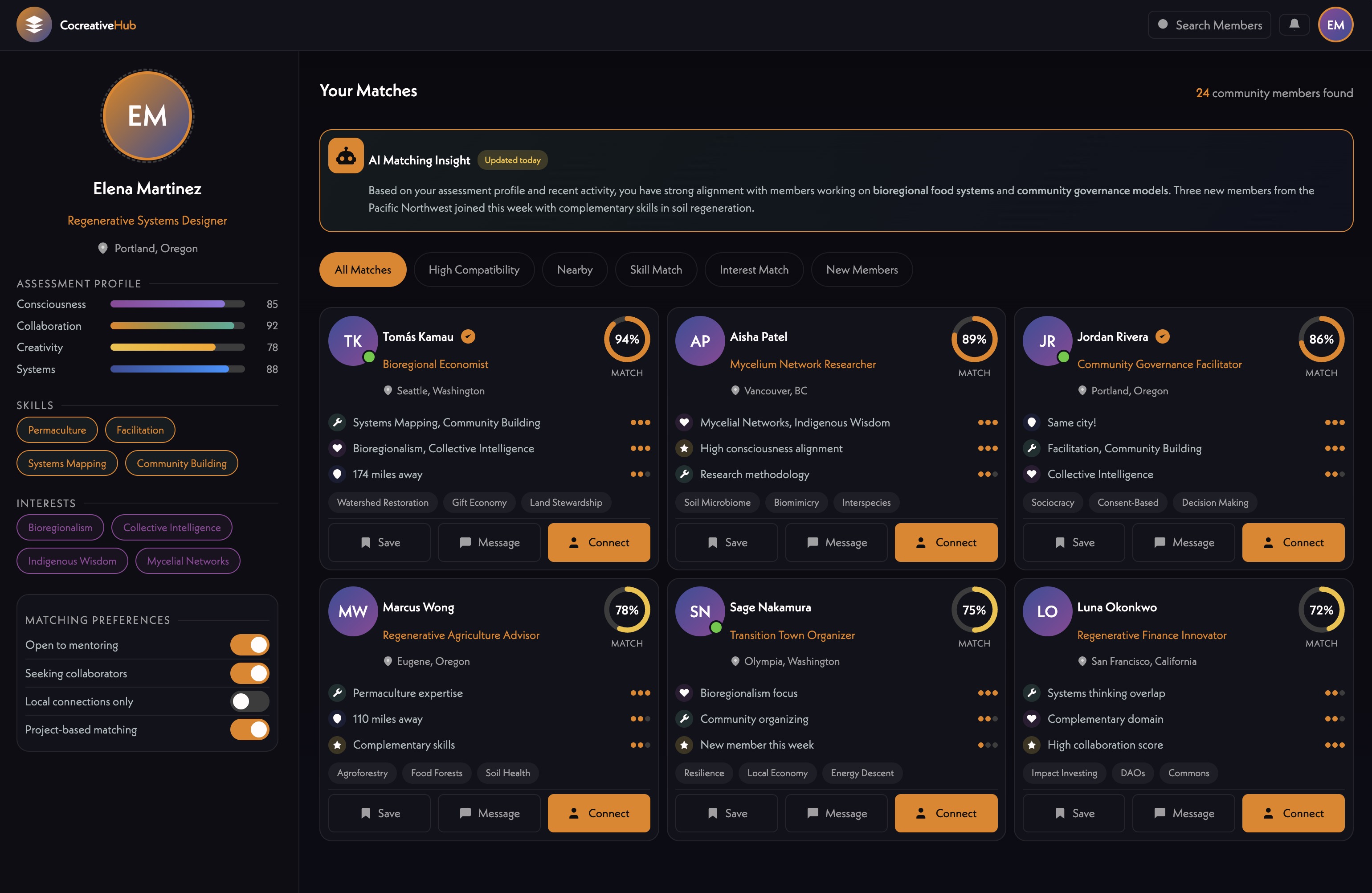
Michael Shaun raised the urgent need to separate the live app from active development, especially with the goal of putting 100 people on the app within the next week (03:53). James clarified the approach: rather than two fully distinct versions, the backend, data, and directory remain unified, but the custom scripts will be duplicated into production and development versions on Webflow [tag="webflow"]. A custom script will automatically serve the development version on a development domain, while the live domain at app.holomovement.net pulls the stable production scripts. Launching updates becomes a deliberate step of promoting development scripts to production.
James also confirmed fixes to location formatting — even verbose entries like "Austin, Texas, USA" are now automatically simplified to prevent layout breaks (05:50).
The current signup process takes 10–15 minutes with too many text areas and slides (06:39). James proposed a substantially streamlined approach designed in Figma 📄 and built with Webflow elements [tag="webflow"].
Before signup, visitors should be able to:
[technology="Directory Systems"]
The redesigned flow asks only for essentials up front, then breaks deeper profile work into modular steps:
From there, a checklist widget surfaces optional but encouraged modules:
[technology="Custom Membership System"]
Michael Shaun strongly endorsed making profile completion a gate for connection features (13:12). The widget should appear as an icon with a notification dot, pop up as a modal when revisiting one's own incomplete profile, and absolutely surface when a user attempts to access connection features. This keeps onboarding bite-sized while ensuring users complete enough to make matching meaningful.
James confirmed the matching algorithm now weights three signals: shared domains, seeking and offering (weighted most heavily), and the resonance assessment (14:21). The system is working well; once the new flow ships, the checklist will explicitly guide users toward completing all three inputs to unlock meaningful connections.
[technology="Intelligent Matching Algorithms"]
Mariko drew a sharp practical line (32:11): the in-person attendees in Portugal are using Eventee 🔗 (eventee.com) for workshop signups, room logistics, and schedule changes — that's the on-the-ground event app and it's already designed. The Holomovement app is not trying to replicate that.
The Holomovement app's role is to be the home for the global broadcast audience and the meeting place where in-person and online communities mingle. Online ticket buyers (currently routed through Ticket Tailor 🔗) need an access communication that directs them into the app as their primary destination — "it would be a massive failure if we don't send people to the app."
James proposed embedding whatever Peter and the broadcast team deliver (likely a Hubcast or YouTube embed) onto a member-protected custom Wave page inside the app (37:22). Three features layer on top:
[technology="Video Conferencing Solutions"]
Mariko suggested that since broadcast tickets are effectively donations, the membership flow could acknowledge: "If you purchased a Wave ticket, this one-time donation goes directly to the Engine for Good" (42:11). This keeps the contribution narrative clean and doesn't require special auth gating for paid vs. unpaid broadcast viewers — the page is simply member-protected.
Hera floated several ideas including notifications, holon-style groups, and an AI agent monitoring a living news feed (29:51). Michael Shaun firmly steered toward the most conservative path possible given the three-week timeline (30:54): just use a tag. Anyone can self-select a Wave 2026 tag (and potentially Wave Broadcast 2026 as a distinct colored tag), and the directory can filter by it. No new code, no new taxonomy, no risk of breaking core flows during the event. The team aligned on protecting development time for stability of what's already built.
[technology="Community Facilitation Tools"]
The breakout room concept is exciting but carries real risk. Michael Shaun insisted on prefacing it as beta and, critically, requiring the core team to hold a meeting on it next week before any public exposure (47:05): "If we can't hold a core team meeting on the damn thing, we shouldn't be turning it loose on the public." James will:
Mariko raised community moderation — a red-flag system where after three flags a participant goes dark or is removed. Worth exploring but not blocking for Wave.
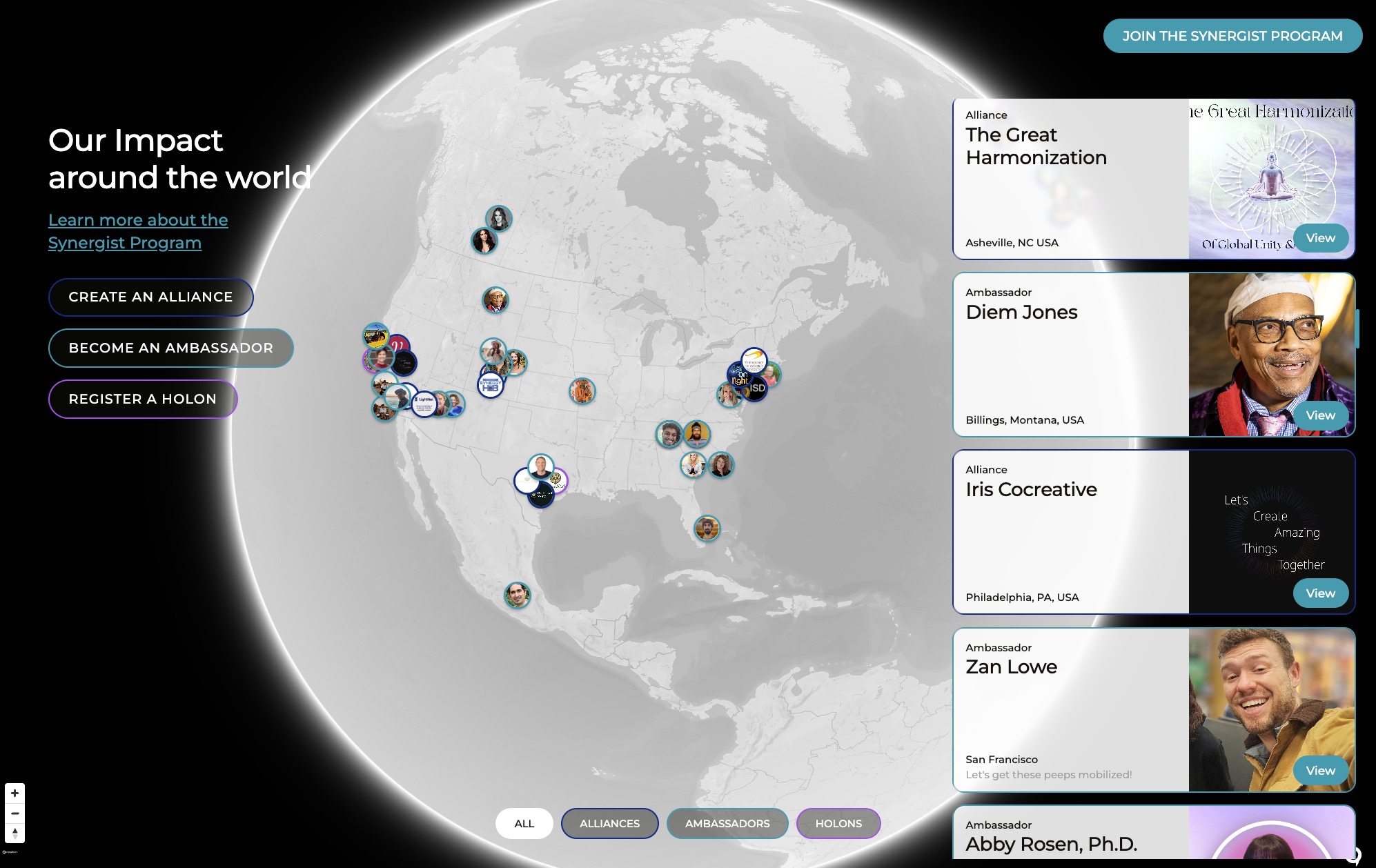
Michael Shaun flagged that on a full Holon, the gradient overlay obscures member faces (50:32). James explained the gradient was designed for when membership exceeds the visible count — at that point profiles rotate through and fade. Current numbers sit awkwardly in a static state. Fix: reduce gradient intensity and ensure rotation behavior triggers appropriately on larger Holons.
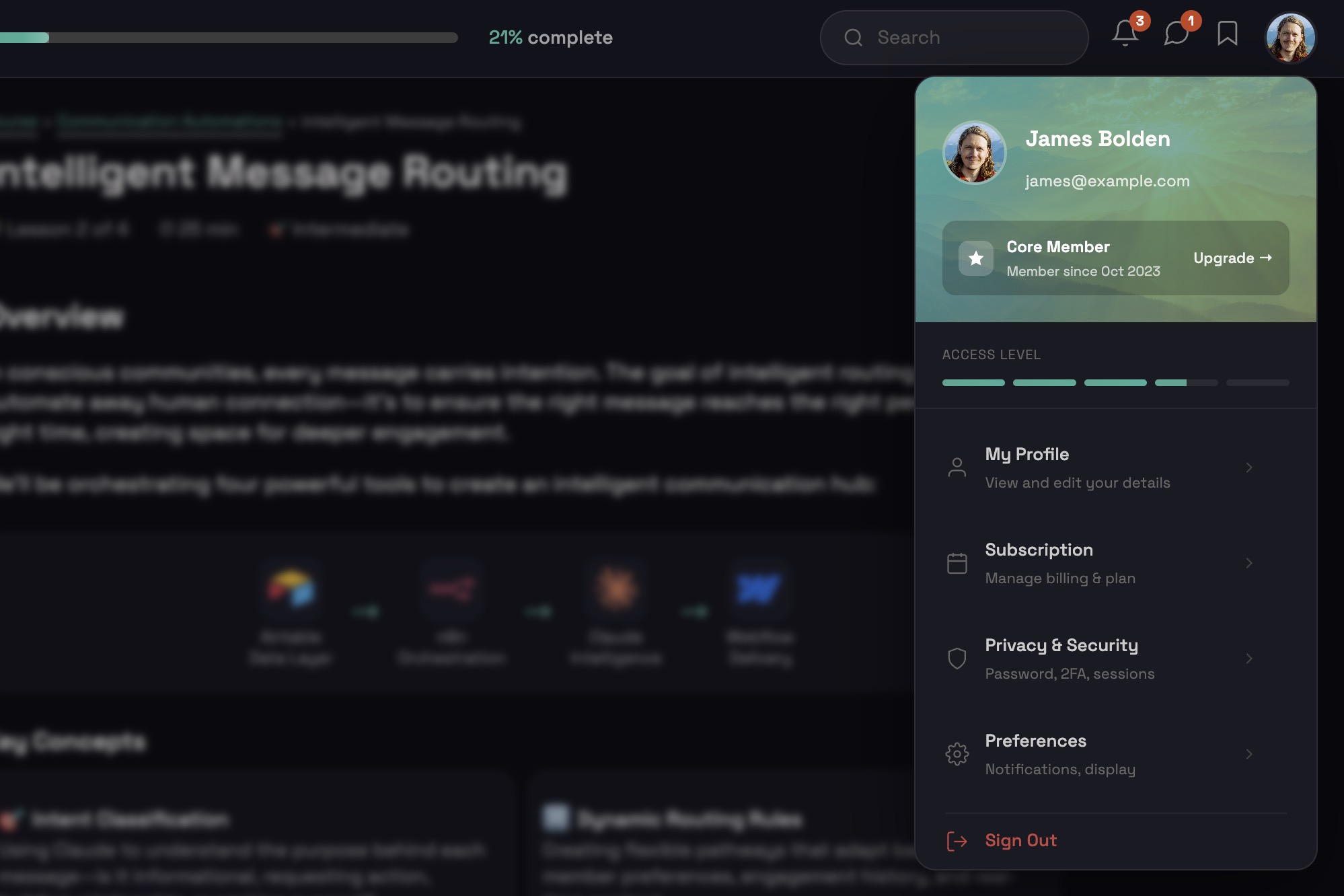
The team also reviewed quality-of-life updates including category cards with bleeding color, a new red-orange ("signal red" / blood orange) tone for notifications that reads as curious rather than alarming, and a flatter version of the proposed app icon for the nav.
The naming conversation continues. James proposed Holosphere, with a 3D logo concept. Michael Shaun's feedback: the logo could work but should be flatter and less reflective — currently reads a bit like glossy spaghetti tubes. Other candidates floated: Holospace, Hollow Field, Holocene. The group is converging on the practice of waiting to see the thing before naming it — "like getting a dog, you should hang out with her for a couple weeks." Launching at the Wave without a final name is acceptable; arriving with one would be a bonus.
A meaningful decision: James will take the stage Saturday morning to introduce the app, its vision, and the invitation to participate (58:28). Mariko made the case strongly — as the developer holding the build, James can speak with technical authority about what's been co-created, why it matters for the broader ecosystem of communities asking for this kind of tooling, and what's next. This positions him as the face users can approach, and frames the app as the most important "what's next" for the Holomovement.
The slot lands right before the coffee break, allowing attendees to immediately scan a QR code and create profiles. The talk will mirror the landing page narrative — laying out what's built, the roadmap, and the why — making a strong invitation not just to sign up but to remain part of the app's evolution.
[technology="Collaboration Management Tools"]
James Redenbaugh
Michael Shaun Conaway
Mariko Pitts
Hera Rose
Michael Shaun Conaway opened with reflections from a strong funding call earlier in the day (00:11). The strategic upshot is to push Activation Day further into the world of collaboration — positioning it as the way "we collaborate together" across event organizers, communities, and individuals with projects to launch. Rather than treating the Wave as an annual moment, the team is exploring how to bring the Wave experience to other people's events throughout the year, contributing both philosophical content and a slice of the activation workshop format.
This opens conversations with potential partners like Vince, who floated the possibility of hosting something in Austin — whether a mid-year event or next year's Wave, contingent on sponsorship. Rachel noted that October is saturated with events, suggesting the better move may be to embed within existing events rather than compete. The shift is from transactional ticket exchanges toward intentional partnerships producing specific outcomes: catalyzing world-changing projects and collaboration at each touchpoint.
Michael Shaun raised the urgent need to separate the live app from active development, especially with the goal of putting 100 people on the app within the next week (03:53). James clarified the approach: rather than two fully distinct versions, the backend, data, and directory remain unified, but the custom scripts will be duplicated into production and development versions on Webflow [tag="webflow"]. A custom script will automatically serve the development version on a development domain, while the live domain at app.holomovement.net pulls the stable production scripts. Launching updates becomes a deliberate step of promoting development scripts to production.
James also confirmed fixes to location formatting — even verbose entries like "Austin, Texas, USA" are now automatically simplified to prevent layout breaks (05:50).
The current signup process takes 10–15 minutes with too many text areas and slides (06:39). James proposed a substantially streamlined approach designed in Figma 📄 and built with Webflow elements [tag="webflow"].
Before signup, visitors should be able to:
[technology="Directory Systems"]
The redesigned flow asks only for essentials up front, then breaks deeper profile work into modular steps:
From there, a checklist widget surfaces optional but encouraged modules:
[technology="Custom Membership System"]
Michael Shaun strongly endorsed making profile completion a gate for connection features (13:12). The widget should appear as an icon with a notification dot, pop up as a modal when revisiting one's own incomplete profile, and absolutely surface when a user attempts to access connection features. This keeps onboarding bite-sized while ensuring users complete enough to make matching meaningful.
James confirmed the matching algorithm now weights three signals: shared domains, seeking and offering (weighted most heavily), and the resonance assessment (14:21). The system is working well; once the new flow ships, the checklist will explicitly guide users toward completing all three inputs to unlock meaningful connections.
[technology="Intelligent Matching Algorithms"]
Mariko drew a sharp practical line (32:11): the in-person attendees in Portugal are using Eventee 🔗 (eventee.com) for workshop signups, room logistics, and schedule changes — that's the on-the-ground event app and it's already designed. The Holomovement app is not trying to replicate that.
The Holomovement app's role is to be the home for the global broadcast audience and the meeting place where in-person and online communities mingle. Online ticket buyers (currently routed through Ticket Tailor 🔗) need an access communication that directs them into the app as their primary destination — "it would be a massive failure if we don't send people to the app."
James proposed embedding whatever Peter and the broadcast team deliver (likely a Hubcast or YouTube embed) onto a member-protected custom Wave page inside the app (37:22). Three features layer on top:
[technology="Video Conferencing Solutions"]
Mariko suggested that since broadcast tickets are effectively donations, the membership flow could acknowledge: "If you purchased a Wave ticket, this one-time donation goes directly to the Engine for Good" (42:11). This keeps the contribution narrative clean and doesn't require special auth gating for paid vs. unpaid broadcast viewers — the page is simply member-protected.
Hera floated several ideas including notifications, holon-style groups, and an AI agent monitoring a living news feed (29:51). Michael Shaun firmly steered toward the most conservative path possible given the three-week timeline (30:54): just use a tag. Anyone can self-select a Wave 2026 tag (and potentially Wave Broadcast 2026 as a distinct colored tag), and the directory can filter by it. No new code, no new taxonomy, no risk of breaking core flows during the event. The team aligned on protecting development time for stability of what's already built.
[technology="Community Facilitation Tools"]
The breakout room concept is exciting but carries real risk. Michael Shaun insisted on prefacing it as beta and, critically, requiring the core team to hold a meeting on it next week before any public exposure (47:05): "If we can't hold a core team meeting on the damn thing, we shouldn't be turning it loose on the public." James will:
Mariko raised community moderation — a red-flag system where after three flags a participant goes dark or is removed. Worth exploring but not blocking for Wave.
Michael Shaun flagged that on a full Holon, the gradient overlay obscures member faces (50:32). James explained the gradient was designed for when membership exceeds the visible count — at that point profiles rotate through and fade. Current numbers sit awkwardly in a static state. Fix: reduce gradient intensity and ensure rotation behavior triggers appropriately on larger Holons.
The team also reviewed quality-of-life updates including category cards with bleeding color, a new red-orange ("signal red" / blood orange) tone for notifications that reads as curious rather than alarming, and a flatter version of the proposed app icon for the nav.
The naming conversation continues. James proposed Holosphere, with a 3D logo concept. Michael Shaun's feedback: the logo could work but should be flatter and less reflective — currently reads a bit like glossy spaghetti tubes. Other candidates floated: Holospace, Hollow Field, Holocene. The group is converging on the practice of waiting to see the thing before naming it — "like getting a dog, you should hang out with her for a couple weeks." Launching at the Wave without a final name is acceptable; arriving with one would be a bonus.
A meaningful decision: James will take the stage Saturday morning to introduce the app, its vision, and the invitation to participate (58:28). Mariko made the case strongly — as the developer holding the build, James can speak with technical authority about what's been co-created, why it matters for the broader ecosystem of communities asking for this kind of tooling, and what's next. This positions him as the face users can approach, and frames the app as the most important "what's next" for the Holomovement.
The slot lands right before the coffee break, allowing attendees to immediately scan a QR code and create profiles. The talk will mirror the landing page narrative — laying out what's built, the roadmap, and the why — making a strong invitation not just to sign up but to remain part of the app's evolution.
[technology="Collaboration Management Tools"]
James Redenbaugh
Michael Shaun Conaway
Mariko Pitts
Hera Rose
00:00:00
Michael Shaun Conaway: Oh, that's the way it goes.
00:00:04
Mariko Pitts: I know, I know. This meeting is being recorded actually. Huh.
00:00:09
Michael Shaun Conaway: We had a good funding call today.
00:00:11
Mariko Pitts: Oh, what was it? Yeah, Rachel said it was good. I haven't got the update. Yeah.
00:00:15
Michael Shaun Conaway: Just think like, I guess the real upshot it is, it is to push as much as we can into the world of Activation Day being about, you know, collaboration, which we've been talking about in many different ways, but really push towards. This is how we collaborate together, us, you know, people who have events and organizations and things going on, as well as the individuals who have things that they're wanting to get going on. And then that we look for a way to bring the wave to other people's events, to do a little bit of that, the kind of content and philosophy and then a little bit of the activation workshop piece to. Yeah. And then have that be part of our contribution to other people's events. Rachel thinks we're going to make some money back on it. I'm not so sure about that. But that we find a way to get the wave to keep happening in little ways over and over again for our community to kind of keep being invigorated. In each of these events we come to, we there again invite their community onto the, the app. The app who shall remain nameless, the unnamed app. And. And then it was all started off with a little conversation about Vince and his kind of, I would say, uncommittal, non committal email. He's got a project that he and his wife are starting. Yeah, he was the same thing about, but, but he also said that, hey, if you guys want to come and do something in Austin. And then so we thought, well, maybe we do a, a mid year event in Austin or maybe we do next year's wave in Austin, in Texas, if he's going to sponsor it, if he's going to come up with the money, if that's a way to get him to come up with money. And then Rachel's like, but there's so many people doing events in October. Maybe we just want to be part of their events. So this is all really good thinking. It's all good thinking for one week after the wave, but I think it does, it is a way forward where we can show up a lot more often than annually. Like where we show up in space. Not just as, hey, I'm getting up on stage and speaking or sharing something. But hey, we're coming with this thing, this experience that happens at your event and then gets people catalyzed into world changing. Projects and collaboration and all that stuff.
00:02:42
James Redenbaugh: It.
00:02:43
Michael Shaun Conaway: I, I'm. I'm. I'm just curious to see if we have partners that we like. Yes, we want you to come and do that. We, you know, like we've got these workshop spaces if, if they started turning the workshops, you know, like having us have like a stretch like that or something, I don't know. So I think it helps to think in terms of how we all synergize together. Not the way we do it is usually like, you know, like with fifth, this element. I'll give you some tickets. Will you give us some tickets? But a little bit more like, hey, we're actually wanting to show up and produce something specific, a specific outcome. So it's something to lean into, I think, and to think about after the way. Okay, there's James.
00:03:23
Mariko Pitts: What's up, James?
00:03:24
James Redenbaugh: Hey, guys.
00:03:25
Michael Shaun Conaway: James. James, you distinguished something. Amazing that we're going to have a static deployment of the app and then we're gonna have a development server where all the crazy shit that you're doing, it keeps breaking. Stuff happens.
00:03:40
James Redenbaugh: Yeah, yeah. Aren't you excited for that?
00:03:44
Michael Shaun Conaway: Would you commit to a date on that? Is there a date by when we might have that happen? It is May 11th today.
00:03:53
Mariko Pitts: May 11th today. Oh my God. I know.
00:03:56
Michael Shaun Conaway: I have this crazy ambition of putting 100 people on the app in the next week or so, but we should probably have it on app.holomovement.net and it should be not being tinkered with unless it's broken.
00:04:19
James Redenbaugh: I'm thinking it won't actually be two completely distinct versions because it's going to be the same backend, the same data and directory. And. But what we can do is, and we're using webflow, so we're constrained by that. But what I can do is all the custom scripts that we're using, I'll duplicate them into two versions that we'll call production and, and development. And then I'll have a custom script that will automatically serve the development version on the development domain. So we have a webflow domain that we can use to test the site and then we have the live domain that we can use, which will automatically pull the production. So it should be pretty easy. We'll just add another step in the launch process to, once we confirm, duplicate the development script to the live script. And, and that should prevent certain issues. But I think some of the issues that people have been having were not that.
00:05:39
Michael Shaun Conaway: Yeah, yeah, yeah. No, it seems like they're doing some funky things like location, Austin, Texas. Usa. Like, I mean, I guess we need to say city.
00:05:50
James Redenbaugh: No, I fixed it so it's automatically simplified and even if it ends up being really long, it won't break the layout. Okay.
00:05:57
Mariko Pitts: Okay, cool.
00:05:58
James Redenbaugh: So these are great, great things to test that I wouldn't think to test, you know, on my own.
00:06:04
Michael Shaun Conaway: They said United States of America, I think is what you said. They typed the whole thing out.
00:06:09
James Redenbaugh: And so now even if they say usa, it automatically takes it out. It just puts the state.
00:06:15
Michael Shaun Conaway: Yeah.
00:06:16
James Redenbaugh: To make it consistent.
00:06:20
Michael Shaun Conaway: How are the things that we were working on the past week, the stripe integration? Is that. I think that's done? Yes.
00:06:27
James Redenbaugh: Yeah.
00:06:28
Michael Shaun Conaway: Have we tested it all the way towards somebody making a. Have we gone through a whole test?
00:06:37
Mariko Pitts: Can we see what it looks like?
00:06:39
James Redenbaugh: Yeah, let's see what it looks like. And also, I mean, first, should we talk about the, the new sign up flow and how is it done? Well, I have a proposal for that. So let's share this screen here. So right now it takes 10 to 15 minutes to sign up. There's a lot of text areas, a lot of slides. It's too clunky. We talked about what do we want to make visible to people before they even sign up. And so here's my proposal for that. I want to talk to you guys about a landing page today, what to put on that. I think we should make the directory visible, but the profiles. Locked. Locked.
00:07:51
Michael Shaun Conaway: Yep.
00:07:52
James Redenbaugh: Same for the map. Similar thing where you can see the. The people. But if you go to any profile, we have the Denny, the demo profile, Johnny Hollow Movement or whatever we call them.
00:08:07
Michael Shaun Conaway: How about Jenny?
00:08:09
James Redenbaugh: Yeah, Jenny. Jenny and Johnny. And then other things like a preview of the assessment. We, you know, people can see that assessments are there, but obviously they can't take it because they don't have a profile. I think the connection map for now we should just block it. But we could do a similar demo there where people see that it's a thing, but they need to create a profile to use it. And I think once we have the story around the contribution and the sign up and what, what that's going for, that could be a page in itself where, which could also be public, inviting people to contribute. You know, whether or not they make a profile, that could always be a possibility as well. So just a little outline of that, a list of the things that we should have from everybody. So name, email, password, location. And then I think most important things are the photo and the domain and the tags are just so easy to do. I think that's something that we could ask for right away. And the membership, whether or not they want to sign up, then it's good to get that in front of their faces. Yes, agreed. The flow would be, you know, the free browsing as they wish and then when they sign up the email and the password and location as it is right now. And then a really simple profile creation flow which just does the profile photo and the domain and tags. So no bio question, no purpose, just goes right to the membership option. Do you want to contribute? This is what that looks like. And then they say yes or no, thank you. And it goes right to the directory and they can start exploring there. And then later I like the checkbox idea that we talked about last time and these are the four things that I would put on it. One is take the assessment, just goes to the assessment and they, they're brought through that that's done and easy. The next would be a new would be taking out the skills. Oh no wait, that's down here. The seeking and offering from the profile creation and making that its own flow. So asking those questions in sequence. It's four questions. And then in having, instead of having the results just show up automatically on their profile, I it would feed them what we're generating right away. So it takes the answers to their questions and it says here's a simplification of your seeking statement and your offering statement. You can edit this if you'd like. And here are the tags we picked for these things and you can edit those if you like. And they say great. And then that ends up on their profile. And then similarly for complete your profile call to action. So that's where they would answer the question about their short bio, their purpose statement. And then right there it would say like here's what we think your tagline should be. Do you like it? You can edit it. And then while they're doing that, the, the part that takes longer is the banner creation and so that gets created and then so on the next slide, hopefully that's done, otherwise we'll have a little loader. And then they see this banner and we say here's the banner we've created for you based on your profile. Do you like it or do you want to upload your own or do you want to regenerate it? And then they can approve that and it ends up on their profile. And so those are the two parts of the profile creation that kind of would be broken down into their own modules. And then we also have the skills self assessment on the profile where you can name a skill and drag a bar that could be made a little more intentional to be its own flow guiding people into that. And that way these are bite size. They can do when they want, they can think about it. They can do one and then come back to another. And as we add more things over time, we can add other modules instead of making the profile creation longer.
00:13:12
Michael Shaun Conaway: I think that's a really great idea. Especially if they cannot do. If they. They can't move on to connection until they've done all of it.
00:13:20
James Redenbaugh: Yeah. Yep.
00:13:22
Michael Shaun Conaway: So that they can get in, they start working and then they want to find out where their connections are. Boom, I hit my connections page. Well, you have to finish your profile. Here's your checklist. I saw your widget. I think I'd like to take a look at that a little bit more, but I think that's a really good idea.
00:13:35
James Redenbaugh: Cool.
00:13:37
Michael Shaun Conaway: Yeah. So just that. So how does a floating widget, what look or how does it work? Is it just a panel on the screen somewhere or.
00:13:45
James Redenbaugh: I think that it should. It should have a little icon here that people can find with a notification dot if. If there's things they haven't done. And it could also pop up from time to time as a modal or.
00:14:05
Michael Shaun Conaway: Maybe even when you visit your revisit your own profile page, it'll automatically pop up if it's incomplete.
00:14:12
James Redenbaugh: Yeah.
00:14:12
Michael Shaun Conaway: And then of course, if you go to connection, it would automatically pop up because you'd have to complete it to.
00:14:17
James Redenbaugh: Have the ability to connect. Exactly. Yeah.
00:14:21
Michael Shaun Conaway: Okay, great. And how much now is the profile page contributing towards the connection scores? Because we talked about that a couple weeks ago.
00:14:33
James Redenbaugh: Yeah. So it's using three things. The shared domains, seeking an offering that's actually weighted most heavily. And then the resonance assessment. Yeah. Yep.
00:14:59
Michael Shaun Conaway: Ready for prime time.
00:15:00
James Redenbaugh: Yeah, this is working well. Super cool. If you haven't taken the assessment right now, it tells you that you need to take it. But once we implement this flow, it will also tell you, it'll show you, give you the checklist and say you got to do these other things.
00:15:19
Michael Shaun Conaway: And how long do you think it'll take to do all that? That. All that you just showed us?
00:15:28
James Redenbaugh: So we've got a restructure the profile form. I think that we can, we can get a first version up of this up very soon, like next couple days. But we're also. Let me show you this. We're bringing more intentionality to the design of the signup flow as well. So it's not a major departure from what's over there? What. What's our. How it's already working but we're just designing it in Figma and. And then building it with webflow elements. So we're working on this anyway this week. Right now the profile creation is all custom code so we can wrap iterate it rapidly. I think we should just deploy the updated flow with that same method and then a tailored design as soon as this is ready in the next few days. We also have. Messaging. It's going to be really cool. So just more details and intention to these things. I think the Figma is ready to go and now we just need to build it in webflow.
00:17:35
Michael Shaun Conaway: So we think ready to be tested by the end of the week.
00:17:39
James Redenbaugh: Yeah.
00:17:42
Michael Shaun Conaway: Okay. And then when. Like how much time do we need before we're able to turn more people loose on it then.
00:17:57
James Redenbaugh: The. I think we should put it on app dot hollow movement as soon as possible and I think that the. The profile creation flow is really the last thing that's. That we want to nail before we open the gates to more people. So.
00:18:28
Mariko Pitts: Yeah. Did we get terms and conditions and all that in.
00:18:32
James Redenbaugh: Yeah.
00:18:32
Mariko Pitts: Behavioral way, things like that?
00:18:34
James Redenbaugh: Y. Yeah, it's placeholder. You guys should have a lawyer look at it, but it's in there.
00:18:42
Mariko Pitts: Okay. Like a common one for now. Nothing crazy.
00:18:46
James Redenbaugh: Yeah, yeah.
00:18:46
Mariko Pitts: We can always change it if we need to. Okay.
00:18:51
James Redenbaugh: And that 18 or older consent.
00:18:55
Mariko Pitts: Right. Okay.
00:19:00
James Redenbaugh: I've done a big update on the app map to update all the things we've done. This is a crazy list now. And also all the things that we have talked about and are working on. So you guys are welcome to peruse this. This should all be up to date and we have.
00:19:32
Mariko Pitts: Are you showing something? I can just see. All I can see is Figma. You might have to repair.
00:19:36
James Redenbaugh: Oopsie.
00:19:37
Mariko Pitts: I was like, oh no, no, no, no.
00:19:43
James Redenbaugh: This is on the platform so.
00:19:46
Mariko Pitts: Oh yeah, everybody can see that too. So we're gonna have to shut that down for everybody.
00:19:53
James Redenbaugh: Oh, can. Can everybody see it?
00:19:55
Mariko Pitts: Yeah.
00:19:56
James Redenbaugh: Okay.
00:19:57
Michael Shaun Conaway: I mean we can see it. Like. I know I'm not watching it.
00:20:01
Mariko Pitts: I tested with new people yesterday and they can see it. Oh, it's in there.
00:20:06
James Redenbaugh: Yeah, I'll make it so just. Just these admins couldn't see it. And that is something to add.
00:20:25
Mariko Pitts: Crazy. All the stuff that's been done. Look at that. Yeah, that's crazy. Do you want to see just looking at it, all the stuff. These are all like done checked off.
00:20:44
James Redenbaugh: Yeah. Blue and purple is done. I've named some Things in the in the future category, including an events page, an opportunity board, something we've talked about. Resource library where people can post and organize inspiring things themselves. Collaboration spaces, deeper engine for good integration, project reporting, things like that. Numerology, assessment, also future assessments. The connection stuff is in process and then all the, the whole learning management system and the course pages live over here. Also, do we want to. Build in features specifically for the wave? So if we're going to ask speakers to create profiles, should we make special fields for them so we can put in when are they speaking, what are the sessions, things like that to make it easy for users to see like who are the speakers, what should I go to at the wave, Things like that.
00:22:16
Michael Shaun Conaway: Well, we have a, we have an app for the run of show stuff already.
00:22:23
James Redenbaugh: Yeah.
00:22:24
Michael Shaun Conaway: Where they sign up for the workshops and things they want to go into and stuff like that. So we don't really want to duplicate that functionality, but we want to definitely maybe even a special tag or, or something for attendee would be really cool that they all get. If they sign up. You know, maybe you can select it and get one but you should, they should definitely all get that kind of if they sign up at the wave. Yeah, I say that but I also, I also. It's not a make or break thing and I want to make sure that we don't break. We don't, we don't have something that doesn't work or doesn't work well at the wave. I want to make sure. I mean we're so cutting it so close to have a kind of a shipped version of this without really enough a lot of testing. I mean I really, really don't want you to be, you know, sitting in the lounge with a laptop out answering technic support queries every four minutes during the whole wave. So I want to get some use on this before we, you know, before we hit the wave. So we can not have it having not have problems while during the wave. So that's my, my first vote is make sure we get that stuff done.
00:23:43
Hera: Yeah, I, I agree. While you're sharing that Michael Sean, one thing that I'm thinking about is what if we make the point process or the, the user experience simple and familiar such. I'm think I'm thinking of a whole on. For example, what if the wave, the process of, of getting tagged as A WAVE WAVE 2026 attendee feels like also like just joining a whole on where if you, if you're attending the wave, all you need to do is like go to the Wave website and then like and click if you're attending the Wave and everybody who's attending the wave is in that specific group. And then we don't, we don't have need to be like specific with updates, but it's nice to like have everybody in one place and like see what's going to blossom from that. But yeah, just some. I'm thinking more about like the data just using that as data that's going to help refine matching in the future. So.
00:24:46
Mariko Pitts: But if we did that, is that just for the in person or are we talking about the whole global people tuning in to go.
00:24:53
Hera: Well, we could do two. We could do one for. In person. We could do one. You could do one for the global broadcast. Because I'm like thinking, I'm not sure how much we're going to open it before the Wave, but I'm thinking especially for people, for close members of the community, for people who already registered to the Wave, I could imagine there would be people who haven't registered to the Wave and once they see people signing up and testing the platform saying Marco is attending the wave, not just core team members, but other people who are not part of. Who are, you know, people both existing and non existing members of the community getting tagged as this person is coming to the Wave, it's going to help. I could see that that's going to be really cool. As long as it's not complex. It's not a complex build. Of course.
00:25:46
Michael Shaun Conaway: That's what I'm trying to do is just try to get it to be as simplistic as possible. If it was just literally like a tag,.
00:25:56
Mariko Pitts: It could just be a tag right now, honestly that way you can.
00:26:01
Michael Shaun Conaway: Filter by the tag of Wave attendees if you want to see who's here.
00:26:06
Mariko Pitts: Yeah.
00:26:07
Hera: Or I'm. I'm also like thinking an in app notification or maybe an email like you're. Are you attending the wave? Click this button and then that's gonna automatically include them in the.
00:26:21
Michael Shaun Conaway: Do we have. Do we have in app notifications yet and emails?
00:26:25
Hera: I don't think not yet, but I know that it's in James. One of James was said he was working on that. So that's why he said that we.
00:26:34
James Redenbaugh: Have in app notifications. But you're talking about a modal pop up.
00:26:40
Hera: It doesn't have to be modal. It doesn't have to be modal. It could just be a notification both in app and email too.
00:26:48
Michael Shaun Conaway: Because I. Yeah, it could be a, it could be a group, group chat it's another thing that we have that's. That's kind of relatively functional and we could tell people, hey, when you get in, you just pop over to the chat. You'll see you've been added to the group chat for the wave 2026, say who you are and where you're from. But that would have to be communicated outside of the normal onboarding. And we just have to have it so that everybody that. That comes in gets in that group. Well, what if they don't? What if they had an account before? Yes, this is all, this is all great ideas, but it becomes a little bit harder to. To do. I mean, I guess we could just make it can. You can't have a group chat that you can join right now either. I don't think we have any of that functionality. You can make it around your. You can make one, but I don't know how you join one do you.
00:27:44
James Redenbaugh: Can only join a Holon. It's like, yeah, so a group chat in WhatsApp or iMessage, you have to be added by the admin. But I. What if we push the event page functionality in a really simple way with one event? That's the wave, because that's something we want to build anyway. And we could just have events as a new taxonomy and we could have a member wall there like hold ons and we can see who's attending the event.
00:28:28
Mariko Pitts: And then you want to create an event portal. Kind of like it would be what up in the header up there or just like events and then there's the wave. And what would that look like? Is that like a whole on page that's dedicated where the broadcast is.
00:28:44
James Redenbaugh: So I was thinking eventually it would be and events page where the waves past and future can live, but also other events and people could even add their own events and have a calendar. But for now, since we just have the. The main event, we could just link right to the Wave event page, which would have a bit of information about the wave and then a list of the people who RSVP yes in the system. Just click a button that they're attending and then they have a member wall similar to Holons where they can post stuff and we can post updates there and we can see who's on here, that's a speaker by tagging them as like Wavespeaker 2026 and who's attending and things like that. That's all pretty easy.
00:29:51
Hera: And yeah, Michael, Sean earlier said so. So there's going to be an event app and definitely for the wave, we want people to interact in there. But while you're sharing that, one of the things that like one of the visions that I, that I keep seeing is like a living news feed. I could imagine how creating some features that it's going to allow people to interact in the whole movement app is going to be redundant. But what if within the whole movement app, in that event page, instead of like people, like having a place where people would like talk within the whole movement about the wave, why don't we just make it a living feed that maybe assign an AI agent that's going to, that's going to track or like monitor the app, see what's happening, what's happening at any point in time and just, just kind of like update that. Like, like this session is happening in this room.
00:30:54
Michael Shaun Conaway: Like we've got, we've got to have something that doesn't crash. Like and we, and we like, so it, it's, it's, you know, two weeks before we're live. Literally where that's Monday of the week of the hola movement. To be writing your code is just insane. Let's just do it. Let's. I would say a tag. Make a tag. Anybody can select it. If you, if you tag yourself, you know, we can tell people, tag yourself, you know, wave 20, 26. And then the way you can, everybody can find who's here and that's. We don't have to write any code for that at all. And we can spend all of our dev time making sure that everything is going to work really, really well and not, not half.
00:31:35
Mariko Pitts: I agree. I agree too.
00:31:37
Michael Shaun Conaway: Yeah, we're really, we're really creative in this group. Yeah, I love it. And this. Maybe today's the day just to, to be the, the conservative ones and make sure. Well, at this point we're not even conservative still. We're still wild cowboys coming in with a brand new.
00:31:53
Hera: I totally see why that's important too.
00:31:58
Mariko Pitts: Like two, three weeks into the way.
00:32:01
Michael Shaun Conaway: We're not even three weeks. We're three weeks from activation days of today. Oh my goodness. Yeah.
00:32:07
Mariko Pitts: Yeah,.
00:32:09
Michael Shaun Conaway: Three weeks.
00:32:11
Mariko Pitts: Let's back up and get a little more practical. I'm more on the Michael Sean boat right now too. I think there's two things. We've got an in person event happening and they're using an in person app, like an app for that event that helps them to understand where to go for workshops and all that sort of thing where the rooms. When things change, that information has to be and an already designed event act that we're actually using eventy. We're not using skid this year. We switched it up. So it's super simple for those on the ground. Eventee event and then two E's after eventee yeah dot com. So we're using this one. It's very simple, user friendly. I am getting the customized donate so we can actually just. It can be customized AI pull from the colors from our pages and things like that. But essentially it's a very easy, friendly app to use. There's that for the in person experience, right? Because we need that. We know that because people have to actually choose workshops, they have to book their space because we have to set different limits. Then there's an online broadcast and the broadcast is completely different. They're experienced experiencing a show. It's not a live stream, it's an actual two hour broadcast, 2ish hour broadcast. And then eventually the actual talks that are happening on the main stage would actually live in the app as archive footage. Right. So it should be like on demand, so to speak at that point. There are people buying tickets on ticket Taylor, for the online broadcast as we know we need to give them an emails that basically soon. We can change that later. But right now, anybody who's bought a ticket right now needs to get an update at some point very soon with access information. Where did they go? I'm thinking they go to the app. So the app, our home of app personnel essentially is the main space for people who want to view and experience the wave, not necessarily for the people who are at the wave in person. So I think it's two different things right now. Let's make it user friendly and very cool so that the people who are on the ground in Portugal when they go jump on the app. Because we're going to have signage there and we're going to be like get on our app, blah blah, blah. We're going to talk about it. They'll go and then they can actually talk to and talk on the wall with the people who are watching the broadcast as well. So it's already active because the online broadcast people are already in it. We need to know what in it means though and what are they experiencing. So can we design something? What is the page? Is it like, you know, they go to the wave thing? Maybe it is like you, it's a cool colorful tag, you know, when they're signing and creating their profiles, it's like a wave broadcast attendee something. You know what I mean? Maybe we should get actually make other events. We've had a multiple multitude of different events. We can say wave 2025 or wave Asheville and those are tags. And people can start to have those on their profiles. Add them to their profiles now too, as they're choosing the Wades Portugal won. But make them a different color so it stands out, especially for the broadcast. So they immediately choose it and then they end up in a group or something. Maybe we should group them into kind of like a whole lawn. Maybe this is kind of an open whole lawn or something specifically. And all these people are going in one place to then watch it communicate on that wall. I think we just need someplace within the land where they can watch the broadcast and for those streams to live there. So when they go log back into the app and they do all the other things that they're going to be doing, they can also go tune in if they missed it, you know what I mean? So it has to live there in some way. But what's the most simplest way for it to actually be activating for global broadcast viewers? But that also when we're on the ground and we invite everybody who's in the field with us into it, they actually can see the people that are coming from the world and those who are already creative profiles, you know what I mean? So they're coming into an active kind of place, but we don't need it. We don't need to. We need to kind of break this up. We don't need to build the app or create something for the app for the in person audience. In person audience has a lot going on. We need them to just go on and create profiles and see that there's activity happening. We need the global broadcast to be active and so we're creating more of a space, a landing place for them to land. So not for the in person people. Those people can come in directly to what we've built right now and honestly be fine, you know, but we want them to kind of meet each other and that's the way they can meet each other is go on and see what the global world is doing coming in as well as them on the ground coming in. But we don't need to create like programs for them. We need to create, make sure that the program is available for the online people to see what is their program? Their program is very different than the on the ground people. You know what I mean? So what do we want to do for the online broadcast people, is what I'm saying?
00:37:10
Michael Shaun Conaway: Yeah, yeah, yeah. I mean, is that, is that something you've Worked on James at all. The integrating the broadcast thing at all.
00:37:18
Mariko Pitts: Is that any thoughts on it at least?
00:37:22
James Redenbaugh: So I think we can. Embed, we can embed anything that Hubcast gives us on a page that we just share with people who signed up for that and we can protect that page to force them to create a profile to log in and view that. I don't think that we should. I mean we could but we, I don't think we have to connect those signups with some kind of off so that we only let people who have paid for this thing view the broadcast. I think that we should just make it generally member protected.
00:38:19
Mariko Pitts: I agree.
00:38:20
James Redenbaugh: So in case they like use a different email or whatever and then when they're on the page we can, we can add a member wall there so they can post things. We can do a real time profile sync so they could see who's watching. Now it just depends like realistically how many people are we going to have and how much energy do we want to put into that? Because if it's like six people that's not too interesting. But if we're going to have a few dozen people in there it could be cool to, you know and they all have profiles. Could be more like a watch party to see like oh like there's Jeff, like I'm going to message him. We're both watching this, this thing right now, things like that. So all of that is pretty easy.
00:39:20
Mariko Pitts: Okay, I think that's a good idea. I think we can do that because we are. There are a few actual watch parties that we communicate with that I need to get details and they want to do this kind of thing and like I think there are some other big group emails like the Axlandic Eclipse has put out an email for us and they want to do a party unifies working. There's a lot going on here so we might want to be building from that. And ticket sales are starting to come in for the global broadcast and we've just started ramping up but the ads are going to be pushing pretty hard now. So there should definitely be more than a dozen people probably when we should be going live or something playing in it, you know what I mean? So it could be cool. But I think, yeah, I think we need to just quickly write up what that looks like and then move fast and work with Peter and figure out what the tech is they use for the embed. I mean I know it's going to be pretty easy. I mean they could even if it was YouTube or something, we can embed anything, just wherever they're sending the signal and then we just use that and embed it, you know. But I like it behind. It should be simple. I'm going to. Basically what we'd want to do is get it on the app. We would. It would be a huge missed opportunity for us not to send the global broadcast people to the app. Like massive, yeah, massive fucking failure if we don't send people to the app. That doesn't even make sense. Like, why would we send them anywhere else? Like, so we need to send them to the app and I need to just kind of get soon a write up of what that looks like of how we want them to engage. So it's essentially, it's like create your profile. You're there, you know, we just send them access. I don't know, should we give them a code? Is there like something that makes it so special, unique for them when they're signing up to then see the wave? Or is it just like, you know, we just say, okay, game on, here's the program, you're getting email specifically from us. And then go create your profile. And it'll be live in our app at this time. Which is actually kind of fine anyway because yeah, you know, they're exclusively getting access to the app for the first time too. So they're kind of being invited in. It's not like the whole world is coming into this yet. We haven't opened it up, so. Which I think it'd be a lot easier for us to do it that way, honestly.
00:41:45
James Redenbaugh: I was thinking it would have its.
00:41:47
Michael Shaun Conaway: Own.
00:41:49
James Redenbaugh: Page that wasn't visible to the whole app, but we could, we could make it visible to the whole app. We could even have like a live thing glowing in the top during the, during the broadcast.
00:42:11
Mariko Pitts: I think, I think it's nice because essentially these tickets are like donations, right? And then anybody. And we can always say, hey, wherever you're coming from, you can donate, you know, donate to it. But I don't know, I think because it's actually exclusive, like we're actually. These are the first time people are really coming in invitation. For people around the world coming into this app, there's an exclusive feel to it. It's like essentially you're donating to the app as if you were doing the engine for good anyway. Even though we're taking a ticket for it, it's a donation essentially and utilizing the thing. So maybe there might be something that we want to write up on the membership, like on the engine for good membership. Thing and we could say that your. If you bought a wave ticket, this goes. This donation goes. A one time donation goes directly to the engine for good. I think that might be really cool because it's going to come up when they're writing their. And it's like if you purchase a ticket this is a donate immediate donation that goes directly into the engine for goods. You know, you can add to your impact if you like but you could also bypass it because you've already made a donation. So I think we may want to just do it that way, you know and I think that's just a quick and easy way where it doesn't break anything. It's just a write up. You know we could just have that on the. The membership part when the profile creation.
00:43:30
James Redenbaugh: Yeah. Cool.
00:43:31
Mariko Pitts: Yeah.
00:43:36
James Redenbaugh: During the broadcast. We could also have a breakout room that's just always open this up. This is. This is just a mock up but this is how it works. I've got it working.
00:43:54
Mariko Pitts: You got it working from when you. This is the thing you created and showed us like a while back. Right. This is working now.
00:44:02
Michael Shaun Conaway: How many people can go in it?
00:44:04
Mariko Pitts: Yeah. Remember this?
00:44:13
Michael Shaun Conaway: We. We'd have to put. We'd have to put a pop up before you go into it. Like you know like beta, beta, beta, beta, beta zone. Like this doesn't work out for. Doesn't work. Don't get mad at us.
00:44:34
James Redenbaugh: Only a hundred thousand people can join at once.
00:44:37
Mariko Pitts: Only what does that.
00:44:38
Michael Shaun Conaway: Even then we would see 100,000 little tiny dots and they'd all be speaking at the same time.
00:44:44
Mariko Pitts: They just tear it into like what does that have. What happens?
00:44:48
James Redenbaugh: I. I don't know at that number but above 24 it. Above 12 you get two rows and they kind of nest together and then above 24 it just becomes a grid.
00:45:01
Mariko Pitts: Okay.
00:45:02
James Redenbaugh: Wow.
00:45:03
Michael Shaun Conaway: I would say we'd have to. We'd have to find some way to test it before we turn that on.
00:45:09
Mariko Pitts: Yeah, I'd like to test it and break this. Make sure it works. So I think it's cool. And maybe we don't do camera or we do. I think people can. I mean camera could be interesting for this round. I don't know. Camera and mic or is it. Should we just keep it to like. Or I guess he's a breakout room. So that's true. You can just go in and talk. You're experiencing and sharing. Sharing with each other. Right? That's the idea. Okay.
00:45:37
James Redenbaugh: Yeah.
00:45:41
Mariko Pitts: Is there any way where someone can. It might be kind of interesting where someone can red Flag someone if there's something bad going on and the community takes care of it themselves.
00:45:53
Michael Shaun Conaway: Just starting to realize what a show this could be.
00:45:59
Mariko Pitts: Like a red flag on someone. And then after three, it goes dark or something and they get kicked out.
00:46:04
Michael Shaun Conaway: No cameras.
00:46:05
Mariko Pitts: Like, the community says no. And when they say no, the guy's gone or something. Something weird pops in.
00:46:13
James Redenbaugh: I don't know.
00:46:17
Michael Shaun Conaway: Like, if you could imagine it could happen.
00:46:21
Mariko Pitts: I know.
00:46:22
James Redenbaugh: I think, well, since we all have profiles on here, I think audio only could be fine. You know, you see everybody in a circle. You don't have to worry about your zoom background.
00:46:38
Mariko Pitts: Probably bandwidth would be good when there's a hundred thousand people in a room. If it ends up like that.
00:46:43
James Redenbaugh: Yeah.
00:46:43
Mariko Pitts: You know, I'm not saying that they would, but I think there'll be some bandwidth issues at that point.
00:46:48
James Redenbaugh: Okay.
00:46:49
Mariko Pitts: Yeah. All right. I mean, I'm down to test it. You want to send us a bunch of links and we can do it one day, maybe tomorrow or something. Test it out.
00:46:58
Michael Shaun Conaway: And we'd also have to be willing to hold the core team meeting on it. Not this week, but next week.
00:47:05
Mariko Pitts: Oh, because if we got it.
00:47:07
Michael Shaun Conaway: Because if we can't. If we can't hold a core team meeting on the damn thing, that we shouldn't be turning it loose on the public. That's for sure.
00:47:17
Mariko Pitts: That was crazy.
00:47:18
Michael Shaun Conaway: I just want to say it's crazy, and I think as long as we preface it by, like, this is quite possibly not going to work, but let's try it. Let's test it, see if it does. I mean, it might work. I want to make sure that everybody else. Everything else works, though.
00:47:32
Mariko Pitts: Yeah, make sure that the profile works.
00:47:35
Michael Shaun Conaway: I want to make the assessments work. All the cool stuff that we've done, all this stuff is new to everybody else. They're going to be freaking out out of how cool that is.
00:47:43
James Redenbaugh: Yeah, Very good. Let me. Let me see if I can get it connected to. Because right now it's just living on its own site. Let me see if I can get it connected to profiles quickly and. And disable the video, and then it should work.
00:48:03
Mariko Pitts: All right. We can definitely do a group test on it.
00:48:07
James Redenbaugh: Cool.
00:48:07
Mariko Pitts: Okay. So. All right, so what are you thinking? Let's just do a quick recap for the broadcast piece because we're going to have to get that. Some details of that soon and get moving on that, too, along with all the other pieces that we need to kind of finalize, which are not many, thank God. We're. You've been Doing amazing work. So it looks like we're pretty close to being ready to go. But for the broadcast edition piece, what do you think is the quickest way and the best way to give them an engaging thing? Let's just recap that and go through it and just sign off on that so you can get the building.
00:48:58
James Redenbaugh: So basically embedding what they have on a custom branded page for the wave in the app, requiring the profile creation to access that page. And then the two. The three special features we're talking about adding to that is the seeing who's on the page live. That should be pretty easy. The. The member wall, that should be relatively easy to copy from the whole on. And the. The breakout room. Medium. Medium difficulty integrating group chat.
00:49:45
Mariko Pitts: Group chat needs to be active too.
00:49:47
James Redenbaugh: Well, that's.
00:49:48
Michael Shaun Conaway: I was.
00:49:49
James Redenbaugh: That's what I was thinking. The member wall.
00:49:51
Mariko Pitts: Oh. Oh, that's true. That's fine. Yeah. Because you're chatting in it and going crazy. Okay, that's fine. Think of it just like a YouTube live. You know, people are chatting on that. I think it's as simple as that. You're watching it, you're chatting, and then you can break off and you can go do your assessments. You can do all the other things and explore the app itself. So it's more than obviously just a YouTube page, a visual thing. But yeah. And then maybe a breakout group. I think that's a great idea if that can work.
00:50:19
James Redenbaugh: Great.
00:50:21
Mariko Pitts: Okay.
00:50:22
James Redenbaugh: Okay.
00:50:23
Michael Shaun Conaway: All right. I did have one quick little just UX note.
00:50:28
Mariko Pitts: Okay, I'll be right back, but I'm listening now.
00:50:32
Michael Shaun Conaway: I just wanted to show you what happens when you get a full holon. That the gradient starts to obscure people's faces pretty bad. And thought we should reduce the intensity of the gradient. So you can see Laura, Rose and Zanka here. Pretty, pretty blotted out. And that's obviously by percentage, so I don't. I don't think that's necessary. I don't even know if a great. We want a gradient over the circles at all. I'm not really sure what it's producing for us. Is it. Is it supposed to be of the image?
00:51:16
James Redenbaugh: Well, at. After you get to a certain number, it's actually supposed to rotate through instead of showing everybody. And so they would kind of fade down below instead of getting cut off.
00:51:29
Michael Shaun Conaway: Yeah.
00:51:31
James Redenbaugh: So that's why I put the gradient on there. But it's at a awkward number where it's static and. It. And we don't even have a whole on with up. Maybe I'll try to create a hole.
00:51:51
Michael Shaun Conaway: This is our biggest hole on for sure.
00:51:53
James Redenbaugh: Bunch of people to test it. Because it's pretty cool when it starts to rotate. Yeah. It's also not even if it.
00:52:10
Michael Shaun Conaway: Even if it had a gradient on there, but it was. Its darkest was kind of this level, not this level that it just didn't go so dim would probably be functional.
00:52:23
Mariko Pitts: Okay.
00:52:25
Michael Shaun Conaway: Okay. That's all I have about that. And then of course, I have this ongoing conversation called what should we name this app? After all, James is not like Holos. Marco and Emmanuel don't like Holos. And I think James proposed. What'd you call. What'd you call the one you call us?
00:52:48
James Redenbaugh: Holosphere.
00:52:50
Mariko Pitts: Holosphere, huh?
00:52:55
Michael Shaun Conaway: I like the. I like the symbol fine. I would probably not have it be quite so 3D. Looks a little bit like spaghetti tubes. I mean, it's. I think it's cool. I think it would be. Look as. Just as cool. Well, maybe if they were. I mean, do you have any. Any control over the 3D ness of them? Yeah, if they were flat. If they were kind of more flat ovals versus completely round. Might give you a bit different weighting of the different lines. Yeah. I mean, I think it's an okay idea. I guess we probably should find out if other people like it or not. I think the ideas. Interesting. I'm not sure about Holosphere, but it also. I mean, there's just so many of these that kind of work that the. The idea, you know, I. I even like Holospace for that matter. But Holo Field,.
00:53:59
James Redenbaugh: Holocene,.
00:54:03
Michael Shaun Conaway: A few of those. We've had a few of those hybrid names like that, which are fine. Which are good too. I mean, I think in a way I've stopped worrying. I've just personally stopped worrying a little bit about how much I like or dislike a name. And I've been worrying about, can we name this thing? And I'll come to some kind of consensus on a name. And I'm sure we can, but a little bit it's like, oh, wow. There's always going to be some. Somebody in a group of 20 people. There's always gonna be somebody that doesn't like something.
00:54:39
James Redenbaugh: Yeah. Yeah. I think we should wait to see it before we really name it.
00:54:48
Michael Shaun Conaway: Like getting a dog. You should hang out with her for a couple weeks.
00:54:52
James Redenbaugh: Yeah. Our cats came with names and they were cute names, but we named them after trees. I think Hollow Movement app is fine. I think it would be cool to have its own logo. I agree about the, the three dimensional, three dimensionality, the little glossy lights. It can be flatter while still having the 3D feel.
00:55:19
Michael Shaun Conaway: I think the shape, the shapes could be flatter and it could be less, less reflective. But that's okay. I mean I would have to first of all see if it's an appropriate logo.
00:55:30
James Redenbaugh: Okay. Well we could also call it just Hollow App for now.
00:55:37
Michael Shaun Conaway: I think it's less about the app is the problem for me. It's less about being an app. It's more about what the, what it does. It's the function that's. That's the most important part. That's why I'm a little bit resonant to that.
00:55:54
James Redenbaugh: Yeah.
00:56:01
Mariko Pitts: Okay.
00:56:02
Michael Shaun Conaway: So just let you know, I'm. It's driving me a little crazy, but I'll keep, I'll keep an eye on it. Obviously we can launch it at the wave without a name, but if by chance we had one by then, I would be really groovy too.
00:56:16
Mariko Pitts: Okay, well we can, well, we can play with it some more. I mean pretty soon we need to either wait, just decide that we're going to do it after just call it Hol Movement and that because I do need to get some printed like rollups pretty printed soon. So.
00:56:35
Michael Shaun Conaway: And yeah, send. Make a video, some kind of.
00:56:38
Mariko Pitts: We need to make a video about. But I'm actually wondering, actually now that I think about this, it might be good for James to talk about that on stage.
00:56:58
Michael Shaun Conaway: Yeah.
00:56:58
Mariko Pitts: Oh yeah, for sure. Because I think, I mean I think it would be really good to highlight him as a developer, you know, and this collaboration. But what's really kind of from his perspective, what we're building. So he's really eloquent about it. I mean we've. Obviously you can, you know, it's a collaboration between us all, but I do think that maybe you can go into it. You can really speak about why this is really different, what's unique about this and what we're really building because we didn't just build this for the whole moon, we built this with other. There's so many other communities and things that you're building also in mind that need this and are saying, oh, this is something that I could use as well. And it's just like, I think from a collective experience of like looking at it from we're building this but there's the collective voice of the input of what's been needed and what's been asking for. I think you bring that in more than I even do because people are asking you to build these types of technologies and build things that support that. So I'm wondering if it's something that maybe you're leading on the stage on Saturday, really talking through what we've built together, because as a developer, it's also, you know, it's a lot easier because then you're the face and then people can come up to you, they have fucking problems other than me, you know what I mean? Because you're really holding it and I do think you're really great at this and you might want to. What do you think about speaking on it? How much time do we have on stage for this?
00:58:28
Michael Shaun Conaway: We have 15 minutes total to do introducing the app, introducing engine for good, introducing the activation day themes. So it's plenty of time for those. Those things for sure. We also removed on Sunday our point where we were going to give out the. The grant. So we have to figure out some place we're going to give out the grant could be in Laura's, you know, the micro grant for the engine for good. So it could be in during Laura's Purpose Earth thing, or we could carve out. I don't know. That's going to be five minutes if we put it anywhere, though. So that's just one thing that you and I need to think about. But yeah, absolutely. I think that, that. I think that there's a couple things we could do. One is that we could. We could do the typical thing where we kind of would get up on stage one at a time and say the thing. Or we could. We could sit down like we're a fireside chat or a panel and share in that kind of more relaxed way, which might include a little bit less speakery type feeling, a little bit more back and forth, kind of adding to, you know, how people speak when they're sitting. So there's something to think about. Like, how do we want to do those things at that point? It is pretty early on in the day. It's Emmanuel and I don't know if it's me.
01:00:01
Mariko Pitts: Maybe it's me, but I'm either I'm breaking up or you're breaking up. And it could be.
01:00:05
Michael Shaun Conaway: Am I breaking up anybody else?
01:00:07
James Redenbaugh: I think it's you, Marika. I'll hear him.
01:00:09
Mariko Pitts: Okay. Okay. So I missed it. Okay.
01:00:11
Michael Shaun Conaway: It's you, not me.
01:00:13
Mariko Pitts: Oh, it's. It's after. It's the late evening here in Portugal.
01:00:18
Michael Shaun Conaway: Everybody gets on the Internet.
01:00:20
Mariko Pitts: I forgot. Yeah.
01:00:22
Michael Shaun Conaway: So we have a manual, we have a video from. From Michael Norwood and then we've Got a five minute Yergis musical moment and then we're on. So it's like really at the, at the very beginning of Saturday, if you. It'll still feel like the very start. It's 11 o'. Clock. But we've been going since.
01:00:44
Mariko Pitts: But also, why are we. Are we talking about what's coming up for Monday? And it's basically like kind of a get your join your theme if you haven't kind of thing, like sign up.
01:00:55
Michael Shaun Conaway: No, it's a.
01:00:56
James Redenbaugh: It's.
01:00:56
Michael Shaun Conaway: Notice that, that what we're looking for is these are the areas we're looking to. To. To create collaboration. And if you've got ideas of how we can collaborate, it has nothing to do with. About the activation date anyway. It just has to do with these themes of the wave that we're wanting their input and their collaborative help with. So that's probably. That's not even five minutes. That's just a notice. Wherever we put them up. Hey, be sure and check it out and take some. Take a. Take a moment to put your thoughts down. That doesn't even have to go there. That could go in one of the transitions as well.
01:01:31
Mariko Pitts: Okay.
01:01:34
Michael Shaun Conaway: It's really like a one or two minute thing on the stage. Could even be before, before the coffee break. Because we're announcing the coffee break.
01:01:48
James Redenbaugh: Cool. I'd love to take people through a journey slash story about what this can be, maybe with accompanying visuals. I mean, if we had a ton of time, I'd love to have a Fireside chat. And you know, I think that there's. There's definitely different, different ways that we can talk about this and so many things to say about it. But I think it would be advantageous to plant a compelling seed about what this can be and make a strong invitation to not only make a profile, but become and remain a part of its evolution as it. As it grows. So I'd be happy to write a.
01:02:47
Michael Shaun Conaway: Little.
01:02:49
James Redenbaugh: Speech about that and create the accompanying visuals to also preview the app at the same time.
01:02:57
Mariko Pitts: Okay. I think that's actually, to me, it's one of the most important talks. And I think because you're the developer with us on this, I think it's really important that you just have the more expert hand for this rather than me coming from saying, oh, I'm just talking about vision. Someone who's actually the one that's, you know, really working on this thing and from your perspective is actually more important. I mean, you know, we all have value to it and, you know, obviously you're building on from our vision and then some. But it's a co creative. This is a whole co creation that we just did together and I'd like that you could walk us through it. And like I said at the end of the day, because it's Saturday, everybody needs to know who you are. But it's also the biggest invitation for the growth of the holomoon. This app matters so much more than anything as what comes next. So we really do have to talk about the compelling narrative of like why now what this means, this ecosystem that we've created together and where it's going and how important it is for the collaborative, like nature for us all to be in on it. And then, you know, it should be a QR code, something that they could just scan and go right to it, you know, at the end of it. So it's a really big call to an invitation for what's next and what we're building together. So I think we need a really compelling name for it. But you're literally showcasing like the ecosystem that a lot of people have been waiting for essentially and the what's next and how to, how to get into the whole movement. What, you know, what does that mean? This is the big kind of question that people have had for a long time, you know, So I think it's just more of an invitation talk. You're calling people in the bigger vision, obviously showcasing what it is getting people on there. And I think we should probably limit. And maybe, maybe we can. Michael, Sean, you can come on afterwards or something and then, or me and you or something can come up and then talk about the thing. Or we could do it at the end of the day on. At the end of the day, the Saturday morning plenary. We can just attach it in at the end.
01:05:06
James Redenbaugh: Sure, sure.
01:05:07
Michael Shaun Conaway: That would be a good place.
01:05:09
Mariko Pitts: Yeah.
01:05:09
Michael Shaun Conaway: Right before the coffee shop, right before the lunch. That way they can go do whatever we tell them to do.
01:05:14
Mariko Pitts: That's what I'm thinking too. That's what I'm thinking. So there are a couple action items but. But this one needs to be its own action item and I think it's more appropriate that James does it. I've been feeling into this for good as well with it. It's simple because it's a part of it.
01:05:27
Michael Shaun Conaway: Okay, great. I mean, I think, I think that's the. Then, then we just need to find a way. We just need to find another time to do the, the micro grant award.
01:05:37
Mariko Pitts: Yeah, yeah, well, that's. That wasn't going to be during that time, anyway, I don't think. Anyway.
01:05:40
Michael Shaun Conaway: Yeah, no, no, it wasn't planned on. It was just the introduction. Okay, fantastic.
01:05:45
Mariko Pitts: All right. For that, we'll get you. We'll get you onboarded for that on the schedule and all that.
01:05:52
James Redenbaugh: Okay, great. So I think that the most important thing I should be focusing on right now, in addition to the functional stuff we've talked about, is the. The story for the landing page.
01:06:10
Mariko Pitts: Yeah.
01:06:10
James Redenbaugh: Which should mirror this talk as well, where we're laying out what. What we've built here, the roadmap for the future, the why. So I'll start drafting that and sharing it as it's emerging so we can do rapid feedback and iteration on that because that's going to be really important and also helpful for users when they come to the site to see. Here's some cool stuff. But how should I be holding this? Why am I here?
01:06:45
Mariko Pitts: I love it. Okay. I love it.
01:06:48
James Redenbaugh: Cool.
01:06:49
Michael Shaun Conaway: And we can, we can help with any of that that you have questions on, for sure.
01:06:54
Mariko Pitts: Yeah.
01:06:54
Michael Shaun Conaway: Obviously the engine of Good and why we want them to. To make a contribution is. Is super important.
01:07:02
Mariko Pitts: Michael. Sean, you have already written up some stuff about engine of Good, right? I mean, we can just send it out.
01:07:07
Michael Shaun Conaway: I definitely have a write up.
01:07:08
Mariko Pitts: Yeah, yeah. And just send it over to James and see if he can integrate some of that in terminology. Just make sure we're on the same page or just an integration of it. Yeah, that'd be fine.
01:07:19
Michael Shaun Conaway: I will, I will. I'll pull that off right now and send you a link.
01:07:25
Mariko Pitts: Okay. Can you share that with me as well? Just keep us on, all of us. That way we can all look at it together. Okay, I like that. So you'll play with that, James. So you'll actually help you with the framework of like what you're going to talk about then. So drafting a bit more of that on the. For the landing page. Get that to us. We'll look at it, see what we're thinking, what you're thinking. What else do you need from us then? What else do we need to jam out to provide you? Is there anything. What else do we need?
01:08:02
James Redenbaugh: I think that's all for now.
01:08:06
Mariko Pitts: Okay. All right, cool. Let's keep jamming then. I'm gonna. I need to look at my meeting notes just to make sure I can understand what all the objectives were this week.
01:08:21
Michael Shaun Conaway: It was a rich call today. Very rich.
01:08:23
Mariko Pitts: That was a lot. Yeah, it was a lot. So hopefully you have some notes on that too.
01:08:28
James Redenbaugh: Yeah.
01:08:30
Mariko Pitts: Your fireplace too. So you can pulling. I Was like, what are all the to do items here? But yeah,.
01:08:40
James Redenbaugh: Yeah, we also have some quality of life view updates here. Just making things more consistent across the app. If you guys have any feedback on that, I think things like the categories can look a lot better with the colors bleeding into the cards.
01:09:02
Mariko Pitts: Yeah, I like that.
01:09:05
James Redenbaugh: And just making certain things more consistent across the. The site and super clear.
01:09:12
Mariko Pitts: Yep.
01:09:13
Michael Shaun Conaway: I like that. That red orange. The red or more red color than that. Seems like a new color.
01:09:20
Mariko Pitts: I like that kind of red orange. Isn't it take almost like a blood orange or something. Yeah, it's pretty cool.
01:09:27
Michael Shaun Conaway: That's cool.
01:09:28
Mariko Pitts: Yeah, yeah. It's not danger. It's something very curious. I lean into it. But it's not red. Red. I like that. Is it signal red? Is that the one? Oh, it's pretty good. And using the right tone right there, it maybe looks like a warning sign, but the way you have it and the other thing, it looks good. Yeah, it was cool with that. That's cool. Notifications. That's fine.
01:09:54
James Redenbaugh: Cool. And I'll play with implementing a version of this in the nav. It's flatter here. And then we also have this little. This little version here, which is actually.
01:10:13
Mariko Pitts: I like that. It's so cute.
01:10:15
James Redenbaugh: Yeah. And we'll keep doodling on the name.
01:10:22
Mariko Pitts: Okay. All right, I'll think about it. I'm gonna think about it tonight over dinner and then. Yeah, yeah. See what we can see, we can come up with.
01:10:32
Michael Shaun Conaway: Yep.
01:10:32
James Redenbaugh: All right, cool.
01:10:34
Michael Shaun Conaway: All right, guys.
01:10:35
James Redenbaugh: Okie dokie.
01:10:37
Michael Shaun Conaway: Talk to you next week.
01:10:38
James Redenbaugh: Good night.
01:10:39
Mariko Pitts: Or hopefully this week. We'll talk later. All right, bye. Bye.
01:10:43
James Redenbaugh: Ciao. There.






.svg%20(1).png)

.png)