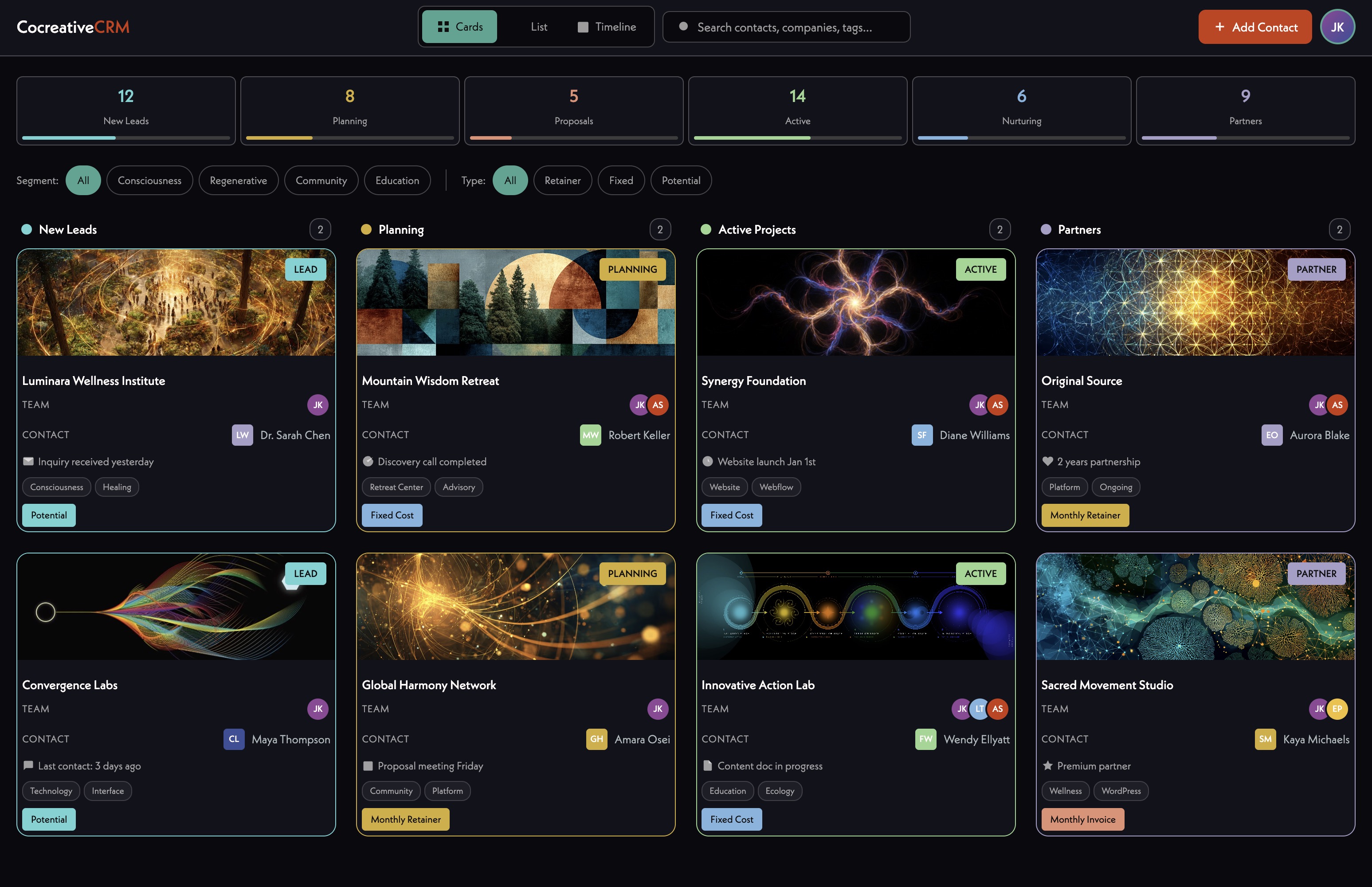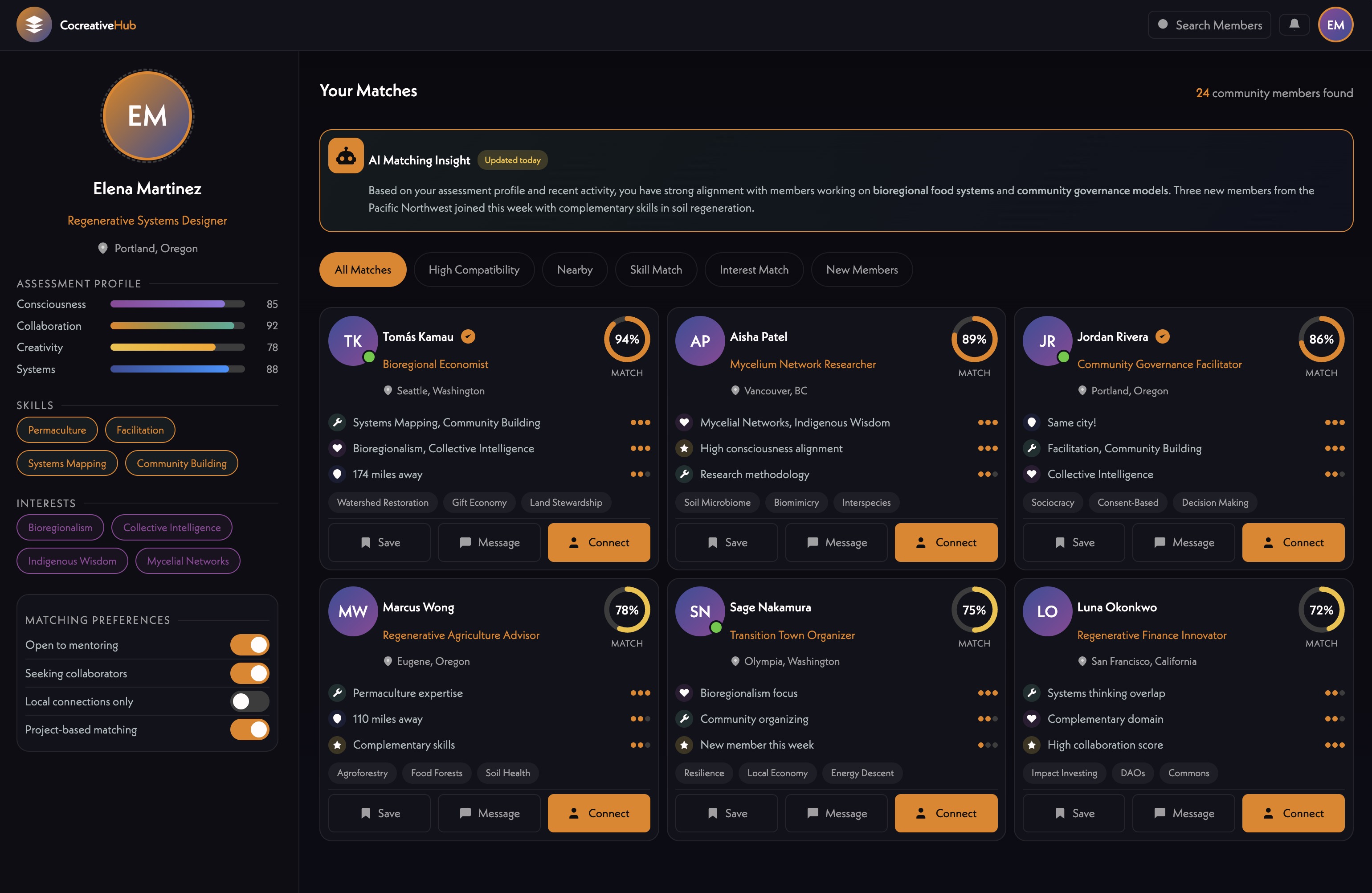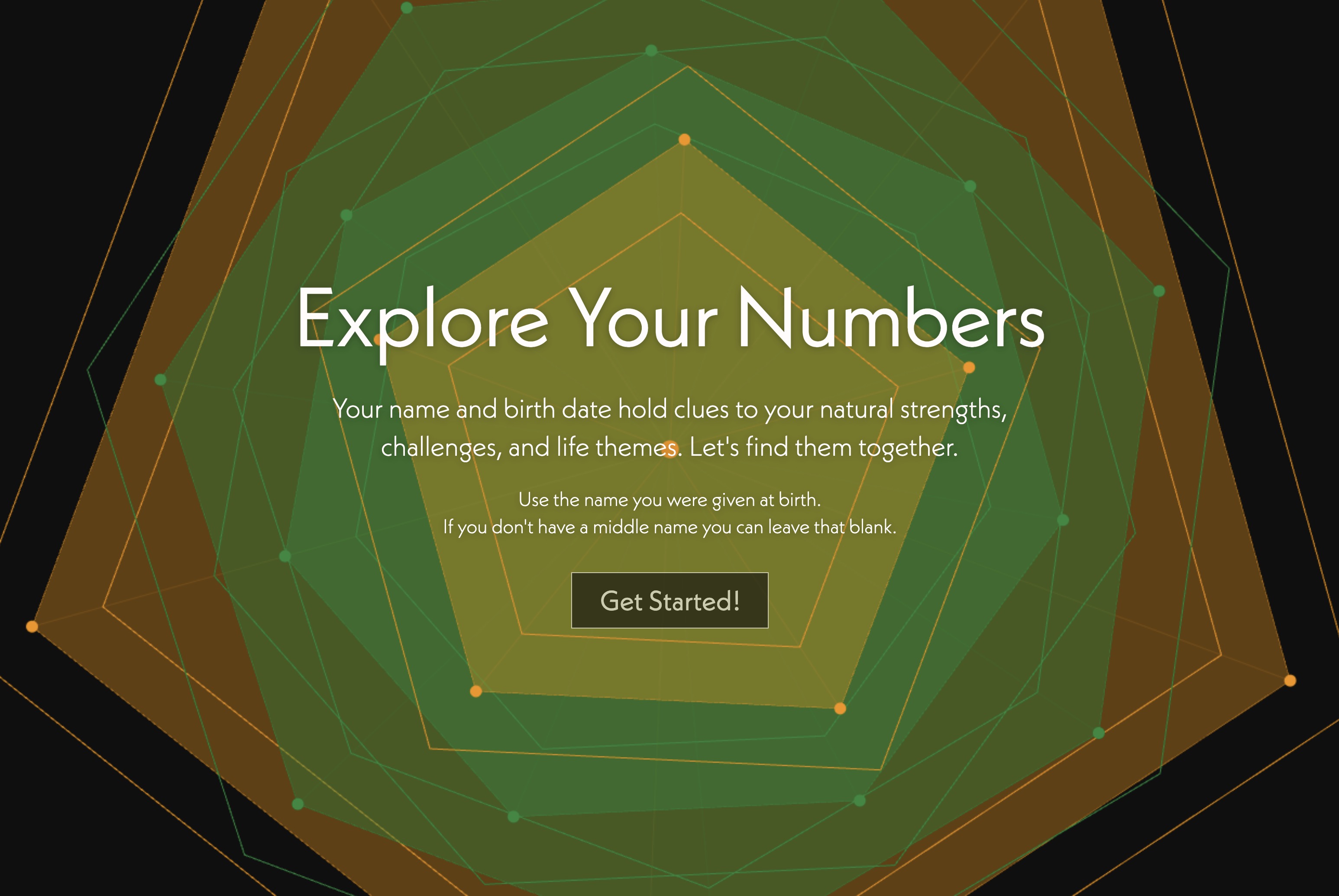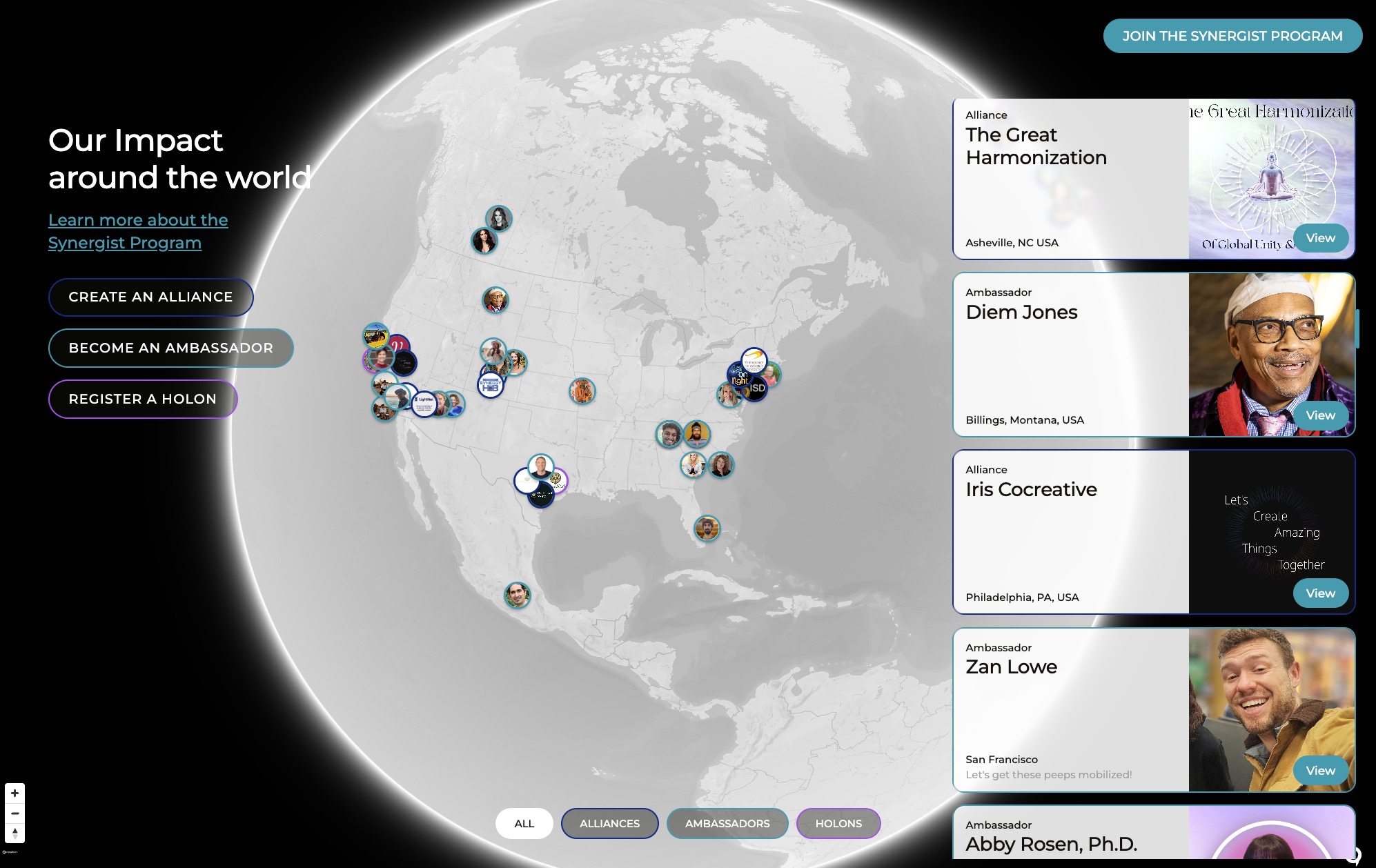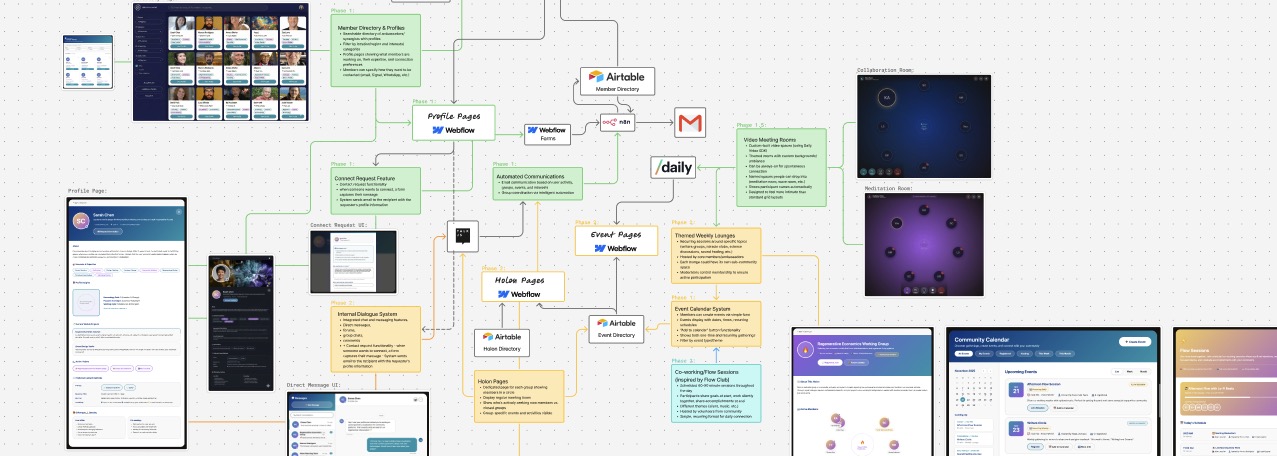




James Bolden (Redenbaugh) presented a comprehensive visual blueprint mapping the entire Holomovement digital ecosystem, organizing features by development status (built, in development, planned) and phases (12:28).
[technology="Directory Systems"]
[technology="Community Facilitation Tools"][technology="Video Conferencing Solutions"]
The blueprint serves as both a planning document and creative space for the committee to visualize interconnections and prioritize development phases.
Michael Shawn Conaway emphasized critical UX principles: simplicity over complexity, building from user certainty rather than clever ideas, and ensuring features are modular for future app integration (18:35, 21:47).
Laura Rose raised questions about clear user pathways through the platform and avoiding overwhelming users with too many options simultaneously (23:46). The team acknowledged the need to focus rather than "throw 50 things at people and ask what engages them."
The conversation converged on a simple, powerful flow: Individual Discovery → Connection → Collaboration → Action → Funding. This became the throughline for prioritizing features, with assessments serving as entry point and micro-grants as culmination.
James Bolden demonstrated how the AI-powered assessment prototype already automates personalized recommendations based on user responses and synergist profile data (40:15).
[technology="Assessment Systems"]
[tag="claude"]
Hera Rose clarified assessments function as lead magnets with multiple pathways: forming holons, joining courses, connecting with individuals, participating in purpose lab groups, or downloading partner apps (46:38). Each assessment result can trigger different user journeys based on their orientation toward collaboration, leadership, or community building.
Mariko Pitts emphasized these aren't just new features but responses to years of community feedback asking for connection and belonging mechanisms (31:13). The assessments deepen existing synergist profiles by adding numerology data, AI-generated recommendations, and purpose archetype information visible on the community map.
The platform leverages modern tools enabling rapid prototyping without heavy engineering overhead: [tag="webflow"], [tag="airtable"], [tag="daily-co"],[tag="talkjs"], [tag="n8n"] automation, and [tag="claude"] AI integration.
James showed working video meeting room prototype with participants joining simultaneously, dynamic circular layouts adjusting to participant count, and customizable backgrounds/themes (01:01:51). He also demonstrated an asynchronous group introduction tool where members answer questions via text and audio, creating engagement before in-person gatherings.
Mariko highlighted the transformative shift: "A lot of the stuff we're scheming up and dreaming is now possible because of AI and was not possible a few months ago" (55:04). Features can be tested cheaply through N8N [tag="n8n"] automations, evaluated for stickiness, and removed without significant cost if unsuccessful.
Michael Shawn stressed building features that remain evergreen and can bolt into future systems without redevelopment (21:47). The team agreed to design with eventual full app migration in mind, ensuring current web-based features translate cleanly to native mobile experiences.
The database architecture will support both desktop collaboration tools and mobile communication features accessing the same data with device-appropriate interfaces.
The platform addresses a specific gap: activists and synergists already in action need collaboration infrastructure, not motivation to act (01:16:23).
Mariko clarified that Holomovement attracts people already doing permaculture, planting trees, running initiatives who want to find aligned collaborators and access a unified ecosystem (01:18:23). Wave events spawn holons and hubs that currently lack a home platform to coordinate and amplify their work.
This insight shifts development priorities from broad spiritual seeker tools toward targeted collaboration features serving groups and movements already generating impact.
Michael Shawn identified the potential power of the full user journey: "Come find out about yourself, connect to other people, propose a project together, and actually get funded to do that project" (50:58).
Even without immediate funding available, the promise of micro-grants motivates participation. Start with small pilots testing ideas in local contexts over a weekend, build evidence of success, and create pathways to larger funding. This prepares groups to raise real money externally by demonstrating traction.
The grants can be gated behind membership and participation requirements (joining holons, engaging in conversations), creating intrinsic motivation loops while building community health metrics.
James emphasized the platform must serve groups and communities as primary users, not just individuals (37:54). Holomovement is positioned as a "movement of movements" providing home and resources for diverse projects to interconnect.
The product includes in-person Wave events as integral components, not separate from digital features. Development should increase value for Wave attendees before, during, and after events through:
Mariko referenced the "Mycelium network" vision where sovereign projects maintain independence while feeding and fueling the interconnected whole (55:04). Years of feedback inform this direction, but technology now exists to actually build it.
The platform will incorporate leadership development courses (Holomovement Course, Choose Love Movement, Purpose Lab) as evergreen offerings behind the membership paywall (58:48). These resources support users evolving from personal discovery to collective leadership roles.
[technology="Online Learning Platforms"]
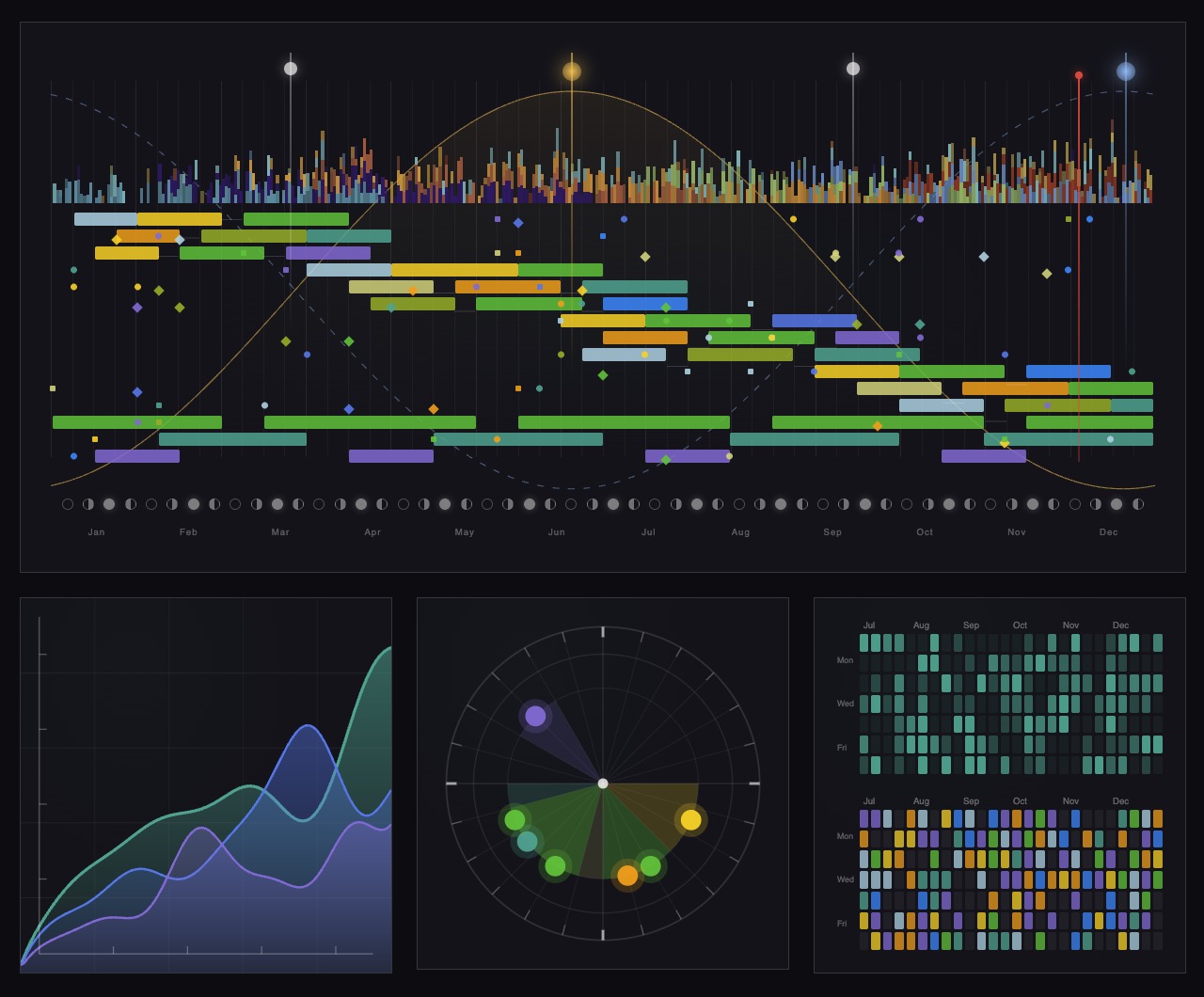
James expressed interest in creating tools for collaboration and action timing, showing a project management prototype built on Webflow [tag="webflow"] where teams can visualize work over time, not just in feeds (01:08:08). This reflects broader vision of helping groups coordinate and track their collective impact.
[technology="Time-Aware Toolsets"]
Laura Rose asked whether advancing web capabilities might reduce need for separate native app (01:11:34). The team clarified the multi-layered answer:
Michael Shawn explained an app is simply "a thing on my phone I click a button on" - web features can be containerized for app stores (01:11:39). The key is understanding which features belong on which platform:
Alex Melnyk emphasized global accessibility requires strong mobile optimization since many international users primarily access via phones (01:15:57). Demographics skew toward activists already using computers for work, but reaching younger, broader audiences demands excellent mobile experience.
The architecture will share databases between desktop and mobile with tailored interfaces per platform, avoiding duplicate development while serving different use contexts.
The team aligned on need for focused product roadmap defining top 2-3 features for immediate build with clear timeline and cost estimates (01:22:44).
James committed to delivering recommendations based on discussion, including technical scopes and tangible timelines for features he's confident can be built effectively (01:25:43). Cost estimates and development phases will be shared with Emanuel, Laura, Hera, and Mariko for resource planning.
Mariko emphasized starting with James's assessment of what's doable and sticky, combined with necessary enhancements to existing website features (01:25:37). The goal is tight development sprints with clear milestones leading to beta testing before the Wave.
The team acknowledged need for continuous feedback loops throughout development, installing multiple mechanisms to gather usage data and iterate rapidly (29:55). This adaptive approach prevents overbuilding while maintaining focus on high-impact outcomes.
James Bolden
Mariko Pitts
Hera Rose
Michael Shawn Conaway
Laura Rose
Emanuel Kuntzelman
James Bolden (Redenbaugh) presented a comprehensive visual blueprint mapping the entire Holomovement digital ecosystem, organizing features by development status (built, in development, planned) and phases (12:28).
[technology="Directory Systems"]
[technology="Community Facilitation Tools"][technology="Video Conferencing Solutions"]
The blueprint serves as both a planning document and creative space for the committee to visualize interconnections and prioritize development phases.
Michael Shawn Conaway emphasized critical UX principles: simplicity over complexity, building from user certainty rather than clever ideas, and ensuring features are modular for future app integration (18:35, 21:47).
Laura Rose raised questions about clear user pathways through the platform and avoiding overwhelming users with too many options simultaneously (23:46). The team acknowledged the need to focus rather than "throw 50 things at people and ask what engages them."
The conversation converged on a simple, powerful flow: Individual Discovery → Connection → Collaboration → Action → Funding. This became the throughline for prioritizing features, with assessments serving as entry point and micro-grants as culmination.
James Bolden demonstrated how the AI-powered assessment prototype already automates personalized recommendations based on user responses and synergist profile data (40:15).
[technology="Assessment Systems"]
[tag="claude"]
Hera Rose clarified assessments function as lead magnets with multiple pathways: forming holons, joining courses, connecting with individuals, participating in purpose lab groups, or downloading partner apps (46:38). Each assessment result can trigger different user journeys based on their orientation toward collaboration, leadership, or community building.
Mariko Pitts emphasized these aren't just new features but responses to years of community feedback asking for connection and belonging mechanisms (31:13). The assessments deepen existing synergist profiles by adding numerology data, AI-generated recommendations, and purpose archetype information visible on the community map.
The platform leverages modern tools enabling rapid prototyping without heavy engineering overhead: [tag="webflow"], [tag="airtable"], [tag="daily-co"],[tag="talkjs"], [tag="n8n"] automation, and [tag="claude"] AI integration.
James showed working video meeting room prototype with participants joining simultaneously, dynamic circular layouts adjusting to participant count, and customizable backgrounds/themes (01:01:51). He also demonstrated an asynchronous group introduction tool where members answer questions via text and audio, creating engagement before in-person gatherings.
Mariko highlighted the transformative shift: "A lot of the stuff we're scheming up and dreaming is now possible because of AI and was not possible a few months ago" (55:04). Features can be tested cheaply through N8N [tag="n8n"] automations, evaluated for stickiness, and removed without significant cost if unsuccessful.
Michael Shawn stressed building features that remain evergreen and can bolt into future systems without redevelopment (21:47). The team agreed to design with eventual full app migration in mind, ensuring current web-based features translate cleanly to native mobile experiences.
The database architecture will support both desktop collaboration tools and mobile communication features accessing the same data with device-appropriate interfaces.
The platform addresses a specific gap: activists and synergists already in action need collaboration infrastructure, not motivation to act (01:16:23).
Mariko clarified that Holomovement attracts people already doing permaculture, planting trees, running initiatives who want to find aligned collaborators and access a unified ecosystem (01:18:23). Wave events spawn holons and hubs that currently lack a home platform to coordinate and amplify their work.
This insight shifts development priorities from broad spiritual seeker tools toward targeted collaboration features serving groups and movements already generating impact.
Michael Shawn identified the potential power of the full user journey: "Come find out about yourself, connect to other people, propose a project together, and actually get funded to do that project" (50:58).
Even without immediate funding available, the promise of micro-grants motivates participation. Start with small pilots testing ideas in local contexts over a weekend, build evidence of success, and create pathways to larger funding. This prepares groups to raise real money externally by demonstrating traction.
The grants can be gated behind membership and participation requirements (joining holons, engaging in conversations), creating intrinsic motivation loops while building community health metrics.
James emphasized the platform must serve groups and communities as primary users, not just individuals (37:54). Holomovement is positioned as a "movement of movements" providing home and resources for diverse projects to interconnect.
The product includes in-person Wave events as integral components, not separate from digital features. Development should increase value for Wave attendees before, during, and after events through:
Mariko referenced the "Mycelium network" vision where sovereign projects maintain independence while feeding and fueling the interconnected whole (55:04). Years of feedback inform this direction, but technology now exists to actually build it.
The platform will incorporate leadership development courses (Holomovement Course, Choose Love Movement, Purpose Lab) as evergreen offerings behind the membership paywall (58:48). These resources support users evolving from personal discovery to collective leadership roles.
[technology="Online Learning Platforms"]
James expressed interest in creating tools for collaboration and action timing, showing a project management prototype built on Webflow [tag="webflow"] where teams can visualize work over time, not just in feeds (01:08:08). This reflects broader vision of helping groups coordinate and track their collective impact.
[technology="Time-Aware Toolsets"]
Laura Rose asked whether advancing web capabilities might reduce need for separate native app (01:11:34). The team clarified the multi-layered answer:
Michael Shawn explained an app is simply "a thing on my phone I click a button on" - web features can be containerized for app stores (01:11:39). The key is understanding which features belong on which platform:
Alex Melnyk emphasized global accessibility requires strong mobile optimization since many international users primarily access via phones (01:15:57). Demographics skew toward activists already using computers for work, but reaching younger, broader audiences demands excellent mobile experience.
The architecture will share databases between desktop and mobile with tailored interfaces per platform, avoiding duplicate development while serving different use contexts.
The team aligned on need for focused product roadmap defining top 2-3 features for immediate build with clear timeline and cost estimates (01:22:44).
James committed to delivering recommendations based on discussion, including technical scopes and tangible timelines for features he's confident can be built effectively (01:25:43). Cost estimates and development phases will be shared with Emanuel, Laura, Hera, and Mariko for resource planning.
Mariko emphasized starting with James's assessment of what's doable and sticky, combined with necessary enhancements to existing website features (01:25:37). The goal is tight development sprints with clear milestones leading to beta testing before the Wave.
The team acknowledged need for continuous feedback loops throughout development, installing multiple mechanisms to gather usage data and iterate rapidly (29:55). This adaptive approach prevents overbuilding while maintaining focus on high-impact outcomes.
James Bolden
Mariko Pitts
Hera Rose
Michael Shawn Conaway
Laura Rose
Emanuel Kuntzelman
Assessment system with AI-powered engagement features feeding automation workflows. Data from assessments, clicking patterns, lesson completion, and call attendance triggers personalized communication including immediate tailored emails, weekly progress updates, connection recommendations based on profile matching, and proactive check-in offers when engagement drops. Guatemala-specific assessment page created requiring customized copy. Current synergist directory demonstrates existing assessment capabilities: members complete form triggering automated n8n and Claude AI analysis of responses about purpose, projects, and ancestral wisdom influences. System generates personalized feedback and recommends connections to other synergists based on compatibility, facilitating introductions via email without exposing addresses. Also suggests relevant podcast episodes. No-login approach removes participation barriers while enabling intelligent matching and communication. Strategic shift to progressive engagement model: members start with basic five-minute profile setup (name, website, purpose statement, location), then complete more detailed assessments later. Each completed assessment adds elements to profile and unlocks new features. Gamification includes AI-generated icons, tarot card archetypes, or numerology graphics appearing on profiles as users complete different assessments. Incremental assessment launch strategy releasing new assessments every week or ten days leading to Wave event, using Ripple gatherings and Miracle Club to promote participation. Partnership opportunities with experts for themed assessments (Don Beck for Spiral Dynamics, Vedic astrologer for astrology, iOS Zone of Genius team for their assessment). Critical reassessment of assessment strategy prioritizing basic intake form capturing most important factors: development level, experience, life stage, purpose, and current needs as primary assessment for matching foundation. Systems like Gene Keys and numerology recognized as requiring belief in astrology/numerology to feel relevant, limiting universal applicability. Focus shifting to actionable, practical data enabling computational matching based on clear criteria rather than archetypal personality typing. When matching collaborators, users need to understand skills, experience, current needs, and project involvement rather than personality scores. AI-driven matching requires developmental stage, experience level, project involvement, and specific needs to avoid misaligned matches like pairing serial entrepreneurs with college freshmen. Meeting confirmed approach of using simple 1-to-10 scale assessments for numerical scoring and spider graphs but deferring complex compatibility scores for MVP. AI interpretation via Claude for free-text fields and nuanced alignment, direct computation for explicit matches like shared affiliations or complementary skill requests. Michael coordinating with Emmanuel on potential assessment questions to gauge user alignment. Team now planning 5-6 domain assessment (5 makes pentagram shape, 6 makes star shape) using simple multiple choice format outputting 1-10 scores per metric with spider graph visualization (37:24). Demonstrated working client assessment as reference - multi-screen flow with logic-based classification, no agentic analysis required. Key design principles: spectrum-based framing rather than qualitative scoring ('does this sound like you or not?' vs 'how good are you at this?'), questions should feel neutral and interesting to avoid test-taking bias (MMPI/Myers-Briggs problem of answering how you want to appear), completable in 10 minutes or less, more candidate questions per domain than needed for culling weak ones (40:52, 48:29). Mariko advocated for including at least one fun gift-like assessment (e.g. numerology mandala tool) people would do for the experience that enriches profile organically without feeling like data extraction (41:56). James floated longer-term vision of garden of assessments users can choose from with power to decide which assessments inform matching - astrological/numerological inputs become opt-in rather than default. New numerology mandala tool demonstrated building visual in real time as user types, team expressed integration interest (43:44). Michael Shaun starting shared document immediately with candidate domain names and draft questions for team review, holding internal review with Hera before broader socialization (40:52, 52:43). Working prototype built with five-domain assessment featuring slider-based positioning system across spectrums (22:37). Five domains: Holonic Worldview (separative/analytic to holistic/integrative), Purpose Orientation (exploring/emergent to directed/activated), Pro-Social Stance (deep one-on-one to community-wide/systemic), Collaborative Capacity (independent to collective), Time Horizon (near-term to long-arc/generational). Results render as nine-pointed spider graph and bar chart. Slider format keeps assessment accessible without overwhelming users (25:36). Community-level visualization capability floated - overlaying 100 profiles to reveal collective orientation of holons or comparing holons against each other (29:17). Next development step: adding archetype outputs (e.g., 'super connector') with brief descriptive text for each result profile. Assessment data feeds optionally into matching algorithm with users able to decide matching criteria when requesting analysis, though some default criteria apply automatically (36:00). Prototype ready for Holomovement team Thursday meeting demo (40:46). 03-31 meeting revealed spider graph assessment essentially unreadable without tutorial - 19 items across overlapping axes makes results incomprehensible (10:54). Team verdict: spider graph is good eye candy but doesn't deliver snapshot value. Simplified one-question assessment with triangulation output confirmed as right path forward, not using spider graph format (14:58). Working prototype committed for following day. Michael Shaun flagged standing to-do: writing one-page descriptive blurbs for each assessment area so AI can return robust grounded responses to user queries - Google Doc format for now (57:04). Mariko testing showed assessment accurate and trustworthy, validating credibility needed for matching layer to work for new users. Assessment confirms what users intuitively know about existing relationships, building trust for recommendations with unknown people (46:52). Beyond individual matching, assessments help working groups understand collective makeup - team strengths, shadows, support needs, leadership roles. Positions tools as ongoing collaboration infrastructure rather than just onboarding features (51:14). New triangular assessment visualization mentioned in meeting at 57:00 as co-designed by James. Assessment now functional with improved output format and ready for core team onboarding (meeting 05-04).
Custom learning management system (LMS) development on Webflow enabling self-paced courses, video content, progress tracking, quizzes, and certifications. Strategic decision to build custom LMS rather than using Boldly or Thinkific to support live-to-evergreen content workflow and global product sales. System requirements include real database for user progress (not cookies), journal entry capture, API triggers for membership status and course purchases, and progress tracking across sessions. Decision made to build on Supabase backend rather than Member Stack for authentication and data management. Phase One budget $16K-$29K with commitment to higher end. Development timeline six weeks: weeks one-two for Supabase foundation and user dashboard connected to Webflow CMS, week three for Stripe integration and membership access control, weeks four-five for testing and email integrations, polish and testing complete by January 25th for February 10th launch. Three-tier collection structure: courses, modules, lessons. Content authoring process uses detailed scripts functioning as recipes specifying exact interactivity types (checkbox, multiple choice), interaction flows, and content sequencing aligning activities with content flow rather than separate homework sections. Format supports live-to-evergreen workflow ensuring technical structure supports global sales rather than just live delivery. Team using themselves as first test group to validate system with real-world use cases before broader deployment. Authentication spike establishes foundation with Supabase login functionality on MAST template implementing user profiles, password management, and session handling. Backend successfully operational with membership login and content gating complete. Profile editing integration in progress to connect with directory system. LMS moved back to active priority to support Choose Love course launch with Boldly course content as test videos for validation before committing to Choose Love timeline. Development continuing at reduced pace while directory system remains primary focus.
00:00:05
Michael Shaun Conaway: It decided to become really cold.
00:00:08
Alex Melnyk: Well, winter set in. I'm not ready for it. Yeah, really?
00:00:13
Michael Shaun Conaway: Not only that, but it's dark, you know, like it gets. It's getting dark by 5pm it's not light out until 8:30.
00:00:21
Mariko Pitts: Yeah, it's like the worst part of like the transition. We're all like, oh, we're so active, yet everything is calling us to turn in and eat, you know, ice cream on the couch. And it's like, no, I can't do it yet.
00:00:32
Michael Shaun Conaway: Well, here in the Netherlands, it's. It's kind of cool because it.
00:00:36
Mariko Pitts: The.
00:00:37
Michael Shaun Conaway: They have this. This word called. Which means healthy and cozy at the same time. And so winter time is when they. All the restaurants say, look, the. This. The window panes kind of frost, get a little bit of steam on them and everybody's inside and it's kind of this very fraternal or family kind of feeling inside of the restaurants as everybody's getting away from the dark and the cold. Hey, Emmanuel, how are your eyes?
00:01:06
Emanuel Kuntzelman: Oh, thank you for asking. Actually, they're much better. I just had my last visit with the eye surgeon today and she gave me the all clear to travel and have fun and see the lights.
00:01:22
Michael Shaun Conaway: And they replace the lenses that they fixed your vision. Are you seeing better?
00:01:28
Emanuel Kuntzelman: Literally, a little better. What they managed to do is put in lenses. I had a problem in both eyes, so it was a little bit delicate, but they managed to work around that and get rid of the cataracts and put in new lenses and give me some advice on the rest of this stuff. It's still improving, but I would say right now I'm. Well, I see more light, so that's much better and more colors. And the clarity of my vision, I think is actually a little better than it was before. So it's all wonderful.
00:02:06
Michael Shaun Conaway: Thank you. Congratulations. And your eyes are still blue and looking delightful.
00:02:10
Emanuel Kuntzelman: Change your color. You know, I asked for a bright orange. I thought that'd be kind of.
00:02:17
Michael Shaun Conaway: I didn't do that for you.
00:02:19
Emanuel Kuntzelman: That wouldn't go through, so. So, yeah, we'll stick with blue for now. Anyway, good to see you.
00:02:28
Mariko Pitts: Hey, welcome, everyone. Yeah. Hey, James. Hey, Laura. Look, this is a little. This is a great group. I just called everyone that I could. I put the bat signal out and everybody came and I was like, this is this moment to like, we are gathering. There's so much going on and like, I think you all know her. And I have been communicating with James a lot and going over some of these plans. And I had a meeting, a great meeting with Alex and Michael and we're all on the same page and understanding. It's like, okay, everyone's had this ecosystem document and this really I wanted to get a start. I actually invited Daniel to bell chamber. I'm not sure if he can make it. And also Zanka, but what I'm doing is pretty much putting together the showcasing of a committee who's really going to be holding, seeing, sensing, adding input, clear strategic input, not broad scope type stuff. This is real dive in because we're action oriented group of implementers here as we blueprint and then design and develop this thing. So really it's just all the amazing minds here. Like I said, Zanka and Daniel will probably be additions to this. So. But I really wanted to get this group together and just get on the same page because a lot has happened since, you know, things that were looking at were boldly and then, you know, Daniel's perspective and that document he sent. And then it's like James and I and Hero have been looking at stuff that we've already been talking about from months and months ago that we're now saying, okay, you know, based off of the group feedback and the app seemingly a bit too much money right now. We're wanting to see a little bit more of action and funds and community activate it first before we take a bigger leap into a bigger investment. We said, okay, let's go with this bridge web, you know, base membership portal first and what can we add to it and what can we do now? Especially given that we have a very short Runway to get this up and going, get beta groups in there, open it up a bit more and we want to all do this before the wave, so. So I'm hoping we all work together in this, a new shiny box here of this committee to get into action. And of course like, you know, it's optional for manual or if you want to pop in wherever you can. We're going to keep you obviously very updated, you know, as everything is going on. But I totally want make sure you're on the committee. I'm just saying you don't have to show up to every one of them. But we're going to make sure that everybody, even the core team gets full updates as we have significant kind of mile. We hit these milestones as we're building something. So. But I wanted to make sure that everybody was here at least for the first run and then give James really a big opportunity to kind of go through A lot of what he and 9 Hera really discussed last time. Give everybody some space to really just add questions, you know, as we formulate and figure out what this layer two looks like and what that means and what we can immediately kind of add. I know. I think everybody has done the assessment or at least the first assessment. I'm not sure if Alex or Michael have done the numerology assessment yet. Have you guys?
00:05:27
Michael Shaun Conaway: Actually, I didn't do the numerology one. I just did the.
00:05:30
Mariko Pitts: Okay, that's very cool. So we can send you, we can put the link in here in the chat. It only takes a couple minutes, but. And you can read through it. Hera, could you throw that in there? But yeah, I just want to open the floor maybe. James, you want to start say a few words? Anyone? Hera?
00:05:45
Hera Rose: Anyone?
00:05:45
Mariko Pitts: If it's open. Open floor here. I think also maybe we do a round of quick introductions. Specifically James, Alex and Michael. Why don't we do that first?
00:05:57
James Redenbaugh: Sure.
00:05:58
Michael Shaun Conaway: I'll introduce myself. I'm Michael Sean Conaway. I may leadership expert and technology expert and a thought leader and spiritual teacher in my own right. I have been working in educational technologies really for 25 years, including large scale LMS platforms fortune 500 companies, leadership programs, et cetera, and have had a software company that's not a software development company, but running software company that develops software for learning for gosh. I think we did our first big project in 2003. So a long time. Yeah. And my Alex Malik is my partner in those businesses and a producer extraordinaire. You can say a little bit more if you want, Alex.
00:06:53
Alex Melnyk: Well, I'm just going to say ditto. And I just make all his creative ideas come to life to make sure.
00:07:00
Michael Shaun Conaway: I, we deliver on what I say.
00:07:04
Alex Melnyk: Yes. And tell him off when he's gone off the deep end.
00:07:07
Michael Shaun Conaway: In other words, when I start adding more features than we can afford.
00:07:11
Mariko Pitts: Yeah.
00:07:12
Alex Melnyk: Because that's what we care about is always like keeping clients happy and just doing the best we can. I would just add that all our work has been focused on, you know, projects for good. Good for the people, good for the planet. That's kind of been our main focus probably in the last 25 years that we've done. We've done everything from television commercials as well on the production side to if we made a feature doc that has won a bunch of awards called We Rise Up. It's in the transformational space. So this is. We're just really excited to be Part of this conversation with you today.
00:07:55
Mariko Pitts: I guess.
00:07:55
Alex Melnyk: James, you're next.
00:07:57
James Redenbaugh: That's me. Awesome. Really wonderful to meet you both. I've been learning a bit about your work and what you guys are doing. And Michael, every time I fill out the assessment I created, it recommends I connect with you. So I'm glad that we're connecting here. Literally every time I did a test, you know, it would give me four different ones, but you were usually on there. And I'm James Redenbaugh, but actually I got married in September and my wife and I are both changing our names to Bolden, which is a combination of our. Our last names. So feeling the. The bold. The Bold train and excited to make some bold moves. I'm very similarly working with conscious organizations. My agency is called iris, which is a metaphor, but also an acronym for intuitive, relational and intersubjective. And all the organizations we work with are operating in these domains of relationship, community, and activating the space between us, the we space, making things happen there. And Hollow Movement is a excellent example of that. And my team has built the website for them through various iterations. We've also done the Purpose Earth website and directory and Emanuel's website and back in the day, the Global Purpose Movement and Purpose Summit stuff going back almost 10 years now. And yeah, my team is around the world. We bring in different people for different projects. It's very distributed and modular. And I'm here in Philadelphia for the time being and happy to be a part of this conversation.
00:10:19
Mariko Pitts: Great.
00:10:20
Michael Shaun Conaway: Fantastic. Seeing somebody doing this work and making a business go out of it, you know how hard that can be sometimes.
00:10:30
James Redenbaugh: It's been through many iterations. Iris was founded, I think four years ago. Before that it was called Montaya and were also doing events and co living retreats and co living facilitation around the world. So I know there's some overlay there as well.
00:10:57
Mariko Pitts: All right, amazing. Okay, so why don't we dive in? Because like I said, a lot has happened. And James, I know I can probably share some of the summary from last call. I think some is appropriate, some was a little bit probably not appropriate for this call, but we could definitely share out a lot. But we could also talk through a lot of what's happening and maybe and I actually haven't even had a conversation with James yet around the ecosystem document that might have actually fleshed out more of what we could potentially do or. And he hasn't even shared a lot of the things that he had. The amazing, you know, epiphanies about too, because I know that something you had some new technology pop up that was like just Monday or something. So that. So I think what we could do is maybe, James, if you feel comfortable just sharing over broadview of what we've started with, and I think we can use the document as well as reference to see, you know, I think we've all well read it at this point to kind of get an idea of what we're looking at for really around what layer two looks like for the build. But we can really kind of really speak to that. And maybe, James, we could also incorporate a bit of what the website represents now and then all of the components that we've already developed that is moving into, naturally into the evolution for layer two of what that looks like for this membership platform. How does that feel? Unless anybody has any questions ahead of time or suggestions on the agenda, all open to how this could flow.
00:12:28
James Redenbaugh: Okay, good, great. So I'm going to share my screen here, actually. So I'm a very visual person and this might look like a tangled mess, but there's a logic to it, I promise. I've been taking artifacts from our conversations and also that very comprehensive document that you shared, Mar, and starting to build out a sense of what, of the whole, of what we're actually talking about and what it can look like. And so this is a document in process. I want to dig in probably at a later time more into, you know, which features are going to go into which phases and what can this look like in a timeline. But I can share this as well and hopefully it will serve as a creative space we can use for visualizing what we're talking about and seeing the different aspects. And I use this color coding system just to show what's, you know, what's already built, what's underway, what's an idea, what's being, you know, actively being planned. And then there's little labels on these things where I'm noting what phases things are or what are we actually looking at. So a big aspect of what we're talking about is the community page. There'll be a few parts of that. One big part being something that's already built, which is the interactive map and the profiling system that's connected to that. Of course that can evolve and we can add more features, but that's a great asset that we already have. And then a couple things that are already in development are a directory interface where we can see and search all the profiles of Synergists in one place and filter in different ways and then actually view people's profiles, see who they are, see what they want to share about themselves, things like that. For that we're going to need to enable, you know, editing and access in some way or another. Right now the profile creation is a one way street. You fill out a form and you end up on this map. But there's no way to really edit things. So we can build that out and then we're talking about more complicated things like a messaging system. I'm figuring out how to do that with services like Talk js. We can build that in, we can talk about when it makes sense to activate things like that. Group chat and whole on facilitation features both live on the website and automations that we create using tools like N8N to help facilitate communication and collaboration in groups. And you know, profile directory is one thing but also you know, a whole on directory, a whole on creation system alliance directory is another. We've talked about pages for those holons. There's some mock ups for that here. We've talked about themed weekly lounges mocking up what those can look like here. You guys have shown an interest in my radial interfaces. I'm a big fan of those. Seeing people in circles. We've talked about video meeting rooms using Daily Co as a SDK. We figured out how to do that. Here's some mockups for some different rooms in there. And of course those can evolve over time. And then of course simpler features like community calendar. How can people create and manage events? What kind of events do we want to have on there? How do we view those events? How do we enable people to become editors of those without needing them all to be webflow designers, things like that. Hera has these ideas for these flow sessions as well. So I did a little UI mock up of that what that could be like. So yeah, not to overwhelm the space with too much information, I mainly just wanted to introduce this document and invite this committee into it as a way to kind of lay out non linearly what we're talking about here as a accompaniment to the word document. So yeah, I'm curious what questions ideas might be present. Starting to see that. Where should we go from here?
00:18:00
Mariko Pitts: Well, that was beautiful. I would love to hear from Michael, Sean, maybe Hera, what do you think? Because I, yeah.
00:18:07
Hera Rose: Actually this was the first time I saw this. So I'm like it's beautiful. I just want to say that Everything that you create, James, is beautiful. I'm currently taking it in and I'll, I'm sure I'll be able to say something in a few minutes.
00:18:21
Mariko Pitts: But thank you so much for all.
00:18:22
Hera Rose: These work you've put together in a week.
00:18:25
James Redenbaugh: Sure. Yeah.
00:18:27
Michael Shaun Conaway: I mean there's a lot of, of features there.
00:18:32
James Redenbaugh: The.
00:18:35
Michael Shaun Conaway: The, the thing that's complicated is, or it's all complicated right now. The thing that's challenging is how to make it simple. And what is the, you know, what are the most likely use cases for people to want to engage in? So, you know, some of these things like, you know, virtual circles and things like that are great ideas if they can be tested out really inexpensively because, you know, you've probably run into this James, where you develop something you think is going to be really cool and nobody ever does it, ever. Or so little. You're like, oh my God, what was I thinking? And I think so. So the question I have is what are the things inside of there that there's a super high certainty that people are going to want to interact with them? And not only that, but if I told them about them in a sentence or two, they'd be curious. For example, hey, I got this numerology thing. You just pop your birthday and name in there and we're going to spit out a whole bunch of stuff. It takes about three minutes and you're going to have this. All the things you ever wondered about numerology are going to be answered to. But that would be something that I would go do. I did it actually in the two minutes before you started presenting.
00:19:42
James Redenbaugh: Right.
00:19:43
Michael Shaun Conaway: And I think when I look at that, what I, what I see is a bunch of narrative challenges like how do I talk about this in a way that somebody be like, yeah, I'll take some time to go do that. So I mean, I think that the, so the complexity is delightful in the sense that you're looking to answer a bunch of these questions. And then I'm like, well, what is it that's going to get people to do something, you know, like what is it? That's really. How do we separate what's useful from what's clever? So that's a, that's the first reading on things. And that can come about through a lot of, first of all, just, you know, paper ux and then what would happen and then what happened and then trying to see if you can create some kind of flow that would be easily accessible by people. And then the second thing is just looking at the different mix of technologies and stuff. Like what is. You know, we've done a lot of work in hybrid development with lots of libraries and lots of toolkits and whatnot, but we know how challenging it is to con, to integrate all that into one hybrid app at a later date. So, like, how that goes. And then finally I want to say is, you know, most of the time I would start with UX long before I started with solutions. So that's kind of the, that's my approach of things. But I think in general, just getting things up on the board, getting things in space so you can start to confront what are they, what are the. What does it take to develop them and what is the likelihood they're going to be the kind of key driving features that people really interact with is, is great. So good job, James. Good, good place to start.
00:21:24
James Redenbaugh: Awesome. And yeah, I think that's really the core question we should be asking is what's the simple thing that's going to be really enticing to start people using something and start getting feedback and see what's valuable and then grow it from there.
00:21:47
Michael Shaun Conaway: One thing I like is if we can do that and then we can build them in such a way that they're modular so they can be bolted into something else at a later date, then they're evergreen, valuable if we. So make sure we don't develop anything that later has to be redeveloped to fit with something else.
00:22:04
James Redenbaugh: Totally, Laura.
00:22:06
Laura Rose: Yeah. So thank you. I love looking at this. Well, three things. One is, you already addressed, Michael, which was how would this translate into an app at some point going forward? And you know, how might that look? One of the things that I'm really interested in knowing. And you brought this up, Michael. Shawn, a while back, and I thought it was a very compelling comment and something that certainly makes sense. If we're talking about this now on a website. Is, is it clear right now? And I got the impression you didn't think so, Michael, and that maybe there was a way to work on this so that when you enter the website, there's sort of a clear path of. I'm looking at the website now I'm going to this, now I'm going. Rather than sort of a bunch of tabs like how can there be sort of a compelling pathway that we take through the whole thing. And the third thing was you also brought up which is sort of taking it in modules and seeing what really sticks. Because one of the reasons why we felt like we should postpone on doing something with boldly and the app was that we didn't feel that we had the community yet to engage and that maybe, I mean, estimates were. And maybe this was lowballing. It was like 50 people that we knew that would really get on and test it for us and be there for us. And so, you know, figuring out sort of the pathway that we would take to make that happen.
00:23:44
James Redenbaugh: So.
00:23:46
Laura Rose: All questions and no answers?
00:23:50
Michael Shaun Conaway: No, but I mean, I think that the answers are kind of present to a certain degree. And that's a little bit about, like, what is. Like, there's two Mark Twain quotes come to mind. One is, put all your eggs in one basket and watch that basket. The second one is, I would have written you a shorter letter had I the time. And so, in a way, if you want to find out what engages people, don't throw 50 things at them and say, what engages you. Like, make a bet on something and see if you can get people to engage with that and don't confuse them. And if you get successful with that, then you can say, hey, if you like this, then how about this? And you can begin to add on to those features. If you don't develop too much too quick, then it does become confusing. And so I think a lot of the challenge is to begin to create and write user journeys that can be verified with users before development happens. Is a great way to do it. Just say on an interview, like, if I gave you this choice, would you do something like that? If so, why? If so, why not? And you could even go to design elements where they think they. They look at them and say, would you click on that? And just to try to figure out, you know, not from us and our imagination, but figure out what's really living in people. And then you. Then you kind of build from strength to strength.
00:25:19
James Redenbaugh: So.
00:25:20
Michael Shaun Conaway: But I think. I think James kind of has that. That probably in his mind as well. Like, what is. What is the thing you would want me to do first? And what was the thing that would be the most valuable?
00:25:31
Hera Rose: Okay, like to. I'd like to speak as well. One helpful context that I think would be worth noting in this call is that everything that James has put together now is a result of feedback that we've already gotten from the core team and all the things that we wanted to test based on things that we've tried to do in the past, specifically, like the bonfire circle those circular meeting rooms that came about because one of the things that we plan to do to implement within the Synergist program, a weekly lounge where different members of the core team will organize like a one hour session, whether it's chill organizing a writer's hour or like Yasmin maybe doing a virtual tea session or like Susan also like doing like a, like another like a miracle session, like a mini miracle session and so on and so forth. We want it to be a regular thing and we thought it would be a nice addition to the community to bring people together on a regular basis. So that improves like stickiness within the community. Also I totally appreciate your comment about making sure that it's we're not doing everything all at the same time. And like it looks like we are. But yeah I and also even if you look at the level the phase two document was it phase two level, the level two document of the HOL Movement ecosystem document. There's really a lot of priorities there. But one thing that we also know is we don't, we won't try to do everything all at the same time. Although it looks like so many things. The goal is to not try to start the entire startup all by itself because we wouldn't want to burn time, money and focus trying to do all of this all at once without with nothing feeling world class. So the goal is to like pick like you said definitely like pick what works. What we think would be a good first bet and our roadmap for that is to follow the natural flow of the Synergist communities. Say definitely there has to be clarity on who are the top two to three primary user types for the first 12 to 18 months or even short term in the weeks and months leading to the Wave and what are the exact jobs to be done for each. Say there are people who would ask I came to the Wave not what maybe we could think about what offering we could include in the app for that type of question. Or like I'm a whole Holland, I'm a holon leader. I need people and resources. So that's one of the things that we think about that we want to be included in this experience right now. Or like say I'm a funder and I want to see impact. Definitely that's one of the things that we want there. So for our, for. For this for this phase our goal is to like I could see for example Wave attendees is one Persona, one user Persona Synergist is another user Persona. Donors is another user Persona. From then on, really mapping out the user journey is a never ending process. I was part of this process when I was part of a tech startup in New York where we actually map every single page in an app in a Figma board and you could zoom it in, see every single thing. Like it's like in a flowchart. Like if the user clicks. Yes. What. What's the page that it leads to? And like, and like the goal is to really map every single notification, every single page, every single button and every single sub pages to know which ones will make people keep coming back and go amplify that or go keep doing that within the page. But it's easier said than done and it will definitely take the best way to. The best way to really validate that is by really making sure that we've installed all these ways of gathering feedback within the community. So like feedback loop has to constantly be churning all these information on a regular basis so that we could constantly improve on this with everybody.
00:29:55
Mariko Pitts: Cool. All right, I'll jump in real quick because there's a lot that just popped in. So I think it's. I think it's really good to note that what James just showed us was every process in the linear blueprint and that there were essentially like three things that we just said were going to implement. I mean it's not much in the scheme of it we. I think it's also clear to know that the map is something that also on its own needs to be evolved and already had plans to evolve. And a lot of what you were seeing were just a new elements of profiles at their next evolution that they need to. What needs to happen. Like they already store an airtable. We're talking about new forms. Right. And new data that store behind that. That's not a lot of crazy development. This has to happen with just the evolution of the basic phase one or layer one of our website. The additional things like assessments and numerology and things like that are lead magnets that are campaigns that lead you and draw you to our website to do and capture that community. Because we know that self personality tests are huge in the market. People want to know about themselves. It starts with the individual level. When they get a little taste of knowing a little bit more about themselves, it drives them into what we would then put them into a collective journey, which is what we do, collective purpose and move them to something. So these are all lead magnets. Every assessment that we design are lead magnets that drive you to our website before a paywall which then moves you deeper into behind the paywall. And behind the paywall are communications. And this is where chat functionality we're designing trying to figure out group chats. We do realize based on the feedback that the majority of our audience wants connection and then it leads to belonging. If you capture connection and belonging and you already have ways to catalyze that where people connect and then you don't have a place to funnel them. This is that answer. So this is answer already to community feedback. A lot of it. It's essentially they want to collaborate and they don't know how to do that together. And it's as simple as James as a group with Asheville that came out of the wave that they're collaborating and doing a meeting and meetups. But it's not within an ecosystem, our ecosystem. There are a lot of impact of the whole of it that's happening that you just don't see. Just you know what Laura says, it's like there's maybe 50 people. There's a lot more than 50 people in our community that are active and are having ripple effects and just don't know how to play in our ecosystem that we just need to bring in, you know, and James is one of those, you know, just by going to a wave, he's actually in a group of people who are actually that spawn because of a wave. There are holons, there are hubs because of waves. We need to bring them in and what we're seeing through that's all feedback is connection, community and belonging. And you need to bring them together. So what we've created was the basic through line of what's that first step of how do we have connection which we already established. People are already like minded communities which we've said that we're creating and we're. When we bring them together and then we need to have them connect outside of an event and that's essentially what we design. And the most simplistic way that we're looking at assessments for bigger audience to come in, but also it enhances your current portfolio. If I do that numerology test, that synergist map that you just see when you look on someone's face literally has it can have their numerology information there. The AI assessment that we're attaching to it that we now have, the assessment prototype that you just did also shows you recommendations to different people. The more that person in the question it finds out about you, the Deeper. The personalized recommendation is to the other people in your community. And that is something that no one has done. And the aspect of community and a movement building. So this is very sticky from what the audience, our community already wants and what has been asking for. And these are things that we have prototypes that we're working on right now. I think it's really clear to notice that even the room, the lounge and circle rooms, I think if James has it, he can show you his prototype. This isn't just something we dreamed up of. These are actual interactive rooms he's already designed. And so we can look at what that MVP would look like to bring in. Just like his numerology assessment, everything can be altered. But these are all. And somewhat beginning prototypes that we're looking at that are already based off of community askings and feedback, which has been years of. This is not just like. I just need to reiterate that. This is not like we just picked up feedback in the last month just from one focus group. We've been picking up feedback for a long time, you know, and then figuring out what's that next step. The first iteration of the synergist map is a reflection of first community feedback that we've gathered. And people love it. They just want to know what's the next step of what to do. So. And we stopped pushing it because we are developing out what a synergist program would look like if you join and become a synergist. What comes behind it? There's no membership. I mean, there's no membership there. There's no donation profile. And we need to actually add that. Where is the donation aspect to that come in. There's campaigns that drive that. So I think if you go back even to the visual of what you designed, James, there's essentially a few items here that we're integrating and there's more that are being developed off of layer one, which is basic holomovement website. And then there's the layer two, which is the communication aspect, AI integration, and then deepening assessments that bring more matchmaking into the scheme of things. So it's not really much in the scheme of things. We didn't add a bunch of other many layers of things. This was just literally the blueprint of what you do right after each other. In all sophomore development, that's what you just saw the visual map of. So it may look overwhelming, but it really isn't. It was only a few options there, really, that we added.
00:35:45
James Redenbaugh: Yeah. And I want to add that the importance of remembering the product is also inclusive of what's already happening, meaning the wave, you know, in this in person event and future in person events. It's not meant to be separate from that. And so I think a huge design consideration is what can we build to increase the value of the people that will be there in Lisbon before and after that event to, you know, not only get as many users from around the world to join an online platform, but to get groups and communities engaged in ways where we're not just being online, but we're coming together and we're building tangible things. And when we think about user profiles, I think we want to think about the individuals and what they'll get out of it. But just as important, if not more important, probably more important, is groups and communities as users, because hola, movement is a movement of movements and we want these groups to find a home here and find resource and find ways to grow their impact and increase their ability to transform the individuals that are a part of them. And we've been in this conversation for a long time, how to be in service to these groups and what can work for them. And I think that there is a simple next step in here that has to do with evolving an assessment, you know, creating some linking and connecting and opportunities to form groups or to bring groups into here. And then I think it's really important not only to think about the immediate value that we can deliver, but also the long term value that can be delivered after we can see what is happening in these groups, once we can start getting data, if we have labs and whole lines happening and we can incentivize them to share what's happening in those groups and what they're developing, that could be hugely valuable to be able to share that with the greater community and to continue to evolve tools that serve those processes. So just wanted to name that. Laura, you have your hand up again.
00:38:44
Laura Rose: Yeah, thank you. That helps. I'm just trying to get my head around. So the assessment, which I thought was really fun and I enjoyed the new neurology piece and the other one, and now I'm, I guess my question is somewhat technical, but also based on the planning and it's not really fully developed on the ecosystem outline strategy. But so let's say you go in and you do this assessment, right, and it tells you that you're somebody who's going to be creating community and that you should be connected with Michael Shawn and all of these things. So is the next step then and is the technology there to automatically match these people? How much of it will be automated? How much of it will be the team working on this and what is it that we're offering after that is the idea and apologies if this has been stated really clearly and I'm missing it, but I just want to have my own understanding of it. So is the idea then that.
00:39:57
Mariko Pitts: That.
00:39:57
Laura Rose: This would help to, for people to form Holons, or is it more like we're going to develop some coursework and it would go into that, or how are you seeing it? Maybe Mariko, I should be asking you.
00:40:09
James Redenbaugh: But.
00:40:11
Laura Rose: Where do you see the next step from the assessment going specifically?
00:40:15
James Redenbaugh: Yeah, I can answer that. So the prototype already automates these connections based on the responses that the user gives in the form and the information that we have about synergists based on what they filled out. You know, and I think there's about 100 synergists who have created a profile and it's not a comprehensive data set. There's not too many questions that we're asking them, but already we can see it's pretty neat how I think valuable that connection is to make these simple connections. We can imagine if we have more people creating profiles and answering questions like the ones I posed, and then we can draw from that data in a similar algorithm, then those connections and those recommendations can be even more powerful. So, you know, if I'm answering these questions about purpose and my worldview and my stage and in my path, it can get really precise. If we have a larger data set of people answering those questions and we can build automations to not only immediate recommend one to one connections, but also maybe wait a bit to collect more profiles and then say, you know, maybe a week after you fill out the form, it comes back to you and it's like, hey, these six people are at a really similar place. You have complementary skills, you're in the same time zone. We think that you should get together to do this or there's a program going on that people are signing up for and they fill out this assessment. And we use these kind of automations to create the breakout groups or the working groups or the smaller cohorts that are a part of a bigger thing or you know, a big thing we talked about in the last meeting is leading up to the wave. We get participants to fill out these forms, we collect that data and then we can build algorithms that create groups that should get together during the wave. Or a buddy system where it recommends a buddy and invites them to meet before the wave to talk about what they're going to do or you know, people want to sign up for something special. I want to be a part of a special group. I want to be a part of a whole on. There could be a cost associated with that. It can create those groups and then also automatically facilitate communication and say, you know, you guys should meet at this time over this period and every week I'm it's going to send you an email with more questions or queries or a follow up. Did you meet? What happened? Can you share the transcript? Can we feed that into the system and learn from that? So all these things are possible with this new system And I think that it, we can think through the possibilities now and we can start getting people testing these things out, getting groups involved and see what happens.
00:43:42
Hera Rose: And I'd like to add to that too. And what I'm going to say is related to what I shared earlier about who our user Personas are and what the customer journey looks like. But in answer to your question first Laura. So the assessment is one of our lead magnets and we're going to design multiple lead magnets within the, the platform. But just for, but just to answer the question about assessments, yes it could help form whole ons. Like that's one pathway that leads into whole information. I think if the assessment shows are oriented toward collaboration or leadership or community building, the system could recommend Holons or that they could join or like help co create. But it could also like guide them into other pathways too like whether it's taking a course or like doing another assessment or like taking joining or like downloading Yasmeen's app for example or participating in a purpose lab group program. It could also match them with individuals and that is something that we really wanted to be a feature because every time the wave happens we always get questions about people wanting a messaging feature in SKED and what people wanting to keep using SKED because they love that feature where they could learn about the person attending, learn about their profile, find their public social media links and because like we've seen people in the middle of all these wave sessions that like say hey I've read about you from like SK kid and I really love what you, the work you're doing and we'd love to keep on having that kind of experience within this platform. But really like the assessment is one tool and I, I always keep coming back to what Maro said about this being the house if this being if we are designing a house and just like in any social media platform, whether it's instagram or Facebook, whether it's LinkedIn, there's always kind of like a living room in Facebook. It's like the newsfeed and LinkedIn. It's also like the home page and Instagram it's like the act, the first page where you see like a feed of every, what your friends are posting and that's always the living room. And our living room could look like that as well. But our living room could also show, could also like, could also lead to like hallways or like doors and those doors could be either the next course or like the, or like and the goal is always to design them, design these different experience so that it leads them to the door that they want to be to the, that leads them to the room they want to be part of. So, so I, I, I see, I really see that it's going to be a, a never ending co creation experience because I'm like thinking alone for wave attendees. Wave attendees could have different pathways like say wave attendees for example. I mean I app users could join a wave and then within whether or if they don't join a wave, they could end up joining a whole lot. Then they meet people. Then maybe we could implement another maybe within a holon they could like figure out different pathways for them to collaborate and then end up contributing to a project. That's a pathway. For synergists they could also like a pathway could be discovering an alliance that they or that they want to be part of. They're a group that they want to be part of or a project that they want to be part of and then they co create another project within it and then they apply for a micro grant. That could be pathway or like say for somebody within their community or like people who've been like our super fans who've been donating to us. Whether it's in Purpose Earth or in Holo movement they could see like say an impact dashboard and then they end up oh I could find Polons here and let me just like donate like a couple of doing do a recurring donation.
00:47:41
Laura Rose: I'd like to have what you're having here.
00:47:46
Hera Rose: And then within that platform they could track updates about the project. That's another pathway. But I think like the way we don't have, we don't become overwhelmed with it also is like by doing it in phases. So like the question we could also answer is like, what's the first step? Like what are the first two or three? Maybe even one. Or maybe it's like the step one is Emmanuel's hall of Movement course.
00:48:12
James Redenbaugh: Yay.
00:48:14
Hera Rose: And then, and then each. Each of the eight sessions could end with a cta, whether it's to an assessment or to the numerology course or like something that's ultimately going to lead them to the wait list for this app when it's launched in January or whenever we're going to launch it. But yeah, I mean that's just ideas.
00:48:38
Alex Melnyk: What we all have to.
00:48:43
Michael Shaun Conaway: My hand won't go up. Well, I mean I think just in the. It just in the couple three things shared, it seems that assessments plus connection is the thing that's probably the highest gripped grip thing for the hola movement in general, for the wave hold move in general and wave. You know, Hera, the, you're, what you're describing is less of a software experience and more of a, less of a traditional software experience where we develop something that produces something and more of being able to take a data set and sort it in different ways. And I think that's a really future sighted approach. I think that's. If you think about developing apps of the next five years, it's apps that can show up, build their own interfaces for different views. That's some of the things that we're seeing after doing some vibe coding experiences and stuff like that, where we're able to like take the same data set and get many different ways to look at it. That, that's not withstanding the kinds of things that were still programming today and trying to deliver today, especially in an app. But if you could say come here, find out about yourself, connect to other people and produce results, I think that's a pretty manageable flow and it could capture a lot of people. And then if you add, if you can, we can find any way to add in the application process for grants. Now there's a, now there's a incentive at the end. If I know that, if I know that, come find out about myself, maybe at some point develop myself through courses and things like find out about myself, find out where I fit, find other people like me, propose and put together a project and then ultimately I can raise money to do that project. I think that would be a very compelling story if I said to you, hey, I've got this amazing community and they've got this app experience and you could come together the people figure out a project and actually get funded to do that project. You'd be like how do I get started?
00:50:57
James Redenbaugh: Where do I.
00:50:58
Michael Shaun Conaway: Can I look at this? I think that's a pretty compelling use case. And then if you put a paywall in there, it's any like we talked about in engines for good. You put a paywall in there and say hey, if you want that, if you want to make that application though, you've got to be a member, you've got to be in. And maybe that could be also I'm thinking Alex of Global Unity and how they do the thing where you can have a ticket for free but you have to do all these other things. You have to accomplish things inside of the environment. So you could say that in order to apply you not only have to be a member but you have to have joined a whole on and you know, been part of conversations or community actions and things like that you, you can use the whole thing to incentivize a stack of behaviors to get them to the point where they can. Can probably at first just suggest a fundable project. Later on you could actually get people really excited about being the ones that get to look over projects and you know, give them a thumbs up or down or rate them or things like that. These are really great open source intrinsic motivation things that could come along later. So I think that's, I mean if you can, if we can solve for some of those problems and you can see really immediately see the stack, it's like well we could make a version of that in a couple, in a month. Pretty simple really. Very few things to do. We can make a stack of that you could just experiment within a month and then have five revisions of that before the wave happens and have something that is simple enough like sched. It tells you who people are and helps you meet with them both live or online and connect with the next step in that chain. Even if the by the way, even if the funding part is just a promise, it's not actually available. There's no button to click to do it. But if, even if it's just a promise, then you could probably still use that as a motivation.
00:53:03
Alex Melnyk: Mm, that was good.
00:53:05
Hera Rose: Well actually what I just quickly like high. A high level picture of what different experience could look like in the long run. But also on the grants the reason why we're like thinking of it in this way is because one of the directions we plan to take is to allocate micro grants for whole lots. So that's why we're preparing for that direction too because like it's definitely. It's in the horizon.
00:53:31
Michael Shaun Conaway: Yeah, I think it's the, it's the killer app really in a way for somebody that wants to create action is you create financial incentives to create action and you make a small grant that is for a pilot or like we're going to build the, we're going to save the water system of the world. Well, no, let's see what you can do in your hometown in a three day weekend workshop. Let's see what you can create. And then if you create that successfully and feedback in, then there's new opportunities to raise more micro grants or larger grants or eventually if you think about it really like what you want to do is you want to actually prepare them to have enough evidence to go out and raise real money to do the thing they want to do. Now you may not be giving them that money, but you may give them the know how to make the presentation and they'll talk about their project and talk about their success and have some evidence. So there's no longer an idea. But I think that's a. I think that micro grants or holons or organizations or projects that are already out there. You don't want to not say that somebody hasn't already thought of something, couldn't find a way to do it. But how do they bring that project into the ecosystem, that there's an invitation, a way for them to do that, way for them to get support and connection, either whether it's skills or attention or ultimately somebody joining the project or funding the project. I think all those things are achievable on a pretty short time frame. Maybe not scalable yet, but definitely achievable.
00:55:04
Mariko Pitts: Yeah, this is a really juicy conversation. I'm loving all of it. I do think, I think the coolest thing about this whole conversation is that a lot of the stuff that we're scheming up and dreaming is now possible because of AI and it was not possible a few months ago. Even the things that we can do now and what we're scheming up is essentially what has been in my mind since I came into the holomoon of what a network and a movement of movements. What would actually a Mycelium network look like to replicate our logo? Where there's the connection, there's the center point. But there's sovereign projects. There's so much happening that's. And then it's all feeding into the interconnected whole. And we all can feel sense that feet and fuel each other. That was a hell of a dream and a concept that Immanuel was thinking, but from a technological imprint, one of my mind goes into how does that structure into something that's now possible? Now, it wasn't possible years ago, and that's why were playing with the high lows and trying to figure out like little steps, stepping points to get information. But now just knowing what James did in our last meeting, where that assessment immediately gave you matchmaking tools on basic stuff that was put together a few hours, what we actually start to hammer out what that looks like and what can do now without paying software engineers and spending so much time. We can rapidly integrate, you know, and Idea like immediately with these new. With new technology. And I actually writing code specifically what these new things can do. It was out of the realm of possibility. So I really invite us first to remember that because we aren't developing from an old mindset anymore. The whole landscape has changed and we need to be. We need to really wise up to that because as quick as we can break things, we can quickly fix things too, you know, so that's the. That's the potential of what's happening right now. And that's why it's so amazing, the energy and why Harry is so excited. And like, even what James can spitball, like what we can do is because we're already seeing it. We're all. It's not that it's out of the realm of possibility. We're seeing it now. And thankfully, James is already, you know, he's playing in those fields and you know, and developing in that aspect where now we can actually, you can pull a prototype and say, hey, it's actually working. Now we just need to ask better questions and, you know, and develop this better and see where does it really want to go. And okay, this becomes a lead magnet. And now what does that drive into things? And we build up these social campaigns that drive to the technology, you know, and what does a hybrid model look like? And I do think the bigger thing that we do need to keep in mind is that as we build this, how does that. What does that look like for a full integration app? I think that is really important to really take away. And I. We had this conversation with James too. It's like he. He does have that in mind. It's like, okay, a lot of webflow. And all these ideas can actually integrate into the right language, so to speak, for apps. Okay, so we're already thinking about that. And that concept of like a full customized takeaway of apps, what you're developing now can actually just really be, for the most part, I know it's still complicated, but it can be transitioned into an app. And that's already the idea. We're already reverse engineering that now we're building that with that in mind. But the possibilities here, what we can do also we can test a bunch of things for low cost. That's the other thing is that these features aren't heavily expensive. I can add like a bunch of things that Hera just spitballed that the automation won't automatically do. And let's just see if it works and you get data and if it doesn't work, you erase it. And it's just one little thing that we take out of N8N that just, you know, you can remove without, you know, it costing a ton of money to do these things. So we can test out a lot of things with AI integration and automation. Now the whole point is that it's integrated, it's automated, it works with great prototypes. Now we're testing it and if it. And, and at that point, if it's not sticky, we remove it and it still doesn't cost us an arm and a leg and waste weeks and weeks of time, you know, so I think that's really important to know that the landscape that we're building on is completely different. The other thing is that I think no matter what we build, even layer two, it needs to leadership pathways. And that's why I think the whole movement app is going to be, I mean, the Hola movement course is going to be huge because resources might be more available. We can start to develop out the Choose Love Movement curriculum, which potentially I think now even bringing in the spoon bending workshops that can live online in our lounges in these things. These are other sticky, huge points in Evergreen. Product Purpose Lab is already learning the concept, talked to Zenka of developing that to be Evergreen right now. So a lot of these things now it frees us up to really think about the leadership pathways of what is living in the inside and what people are actually getting in those resources that lead them to, you know, additional things that take them further in their own evolution of their own leadership, whatever that looks like. So there's that too. And then it was one other thing I just wanted to mention, but I can't Remember? So maybe I don't need to. It'll come back another time.
01:00:14
Laura Rose: So, yeah, while you're thinking, Mari, I just. So just to clarify that, because that sounds really great. So the courses like holo movements, spoon bending, Choose Love. Those could live. You said in the lounge. What is that? Can you just.
01:00:28
Mariko Pitts: No, live in. Live in our. Behind the paywall in our membership platform. So they're courses that would live in the holo movements ecosystem. But what you could do. I mean, James, do you. Can you show us a little bit of the language?
01:00:42
Laura Rose: I need to have a better.
01:00:43
Mariko Pitts: I Just.
01:00:44
Laura Rose: Visualizing what that means exactly.
01:00:46
Mariko Pitts: Just maybe the landscape of what it. Like it looks like to actually meet. Have a meetup. I mean, in a room in our. One of our lounges rooms. It's kind of like zoom.
01:00:56
Laura Rose: Does that mean in the future we don't need to use Zoom, we'll just do that?
01:01:00
Mariko Pitts: Yeah, right.
01:01:01
Hera Rose: Yeah.
01:01:02
Mariko Pitts: It's kind of crazy what you can do.
01:01:05
James Redenbaugh: Yeah.
01:01:06
Mariko Pitts: So it's already enticing alone.
01:01:11
James Redenbaugh: Let's see if this. This works. Yeah. So here I am, I'm on a video call. I'm the only person in this room, so.
01:01:21
Laura Rose: Nice room.
01:01:22
James Redenbaugh: It's. Yeah, it's a nice room. You know, we can put whatever we want in here. We have some simple controls. And then I'm just gonna get on the call over here as well. Okay. Now two people are in the call. Very nice. And then actually I can share a link in the. In Zoom.
01:01:49
Alex Melnyk: That would be awesome.
01:01:51
James Redenbaugh: I'm not sure if this is behind a login right now or not. We'll see.
01:01:57
Michael Shaun Conaway: Reminding me of Upload. The character that's the helper behind the bars. If anybody sees that TV series, anybody who's geeky and loves virtual reality concepts, it reminds me of that.
01:02:11
James Redenbaugh: Just right now.
01:02:12
Michael Shaun Conaway: The three of you there.
01:02:15
James Redenbaugh: Yep. It might break my computer having five video calls going in at once, but you get the idea. When people join the. The geometry shifts so that we're always a part of a circle, a part of a whole, instead of a grid. I mean, right now there's four, so it's kind of a grid. But I love to create ways of getting us out of boxes because so often where we're in too many boxes, here we are with five of us. And the video is getting a little low frame rate because it's being divided five times. But you get the idea. And I actually did a little. Mock up with the help of Claude over here, of just, you know, what a wave room could look like. It's showing different people are speaking and it's highlighting the person that's speaking. The center can be empty, or the center could be a screen share, or the center could be different prompts. And I'll show another demo real quick of the same kind of thing.
01:03:42
Alex Melnyk: Is this something you've developed from scratch?
01:03:48
James Redenbaugh: I developed the front end from scratch and then the back end is. Here we go. Here's the proper link. The back end is a video service called.
01:04:08
Alex Melnyk: Daily Company, Daily Co.
01:04:13
James Redenbaugh: Which just does the video rooms. And you can set it up to create as many rooms as possible. We can create them programmatically so people could create their own rooms. There's a lot of possibilities, but this one is fully from scratch. Obviously it's not video based, it's asynchronous. But the people in this group answer different questions. And then I shared this with the group before we all met to give everyone an opportunity to get to know each other in a way that's more engaging and more resonant with the experience of being in a group than just like reading a Google Doc of people's responses. And then it even has audio responses. So people recorded answers to questions and we put them on here and it was just a nice way to already feel like a whole before we got together in person in May and in. At the Hollyhock Retreat Center. And I'd love to do more things like this as well.
01:05:37
Mariko Pitts: Yeah, I love it.
01:05:39
James Redenbaugh: I love it.
01:05:40
Mariko Pitts: And did you say that the background is interactive? Like we can change all of them? There was one he showed us. It was a literal fire in the middle of the center and the background was sunset and depending. Or sunrise was happening, depending on your time zone or something. It was something crazy. It was right. Like very dynamic because I could imagine.
01:06:00
Hera Rose: Jill with a library with a background of a library.
01:06:04
Mariko Pitts: Vote for her writers. Yeah, writers.
01:06:08
James Redenbaugh: Yeah, of course. Anything is possible. I know we're over our time a little bit here, I think, but I do want to just double click on Michael, what you said about, you know, really identifying this, the sketch of the product that you made with an individual moving in, finding connection and relationship and groups and then that moving into action and potentially receiving funding for that action. And that feels like an awesome, just kind of high level description of what's possible and where to start. And I just wanted to share another prototype that I'm working on because, well, for one, when we do get some groups going, I want to be in a holon that's creating tools for collaboration and action. Cause I'm very interested in that. In general, I've developed a whole action process for how we think about collaboration and coordination. But then I'm also building creative management tools for my own studio using these same kinds of tools and systems that we're talking about for the Hollow movement. And this may be more down the line, but I'm very interested in how we can think and collaborate and create in time and see time together and create ways of not just sharing docs and files and keeping track of tasks, but seeing what we're working on. So I built this week basically for myself. It's something I've always wanted for my team to see what we're working on. Right now it's just me and Yvonne starting to play with it and put things in here. But this is fully built on webflow. We can create these working sessions, we can leave notes on what's happening and change statuses of things here and save it. And then over time we see this timeline getting created. And I'm really excited to be using this more and more to be able to look back at the year and see, you know, what did we did, what did we do? Where did we put our attention? We can color things by project or color things by team member and then we can also go out into the future and see I'm going to do this thing for this project. And, and put it in here and you know, just start to plan things out. And six months ago I would have never thought that I would be doing this on my webflow site with, you know, right now there's not even an auth layer so I just go to this URL and I can make these changes and they save, they create. Records in webflow and in. In airtable. But just to give you guys another taste of the kind of thing that's possible where users can be collaborating, sharing things, putting things in time and then really importantly, seeing what's happening on the platform in ways that go beyond a simple feed. Because we all get lost in too many feeds, you know, and it's not just about what happens to be shared today. I want to create ways to see what's happening over time and how can we vision into the future together.
01:10:28
Mariko Pitts: Amazing.
01:10:30
Laura Rose: This is all so fascinating and compelling. One question for all of you guys, really, but I'm just thinking about the swift moving AI and what the capabilities are and it occurs to me maybe this is, I'm missing something very important here, but it occurs to Me that if the website were developed in the way that we're talking about so that it is really interactive, it is leading people on journeys, it's creating this whole sense of community and helping people with their purpose. Is it out of the realm of possibility that the mobile device experience could ultimately become more like an app and it wouldn't be necessary to create an app? Or is that really, like, off base to think about that? Love to know your thoughts, James. And then. And. And Michael. Shawn's.
01:11:34
James Redenbaugh: Yeah, it looks like. Michael, why don't you take that?
01:11:37
Laura Rose: Oh, okay. Go ahead.
01:11:39
Michael Shaun Conaway: Well, I mean, we have to remember what. We have to remember what an app is for a human being, not the software, how it gets built and what gets delivered to it. An app is something that I pick my phone up and I click an icon on and then I interact with it in a specific way. And so we can take anything that can be on the web and shove it into an app container and put it up on the App Store for people to download and use. So just by the basic definition, you can put anything in an app as long as it adheres to the certain guidelines of Google Play and iOS store, it's an app. Now, you don't want it to be a web page because that gets interacted with differently. Now I go to my web browser, then I go to a URL, and then I interact with the thing. And so just want to make the distinction that an app is just a thing on my phone that I click a button on. It just means that we. That occasionally, given the way that app stores work, we curate the work we're doing into a thing called an app, and we publish it. And we have to understand, once we have an app, there are certain features and styles of interacting with the app that your community will expect to find every time they go to your app. You know, if you have a walkie talkie app and then suddenly you go there and it's a crossword puzzle app, you get really upset. You know, you. So it's got to have, once it becomes a. A thing, a book on the shelf, it should have the content that book on the shelf always has. That's not a good. Or that's not a constraint. But I just want to let you know that as you think about these things, there's these points where you say, this is now not an experiment anymore. This is a product. And then we have to refine it and publish it and then continue to curate it in that way. So, but I Think your ultimate, your answer to your question is ultimately, yeah, everything you're doing, if you build it the right way, can become part of an app. And that is, and that's just really understanding what pieces of underlying technology, libraries or code bases or whatever actually play friendly with the phone and play friendly in both Android and iOS environments.
01:14:00
Laura Rose: Thank you, James. You want to add anything?
01:14:03
James Redenbaugh: Yeah. Just to say we're going to want to think about the primary purpose of everything we're doing for if it's collaboration and action, the desktop might be a much more relevant experience for people. I think we're all on computers right now. When we're building things, we're usually not doing it on their phone. I think there's a Figma app for iPhone but I've never designed a website on my phone or things like that. And if we're thinking about a mobile app, it also could be that maybe just some features are on there. Maybe it's about the community and messaging or learning that happens on there. But if we're talking about action and doing and making, then it's more relevant on a desktop anyway. But yeah, loads of things are possible and we want to make sure that things do work on the phone. Like the video platform, for example, that works on the phone. I can log into my phone, some people can be on their phones and people can be on their computer and that's fine.
01:15:18
Mariko Pitts: I would say though, the.
01:15:20
Alex Melnyk: Just if you're looking at it globally and internationally, so many more people are on phones than computers though. And I think that's something that, you know, we've really been paying attention to because a big part of our audience in one of our projects has been Latin America. And then just with how many people have come online around the world, I think it's really important that it's got to look good on mobile as well. Whatever it is that we're doing, whether it's an app or something, online mobile version has to be optimized to look to be accessible.
01:15:57
James Redenbaugh: Totally.
01:15:58
Alex Melnyk: I hate doing things on my phone personally just because it's.
01:16:05
Laura Rose: Really do.
01:16:06
Alex Melnyk: But that's our age group too and you know, this is going to be a very multi generational thing with the whole immigration movement. It's, you know, we might be skewing a little bit older now. I actually curious in. Well love to find out what our demographics are, but I think that's going to change.
01:16:27
James Redenbaugh: There were a ton of young people at the last wave, which was awesome.
01:16:30
Mariko Pitts: There's a lot more young People in our air field.
01:16:32
James Redenbaugh: Great.
01:16:33
Mariko Pitts: I was going to say that's the other thing. Our demographics are skewing towards people already in action. So I don't think we're building for people who are just spiritual seekers. We're building for people who are actually, we're calling to people. I think one of the big things is the collaboration pieces that come up. People are already coming in because they're like looking for the next piece of finding additional people in their community. But they're not necessarily a bunch of people who don't know their purpose. They're already in some type of action. So we call, we attract a lot of activists. Activists already kind of know they're already generally inclined to get off their butts and do things. They just want to collaborate and find the right people. So a lot of what we're designing, and I've already been designing, is because of that. And that's why it's less action for a lot of people who come to our. Our sites. And then Hilo, the majority of Hilo is built off of people who are already in synergist groups and evolutionary leader groups. They are already doing work and they have already bigger groups. But what were we offering? Offering that was different and that's why this is what we're offering, which is different. You can't contain groups of action who are already working in slacks and other things and are working on projects. If you don't have something different and unique offering, what's the unique value add? And when we said a network or a movement of movements to bring them together and to find each other and to collaborate and to get out of siloed groups, there's no way for. There's no reason for them to interact with us until we create that platform of that landscape to do it. So that's why I've been saying our. Our groups of people who come in are actually people who are already f. Fascinated. They're in per culture, they're already doing other things. You know, they're planting trees already in the world. They just want to meet the right people. And so we're actually already doing. We're just attracting people who need to collaborate further. And so when you notice our demographics already a lot of people are coming in that direction. You're building with that more in mind, which actually makes it a lot easier for us because this isn't people. We're trying to figure out how to get them offer into action to do good in the world. They're doing it. They just want to collaborate better and they want to find each other. So you purpose lab was built and another reason to support people who coming in that don't really have a purpose, that don't know what to do because a movement has to be able to support all different facets of different people coming in or else you don't have critical mass, you know, because you know, 90 something percent of the world unfortunately don't know the purpose. So you create a product for them to come in. So that's a doorway into the movement. But leadership pathways is the final outcome. How do you help them from individual to collective? That most people don't know the individual purpose and then once they figure that out, at least into collective. So. But right now we do attract more of the collective purpose people. People already know they're in action, but we want to strengthen all of those different doorways. So it's good to note that.
01:19:23
James Redenbaugh: Right.
01:19:25
Michael Shaun Conaway: I think that was, I just wanted to, there's a couple of brilliant little pieces there I wanted to bookmark. One is that the mobile experience might be for a different purpose than desktop tools. And so if you think of communication and education as being something that doesn't have to be on mobile, but you would certainly want on mobile, then you're like, okay, communication, you know, like people want to be able to communicate with their phone because they're dragging it around with them all over the place. They don't want everything to be a meeting, especially asynchronous like texting, communications, education, if it's in both. But, but you're right, if we had literal collaboration tools, you may not need them on the phone. A great thing is if you build a really smart database, the mobile app could sit on the same database that a desktop app could and have different features, have different ways of interacting with them. Just as a matter of if you, if you anticipate that in the beginning, it becomes really easy to organize around it. You're saying, okay, we're not sure about it, but we'll put these things in these buckets and then we'll, as we're developing elements and features, we can just make sure that it would work in the bucket that we see it going in. Always better to kind of have these high level guidelines or ideas about doing things in the beginning versus developing a bunch and then trying to shoehorn them back into to places because otherwise you end up having to break your UI and redevelop that again. So yeah, I mean, I think that's really brilliant. I think some of the notion marker is saying about if they're in action. So like I'm now immediately I want to know in my assessment some different things. I want to know what, how they're thinking of things. Are they thinking from old competition frameworks or collaboration frameworks? I want to know if they're in action. If they're in action, are they measuring the results of their action? I want to know now. I want to know a whole bunch of stuff. And now once I know that then I can actually place them on the map and I don't mean the physical geographical member. I can place them on a map of a developmental arc that really helps us to understand how to interact with them better and what set of tools and experiences might be more viable for them. So there's some really cool ideas there. So hopefully the. Somebody's fathom just noted that. I noted that.
01:21:55
James Redenbaugh: I think three of them did.
01:21:57
Mariko Pitts: Yeah, we got a lot of juicy stuff here. Okay.
01:22:01
Hera Rose: All these conversation about mobile apps is reminding me of a lot of bank apps here in the Philippines. Like a lot of like banking apps normally like have certain features where when you click it they'll say go to the, go to your website. Open your account on your website to access this feature.
01:22:17
Mariko Pitts: You could always like start with that.
01:22:18
Hera Rose: Maybe with like a few like what Michael Sean has said and.
01:22:24
Mariko Pitts: True tr. Yeah. All right, well, let's wrap up. I think this is a really good call. I think we should probably get something on the week for probably next week or I guess that we've got Thanksgiving next week.
01:22:37
James Redenbaugh: Huh.
01:22:37
Mariko Pitts: So we can figure what you see.
01:22:40
Alex Melnyk: As the next steps. Marco, I mean can we.
01:22:44
Mariko Pitts: I think we need to refine the blueprint of what in layer two, what we're actually planning on building. And I know that James, we talked about this on the last call, but maybe it might be good to really look at the timelines for each and what phases that was. The other thing is being very clear on what is phase one and where it's going for that development. But understanding the bigger long term and reverse engineering of what we should really focus, hyper focus on now and build out and then blueprint it because there are other things that like investor packages that will probably want to be developed to. Alongside that there's all sorts of types of things we need to figure out what the membership donation platform looks like. So I think we really need to dial in once we figure out what are the top three things that we're into, we're saying yes to right now. That fit for layer two blueprinted out basically like he already did. But specific hyper focus to exactly what we said yes to building. And then we really work on a very tight timeline and development. But we have to figure out what it is that we're saying yes to. There are big thumbs up as a group collective and then just start building that out, you know. So I think it might be good. Yeah. Thank you here. The product roadmap is going to be huge for what we're actually saying yes to and then phase it out and timeline it out. Also need to integrate because we do have a specific dialed in timeline now for the course for a whole moment course that we need to add into this too because that all everything weaves together. It's all interconnected. So we need to add that into the timeline as well. And I can. I don't know if I did or not, but I will send you the documents there and the timeline for release of that. So you know, Michael, Sean, would be good to get your eyes on that as well. But we need to build with that in mind too because that's a lead magnet as well and it will drive people into. We can form groups, use as another. That's an amazing beta group, a cohort that's going to come in that can form and play in our ecosystem. So there's a lot here that we can use, but we need to build around that as well too. So. Yeah. So first product yet roadmap. I think we should look at the. The timeline and just figure out exactly what we want to do and maybe. I don't know, James, if you have. If you're going to share all this information with us too, but if you maybe want to share some of your recommendations you think are. Are tangible, that would be, you know, the first thing that would be a really good sticky thing that you feel that you can build because I know you have time, you have prototypes and things too that you feel that could be really good and doable. Maybe assess what is to do that we need to do for phase with already for the website anyway just to enhance that what you feel is necessary that we can add now and then some other concepts that might be something we can include as well. Something like that and we can consider. It'd be good to start with you.
01:25:37
James Redenbaugh: I think I could do that.
01:25:39
Mariko Pitts: Of everything you've taken. Yeah. Taken in from us all.
01:25:43
James Redenbaugh: Yeah. Okay, great. Yeah. After this conversation, I feel like I have what I need to. To flush that out.
01:25:52
Mariko Pitts: Great. Okay. Perfect.
01:25:54
James Redenbaugh: Perfect.
01:25:55
Mariko Pitts: Yeah. And then anything around costs and stuff like that. James, just get that to me. Manuel, Laura and Hera, and we can start to scope that out with you. Okay?
01:26:03
James Redenbaugh: Awesome.
01:26:04
Mariko Pitts: Perfect. All right, you guys, I have people coming into the weight room, and I need to run to the bathroom, so. So good to see you.
01:26:12
James Redenbaugh: Guys. To be with you all.
01:26:17
Mariko Pitts: Thank you.
01:26:18
Laura Rose: Happy Thanksgiving. If I don't talk to you before then.
01:26:21
Mariko Pitts: Yeah, probably will.
01:26:22
James Redenbaugh: But, Mark, kick out our note takers. So this.
01:26:26
Mariko Pitts: Let me just. You know what? I'm gonna stop the whole call, Come right back into it. How about that? Okay.
01:26:30
James Redenbaugh: Smart. Okay. See you guys.
01:26:31
Mariko Pitts: Too many notetakers. Okay, Bye.
01:26:33
Laura Rose: Bye, everybody.






.svg%20(1).png)


.png)