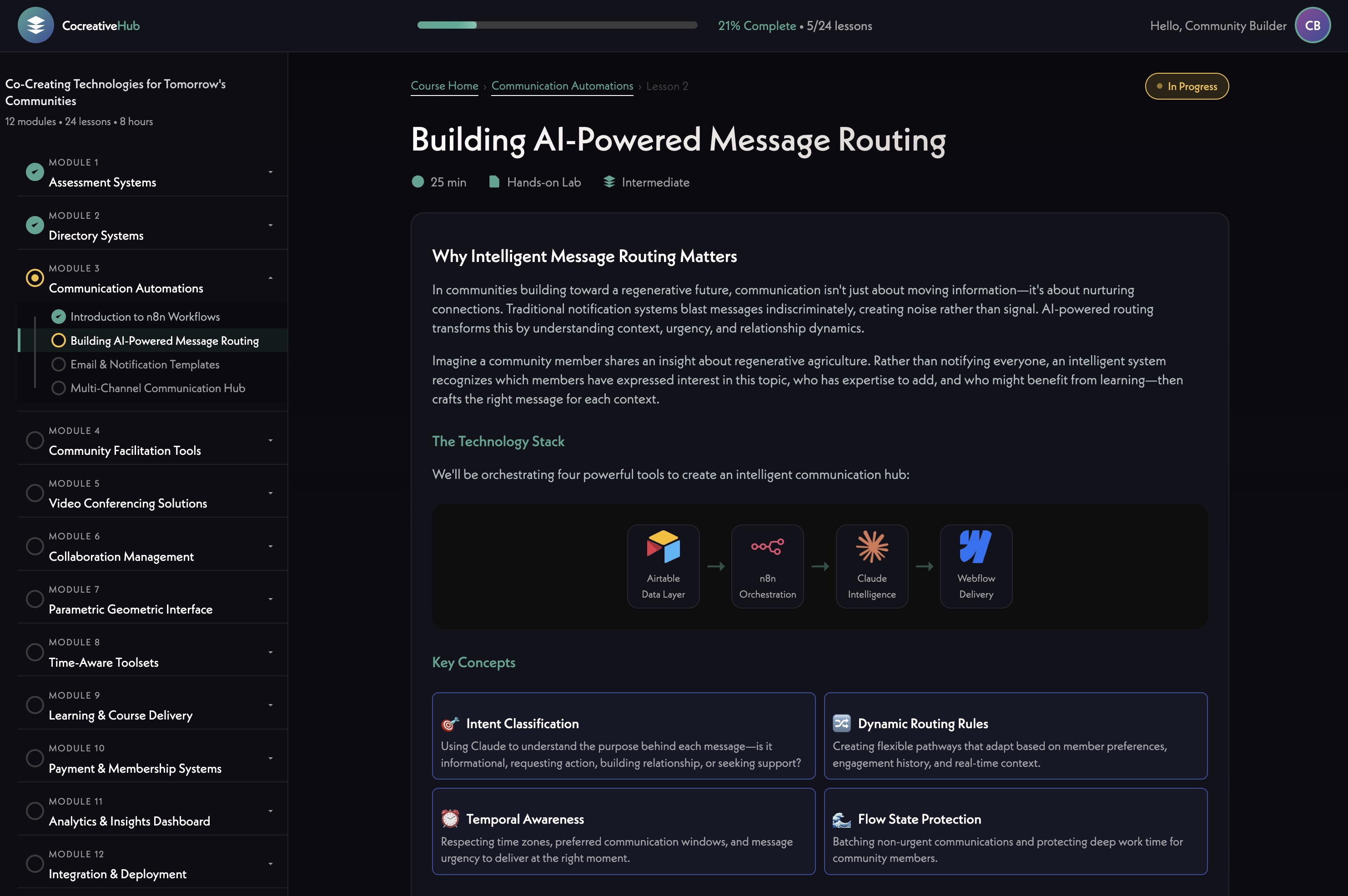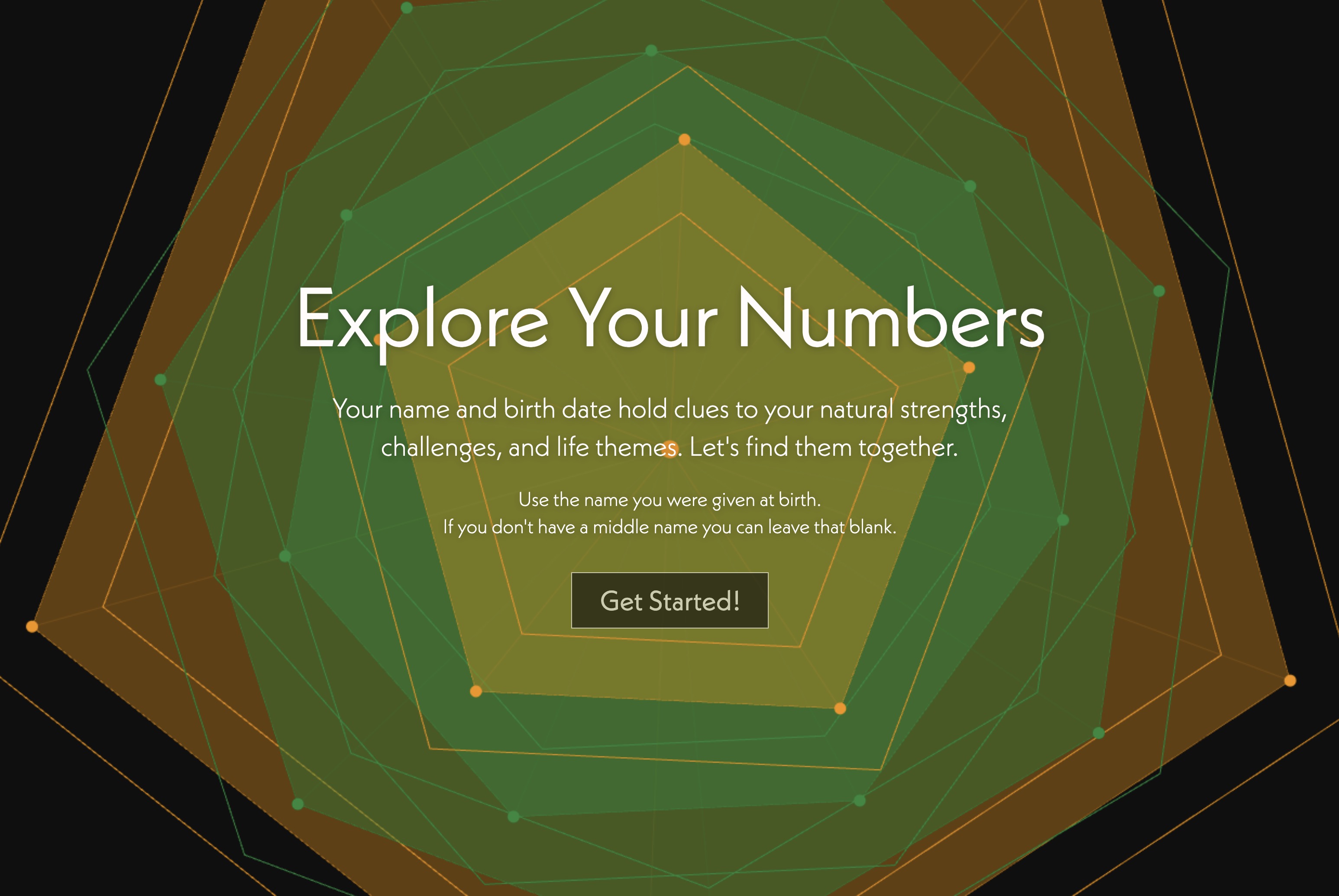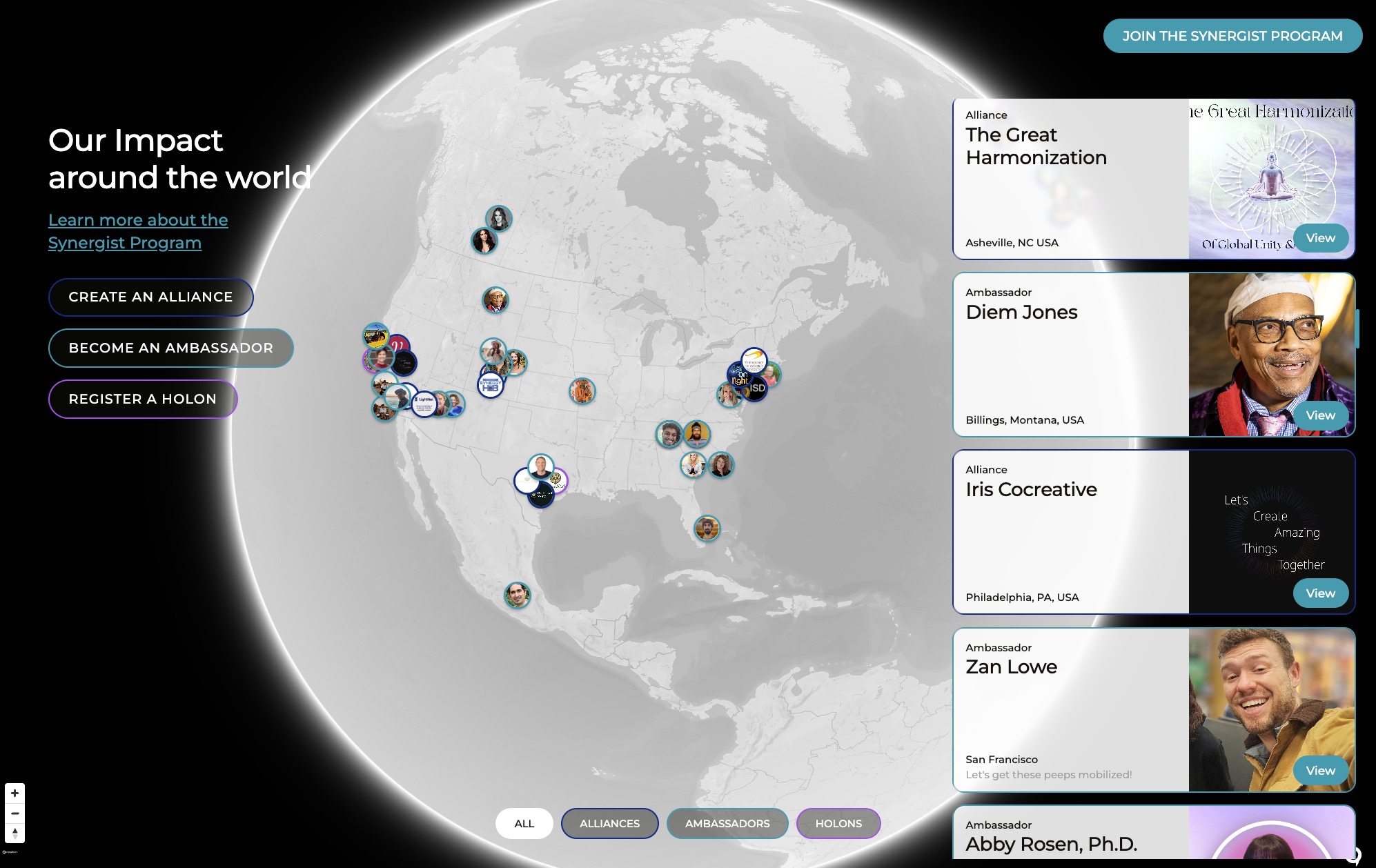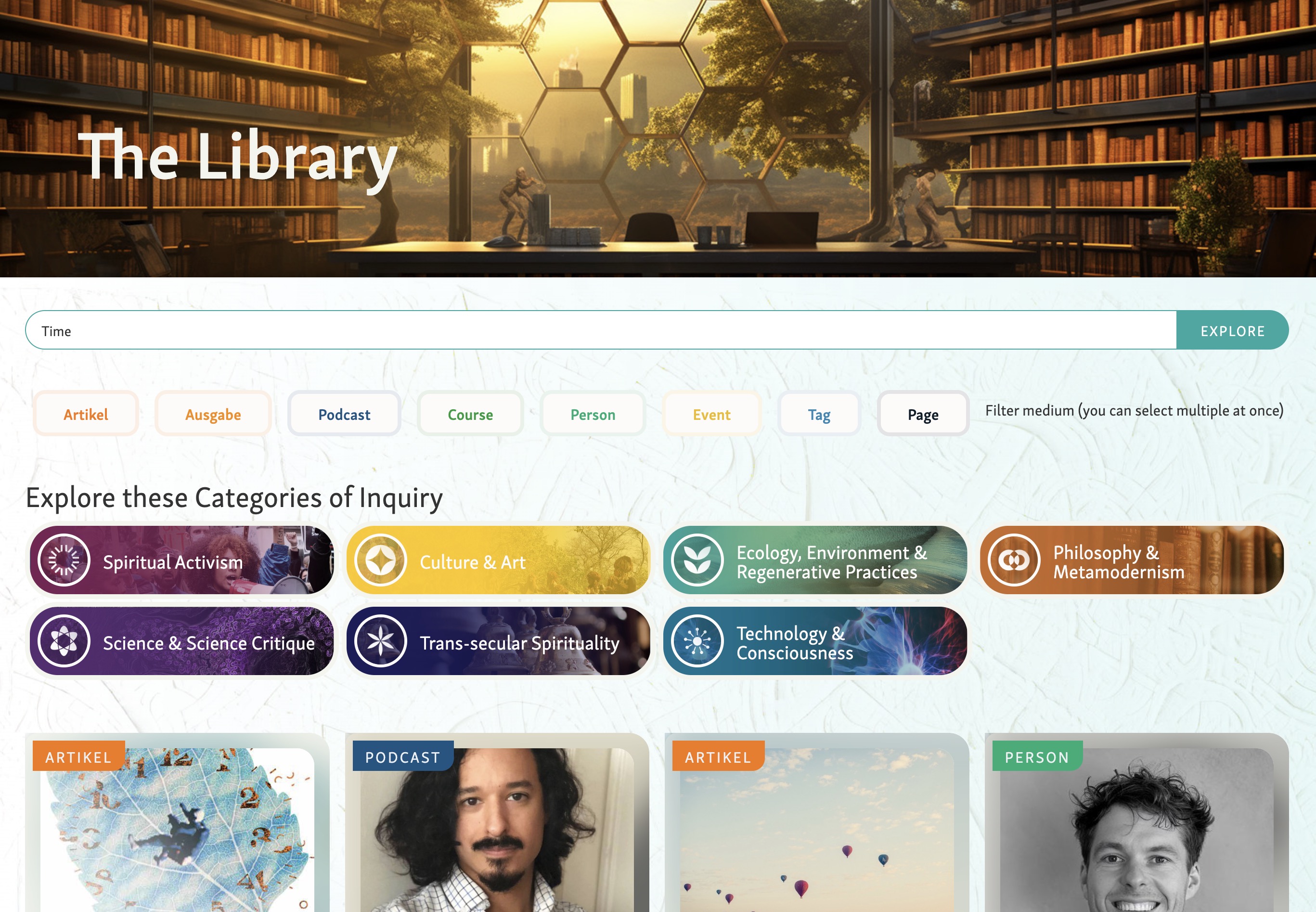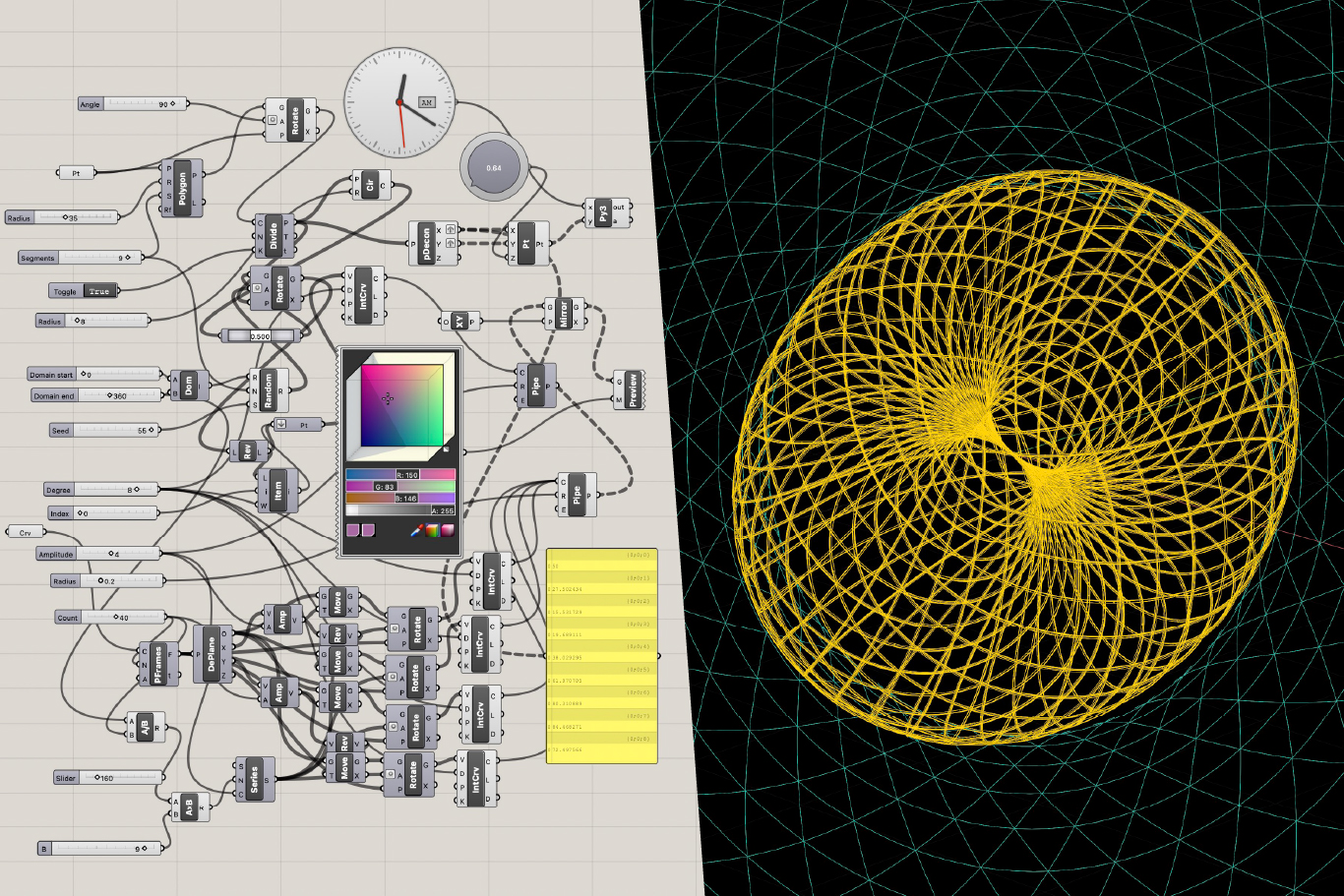

James Redenbaugh has successfully upgraded the Flourish Project site to the new Mast framework [tag="webflow"], which delivers dramatically improved responsiveness and makes content management accessible without requiring deep Webflow [tag="webflow"] knowledge (05:16). The framework transformation essentially converts the site into a drag-and-drop experience while maintaining full customization capabilities, similar to platforms like Weebly but with far greater flexibility.
Wendy Ellyatt emphasized the urgent need to launch at minimum a holding page by the end of next week (05:48). The current priority is directing funders and collaborators away from the outdated site toward something that reflects where the project has evolved. Even an interim version that captures the new direction would be preferable to continuing to reference old materials, particularly as Wendy prepares grant applications that require current project representation.
The upgrade has already implemented several key improvements including properly linked seven motivations content, dedicated lab pages with customizable templates, and a new CMS-driven team management system that automatically updates across the site.
The homepage hero section emerged as the critical design priority requiring the most attention (18:03). The current static landscape image feels flat and doesn't adequately convey the ecosystemic and interbeing aspects central to the Flourish Project's philosophy. Wendy referenced another site where moving video backgrounds create an immediate sense of life and dynamism, suggesting this approach would significantly strengthen first impressions.
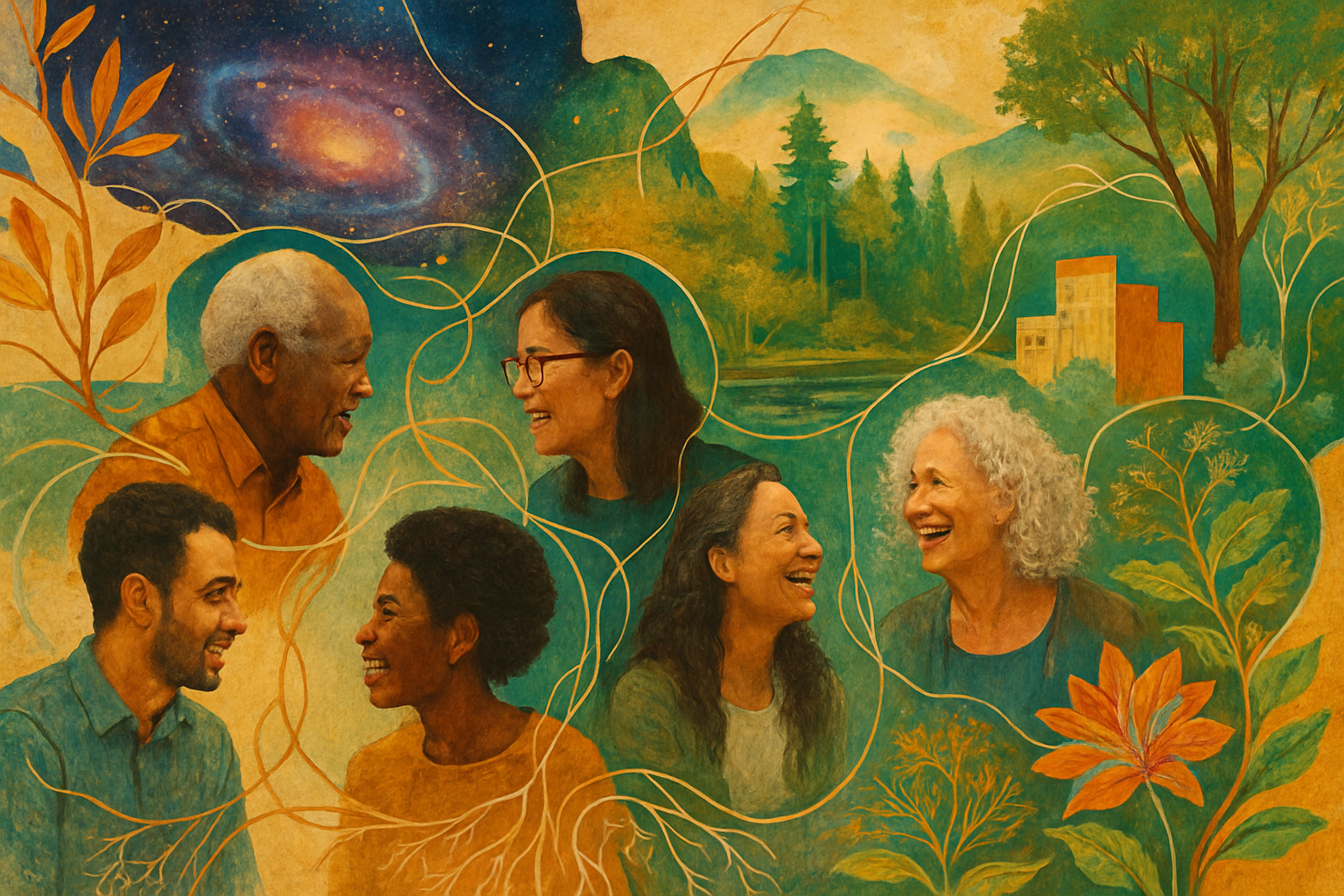
James proposed creating an artistic collage-style hero image that conceptually illustrates the project's holistic framework rather than attempting literal translation (25:46). The image should incorporate multi-ethnic, intergenerational human communities alongside nature, ecology, and perhaps cosmic elements—essentially a visual representation of the "four intelligences" framework Wendy discussed with Edward Muller: human, more than human, natural world, and cosmos. Hand-drawn elements could illustrate interconnectedness rather than just showing separate components combined together.
The team agreed to explore video backgrounds for the hero section, with Wendy providing access to footage she's previously licensed. James will also experiment with stock video sources and potentially create custom illustrations incorporating both photographic collage and hand-drawn connecting elements (40:12).
Additionally, the site's dark mode aesthetic received positive feedback, with agreement that the color palette creates a calm, sophisticated feel when it works properly. The logo size will be increased to provide stronger brand presence in the header area.
Each Innovation Lab requires its own distinctive imagery that captures its essence while maintaining cohesive visual language across the site (33:44). The current generic icons feel inadequate for the breadth and depth of each lab's work. James suggested developing hand-drawn style illustrations for the labs that would complement the collage approach planned for the hero image, creating unified visual storytelling throughout the site.
Specific considerations for each lab emerged:
Learning Lab needs imagery conveying curiosity, lifelong learning, and cultural knowledge transmission—explicitly avoiding traditional classroom imagery like desks. The audience spans from early years through adult learning, requiring imagery that works across age groups while feeling futuristic and focused on creativity and fascination (35:35).
Conscious Parenting Lab should evoke holding and nurturing through imagery like gentle hands, moving away from the current graduation cap icon toward something more intimate and universal. The heart icon currently used might work better for the Nurture Lab.
Nurture Lab centers on love, attachment, and early development, making visual direction relatively straightforward around babies and caregiving.
Peace Lab could work with dove imagery but needs careful consideration to avoid cliché.
City Lab must incorporate nature alongside built environment elements—trees integrated with buildings rather than just architectural forms—reflecting the ecosystemic urban design approach.
The tagline "Designing with and For Life" was added beneath the Innovation Labs heading to immediately convey collaborative, life-centered methodology (19:57).
James implemented a sophisticated CMS ordering system for team member presentation (11:12). The agreed sequence places Wendy first, followed by Simon Lightman (Learning Lab director), Fabienne (lead researcher for Learning Lab), Harriet (lead researcher for Nurture Lab), Marina, Simon Daisley, and Annie. The system automatically maintains this order across both the homepage and about page, with individual profiles now showing updated titles like "associate researcher" and "lead researcher for the Legacy Lab."
Wendy plans to verify continued involvement with associates Fabienne and Annie given the significant evolution in project scope and direction (45:01). James will create a Loom tutorial showing Wendy how to edit CMS content independently, though for this meeting he made real-time updates as they discussed changes.
The About page requires revision of its introductory history section, which currently feels disconnected from the project's current identity (30:02). Wendy will rewrite this content to better reflect the journey and current positioning.
Simon Lightman's emerging vision for the Learning Lab involves establishing communities of practice rather than simply providing resources (07:34). This represents a significant strategic shift toward collaborative learning ecosystems where schools engage in ongoing dialogue rather than passively accessing materials.
The model addresses equity concerns by creating a tiered structure where well-resourced schools pay participation fees that enable commons-level access for schools globally that couldn't otherwise afford involvement (32:12). There's an explicit commitment that all schools joining communities of practice understand their participation helps democratize access—building in a "give back" ethos from the outset.
Simon is exploring how this could work practically for schools, and Wendy expressed interest in having James review Simon's email outlining these ideas to consider what technical infrastructure might make these communities particularly compelling and beautiful (47:22). The emphasis on creating "gobsmacked" first impressions through elegant, unexpected design could differentiate these learning communities from typical educational platforms.
The team plans to invite Simon into the next meeting to discuss Learning Lab and community of practice development in more detail.
[technology="Online Learning Platforms"]
[technology="Community Facilitation Tools"]
A substantial discussion explored the current state of AI-generated content and imagery (38:03). Both Wendy and James expressed frustration with obviously AI-generated materials—the monotonous rhythm of AI writing, the excessive speed and lack of lyrical quality in AI voiceovers, and the generic feel of many AI images. Wendy recounted receiving a PowerPoint from a communications team where she immediately recognized all imagery as AI-generated, undermining the authenticity she'd cultivated in her own materials.
James shared that he's written a blog post analyzing "fingerprints of AI"—characteristic patterns like "in today's digital landscape" or "it's not just X, it's Y" that reveal AI authorship. He uses AI tools extensively, particularly Claude [tag="claude"], but as dialogue partners requiring significant human refinement and correction rather than autonomous content creators. He's building custom context files that he shares with AI to maintain consistent voice and approach across different tasks.
For the Flourish Project, both agreed that while AI might help generate initial imagery concepts, the final results must feel authentic, warm, and genuinely artistic rather than obviously synthetic. James has experimented with the new OpenAI model to auto-generate images for meeting artifacts and found some results surprisingly compelling, though still identifiable as AI-created. The emerging work from artists using AI tools on platforms like YouTube shows the potential for truly beautiful results when human creativity guides the technology (44:03).
The Resources section remains in development as the team works through complex questions about access, pricing, and equity (32:12). Simon is helping think through structures that honor the commitment to making knowledge universally available while creating sustainable revenue to support ongoing development. The "commons" approach—where paid participation from some enables free access for others—extends beyond just the Learning Lab to inform the overall resources strategy.
The framework itself will have a dedicated page with basic introduction and a link to the primary framework document, which continues to evolve. The interactive framework James previously developed will be incorporated.
James demonstrated several technical improvements integrated into the new framework:
The site now uses components that allow drag-and-drop page building without needing to understand Webflow's deeper functionality, dramatically lowering the barrier for content updates. Base line height for paragraphs has been increased for improved readability. The dark mode implementation creates a sophisticated aesthetic, though some refinement is needed for full consistency.
Text alignment was shifted to left-aligned for main titles rather than center-aligned, improving readability and creating cleaner visual hierarchy. The CMS structure allows updates in one location to propagate automatically across multiple page instances—editing a team member's profile updates both homepage and about page simultaneously.
Wendy raised the possibility of exploring alternative domain names beyond flourishproject.net, noting the proliferation of "Flourish Project" entities globally (45:23). Something like "Flourish Project World" might create clearer differentiation and stronger identity. The team could potentially run both domains during transition. This reflects Wendy's growing confidence in the project's direction and desire to create more distinctive presence.
James Redenbaugh
Wendy Ellyatt
James Redenbaugh has successfully upgraded the Flourish Project site to the new Mast framework [tag="webflow"], which delivers dramatically improved responsiveness and makes content management accessible without requiring deep Webflow [tag="webflow"] knowledge (05:16). The framework transformation essentially converts the site into a drag-and-drop experience while maintaining full customization capabilities, similar to platforms like Weebly but with far greater flexibility.
Wendy Ellyatt emphasized the urgent need to launch at minimum a holding page by the end of next week (05:48). The current priority is directing funders and collaborators away from the outdated site toward something that reflects where the project has evolved. Even an interim version that captures the new direction would be preferable to continuing to reference old materials, particularly as Wendy prepares grant applications that require current project representation.
The upgrade has already implemented several key improvements including properly linked seven motivations content, dedicated lab pages with customizable templates, and a new CMS-driven team management system that automatically updates across the site.
The homepage hero section emerged as the critical design priority requiring the most attention (18:03). The current static landscape image feels flat and doesn't adequately convey the ecosystemic and interbeing aspects central to the Flourish Project's philosophy. Wendy referenced another site where moving video backgrounds create an immediate sense of life and dynamism, suggesting this approach would significantly strengthen first impressions.
James proposed creating an artistic collage-style hero image that conceptually illustrates the project's holistic framework rather than attempting literal translation (25:46). The image should incorporate multi-ethnic, intergenerational human communities alongside nature, ecology, and perhaps cosmic elements—essentially a visual representation of the "four intelligences" framework Wendy discussed with Edward Muller: human, more than human, natural world, and cosmos. Hand-drawn elements could illustrate interconnectedness rather than just showing separate components combined together.
The team agreed to explore video backgrounds for the hero section, with Wendy providing access to footage she's previously licensed. James will also experiment with stock video sources and potentially create custom illustrations incorporating both photographic collage and hand-drawn connecting elements (40:12).
Additionally, the site's dark mode aesthetic received positive feedback, with agreement that the color palette creates a calm, sophisticated feel when it works properly. The logo size will be increased to provide stronger brand presence in the header area.
Each Innovation Lab requires its own distinctive imagery that captures its essence while maintaining cohesive visual language across the site (33:44). The current generic icons feel inadequate for the breadth and depth of each lab's work. James suggested developing hand-drawn style illustrations for the labs that would complement the collage approach planned for the hero image, creating unified visual storytelling throughout the site.
Specific considerations for each lab emerged:
Learning Lab needs imagery conveying curiosity, lifelong learning, and cultural knowledge transmission—explicitly avoiding traditional classroom imagery like desks. The audience spans from early years through adult learning, requiring imagery that works across age groups while feeling futuristic and focused on creativity and fascination (35:35).
Conscious Parenting Lab should evoke holding and nurturing through imagery like gentle hands, moving away from the current graduation cap icon toward something more intimate and universal. The heart icon currently used might work better for the Nurture Lab.
Nurture Lab centers on love, attachment, and early development, making visual direction relatively straightforward around babies and caregiving.
Peace Lab could work with dove imagery but needs careful consideration to avoid cliché.
City Lab must incorporate nature alongside built environment elements—trees integrated with buildings rather than just architectural forms—reflecting the ecosystemic urban design approach.
The tagline "Designing with and For Life" was added beneath the Innovation Labs heading to immediately convey collaborative, life-centered methodology (19:57).
James implemented a sophisticated CMS ordering system for team member presentation (11:12). The agreed sequence places Wendy first, followed by Simon Lightman (Learning Lab director), Fabienne (lead researcher for Learning Lab), Harriet (lead researcher for Nurture Lab), Marina, Simon Daisley, and Annie. The system automatically maintains this order across both the homepage and about page, with individual profiles now showing updated titles like "associate researcher" and "lead researcher for the Legacy Lab."
Wendy plans to verify continued involvement with associates Fabienne and Annie given the significant evolution in project scope and direction (45:01). James will create a Loom tutorial showing Wendy how to edit CMS content independently, though for this meeting he made real-time updates as they discussed changes.
The About page requires revision of its introductory history section, which currently feels disconnected from the project's current identity (30:02). Wendy will rewrite this content to better reflect the journey and current positioning.
Simon Lightman's emerging vision for the Learning Lab involves establishing communities of practice rather than simply providing resources (07:34). This represents a significant strategic shift toward collaborative learning ecosystems where schools engage in ongoing dialogue rather than passively accessing materials.
The model addresses equity concerns by creating a tiered structure where well-resourced schools pay participation fees that enable commons-level access for schools globally that couldn't otherwise afford involvement (32:12). There's an explicit commitment that all schools joining communities of practice understand their participation helps democratize access—building in a "give back" ethos from the outset.
Simon is exploring how this could work practically for schools, and Wendy expressed interest in having James review Simon's email outlining these ideas to consider what technical infrastructure might make these communities particularly compelling and beautiful (47:22). The emphasis on creating "gobsmacked" first impressions through elegant, unexpected design could differentiate these learning communities from typical educational platforms.
The team plans to invite Simon into the next meeting to discuss Learning Lab and community of practice development in more detail.
[technology="Online Learning Platforms"]
[technology="Community Facilitation Tools"]
A substantial discussion explored the current state of AI-generated content and imagery (38:03). Both Wendy and James expressed frustration with obviously AI-generated materials—the monotonous rhythm of AI writing, the excessive speed and lack of lyrical quality in AI voiceovers, and the generic feel of many AI images. Wendy recounted receiving a PowerPoint from a communications team where she immediately recognized all imagery as AI-generated, undermining the authenticity she'd cultivated in her own materials.
James shared that he's written a blog post analyzing "fingerprints of AI"—characteristic patterns like "in today's digital landscape" or "it's not just X, it's Y" that reveal AI authorship. He uses AI tools extensively, particularly Claude [tag="claude"], but as dialogue partners requiring significant human refinement and correction rather than autonomous content creators. He's building custom context files that he shares with AI to maintain consistent voice and approach across different tasks.
For the Flourish Project, both agreed that while AI might help generate initial imagery concepts, the final results must feel authentic, warm, and genuinely artistic rather than obviously synthetic. James has experimented with the new OpenAI model to auto-generate images for meeting artifacts and found some results surprisingly compelling, though still identifiable as AI-created. The emerging work from artists using AI tools on platforms like YouTube shows the potential for truly beautiful results when human creativity guides the technology (44:03).
The Resources section remains in development as the team works through complex questions about access, pricing, and equity (32:12). Simon is helping think through structures that honor the commitment to making knowledge universally available while creating sustainable revenue to support ongoing development. The "commons" approach—where paid participation from some enables free access for others—extends beyond just the Learning Lab to inform the overall resources strategy.
The framework itself will have a dedicated page with basic introduction and a link to the primary framework document, which continues to evolve. The interactive framework James previously developed will be incorporated.
James demonstrated several technical improvements integrated into the new framework:
The site now uses components that allow drag-and-drop page building without needing to understand Webflow's deeper functionality, dramatically lowering the barrier for content updates. Base line height for paragraphs has been increased for improved readability. The dark mode implementation creates a sophisticated aesthetic, though some refinement is needed for full consistency.
Text alignment was shifted to left-aligned for main titles rather than center-aligned, improving readability and creating cleaner visual hierarchy. The CMS structure allows updates in one location to propagate automatically across multiple page instances—editing a team member's profile updates both homepage and about page simultaneously.
Wendy raised the possibility of exploring alternative domain names beyond flourishproject.net, noting the proliferation of "Flourish Project" entities globally (45:23). Something like "Flourish Project World" might create clearer differentiation and stronger identity. The team could potentially run both domains during transition. This reflects Wendy's growing confidence in the project's direction and desire to create more distinctive presence.
James Redenbaugh
Wendy Ellyatt
Create collage-style hero image with interbeing themes and hand-drawn interconnection elements
January 20, 2026
Develop artistic hero image incorporating multi-ethnic intergenerational communities, nature, ecology, and cosmic elements representing four intelligences framework. Include hand-drawn elements illustrating interconnectedness rather than separate components. Reference discussed at 25:46. Should avoid flat landscape feel and convey ecosystemic aspects.
Develop hand-drawn style illustrations for each Innovation Lab page
January 22, 2026
Create distinctive hand-drawn illustrations for all seven Innovation Labs replacing current generic icons. Should complement collage approach for hero image and maintain cohesive visual storytelling. Specific guidance provided: Learning Lab - curiosity and lifelong learning avoiding classroom imagery; Conscious Parenting Lab - gentle hands and nurturing; Nurture Lab - love and attachment; Peace Lab - dove imagery with care to avoid cliché; City Lab - nature integrated with buildings. Discussion at 27:22 and 33:44-35:46.
Deploy holding page to live Flourish Project domain
January 24, 2026
Launch minimum viable version of site by end of next week to direct funders and collaborators away from outdated site. Even interim version preferable to continuing to reference old materials as Wendy prepares grant applications. Urgent priority discussed at 05:48 and 06:16.
Record Loom tutorial demonstrating CMS editing processes for Wendy
January 27, 2026
Create video walkthrough showing how to edit CMS content independently including team member profiles, lab content, and other site elements. Enable Wendy to make updates without Webflow expertise using drag-and-drop framework capabilities. Discussed at 30:49.
Create Lab index page showing all labs with links to individual pages
January 22, 2026
Build dedicated index page displaying all seven Innovation Labs with navigation to their individual detailed pages. Discussed at 33:44.
Experiment with video backgrounds for hero section using provided and stock footage
January 22, 2026
Test video background implementation for homepage hero to create sense of life and dynamism. Wendy will provide access to previously licensed footage. Also explore stock video sources. Should convey ecosystemic and interbeing themes better than static image. Reference at 22:38 and 40:12.
Increase logo size in header for stronger brand presence
January 17, 2026
Make logo larger in site header to create more prominent brand identity. Quick visual adjustment discussed at 24:30.
Review Simon's email about community of practice structure and prepare technical considerations
January 20, 2026
Finalize Framework page with introduction content and embedded interactive framework
January 24, 2026
Create dedicated page for the framework with basic introduction text and link to primary framework document. Incorporate interactive framework James previously developed. Framework continues to evolve. Discussed at 31:30.
Provide video footage or photographic images for hero section
January 17, 2026
Share video footage or photos conveying ecosystemic and interbeing themes for hero section. Provide access to previously licensed footage that could work as video background. Should create sense of life and dynamism. Discussed at 22:38.
Rewrite About page introduction replacing current history section
January 24, 2026
Update About page introductory history section which currently feels disconnected from project's current identity. Should better reflect journey and current positioning. Discussed at 30:02-30:23.
Contact associate researchers Fabienne and Annie to confirm continued involvement
January 20, 2026
Verify whether Fabienne and Annie wish to continue as associate researchers given significant evolution in project scope and direction. Discussed at 45:01.
Share Simon Lightman's email about community of practice model with James
January 17, 2026
Forward Simon's email outlining communities of practice structure for Learning Lab so James can review technical considerations. Discussed at 47:15.
Provide updated content and direction for each Innovation Lab page as needed
January 27, 2026
Supply any additional content, imagery guidance, or direction needed for individual Innovation Lab pages as development progresses. Discussed at 35:46 in context of lab-specific imagery requirements.
Website design and development for The Flourish Project upgraded to Mast framework. Site structure focuses on nine Innovation Labs with integrated Resources section. New drag-and-drop CMS capabilities. Dark mode aesthetic implementation now functional. Simplified resources approach with most labs showing contact page link for expressions of interest, except Learning Lab which gets specialized contact form capturing name, role, email, school/organization, website, city, country. Conscious Parenting Lab features actual resource grid. Resource page prominently features three core handbooks used by 30+ schools worldwide with Airtable AI-generated PDF summaries. CMS-driven team management system with unpublished profiles for Fabienne and Annie pending discussions. Framework page cleaned up removing duplicate entries, linked from homepage ESF Framework section. New Principles of Partnership page with fungi/mycelium imagery and expression of interest link. Contact page updated with calming nature image. Airtable upgraded to team plan for continuous syncing. Integration with Airtable for resource management with primary status tagging for featured handbooks. Site transfer to Wendy's Webflow workspace pending with domain connection instructions to follow. Target launch after final joint review.
Website design for The Flourish Project focusing on nine Innovation Labs structure (Wisdom, Conscious Parenting, Nurture, Learning, Community, Cities, Peace, Legacy, Healing). Wisdom Lab positioned first as cross-cutting theme using vector equilibrium icon. Healing Lab added as ninth lab incorporating Global Healing Day initiative with Caduceus symbol. Visual identity emphasizing diverse, global representation with artistic collage-style hero image incorporating interbeing themes, multi-ethnic intergenerational communities, nature, ecology, and cosmic elements. Refined symbolic icons for each lab: rounded pentagons for Legacy Lab suggesting organic storytelling, compass for Leadership Lab, bioregion-inspired design for City Lab, growth progression for Conscious Parenting Lab. Video background exploration for hero section using Indigenous-themed content pending cultural sensitivity review. Team member bios with updated titles including new members James and Lana. Framework page using 'Ecosystemic Flourishing (ESF) Framework' heading. Dark mode aesthetic with improved typography. 'Ecology of Belonging' as prominent homepage feature. Shift from consumer to participant engagement model.
Development of community engagement strategy moving from consumer to participant model. Learning Lab launching as first community of practice with specialized contact form capturing name, role, email, school/organization, website, city, country - distinct from other labs which use standard contact page. Schools, academy trusts, and educational organizations become co-creators rather than passive consumers. Communication happening through WhatsApp groups rather than complex platform features. Tiered structure where well-resourced schools pay participation fees enabling commons-level access for schools globally. Resource page features three core handbooks used by 30+ schools worldwide as primary engagement tools with automatic PDF invitation system. Future AI-powered interactive tool envisioned using Claude to replicate Wendy's knowledge base, helping different user types get personalized guidance - ideal prototype within Learning Lab community. Moving away from heavy facilitation models toward emergent gathering approach. Leveraging engagement data from 37 countries.
Finalization of iconic visual identity system for nine Innovation Labs. Completed simple, logo-like symbolic icons using consistent visual language: rounded pentagons for Legacy Lab suggesting organic storytelling and five-fold symmetry of hand passing down knowledge (24:17), compass design for Leadership Lab (19:20), bioregion-inspired icon for City Lab combining built environment with natural forms (25:54), growth progression from infant to child for Conscious Parenting Lab (17:00), vector equilibrium created parametrically for Wisdom Lab (18:52), Caduceus or systemic healing symbol for Healing Lab (34:08). Icons must be universally accessible and professional for diverse audiences from early years teachers to government leaders. Creating 'the bud rather than the flower' - simple forms that are sacred yet approachable. All icons finalized today enabling stakeholder review.
00:00:05
Wendy Ellyatt: This meeting is being recorded.
00:00:11
James Redenbaugh: Hi, Wendy.
00:00:12
Wendy Ellyatt: Hello. Happy New Year.
00:00:14
James Redenbaugh: Happy New Year. How are you?
00:00:18
Wendy Ellyatt: I'm good. Like, just crazy busy. So much going on and. And they're having. It's late back in January, so having the family and then Christmas and then you don't even get back to 5 January and then it's like, ah, yeah. How about you with your beloved?
00:00:41
James Redenbaugh: We're doing great. Had a lot of wonderful time with family over the holidays and.
00:00:47
Wendy Ellyatt: Yeah, me too.
00:00:50
James Redenbaugh: And our pets keep growing. Come here, Maple. Come here, honey. They're too cute. Oh, my God.
00:01:03
Wendy Ellyatt: I just. I've just thrown mine. Who was sitting here. I've just thrown her out. She was interfering.
00:01:10
James Redenbaugh: They love to interfere.
00:01:12
Wendy Ellyatt: Yeah, they love computers. They like to sit on computers. Yeah.
00:01:17
James Redenbaugh: Yeah. I've just taken to closing my laptop so that they can sit on.
00:01:22
Wendy Ellyatt: To throw them out in conferences or, you know, zooms because I. They literally use the tail appears, you know.
00:01:32
James Redenbaugh: And yeah, things are going great. Super busy and. Oh, what happened to my camera? One sec. Let me see what's going on here. Yeah, well, I get that back on. So much going on. We're hiring new people, but everybody's off until so long and because most of them are European. But we're. We're learning a mile a minute these days, developing all kinds of new technologies, building.
00:02:21
Wendy Ellyatt: It's keeping up, isn't it? At the moment.
00:02:23
James Redenbaugh: Yeah. Keeping up with AI.
00:02:25
Wendy Ellyatt: Yeah.
00:02:28
James Redenbaugh: Creating some really neat membership tools.
00:02:32
Wendy Ellyatt: I know we need. We're going to need some of them.
00:02:36
James Redenbaugh: Awesome. Well, we're making an easier.
00:02:39
Wendy Ellyatt: Yeah.
00:02:39
James Redenbaugh: Easier to leverage and including. I've done a deep dive kind of re. Examining the. The way that we build webflow websites and the framework that we use. And there's a new framework called Mast, relatively new. And I've been adopting that to tailoring it to our needs and basically building a. A starting place for new websites so that we can build on sites that are really robust and why my camera keep dying. This is really weird. Sorry about that. It says that the battery is full and then disappears.
00:03:39
Wendy Ellyatt: Yeah, I can't see you.
00:03:47
James Redenbaugh: This is the problem with having my laptop closed. I'll just move over there. Sorry about that. There we go. You can see me now.
00:04:26
Wendy Ellyatt: Yep.
00:04:27
James Redenbaugh: Great. So, yeah, the. We have this awesome new framework for building websites and making. What's neat about this is it leverages components in a way that makes it very easy for anyone to build content and pages without needing to learn webflow. It kind of turns.
00:04:59
Wendy Ellyatt: I've used weebly for years. It's just super easy. Yeah.
00:05:02
James Redenbaugh: Yeah. It kind of turns it into weebly where you can drag and drop things. But we can, we can still, you know, fully customize everything and have it look however we want. Mm.
00:05:16
Wendy Ellyatt: Well, I guess where I'm at, I. I'm starting to need that website. Even if we just. And I know we're evolving stuff as we go along, which is good, but even if we just put up a holding. What I. This. The way I. My work has advanced so much in the last year that I. What I don't want is. I'm. I'm finding. I know I don't want to lead anyone to the old site. So even if we put up a holding page that at least gave someone the. Gave everyone the feel of where we're going, I'd rather do that now while we work on everything because it's. And, and for the grants that I'm about to go for, I don't want them going to the old site because we've advanced so much more since then and that's kind of where I'm at. So 1. We know we have all these bits that we're working on, but at least at the end of like next week, it would be good to have a holding page at minimum. Yeah.
00:06:16
James Redenbaugh: Yeah. Well, we could put it up now. What I was going to say is I. I went ahead and upgraded the site we're working on to the new framework. We have a whole new. This was the old dial guide, as you can see, pretty basic. Now we have a new one with a lot more functionality and capability and it's a thousand times more responsive.
00:06:46
Wendy Ellyatt: Okay.
00:06:46
James Redenbaugh: And it's already implemented. And then I've also done, I think, everything on the, on the list that you sent me that I could do without, without you, without meeting you. So it's working. It's working.
00:07:03
Wendy Ellyatt: The seven motivations all linked up now to their text.
00:07:07
James Redenbaugh: Yes, there was a. It already was.
00:07:09
Wendy Ellyatt: Yeah. Perfect.
00:07:10
James Redenbaugh: That was preventing that. They're. They're there. The other things, the labs have their own page now. These are templates. We can, we can talk about what else might want to go on here. But most of them have a call to action and so that. That shows up here. But we can talk about where that.
00:07:34
Wendy Ellyatt: And Simon's getting involved now. You can see he's. He is really good. So he. We now have a much clearer idea of. And what we're thinking about with the learning lab is to set up communities of practice, which is much more interesting because it basically means we're learning. We're inviting schools to be involved in something really exciting for them, but it's a collaborative learning process rather than just giving them resources. So I'm. He. He's actually very interesting and. And I like everything he's coming up with, so we can involve him with that. I mean, I think each of the pages needs its own dedicated image, you know, and I. I hate the little hat because it's very old system. Yeah.
00:08:23
James Redenbaugh: There's. So it's like put. Literally wear this hat with a square on it to show that you'll fit.
00:08:29
Wendy Ellyatt: In with the poor student, but you're special. Yeah.
00:08:34
James Redenbaugh: Yeah. I like. I like that these have icons, but.
00:08:40
Wendy Ellyatt: Yeah, me too. Yeah.
00:08:45
James Redenbaugh: Yeah.
00:08:46
Wendy Ellyatt: Can't you see? And when we could just. If we just go through that. Should we. Do we do those now?
00:08:52
James Redenbaugh: Sure.
00:08:53
Wendy Ellyatt: I think the conscious parenting would be good to have an image that's like shows a little. Not people, but the sense of holding something. You know, two little hands and. Because I think the heart is better in the nurture lab.
00:09:13
James Redenbaugh: Yeah. Yeah.
00:09:14
Wendy Ellyatt: The learning lab needs to. Definitely. Because it's lifelong learning as well. Needs to be something that conveys and not. Not a light bulb. It's trying to Peace Lab can be a dove. That's fine. City lab needs to not just be buildings because we're. It can have a little tree, but it must have nature in there.
00:09:40
James Redenbaugh: What if these were more illustrative? They're kind of. These icons kind of reduce everything just to being so simple.
00:09:52
Wendy Ellyatt: Yeah.
00:09:53
James Redenbaugh: And I think that these little pictures would be great.
00:09:57
Wendy Ellyatt: Yeah.
00:09:57
James Redenbaugh: Little pictures or little illustrations. Drawings.
00:10:00
Wendy Ellyatt: Yeah, I think that would be better. Yeah. Because I don't think we'd ever use the icons in any documents.
00:10:08
James Redenbaugh: Yeah.
00:10:08
Wendy Ellyatt: Because we've already got the icons for the other. For the seven levels. You know, it's too many icons.
00:10:14
James Redenbaugh: Exactly. And these are interesting and unique, you know, and these are kind of meh.
00:10:22
Wendy Ellyatt: Yeah. I think little pictures that are only there to make this look interesting.
00:10:27
James Redenbaugh: Cool. So, yeah, I can spin some up for that.
00:10:35
Wendy Ellyatt: And if we got rid of the bottom section, we've got rid of all the resources at the bottom.
00:10:39
James Redenbaugh: I've hidden it for now. Yes.
00:10:42
Wendy Ellyatt: I need to be able to alter the. Did you see. Oh, I alter. Have you updated Those to the 1. To the change text?
00:10:53
James Redenbaugh: I haven't updated the text. It's all a part of the cms. I can show you how to edit that. And they're also on the team page.
00:11:05
Wendy Ellyatt: Yeah. That's actually nice. Yeah.
00:11:07
James Redenbaugh: And if you update them here, they Also, update on the home page.
00:11:13
Wendy Ellyatt: Yeah. And we need to look at the order because Fabienne should go under Simon because she's the lead researcher for learning, so there's a logic to it. So, Fabian. So Fabienne should go with Simon and at the bottom should go the other Simon. Simon Daisley. And. And the other woman whose name I can't remember.
00:11:41
James Redenbaugh: I'm adding an order field here. And then we can order the lists. Yeah.
00:11:47
Wendy Ellyatt: Me, then Simon, then Fabienne, then Harriet, Then Marina, which Simon.
00:11:59
James Redenbaugh: After you.
00:12:01
Wendy Ellyatt: Simon Lightman. I think you've already got that.
00:12:03
James Redenbaugh: Yeah.
00:12:04
Wendy Ellyatt: Then Fabienne.
00:12:08
James Redenbaugh: Then Harriet, then Harriet, then.
00:12:11
Wendy Ellyatt: Marina, then Simon Daisley and then the last woman, Annie. And Annie. Yeah. Because I need to go back to all of them to make sure. Or the two that I haven't spoken to for ages to make sure they're still happy to be involved.
00:12:33
James Redenbaugh: Well, all right, those are published. And then I will order this by order. This is technically two different list. So that we could do that offsetting.
00:12:54
Wendy Ellyatt: Yeah, that works.
00:12:56
James Redenbaugh: And then on about page, we'll do the same thing. Cool.
00:13:10
Wendy Ellyatt: Yeah. See, I can see the text has changed because you've got associate researcher. So you've done it.
00:13:15
James Redenbaugh: Okay, great.
00:13:16
Wendy Ellyatt: Except it says researchers and it says the Elder Lab and that we've actually changed it to the Legacy Lab.
00:13:34
James Redenbaugh: The legacy lab or legacy lab for the legacy lab.
00:13:38
Wendy Ellyatt: Yeah. And he's the same legacy lab. And then we had the Leadership Lab, but I don't think we've got anyone on that. City Lab. That's right. Nurture Lab is. What does it say Harriet is? She's lead researcher for the Nurture Lab. I changed that. Harriet is lead researcher. And it said it's the bottom bit. Yeah. Lead researcher for the. And we need to make sure that the bottom and the top. We probably don't need it repeated twice, do we? Got it at the top now. Yeah, Same on all the. My text is a bit funny.
00:14:44
James Redenbaugh: Yeah. That must have copied weird from.
00:14:49
Wendy Ellyatt: Something. Yeah, the same. Those two lines at the bottom we don't need.
00:15:01
James Redenbaugh: Nice.
00:15:05
Wendy Ellyatt: And you can say partnered City Lab development because. Oh, no, you can leave it like that. I'll think about it.
00:15:16
James Redenbaugh: Cool. And I'll show you. Just so you know, editing those on the page there. I'm actually editing these CMS items. So will edit this item here and.
00:15:39
Wendy Ellyatt: I'll have to play. I'll have to learn the new system.
00:15:42
James Redenbaugh: Yeah, yeah. And so automatically updates on the homepage. And I'm just going to make sure all these are published. And I'm also going to increase our base line height. Four paragraphs. Make things a little more readable.
00:16:27
Wendy Ellyatt: Oh, That looks weird. Yeah.
00:16:35
James Redenbaugh: I was trying to do something a little interesting with the text here, but no, I don't.
00:16:39
Wendy Ellyatt: I think it looks weird.
00:16:43
James Redenbaugh: No problems.
00:17:02
Wendy Ellyatt: Do you think it is the right image at the top? I'm now wondering about it because without the. That cut, your image just didn't look right. I mean, if this was your site, you know, what this is all about, what would. What image would you use? I love the color. I love it. I'm just. I think the logo could go bigger, but I'm wondering about the. Whether the top image. Because without having you. We need the ecosystemic aspect, you know, the people and the animals and. And I. It's how we convey that. Because the moment. We've just got the land.
00:17:51
James Redenbaugh: Yeah. I think.
00:17:58
Wendy Ellyatt: I need that first hit, you know, when a funder looks at the site.
00:18:03
James Redenbaugh: Yeah. So first of all, I think that we need something here.
00:18:09
Wendy Ellyatt: Yeah. And that image didn't look right. It looked too weak and a bit odd. I don't think people would get it.
00:18:18
James Redenbaugh: And maybe I can pull something from the. The collage magazine that you shared with me.
00:18:24
Wendy Ellyatt: Yeah. Or a photographic image that convey. What we need to convey is the. You know, that it. The inter. Being aspect.
00:18:32
James Redenbaugh: Uhhuh.
00:18:34
Wendy Ellyatt: And a photograph. If there's a photographic way to do it. It's just how we do it.
00:18:41
James Redenbaugh: Great.
00:18:47
Wendy Ellyatt: Because I like the whole feel of it and I love the ecology of belonging. And I thought. Can you just. Where have we got Innovation Labs? Well, on that. What. What's the lead text when we go into Innovation Labs? Can you just scroll down a bit? Your image is gone.
00:19:08
James Redenbaugh: Are you still seeing this?
00:19:10
Wendy Ellyatt: Yeah. When we. Can you just up that? I can't see it very well.
00:19:15
James Redenbaugh: Yeah. Let me look at the live site.
00:19:21
Wendy Ellyatt: Yeah. I think I'd like to add. Because we're using it in some of the other documents and I thought we might add under the first line, under Innovation Labs could be Designing with and For Life, which I really like. It's a core theme that we're using in papers and documents and I thought that would look great under Innovation Labs because it's conveying that we're working with people. Yeah.
00:19:57
James Redenbaugh: Yeah.
00:19:57
Wendy Ellyatt: And. And, you know, the wider world. So Designing with and for Life, I think is rather lovely. Yeah, I like that.
00:20:12
James Redenbaugh: I like it.
00:20:21
Wendy Ellyatt: Yeah. Like that.
00:20:24
James Redenbaugh: Cool. Back to the hero image up here.
00:20:33
Wendy Ellyatt: Yeah.
00:20:34
James Redenbaugh: Ideally, this would be video. I think it could be something. Oh, sorry, which one? As soon as my cat. The. The background image. Unless you're happy with it.
00:20:54
Wendy Ellyatt: Oh yeah. I love it when it's video. I've got another site where it's moving.
00:20:59
James Redenbaugh: Yeah. So I love that.
00:21:01
Wendy Ellyatt: I use it on. Let me show you another site that I. I have. I use three videos on this and actually I really like it because it's got that moving. If you look at that.
00:21:34
James Redenbaugh: Yeah.
00:21:36
Wendy Ellyatt: It immediately feels stronger and. And living rather than inert. Yeah. So yeah, absolutely.
00:21:52
James Redenbaugh: I had a iStock subscription a while back that I didn't want to keep paying for. And before I did, I downloaded a bunch of videos. I wonder if any of those might work.
00:22:05
Wendy Ellyatt: Well, I've got. I've got some that I paid for for this site. That's an aligned site. When all those ones in that I've got. I've got some other ones. A couple, I think. But. Yeah, but I agree. I think. I think that would look just much more alive. Yeah. Cat.
00:22:33
James Redenbaugh: No, you can't. I'm sorry.
00:22:36
Wendy Ellyatt: Yeah. See, that's what I get.
00:22:37
James Redenbaugh: My other cat.
00:22:38
Wendy Ellyatt: Hi, cat.
00:22:39
James Redenbaugh: Willow.
00:22:44
Wendy Ellyatt: Cat and more cat.
00:22:46
James Redenbaugh: Great. You want to send me what you have? I'll have a look at it. Otherwise we can get something new.
00:22:57
Wendy Ellyatt: Yeah.
00:23:00
James Redenbaugh: Cool.
00:23:03
Wendy Ellyatt: Yeah. I can't see the site now.
00:23:05
James Redenbaugh: Oh, sorry. I don't. I'm looking at your. Your site here.
00:23:29
Wendy Ellyatt: See straight away, this looks flat, doesn't it? You now want this to move.
00:23:34
James Redenbaugh: Yeah. And it. When the page loads, it does kind of move.
00:23:39
Wendy Ellyatt: Yeah. But it would be lovely to have that alive and maybe lighter. Maybe the lighter color would make it look more alive. Having looked. Having switched from one to the other.
00:23:50
James Redenbaugh: The lighter color. The lighter color image. Yeah.
00:23:55
Wendy Ellyatt: Of the image. Yeah.
00:23:57
James Redenbaugh: Mm.
00:23:59
Wendy Ellyatt: Yeah.
00:24:00
James Redenbaugh: We can. Let's play with it.
00:24:02
Wendy Ellyatt: Yeah. We still need to. I mean the big one, because I mean for that front page is capturing that image and getting it to look right.
00:24:17
James Redenbaugh: I'm gonna bring up that magazine that you shared with me. Let me see if I can find that.
00:24:24
Wendy Ellyatt: Yeah, I just knocked that up on camera. I think I. I also think the logo could go bigger because it looks tiny there.
00:24:30
James Redenbaugh: M.
00:24:52
Wendy Ellyatt: Now that was it. We looked at the. It was the. The one with the whale, wasn't it, that we were looking at before.
00:25:00
James Redenbaugh: Uh huh. Wasn't there another.
00:25:02
Wendy Ellyatt: Don't know where I got that from. I guess Canva made it for me.
00:25:42
James Redenbaugh: I feel like it should be. We go back over here. Definitely. It can just be an image if we find the right one. But I feel like if it's primarily an Image with people maybe in a village or something like that, but then also collaged into it some nature, ecology, maybe a bit of cosmos.
00:26:20
Wendy Ellyatt: Yeah.
00:26:20
James Redenbaugh: As well.
00:26:21
Wendy Ellyatt: And intergenerational.
00:26:24
James Redenbaugh: Yeah.
00:26:25
Wendy Ellyatt: And multi ethnic. It's got all the, you know, all the hassle we've got now trying to cover. Tickle the boxes.
00:26:32
James Redenbaugh: Huh. So maybe like I could find some primary image on Stuxky or something that has a diverse multi ethnic intergenerational group doing something in. Interesting. And then we can overlay like a nice tree and maybe.
00:26:59
Wendy Ellyatt: Yeah. Because it's such a. This is the first thing that people are going to see. So this is like the big deal.
00:27:05
James Redenbaugh: Uhhuh. And I think a good way to think about it would be like a artistic representation of the whole of this.
00:27:15
Wendy Ellyatt: Yeah. Yes.
00:27:18
James Redenbaugh: You know, not trying to literally translate each process.
00:27:22
Wendy Ellyatt: Yeah.
00:27:23
James Redenbaugh: But like illustrating this in a more conceptual way. Because then this is just come off.
00:27:27
Wendy Ellyatt: A call with the very lovely Edward Muller who runs the. The University for International Cooperation. He was talking about the four intelligences. Like human, more than human, natural world and cosmos, you know, that you've got. Because he just presented at the State of the World Forum. Awesome on that. Yeah.
00:27:50
James Redenbaugh: Great. So, yeah, this is, you know, artistic, but. It's pretty technical as well. And precise.
00:28:13
Wendy Ellyatt: Yeah.
00:28:14
James Redenbaugh: And we want to start with the emotion of what we're talking about with the emotional.
00:28:20
Wendy Ellyatt: We need to capture the inter. Being aspect.
00:28:27
James Redenbaugh: Cool. I wonder. Yeah. I'll play with putting some collage images together and then maybe adding a little bit of hand drawing to show some of the interconnectedness.
00:28:56
Wendy Ellyatt: Yep.
00:28:56
James Redenbaugh: Of things. Not just a combination of things. And then that same hand drawn style we could use for the pictures for the labs.
00:29:10
Wendy Ellyatt: Yeah, yeah, the labs. Yes, yeah.
00:29:13
James Redenbaugh: And then everything would be cohesive.
00:29:18
Wendy Ellyatt: Okay, that's good. So should we look at the labs? Sure. So at the bottom of the page now what do we have at the bottom?
00:29:28
James Redenbaugh: This content. And then the team.
00:29:34
Wendy Ellyatt: And then is there anything after the team? No, yeah, that's fine. Okay.
00:29:49
James Redenbaugh: Okay. About just has this intro text and then the team.
00:30:02
Wendy Ellyatt: I think we might get rid of the history. If you go back to that. That just feels. It just feels as though it isn't. It isn't important. Actually, when I look at it there.
00:30:16
James Redenbaugh: I think we need something just to.
00:30:22
Wendy Ellyatt: Let me rewrite that because that doesn't feel right.
00:30:24
James Redenbaugh: Sure. Yeah, go for it. Why don't I show you how you can edit the content on the site?
00:30:35
Wendy Ellyatt: Why don't you? You're gonna have to. Because it's easy for You. It's not so.
00:30:39
James Redenbaugh: Right.
00:30:39
Wendy Ellyatt: I'll go in the gun then.
00:30:42
James Redenbaugh: I can also record a loom video about it so that you can.
00:30:46
Wendy Ellyatt: I think that's better.
00:30:47
James Redenbaugh: Yeah, I'll do that. I'll send you a loom video.
00:30:49
Wendy Ellyatt: Yeah. And again, I, I actually like the. The text. The main title. Text left aligned.
00:30:57
James Redenbaugh: Yes, that's updated now. I just.
00:31:00
Wendy Ellyatt: Yeah. So we don't want to. We don't want to replicate the team again, do we? Oh, no, this is the one. That's it. That is it, isn't it? That's the.
00:31:12
James Redenbaugh: Yeah, this is it.
00:31:12
Wendy Ellyatt: Yeah, yeah. So in other words, we need a me to do an introductory thing. But actually I don't. I'm just going to. Let me. I'll rethink. I'll do a couple of paras on it.
00:31:23
James Redenbaugh: Okay, cool.
00:31:26
Wendy Ellyatt: Yeah. Okay.
00:31:30
James Redenbaugh: And then the framework page, I've got to put that together, but it'll have this content and then just a, A copy of the framework. Yeah, the interactive framework from.
00:31:46
Wendy Ellyatt: It's just a really basic introduction.
00:31:49
James Redenbaugh: Yeah, yeah.
00:31:51
Wendy Ellyatt: And then that links to the one main document which I'll probably evolve now. But so it's basically. This is what it is. Here's the formal introduction document.
00:32:04
James Redenbaugh: Okay. Great. Resources will be coming soon.
00:32:12
Wendy Ellyatt: Resources. We are. We. We're having to think it all through because the danger is we're a tiny team and we, we're thinking. And Simon is so useful because he's. He also is thinking about. Well, we're thinking about having for schools, for example, because we've got very, very wealthy schools. We want everything to be made available to everybody. So at the moment he's suggesting these communities of practice, you know, that there are. We. When we invite some of the leading schools, there is a give back. There is an implied give back. So that we start. There is a. We're looking at how to price things so that when people get involved, there is a cost involved to the school. But part of the commitment is that it's enabling us to offer a commons level access to schools around the world that wouldn't be able to be involved. So there's an absolute commitment to having everything equitable. And he's looking at how we could do that for schools. But we've got to think about the resources side. Yeah. So should we go to the labs then?
00:33:29
James Redenbaugh: Yeah, well, right now there's not a lab index page, but I can let.
00:33:44
Wendy Ellyatt: You play with it.
00:33:44
James Redenbaugh: Yeah, I can make one. It'll be similar to the about page where we see all the labs yeah.
00:33:53
Wendy Ellyatt: And then pages.
00:33:54
James Redenbaugh: Yeah, yeah. And then it leads each one.
00:33:58
Wendy Ellyatt: Yeah. And then it's trying to get the images, you know, different. We'll have the little. And we've got to think that those images, those little pictures need to work on these pages, which is slightly more complicated or we don't have them on these pages. Might be better just not to have them on these pages because we've got everything from really serious academies looking at it to early years and actually, you know, so we want to. It's probably easier not to include the little images, just to have them on the beginning and then to think, do we need the top image changed on each to capture.
00:34:45
James Redenbaugh: Yeah, I think maybe we have the same theme on all these images and the same border here, but a different image on each.
00:34:54
Wendy Ellyatt: I think so, yeah.
00:34:56
James Redenbaugh: And if you have ideas for those.
00:35:03
Wendy Ellyatt: Well, I think the learning lab is just remember we're talking learning throughout the lifespan. So it's not just schools, it's east coast systemic learning medits. So somehow we need an image. What we definitely don't want is desks. And we want this new idea about creativity and, you know, lifelong curiosity and fascination with things. So somehow we need to capture.
00:35:35
James Redenbaugh: Maybe some cool futuristic intergenerational.
00:35:39
Wendy Ellyatt: Yeah, it's about curiosity and magic and leaning into the future and.
00:35:45
James Redenbaugh: Yeah, yeah.
00:35:46
Wendy Ellyatt: Learning in the true sense of the word. But it's also about cultures, I mean, the conveying of cultural stories. So somehow we need an image that. Don't know. It's quite an interesting one to think about because the audience will initially be schools and they'll initially be high schools and early years and primary schools. So we need something that will work for them even though we're conveying something broader.
00:36:24
James Redenbaugh: Okay.
00:36:26
Wendy Ellyatt: And then if each of the labs we. I say the nurture labs. Much easier because that's love and babies. The conscious parenting lab is obviously. I mean, the issue we've got again is ethnic diversity and global diversity. Not definitely. Very careful to avoid it being seen as a western oriented site.
00:36:54
James Redenbaugh: Yeah. Okay.
00:37:09
Wendy Ellyatt: PS Labs easier. I say it'd be. It's interesting, but. Yeah. So ultimately we want an image that captures the essence of what it's about.
00:37:19
James Redenbaugh: Yeah.
00:37:23
Wendy Ellyatt: But I love the color. I think the text looks really great against it. Yeah, it's very calm too. Yeah.
00:37:33
James Redenbaugh: It. It doesn't fully work yet.
00:37:35
Wendy Ellyatt: No, it doesn't work when it's dark. When it's light. Yeah.
00:37:38
James Redenbaugh: Yeah. We have the ability to have a dark mode switcher, but I'll just leave it.
00:37:44
Wendy Ellyatt: I really like it dark.
00:37:46
James Redenbaugh: Yeah. Cool. Great. For these. For the lab banner images. I'll see if I can AI generate some things that don't feel too AI generated.
00:38:03
Wendy Ellyatt: Yeah. Because I hate that. Even though it is getting better, though.
00:38:08
James Redenbaugh: I hate it, too. When I. When it.
00:38:11
Wendy Ellyatt: It's so I can tell. Someone asked. I asked in another project. I asked someone to ask her comms team to review something, and they came back with a PowerPoint and all the images. And I've done a. I've done a site I'm really happy with, and all the images were a. And I knew straight away they're just giving it to AI and no one had actually spent time on it. They'd given it to AI and asked it to produce a PowerPoint and it just, you know, immediately had that feel. Yeah.
00:38:44
James Redenbaugh: Yeah. I'm noticing it all the time now with content and posts and advertisements. It's like half of all content.
00:38:53
Wendy Ellyatt: Yeah. And YouTube videos that of. Of cute animals that actually aren't real. You know, see this wild cat that I've just got, and actually none of it's real or.
00:39:04
James Redenbaugh: Like just YouTube videos where I can tell that the script was AI generated and the guy's just reading the script.
00:39:10
Wendy Ellyatt: Yeah. And they go too fast. It's too fast the way it's.
00:39:15
James Redenbaugh: And there's all these. I actually wrote a blog post about it, my first blog post about the fingerprints of AI and these different patterns that we see in the AI writing, like in today's digital landscape, or. It's not just this, it's that. Or, you know, and the rhythm problem is.
00:39:40
Wendy Ellyatt: Is actually huge.
00:39:42
James Redenbaugh: It's. Yeah, it's terrible.
00:39:44
Wendy Ellyatt: I'm amazed they haven't improved it because it's. It's very monotonous. It tends to go too quickly, and it's very monotonous. And there isn't this lyrical rhythm. I'm sure they're going to crack all of that very quickly, though. Oh, you must give me your blog link, because I'll. I'll. Because I'm sure you're writing about all sorts of interesting things.
00:40:04
James Redenbaugh: Well, I only have one post right now.
00:40:06
Wendy Ellyatt: Oh, okay. All right.
00:40:07
James Redenbaugh: And I'm still. I'm still refining it, but I'd be happy to share it with you because I'm. I'm, like, thinking about how I feel about this as I'm writing it, because I love the tools and I think that they're important, but I hate so much of the stuff that it produces. But I think, like, it can help us improve our writing. Because it can be this dialogue partner.
00:40:33
Wendy Ellyatt: That, that's right there and it's very good at that. Yeah, I mean I, I, I use it every day and well, it's now my working partner from everything I work on. But I have to do a huge amount of correction and to and froing to say, why haven't you? Because it forgets things that it shouldn't forget. Yeah, it makes really, really big chat. GPT5 makes lots of really basic errors. So I mean it's good because it forces you to check everything, but it's very irritating sometimes.
00:41:08
James Redenbaugh: Yeah, I definitely prefer Claude. And I'm collecting these, these kind of files where I can share the whole link with them and say like read this first and then respond like my own context windows. So if I have it write something, I'll share this, this blog post or if I have it like creating code, I have different context files for that and I'll share that and say, you know, remember these things.
00:41:42
Wendy Ellyatt: Yeah. Fascinating times we're living in.
00:41:46
James Redenbaugh: Yeah. And coming back to the AI generated images. Some of them are awful, but some of them these days, even though I know I generated.
00:42:01
Wendy Ellyatt: Yeah, they're getting more photographic.
00:42:05
James Redenbaugh: And then the, the new OpenAI model, I've been using it for these artifacts. So like here are our past meetings and I have it automatically created images based on the content of the meeting and it's like.
00:42:27
Wendy Ellyatt: Yeah, actually that's pretty cool.
00:42:30
James Redenbaugh: Pretty good. Yeah. And I look at these things and I know that they're AI generated but it's still like oh, very, very nice.
00:42:43
Wendy Ellyatt: Yeah.
00:42:44
James Redenbaugh: Huh.
00:42:46
Wendy Ellyatt: I saw someone's doing. Well, there's a couple of, there's a couple of people working on YouTube now. I can't remember what's the name of the. There's an artist. I'll look it up because she is so good and so interesting. Some of the stuff that is going on to. Is it throwing up or not? I hate YouTube on this. Didn't throw up. I'll send you a link to it. But she's, she's working as an artist and some of the stuff that's going on to YouTube with artists working on it is absolutely compellingly amazing. Fascinating. So I think we're about to see a whole step change in the YouTube videos that are the, the imagery like costumes and the way it is utterly beautiful and compelling. Much more so than the kind of static images.
00:44:03
James Redenbaugh: Yeah, yeah.
00:44:10
Wendy Ellyatt: So the big, the big thing is to get the front page image done in terms of what I need. And also having a website I can share with the team quite quickly because I've got a delay on sharing with the core members of the team what I'm working because they haven't seen any of this. And Fabian and Annie, they. They joined as associate researchers. But this is a huge jump, so I need to go back to them to say, look, this is where we're going. Are you still interested in being involved? Because. And I need to be sure that all. And the old Simon Daisley, you know, everyone is happy with where we're heading because it's quite a big shift from what we had before.
00:45:01
James Redenbaugh: Yeah. I will prioritize that image illustration in the Hero first.
00:45:10
Wendy Ellyatt: Yeah. I'll work on it all next week because I say I'm super keen now to just move it onto the old. The flourishproject.net Great.
00:45:23
James Redenbaugh: Yeah. Whenever you're ready, new things.
00:45:25
Wendy Ellyatt: Might even look for another. I mean, there are a million and one Flourish projects. I could even think about looking for a Flourish project world or something that was more that we could run both, you know, so it might be worth looking at that and then. Because that means I say I find myself not leading people to the. To the website and I've got all sorts of interesting stuff going on. So when they look at my. My. Fortunately, everybody goes to my main website. But this is becoming such. The Flourish project and where we're going is such now an intrinsically important aspect that I'm frustrated not. I wanted to show everybody where we're heading.
00:46:14
James Redenbaugh: Yeah. Yeah.
00:46:16
Wendy Ellyatt: So if you're. You. You good with that? Yep.
00:46:19
James Redenbaugh: Let's do it.
00:46:21
Wendy Ellyatt: And then if you have a look at what Simon was saying. So the other interesting thing is, and I know you've got all sorts of AI tools for this, so if we're creating communities of practice. So we might have half a dozen schools plus Simon and I, or particularly Simon presenting like a workshop or. But actually wanting to have everybody involved in an ongoing dialogue group. And he's. He did an email which I've sent to you about that. It's thinking what. What clever ideas you've got that when we do invite schools in, they are like gobsmacked how lovely the setup is and not. And, you know, much more interesting than they expected. Because I think if we can do that first step in schools where they realize this is something beautiful, I really want. You know that first hit is beauty rather than logic.
00:47:22
James Redenbaugh: Yeah.
00:47:22
Wendy Ellyatt: So they join a community of practice. But even the community practice is beautiful when you access it and then thinking structurally how that works. If he's overseeing it and the people. Because, you know, because I remember that one where you had all the little pictures and it was a circle and they all had their individual. It's something like that. So if you have a look at how he responded, that's. And then maybe the next meeting, we can invite him in to, you know, look at the learning lab side. I mean, he's now full director, so. And. And he's really, really, absolutely aligned with everything beyond the learning lab. So I'm. He's absolutely someone we could now bring into the discussions, which is great for me because I've never had, like, someone who's, you know, part of my Flourish project team. It's just me trying to now bring people in, so everything doesn't depend on me.
00:48:24
James Redenbaugh: Yeah.
00:48:27
Wendy Ellyatt: Ultimately, too. I mean, hopefully I'll have funds. Then you can just become part of my ongoing. All right. Can I. Should I leave that with you? And then we'll just bounce stuff to and fro with the aim of having as much as possible done by the end of next week or certainly a site up next week, even if we haven't tweaked everything.
00:48:48
James Redenbaugh: Yeah, sounds good.
00:48:49
Wendy Ellyatt: Yeah, fantastic.
00:48:51
James Redenbaugh: Awesome.
00:48:52
Wendy Ellyatt: All right, so listen, I'll leave you to your push cats.
00:48:55
James Redenbaugh: All right, you too.
00:48:56
Wendy Ellyatt: All right, thanks, J.
00:48:57
James Redenbaugh: All right, take care, Wendy. Ciao.








.svg%20(1).png)


.png)