
James shared updates on significant life changes, including getting married and preparing to start a family, while Moenja is recovering from burnout and grief following her father's passing (02:01). Both expressed readiness to embrace 2026 as a fresh start, with James noting the Chinese astrology shift from snake year (transformation) to fire horse year (momentum and action) (03:23).
Moenja emphasized her need for more structure, stability, and rhythm in her work life after a challenging year focused on healing (02:01). She's seeking the security of knowing work is coming while maintaining flexibility to travel and serve other clients.
James outlined a fundamental shift in IRIS's positioning from website builder to app builder (05:14). The studio is developing a suite of core reusable technologies that can be deployed across multiple projects, enabling higher pricing and greater profitability:
[tag="webflow"][tag="airtable"]
Core Technology Modules:
[technology="Online Learning Platforms"]
[technology="Custom Membership System"]
[technology="Communication Automations"]
[technology="CRM System Templates"]
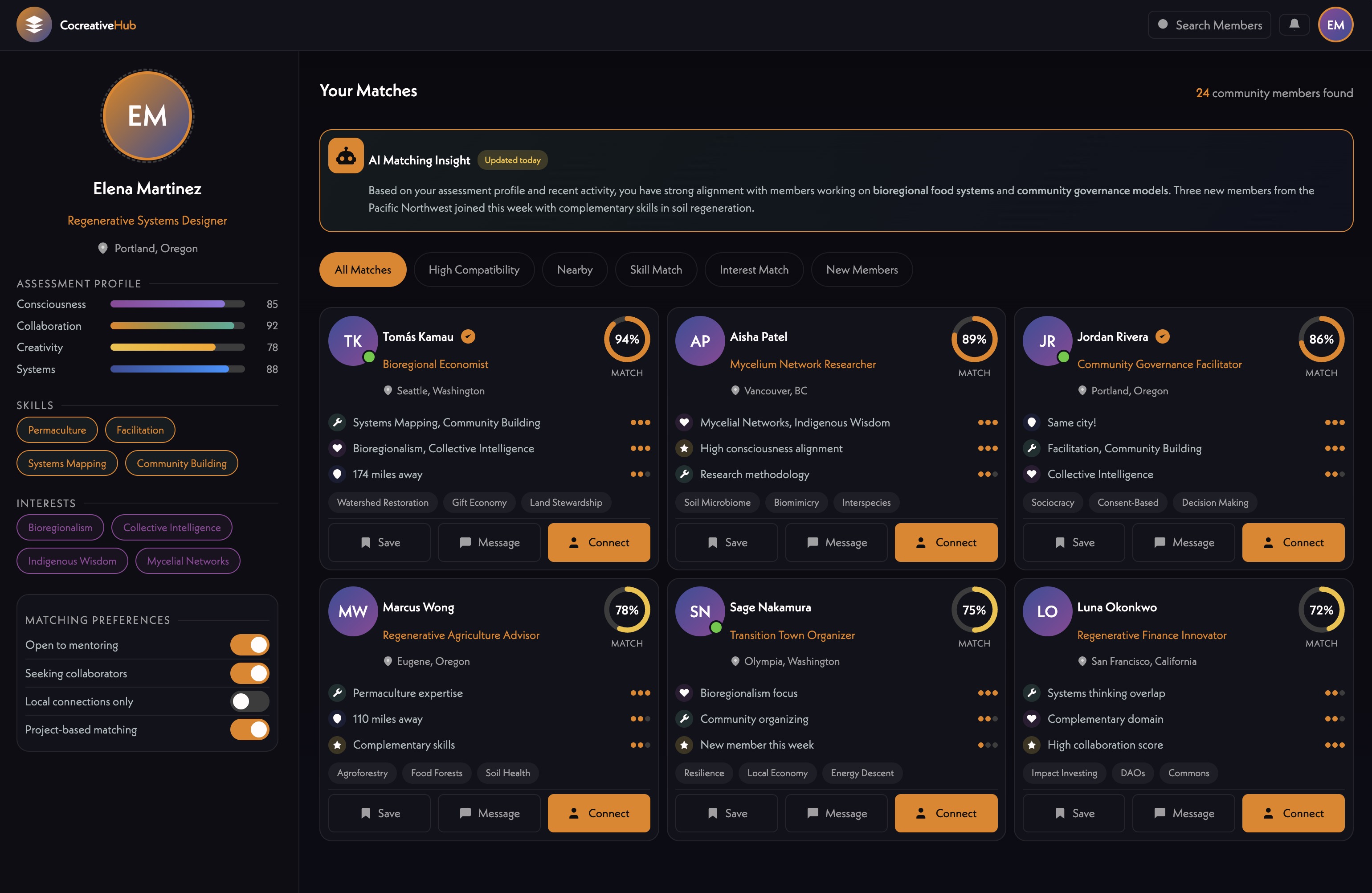
[technology="Intelligent Matching Algorithms"]
[technology="Assessment Systems"]
[technology="Directory Systems"]
[technology="Community Facilitation Tools"]
[technology="Video Conferencing Solutions"]
[technology="Collaboration Management Tools"]
[technology="Parametric Geometric Interfaces"]
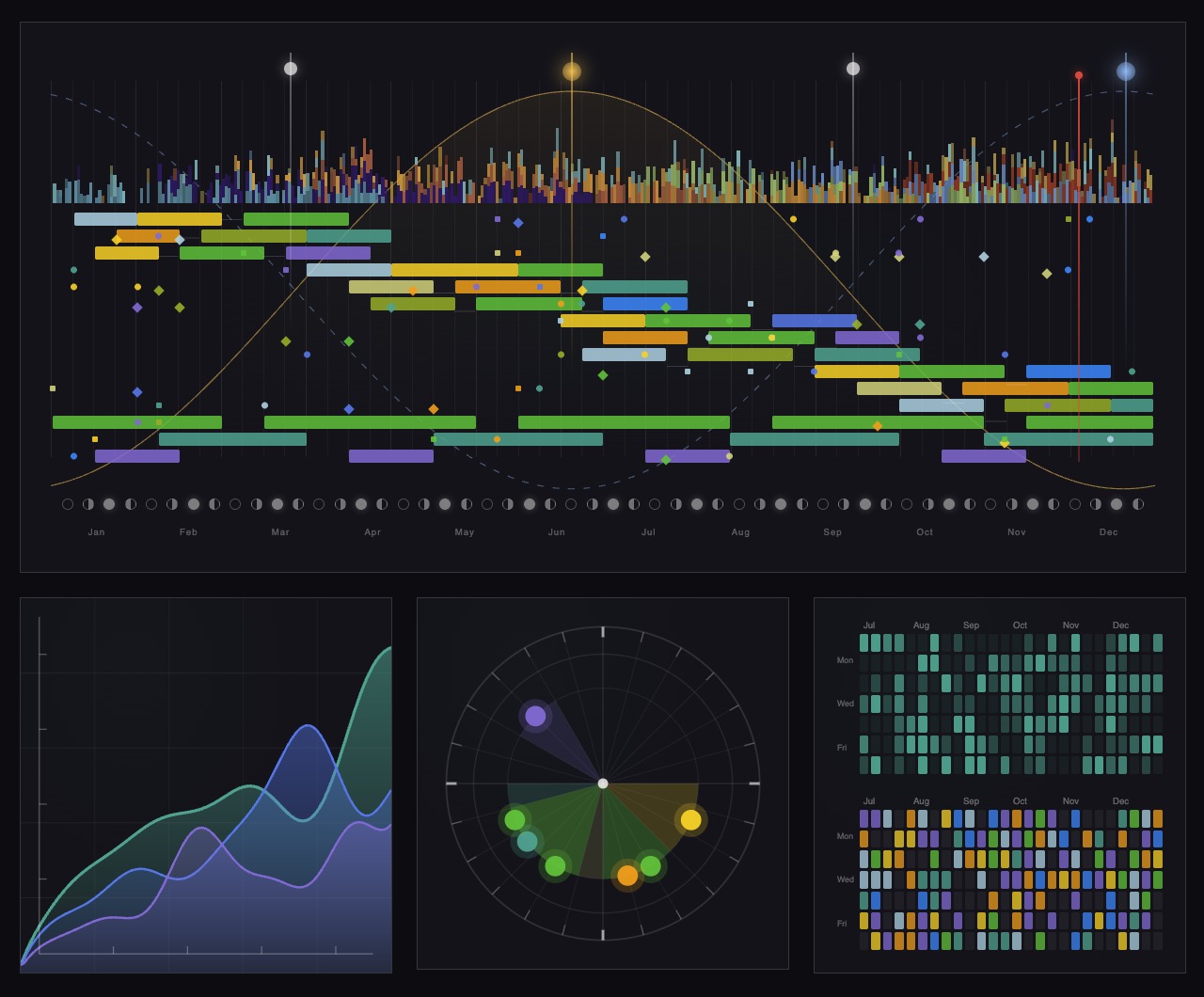
[technology="Time-Aware Toolsets"]
James emphasized these technical capabilities must be wrapped in beautiful, sacred, and resonant design that feels distinctly like IRIS work (09:11). The goal is creating reusable templates that are already beautiful before client customization begins.
The new approach enables significantly higher project values. Website packages using these core technologies should start at $20k minimum for bare bones implementations (11:47). James is also exploring monthly licensing agreements where clients pay to use IRIS-developed systems, plus customization fees and ongoing support.
This represents a potential 10x increase in project values compared to previous pricing (14:24).
Major Projects in Pipeline:
Active Team Members:
Moenja expressed concern about lack of visibility into the team ecosystem (18:03). She doesn't know who's working on which projects or in what capacity, which differs from IRIS's earlier team-oriented approach with regular meetings and clear collaboration.
Team Culture Goals:
Moenja identified her core strengths as concept creation and feeling into clients to translate their essence into visuals (20:22). While technical aspects aren't her focus, she's open to learning how to better serve developers and improve design-to-development handoffs.
James wants Moenja to help create a user experience language that's both highly usable and beautiful, serving as the foundation across all projects (09:11). This includes designing the template systems for LMS, membership portals, and other core technologies to feel distinctly like IRIS creations.
Collaboration Approach:
James demonstrated several AI-powered workflows transforming the studio's efficiency:
Meeting Documentation (38:48): Meetings are transcribed, then fed into Claude [tag="claude"] to generate structured summaries with technology tags and shortcodes linking to relevant transcript moments. These artifacts become starting points for projects.
Design Acceleration (39:20): James fed meeting summaries and brand questionnaires into Claude [tag="claude"], which generated a draft website for Light Creators as a starting point before their second meeting. The draft can be converted from HTML to Figma [tag="figma"] using plugins, providing structure, colors, and foundation for creative refinement.
Task Management Agent (32:48): James built an AI agent [tag="claude"] that can chat with his task list, schedule his day, and integrate with Google Calendar [tag="gmail"]. The vision is extending this to client-facing project management where an agent keeps everyone on track and clients can get immediate project updates.
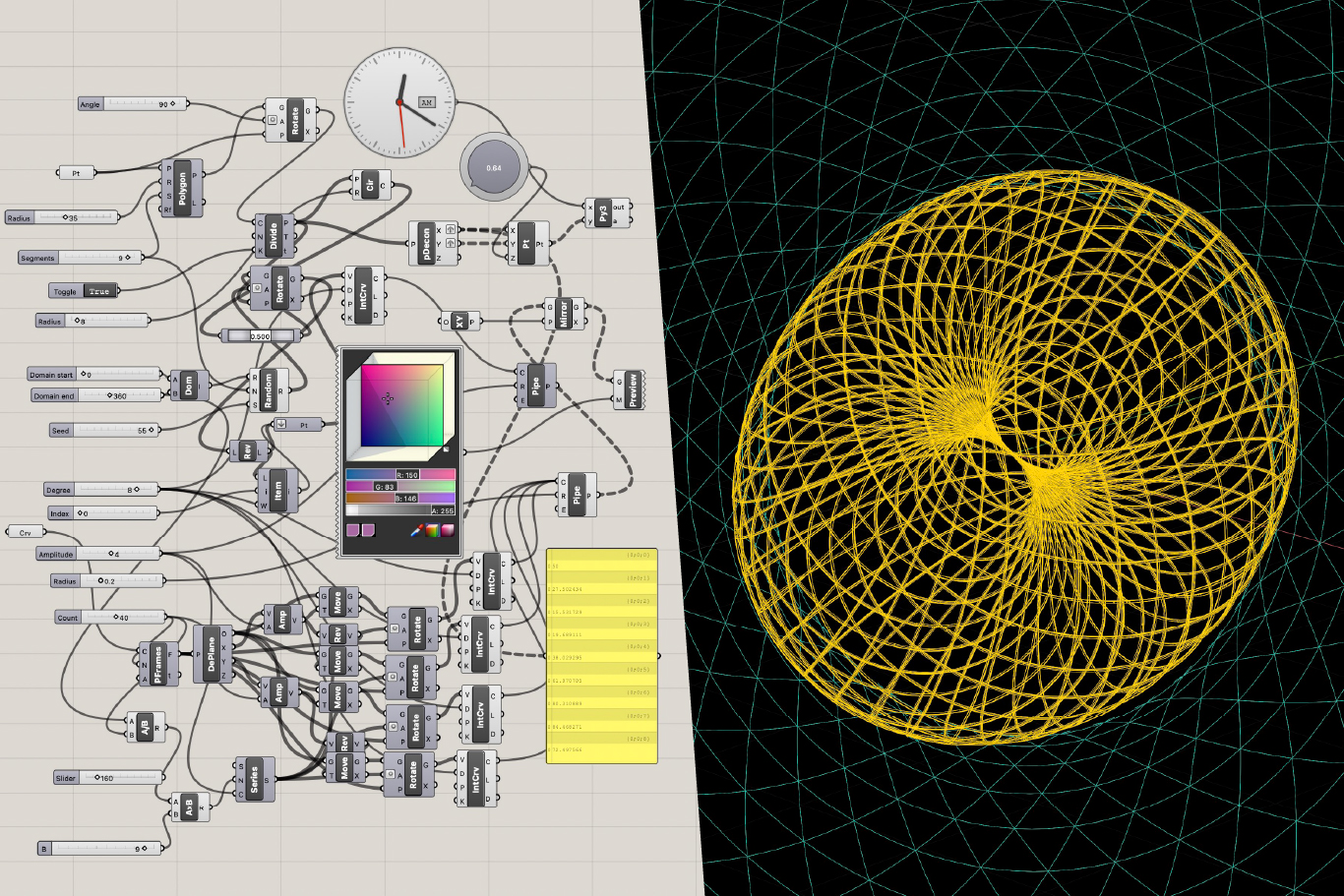
Parametric Tools (01:02:06): James created JavaScript [tag="js"] tools from Grasshopper [tag="grasshopper"] scripts that clients can use to explore geometric variations interactively, taking screenshots to send back rather than requiring technical Grasshopper sessions.
James emphasized these tools should handle what they're good at, freeing the team to focus on creative work that machines can't replicate (40:48).
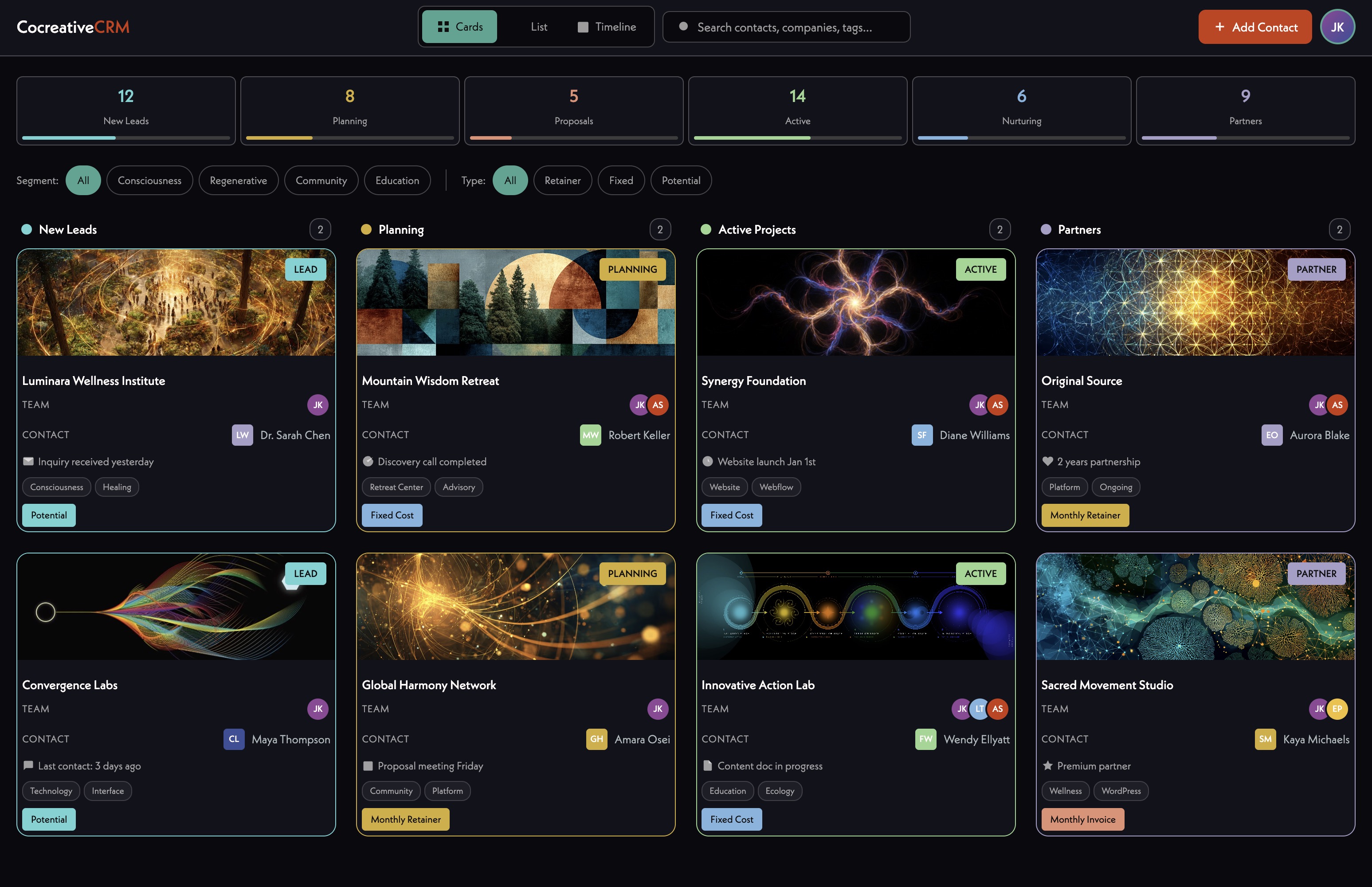
James is developing a custom CRM [tag="airtable"] for project organization with timeline visualization, phase tracking, and team assignments (29:32). The system includes auto-generated timelines based on dates with manual adjustment capabilities.
The working sessions tool tracks time and work descriptions across projects (46:54). While not requiring exact time tracking, it builds team visibility into what everyone is working on and helps ensure appropriate client billing and project profitability.
[technology="Collaboration Management Tools"]
James acknowledged he's chronically undercharged, paid everyone before himself, and often been late with payments (44:26). A major 2026 goal is establishing good money habits: tracking work properly, charging appropriate rates, paying team members on time, paying himself adequately, and ensuring solid profit margins.
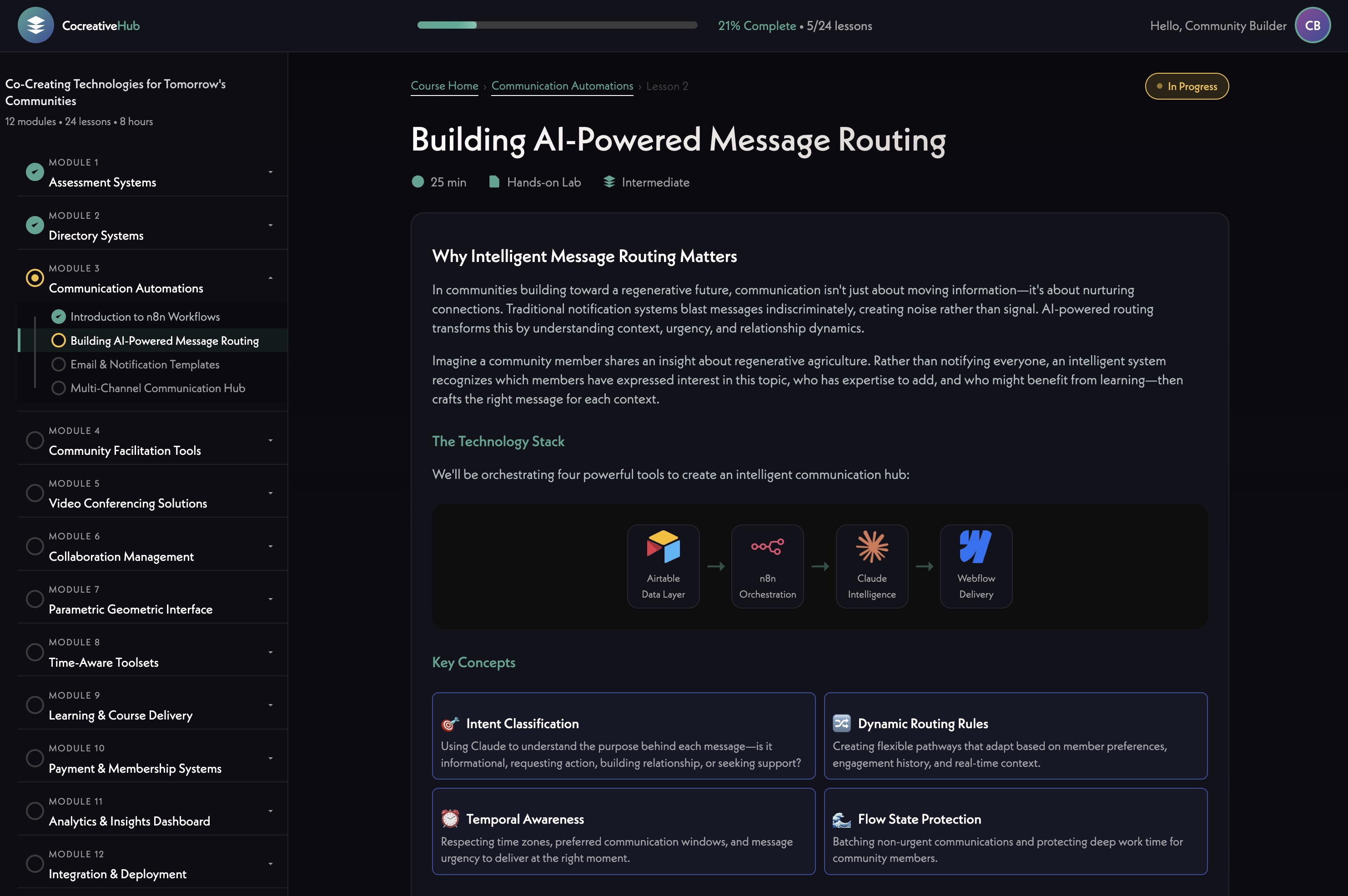
Plans include creating an internal learning management system using the LMS template being developed for clients (35:01). This would house lessons organized by the new technology modules, with visibility into who's engaging with content and ability to comment and collaborate on lessons.
Moenja requested a learning channel where James shares videos and resources for her professional development (34:46), particularly around AI tools and app development concepts. She emphasized the importance of learning together and helping each other grow as a core team value.
James expressed openness to professional development sessions on topics like money mindset and overcoming creative freelancer limitations around charging appropriate rates (53:02).
James proposed a retainer model offering Moenja the stability she seeks (27:32). This would include:
Availability Considerations:
Moenja will reflect on and propose specific monthly hours and base rate that would feel good starting January, with vision for where she'd like to be in six months and one year (50:00).
James shared his motivation for making IRIS more profitable: preparing for parenthood (trying for kids in 3-4 months), recognizing he makes far less than his wife despite working more hours, and wanting to adequately compensate both himself and team members who grow with the studio (51:41).
The goal isn't just money but the freedom money enables: doing more awesome work, building IRIS's own projects, taking bigger risks, having time off for soul nourishment, staying consistently energized, and making bigger impact in the world (52:39).
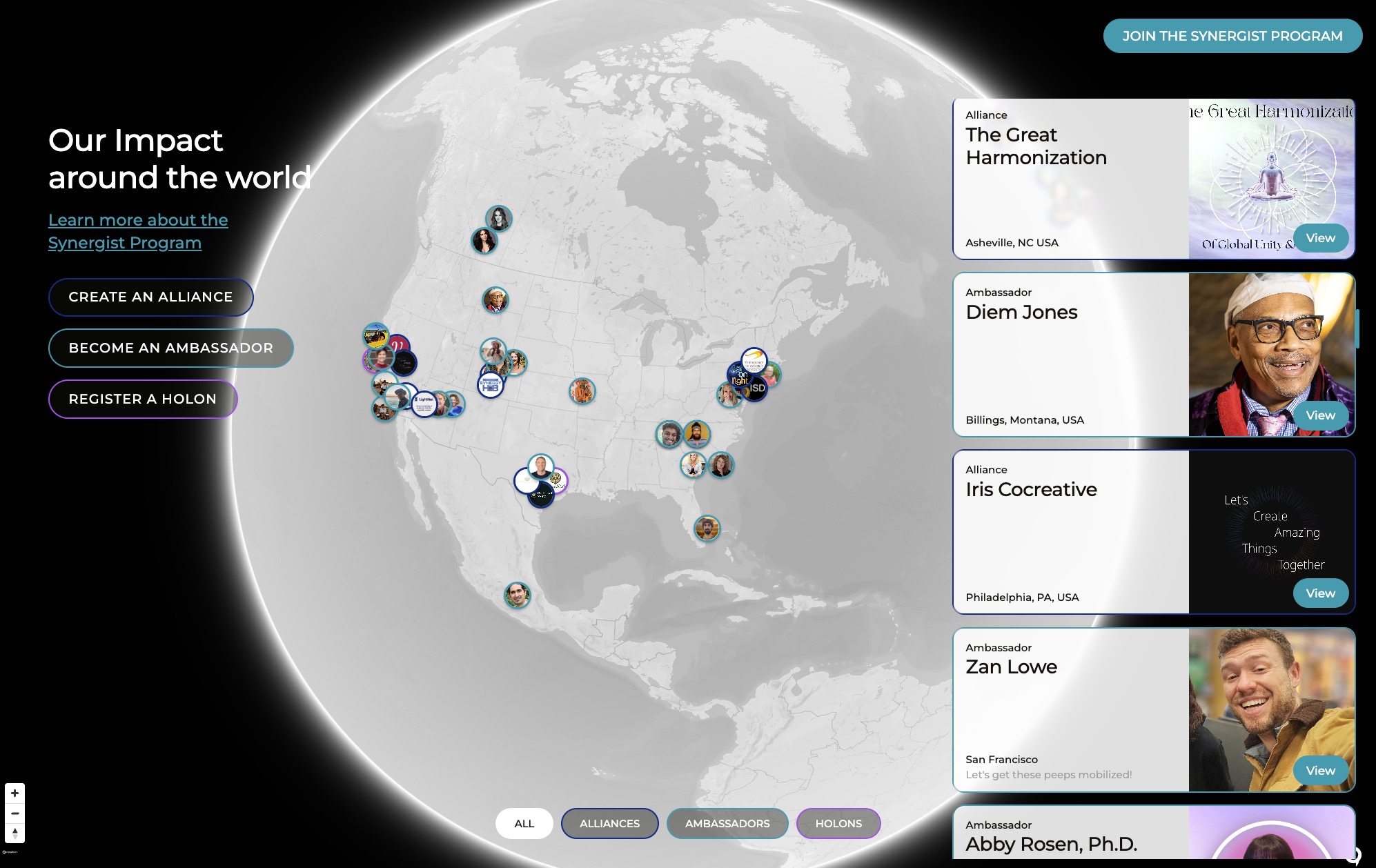
James introduced the Light Creators project for David, a coach in Berlin (56:43). The existing website is outdated and primarily in German. Timeline extends over the next couple months for branding and website redesign.
Project Status:
Moenja's Assignment:
James will process the second vision session and send summary that evening (01:04:49). He also mentioned a second similar project Moenja might help with if she has capacity.
Moenja
James
Both
James shared updates on significant life changes, including getting married and preparing to start a family, while Moenja is recovering from burnout and grief following her father's passing (02:01). Both expressed readiness to embrace 2026 as a fresh start, with James noting the Chinese astrology shift from snake year (transformation) to fire horse year (momentum and action) (03:23).
Moenja emphasized her need for more structure, stability, and rhythm in her work life after a challenging year focused on healing (02:01). She's seeking the security of knowing work is coming while maintaining flexibility to travel and serve other clients.
James outlined a fundamental shift in IRIS's positioning from website builder to app builder (05:14). The studio is developing a suite of core reusable technologies that can be deployed across multiple projects, enabling higher pricing and greater profitability:
[tag="webflow"][tag="airtable"]
Core Technology Modules:
[technology="Online Learning Platforms"]
[technology="Custom Membership System"]
[technology="Communication Automations"]
[technology="CRM System Templates"]
[technology="Intelligent Matching Algorithms"]
[technology="Assessment Systems"]
[technology="Directory Systems"]
[technology="Community Facilitation Tools"]
[technology="Video Conferencing Solutions"]
[technology="Collaboration Management Tools"]
[technology="Parametric Geometric Interfaces"]
[technology="Time-Aware Toolsets"]
James emphasized these technical capabilities must be wrapped in beautiful, sacred, and resonant design that feels distinctly like IRIS work (09:11). The goal is creating reusable templates that are already beautiful before client customization begins.
The new approach enables significantly higher project values. Website packages using these core technologies should start at $20k minimum for bare bones implementations (11:47). James is also exploring monthly licensing agreements where clients pay to use IRIS-developed systems, plus customization fees and ongoing support.
This represents a potential 10x increase in project values compared to previous pricing (14:24).
Major Projects in Pipeline:
Active Team Members:
Moenja expressed concern about lack of visibility into the team ecosystem (18:03). She doesn't know who's working on which projects or in what capacity, which differs from IRIS's earlier team-oriented approach with regular meetings and clear collaboration.
Team Culture Goals:
Moenja identified her core strengths as concept creation and feeling into clients to translate their essence into visuals (20:22). While technical aspects aren't her focus, she's open to learning how to better serve developers and improve design-to-development handoffs.
James wants Moenja to help create a user experience language that's both highly usable and beautiful, serving as the foundation across all projects (09:11). This includes designing the template systems for LMS, membership portals, and other core technologies to feel distinctly like IRIS creations.
Collaboration Approach:
James demonstrated several AI-powered workflows transforming the studio's efficiency:
Meeting Documentation (38:48): Meetings are transcribed, then fed into Claude [tag="claude"] to generate structured summaries with technology tags and shortcodes linking to relevant transcript moments. These artifacts become starting points for projects.
Design Acceleration (39:20): James fed meeting summaries and brand questionnaires into Claude [tag="claude"], which generated a draft website for Light Creators as a starting point before their second meeting. The draft can be converted from HTML to Figma [tag="figma"] using plugins, providing structure, colors, and foundation for creative refinement.
Task Management Agent (32:48): James built an AI agent [tag="claude"] that can chat with his task list, schedule his day, and integrate with Google Calendar [tag="gmail"]. The vision is extending this to client-facing project management where an agent keeps everyone on track and clients can get immediate project updates.
Parametric Tools (01:02:06): James created JavaScript [tag="js"] tools from Grasshopper [tag="grasshopper"] scripts that clients can use to explore geometric variations interactively, taking screenshots to send back rather than requiring technical Grasshopper sessions.
James emphasized these tools should handle what they're good at, freeing the team to focus on creative work that machines can't replicate (40:48).
James is developing a custom CRM [tag="airtable"] for project organization with timeline visualization, phase tracking, and team assignments (29:32). The system includes auto-generated timelines based on dates with manual adjustment capabilities.
The working sessions tool tracks time and work descriptions across projects (46:54). While not requiring exact time tracking, it builds team visibility into what everyone is working on and helps ensure appropriate client billing and project profitability.
[technology="Collaboration Management Tools"]
James acknowledged he's chronically undercharged, paid everyone before himself, and often been late with payments (44:26). A major 2026 goal is establishing good money habits: tracking work properly, charging appropriate rates, paying team members on time, paying himself adequately, and ensuring solid profit margins.
Plans include creating an internal learning management system using the LMS template being developed for clients (35:01). This would house lessons organized by the new technology modules, with visibility into who's engaging with content and ability to comment and collaborate on lessons.
Moenja requested a learning channel where James shares videos and resources for her professional development (34:46), particularly around AI tools and app development concepts. She emphasized the importance of learning together and helping each other grow as a core team value.
James expressed openness to professional development sessions on topics like money mindset and overcoming creative freelancer limitations around charging appropriate rates (53:02).
James proposed a retainer model offering Moenja the stability she seeks (27:32). This would include:
Availability Considerations:
Moenja will reflect on and propose specific monthly hours and base rate that would feel good starting January, with vision for where she'd like to be in six months and one year (50:00).
James shared his motivation for making IRIS more profitable: preparing for parenthood (trying for kids in 3-4 months), recognizing he makes far less than his wife despite working more hours, and wanting to adequately compensate both himself and team members who grow with the studio (51:41).
The goal isn't just money but the freedom money enables: doing more awesome work, building IRIS's own projects, taking bigger risks, having time off for soul nourishment, staying consistently energized, and making bigger impact in the world (52:39).
James introduced the Light Creators project for David, a coach in Berlin (56:43). The existing website is outdated and primarily in German. Timeline extends over the next couple months for branding and website redesign.
Project Status:
Moenja's Assignment:
James will process the second vision session and send summary that evening (01:04:49). He also mentioned a second similar project Moenja might help with if she has capacity.
Moenja
James
Both
Strategic shift in business model moving away from custom one-off solutions toward developing perpetually evolving toolsets that benefit all clients indefinitely. When improvements are made to core technologies, all clients using those modules receive updates automatically. This approach enhances client relationships through ongoing value delivery, improves scalability, creates recurring revenue opportunities, and builds compounding institutional knowledge. Focus on leveraging AI capabilities to provide sophisticated functionality while combining human design sensibility with emerging AI tools. Transition from website studio to web app development model with emphasis on 'beautiful business' serving purpose beyond profit maximization. Aspirational collective ownership model for team members where contributors share in long-term value creation. New retainer collaboration model where contributors maintain independent client relationships while working with IRIS, creating symbiotic learning environment. Team members work on backlog of client and internal projects, ensuring consistent work availability and reducing organizational bottlenecks. NEW: Structured three-tiered external rate system replacing ad-hoc discounts: Tier 1 (standard market rate), Tier 2 (financially capable mission-aligned clients), Tier 3 (partners/Global South/early-stage). James rate increased to at least 2x Sean's reflecting strategic and architectural value (20:30). Monthly retainer model for clients enabling clear team capacity allocation and planning (15:03). James implementing regular $10,000/month salary with research needed on contractor vs employee structure (48:11).
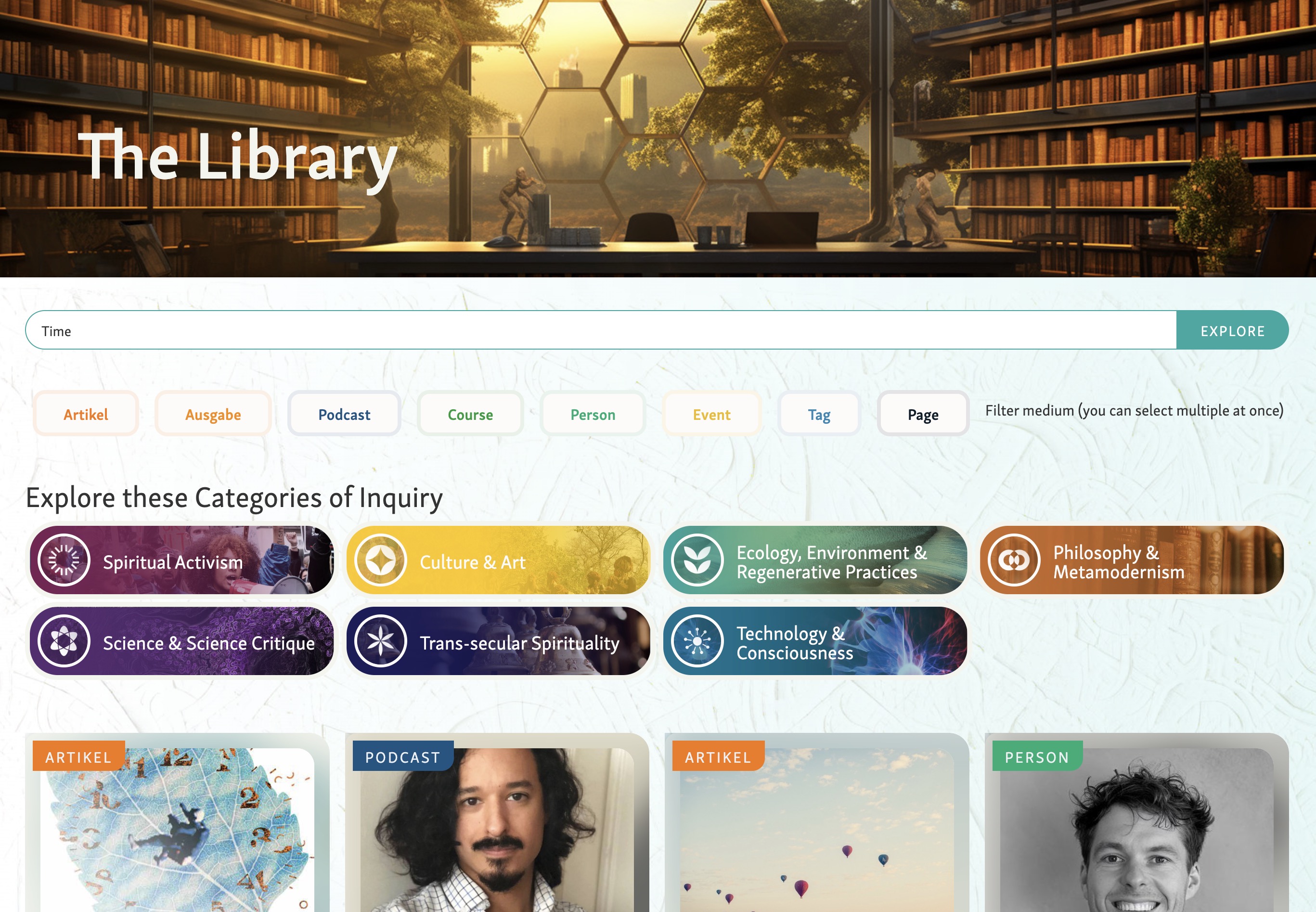
Centralized resource hub serving as home base for team and new members. Organizes information by categories like development and design, covering style guides, class naming conventions, tool selection, project organization, and time tracking procedures. Long-term vision includes an AI bot with access to full resource library for conversational Q&&A interface, transforming traditional FAQ model into intelligent assistance. NEW: Secure Google Drive folder structure for contractor documentation (W9/W8 forms) being implemented (01:27:53). Historical time tracking and invoicing data compilation to support budget frameworks and capacity planning (16:53).
00:00:00
Moenja Schijven: Been a long time. Yeah, I'm good.
00:00:02
James Redenbaugh: This meeting is being recorded. Watching us. I'm doing good. So busy. Yeah, we got these three cats now.
00:00:17
Moenja Schijven: Yeah, I saw them. Yeah.
00:00:19
James Redenbaugh: And. Yeah, I can't complain. Feel like I've never been busy either.
00:00:28
Moenja Schijven: Like, in personal and work life or.
00:00:31
James Redenbaugh: Yeah, everything. Everything. But, yeah, I haven't talked to in a while. Did a whole marriage.
00:00:38
Moenja Schijven: Yeah. Yeah.
00:00:40
James Redenbaugh: My mom out of her house. Been helping my dad with stuff and then working hard to kind of rethink Iris from the ground up.
00:00:53
Moenja Schijven: Yeah.
00:00:54
James Redenbaugh: Doing a bunch of client stuff and. Yeah. Excited to. To share with you something about that. How are you doing? How's your road trip?
00:01:09
Moenja Schijven: We just had a camping trip on the beach, which was. Yeah. Yeah, just for a few days, but it was really nice. Just disconnected from the world and being in nature with a group of friends, which was really beautiful. And. Yeah, I'm like, for me, the last months have been more slow. I think I've been recovering from my burnout and the grief in the last year, like, processing a lot after my dad passed away and then also a lot of health issues. But I feel like I'm starting to get my passion back and, like, the motivation and the. The fire inside me, like, for the next year especially, like, I feel like I want to start fresh and. Yeah. Leave all this year behind me and look for a bright future again. Like that. Like, of course it's. I. At some point, I had to accept, like, this year is all about healing and grief and going through all that, which was difficult in the beginning, but I think that's. At some point I got to the accepting and then I also started to heal. Like, I feel once I. I completely surrendered to. Just got better and better and. Yeah, I'm ready to also to like what I sent you before, to get more structure, more stability and be more focused in my life, in my personal life, in my career, my work, in my hobbies and, like. Yeah, lots of stuff. Yeah.
00:03:01
James Redenbaugh: Awesome.
00:03:02
Moenja Schijven: Yeah.
00:03:03
James Redenbaugh: Yeah, me too. This year, for myself and a lot of people I know has been full of challenges and all kinds of different. Different difficulties.
00:03:20
Moenja Schijven: Yeah.
00:03:23
James Redenbaugh: And, yeah, Chinese astrology, it's been a real snake year about transformation and shedding the old and slithering around and coiling up and finding the new.
00:03:43
Moenja Schijven: Yeah.
00:03:45
James Redenbaugh: And next year is a horse year. Fire. Horse. Okay. We're about going for it, and I.
00:03:53
Moenja Schijven: Think I'm a horse. I'm pretty sure I'm a horse from. Oh, yeah, yeah. I see a horse or a goat. I see that. I thought it was a horse.
00:04:05
James Redenbaugh: I'm a snake.
00:04:07
Moenja Schijven: Okay. Yeah.
00:04:09
James Redenbaugh: Yeah. But either way, next year is going to be a good year. And yeah, with, with Iris, I feel like there's, there's a lot building for, for 2026. I shared a few little, little things with you. I don't think I've shared this yet, Have I?
00:04:48
Moenja Schijven: No, I haven't seen that one.
00:04:51
James Redenbaugh: So this focuses on the more advanced technologies that we can build into the kinds of webflow sites that we're building. So we're working on learning management, like fully custom learning management system, fully custom membership system for webflow, custom communication automations using AI agents and different things, building custom CRMs, intelligent matching algorithms, assessment systems and directory systems like we've built before, and different kinds of community facilitation tools, video conferencing solution that's fully custom that we can build into websites, collaboration management tools, parametric geometric interfaces, time aware tool sets. And these ones at the bottom are more, more abstract. You know, these can be any, any number of things.
00:06:14
Moenja Schijven: Yeah.
00:06:14
James Redenbaugh: But other things are more concrete like the learning management platform that we're working on. And essentially I want to. Focus more of our energy as a studio on these core technologies that can be used across multiple projects at once so that we can scale more effectively and make a lot more profit and deliver a lot more technical solution to our clients that are looking for community management features and building platforms, not just websites. So I want to position us more essentially as app builders than website builders because what we can do now is, you know, really is essentially building, building apps and there's not really a limit to, to what we can do with the tool set that we have now. And that doesn't mean that we won't keep building, you know, brands and I'm sure we'll have, continue to have smaller website builds and things like that. But I want to make the, I want to find a core product that's just really easy for us to duplicate so that we can start bringing in a lot more stable, steady profit. We can charge a lot more for web apps than we can for one off websites. And though the way this page makes it look, because it's, it's a sketch right now to help me kind of think through it. And I'm sharing it with some clients and, and some people, but I know it makes it all seem very technical and I'm not trying to turn Iris into a software company. I want all of this to be paired with the, the beautiful design and the branding and the subtlety that we're known for largely, largely thanks to you. So we can have these kind of engines or I think of them like organs in the body. A client comes and they need a liver and a kidney and a lungs and they need those to work together. But we also need to design the whole body and the skin and, and, and the look of it. And so, you know, I love your help on one side, helping us design a user experience language that's super usable and clean and you know, not. Nothing too, too crazy, but I want it to be beautiful and, and sacred and resonant. So even in the learning management system, it's not just like, here's the boxes for the lessons and here's the buttons and they look like buttons, but it feels like something we would have made that's both really usable and beautiful. And so I want to spend more time to like make a language that, that we can use across all projects in the future as a starting place. So it doesn't mean we won't customize things for people. But like, I want our template for the learning management system to be beautiful in itself, to feel like a, an Iris site. And then when we tailor it for a client, we'll of course make it even more beautiful and really unique to them and we can change things. But I wanted to have like a, a solid starting place. And then also, of course we'll continue to be doing, you know, branding packages and, and page design and visual storytelling and create static, you know, page content for clients to, for, for the rest of their site. So these, these pieces need to make sense from a user experience perspective, but also from a beauty perspective. And yeah, I think that if.
00:11:46
Moenja Schijven: If.
00:11:47
James Redenbaugh: All goes according to plan, I want to. We already have some clients that are pretty committed to a learning management system. We already have clients using assessment systems that we've built. And once we have the, you know, we figured out that, that we figured out the intelligent matching, we're figuring out the membership system and we'll figure out the online learning. Once we have those dialed in, a website package that uses those things should be like 20k minimum, bare bones. Or we might have a kind of licensing agreement with, where clients are paying monthly to use these systems that we've already developed and support and then they pay us to tailor it to them and then they pay us per month to use it. But once we start really having a few of these pieces of the puzzle put together, I want to start actually marketing more. Slash that off. We're yet to do any marketing for Iris. That's not word of mouth, but I think that it's time to do some more stuff externally to get to a point, you know, six months a year from now where we have this solid suite of technologies that we can use to create something that really no one else that I can see is creating for organizations that really want a very custom experience for their learning community or their labs or their teams or their clients.
00:14:01
Moenja Schijven: I'm losing the voice. Your sound. I'm not sure if it's me or you.
00:14:14
James Redenbaugh: Is that better?
00:14:15
Moenja Schijven: Yeah, I can hear you now. Yeah.
00:14:17
James Redenbaugh: Cool. Where did you lose me?
00:14:21
Moenja Schijven: Like a minute ago? I. I got like.
00:14:24
James Redenbaugh: Yeah. I was just saying I think we can charge like 10 times and more what we have been charging.
00:14:34
Moenja Schijven: Yeah.
00:14:35
James Redenbaugh: For much bigger things. And the Hollow Movement is. They haven't committed to a proposal that I'm working on with them yet, but it looks like they're going to commit to doing a whole lot of this with us over the next six months before the Hollow Movement wave in Portugal in May of next year. So we've been doing a ton for them on the technical side. And now it's like we're going to help them build an app essentially with online learning and membership and more advanced directory system and built in assessments and all of this stuff. And so they're a great kind of. Foundation to. To get started with a lot of this. And then there's also. There's another project, Gaia warriors that we're going to start in January. That's $18,000 site that will do over about five months. Conscious Healing International is another. They're seeking funding right now, but it's likely that we'll do a big one with them. I'm working on a site for this client right now, David, that I'd love to bring you into. Actually, this initial site is more low, lower key. His personal site. We're not doing anything to technically advanced, but I'll. I'll mention that Flourish has. Project has kind of been puttering along. I can catch you up on where we're at with that. Hermitage World is another big potential one, but I got to get back to them with a proposal. I've been dragging my feet on that. Hopefully they're still interested. And so we've got a few. A few calls in the fire already and a number of design needs on that. And I. I'm still the. The linchpin or the bottleneck in the whole. In the whole thing where, where, you know, too many things require too much of my attention. So I'm Working too much every day.
00:17:17
Moenja Schijven: Yeah.
00:17:20
James Redenbaugh: You know, actually delegating. Delegating things and invoicing clients are two things I don't. I do not make enough time for. So, yeah, I'd love to talk to you about a system for next year that could work really well for you. A way where we could find a monthly rhythm and get your help working on these different projects, but also working on the kind of core IRIS stuff. And yeah, I'm wondering what ideas you might have for how you'd like that to look and what you're hoping for.
00:18:03
Moenja Schijven: Yeah, well, first of all, it sounds really exciting. I see you've done a lot of work to get this to the next level and there's a lot of potential. I'm also really curious to hear about the. Like to get an understanding about the IRIS ecosystem in a way. Like, who is working with you? Like, like, what are there more designers? Are there, like, who. Who is in which position and how much? And like, maybe that could be interesting also to create in a visual, like, to. So everyone. I think it. Then it becomes more as a team. Where we started with in Iris, I think it was very team oriented and like, you know, we had these weekly team meetings and trying to work together in ways. And I think that's what I'm missing here a little bit. Whereas, like, we're in contact, but I have no idea who's behind which projects or like, who's involved where and for what. What are they doing? Like, I see some names popping up sometimes that you have no idea what their involvement is. So I will be curious about that first of all. And then of course, yeah, seeing like, what is my position and where can I bring in my strengths and talents and skills and be helpful? Personally, for me, I would like to bring in, yeah, more of a rhythm, like, more stability that I know can plan ahead as well. Like, that I know what's coming for me. And like, I don't need to plan like for the next few years, but at least for a few months ahead. Not that I need to know what projects are coming, but that I need to know, like, oh, there is were coming. So I'm gonna. I think that will take a little bit of stress from my shoulders. The uncertainty, the. Which I've been feeling in the last year. I think like, was leading up to maybe the burnout where, yeah, always trying to take on everything because not knowing when I don't have work anymore, you know, but if I know, like, let's say, oh, it's James, I'm solid for the next six months and then I can also let go of other stuff and put my focus completely on you. Or if there's. I feel there's more space, I can take on other stuff. But then I think I can manage my. Yeah. My nervous system better in my work life and combination with personal, with traveling and. Yeah, but how that looks in Iris. Yeah, I like. I think what I like most doing in Iris is the concepts creation, the field that's also my talent, I think feeling into the clients, the projects, and translating that into a concept and visuals, The technical part. Oh, yeah, of course that's not really my thing, but I love to hear about it always and like look at it and also learn about it in a way that how can I be better to serve the next person in line or the developer or how can we collaborate better? Like, how can I improve my designs that it's more easier for them or So I would also be open in the future to have like, sessions with other team members to, to learn from them, like what helps and also the other way around, like, what would I need to improve there? Yeah. And to make things more smooth and even. Yeah. Like set up more templates, things so we can be quick and efficient. But how that looks in like a practical reality kind of things, I feel that's more like. Yeah, what. What do you need? What. What is. Where do I fit within that ecosystem of Iris?
00:22:41
James Redenbaugh: Yeah, yeah. Yeah, Good question.
00:22:44
Moenja Schijven: Yeah.
00:22:46
James Redenbaugh: I want to, I want to get back to a place of feeling more like a team. We have so many discrete projects where I'm working with maybe one or two people. Yeah. And we have Yvonne who's involved in a lot of, A lot of things. He's our, our one guy on a retainer right now. We usually pay him 2,000amonth. Sometimes he doesn't invoice us that much if, if he hasn't done that much. But I'm, you know, sending him, sending him things all the time and, and he does mostly development, but some design, mostly ui. And of course you've worked with him. And then we just have. I've done an initial project with the developer in Germany, Andy, who also does design. He seems great. I want to integrate him more. We did one, one project together and I was pretty happy with it. He's a neat guy. And. And I've started doing a couple projects with another designer in California who does more kind of design thinking or workshops. And she kind of. She's a holistic service provider. She'll build, you know, websites and do the, the branding and the, the design and the imagery and the copywriting and everything. So she's fun to work with because she's kind of similar to me in that regard with less development focus. But we're trying to find the right, the right rhythm and I'm still getting to know her design sensibilities and then that's kind of it right now. I've been doing so many things myself, I stopped working with the, the agency in Kosovo. Their productivity kind of went off a cliff even though I kept paying them more. And I think that we are going to want to, I think we're going to need more UI design support and more technical support and somebody who, other than myself who can understand the more advanced stuff that we're doing now because a lot of that is, is on my shoulders and won't mean putting everybody on the retainer, making everybody full time or anything, at least not right away. But I'd love to find, you know, more of a core, get more of a core team energy going even across the different time zones that we're in. Yeah, I don't think we need to do like a weekly meeting because it can be so hard to coordinate with, with Bali time, but at least a, at least a monthly and. Yeah, and I think it's a good, a great idea for you to, you know, meet one on one with other team members and get to know what projects from their perspective and, and they. Your perspective and I think that, you know, it like if we could, if say you were working with another designer who's like really good at user interface stuff and understands like app design and app building, I'm sure you would help them really think outside of the box of what's possible and they would help you think about like, well, we should put this in front of the user. This is going to be hard for the user to use and things like that.
00:27:32
Moenja Schijven: Yeah. And really learning from each other. Right. Like growing together like as we have been doing, I think. Yeah.
00:27:44
James Redenbaugh: Yeah. And so, yeah, I'd love to find a, a retainer structure with you so that you could have that stability that you're seeking. And it would incentivize me to line up the things that you, for you to do and if you run out of client stuff to do, we can have like a backlog of Iris things that you can focus on, which can also include your own ideas. You know, you don't have to wait for me to, to tell you what you, what you should do. If you feel inspired to. You know, improve our, our resource library or build out a. Tool set or, or a tool or, you know, research something new that you think will be really valuable for, for the team that I want you to feel like you can follow those, those impulses. And yeah, I want to find a way to. Line up more projects. I think that these bigger projects with longer timelines will, will really help having, with having work like ready to go and because a bigger timeline can mean more flexibility. So, you know, if you, if you have space for design, we can shift things around a bit to have you focus on this one week and something else the next week, something like that. And. I've been building these tools also for organizing and visualizing the, the different projects and the work that we're doing as well. So like down here, here's a timeline for the, you know, development pushes on these different aspects. But we also have, for any given project, We have our custom CRM that's evolving all the time. And I can go into Uncommon Partners, for example, over here. Oh, did I, I lost the buttons. I gotta fix that. I know it happened. I'll just do this. For example, I know this one's organized. We have, you know, who's working on this, who's the client, where are the key meetings, you know, what are the different phases of the project that we're working on, what stage are they in and then what's the timeline? And this is all, you know, auto generated by the dates that I put in here. But then I've also found ways to adjust things manually right here and then I can, I can click save and those changes will be saved right there in, in the interface. So over time I want this to be, you know, basically as, as capable as ClickUp ever was, but designed how we want it to work for us and nothing else. So I'll be very curious what, you know, what will work best for you and to get your, your input and the help on the design to make a system that, that works great for you and helps you organize your work and plan your day and everything.
00:32:46
Moenja Schijven: Yeah.
00:32:48
James Redenbaugh: I saw what you shared. I also want to share this real quick. This is running on my own machine, but I want to integrate this with the working sessions UI that we've been doing. This is a way for me to have an agent to chat with my own task list and then I can have it schedule my day based on my Tesla. It'll integrate with my Google Calendar and everything and eventually it can be a way for clients to talk to us immediately about their project. And chat with us and we can have an agent that keeps everybody on track and functions as a project manager and we can design that however we want.
00:33:45
Moenja Schijven: Yeah, yeah. I'm also curious about like your inputs on my learning. Learnings, I think in terms of like AI and apps and like, if you ever have like videos that I need to watch, just send them over. Maybe we could have like a learning channel where you feel like munia, you really need to step up this part. Like can you focus on, you know, like, can you bring in more here or can you. I feel that's something that's important for me in working in a team. Yeah. Like learning from each other, growing together, giving, helping other. Instead of when you work alone on projects. Yeah. It's always just you and your limits. Right. It's when you work together. And that's what I loved about working with Iris and yeah, stepping into them. In the beginning it was Montaya and then the, the team learning and growing together and working together.
00:35:01
James Redenbaugh: Yeah, yeah, yeah. And all these, all these tools that we're figuring out how to build for clients. I also want to be building and using them for ourselves. So yeah, as soon as we have the learning management template, here's a little mock up I made with Claude's help. But. Are we can have a learning management on the IRA site that's just for us and this is organized by the different, the different modules in the new model. But, and you know, Claude built this for me, but it's actually really helpful content and I want to like put this kind of stuff together about what I'm learning and make it so other people can contribute as well and then we'll actually be able to see each other engaging the content. So it's not just a static resource library that maybe people reads. I can see who's, who's done this lesson and we can leave a comment, be like, you know, well, this is cool or check this out or this makes me think that we should do this for this client because there's, there's so much to learn and online learning isn't, isn't going anywhere. And I want us all to learn how to, how to do it better and how to keep learning together to stay ahead of these, these waves of change.
00:36:51
Moenja Schijven: Yeah, yeah, yeah. I'm feeling that a lot lately. Like, I feel it's happening all so fast and especially within our industry as well. Like it's, there's so much happening and I can't, sometimes I can't keep up anymore. And it's when I'm just alone by myself. It feels like. Yeah, a lot. And like uncertainty, I think, also. But then at the same time, like I mentioned before, I'm really like willing to learn and to step up and to evolve and try to. Yeah. Write that wave of change. I don't know where it's going, but.
00:37:40
James Redenbaugh: Yeah, lately I've been. I'll share this real quick. So I just had a meeting with a client and. Look at the vision session artifact. There we go. So of course, you know, our AI in the meeting is doing the transcription and then I feed it into Claude to create a summary. But then I've also trained it to add short codes so that we can reference the technologies that we're using, you know, either the, the tools or the, the modules in the new model. I'll just mention these right here in the summary and it'll link to, you know, the part of the transcript where we're talking about these different things. And so I can basically take this artifact and maybe any other, like these documents that we're working off the branding questionnaire and the website and paste it into Claude. And this morning I hadn't done much to prepare for this meeting, so I had Claude make a first draft of the website and it did like a pretty good job for, you know, to have a quick draft for a second meeting to look at with the client. It's like awesome. It's a great starting place, you know, and I don't wanna, I don't ever wanna just like generate a site for a client and like have that work and have it be done. No matter how advanced they, they get. I think that we'll always be able to do something that the machines can't as long as we are pushing our skills. But if we can kind of leverage the machines for what they're good at, we can take this as a starting place, use a HTML to FIGMA plugin to drop it into figma and then we have a structure and colors and a starting place to work with to make like the first, first part of the project a lot easier. Then we can focus more of our time on the creative, fun stuff.
00:40:48
Moenja Schijven: Yeah, yeah, I agree with that.
00:40:51
James Redenbaugh: So I'd love to share more about how I'm using those tools and how I'm thinking about it and you know, what, what they're good for.
00:41:03
Moenja Schijven: So. Yeah, and then in terms of like the number of hours, like what do you see? How do you see me being part of that? Like, I personally don't want to work full time. And I'm still open to have, like, flexibility like that. Some months, of course, are busy. They're more busy than other months. Like, I understand the flow in the year. It's, like, going up and down. And I will also still have my own clients here and there. And, you know, I'm. In the end, I'm going to be a freelancer still. Like, I think even for Dutch, The rules are, like, you. You. You need to have more clients anyway. Like. Like, if you. You cannot just show up with one client at the end of the financial year, and then they're gonna ask questions. Yeah, And I want that. Like, I have, like, I'm still meeting a lot of people around the world, and, you know.
00:42:10
James Redenbaugh: Yeah, yeah, yeah. And it's, you know, I think it's awesome for you to continue to have your own clients where you are challenging yourself to. To do everything and to do new things and you learn things there, and. And you can bring what you learn here into that and vice versa.
00:42:30
Moenja Schijven: Yeah.
00:42:31
James Redenbaugh: And when you. When you meet a client that needs some, like, one of these technologies that, you know, we're building out, it's easy for you to. To bring that in. And I also want to incentivize that so that, like, you know, we can pay, of course, for your time on that, but also we can figure out a way to. To give you a portion of the revenue if you bring in a big client. So, yeah, I think. You can let me know what would feel good for you in terms of, like, number of hours in a week to aim for. And, you know, we can have the. The understanding that it. That it'll have some flexibility, and we can build a retainer around that, and you can think about what, You know, what amount per month would feel good for you to have as that, you know, that. That base that you can always rely on. And maybe we frame it in a way where it's like, that's. We have a base, and then if. If we need you more and you don't have clients lined up, then we can get more of your time. And. Yeah, I'm super open to that. And, You know, maybe those. Those hours are at a higher rate per hour. Yeah, it's. I feel also like the. There's. There's, like, your time and energy, and then there's, like, hours, you know, and if I'm a freelancer and I'm invoicing a client hourly, I'm never working, you know, 40 or probably even 30 hours in a week, even if I'm working 50 or 60 hours in that. In that week. And I. I don't want. I want to get out of the. The realm of worrying too much about hours and billables, but I also want to. To make sure that we're making money on. On your time and on everything. I've chronically not made enough money and, you know, paid everybody before myself, and even though I take way too long to pay people sometimes, and I'm sorry for that, I want to get out of all that. I want to stop all the bad money habits next year and pay people on time and regularly and pay myself and make sure we're making good profits and have everything be trackable and stable. And so this. This work session tool. Just share my screen again real quick.
00:46:40
Moenja Schijven: Yeah.
00:46:54
James Redenbaugh: This is a. A good. I think this will be a good way for us to. What are we working on across projects and make sure that we're invoicing the client for the work that we do or make sure the. The fixed cost rate that we've worked out with the client is. Is profitable. So if we can, like, put our client work into this. And I think it's less important to track the. The iris work, but I think it's also great to. To track that as well. And it doesn't have to be an exact thing like the. Everybody has different working habits. And, you know, sometimes I turn the timer on and I forget to turn it off because I go and do something else, and I come back and it's like, well, what it is. But if we can find a habit of, like, regularly inputting not just the quantity of time that we spent on something, but a little report of what we did. You know, this week I spent a few hours on the brand guidelines here, and I took it to this point for this client. And then we can build visibility for ourselves and the whole team of, what are we working on as a team? What's everybody doing? And that'll make it easier for me to plan work into the future and easier to build clients appropriately and easier to make sure that we're charging the right prices for projects. So. Yeah. What's. What's your availability look like the rest of the year? You know, we're halfway through December. I don't expect you to be available, but do you. Do you have capacity to. To do some things already?
00:49:16
Moenja Schijven: I do. Like, even though I was sort of telling myself I'm gonna take rest until the end of the year and then really start, like, get back into it from the beginning, but I do. No, I'm Happy to take some, like, some work, but not too much so I can still have like. I feel like it's like the last two weeks. I'm gonna.
00:49:45
James Redenbaugh: Yeah.
00:49:46
Moenja Schijven: Do some, Some internal work and like, process the last year, but I'm. No, just send me over something if you. And I can see, like, how much I can be involved in it. Okay.
00:50:00
James Redenbaugh: Yeah, sounds good. And then why don't you think about what. You know, like, how it looks like. Yeah. What would, what would feel good for you in terms of a time commitment and a base monthly cost and I'll see if it can work for me. And, and also, like, I'd love to know what, Like, what would feel good for you in starting January and then also what would feel good for you after six months? Like, where would you like to be or, you know, or what are your goals from a year from now even? Yeah, because I want to, I'm going to be. To give some context, you know, I'm married now. We're. Yeah, we're going to start trying for kids in, in, you know, three or four months. And I, you know, I make way. Not enough money for, for being an adult. I've made enough money to be a solo traveler guy with little responsibility. But, you know, my, My wife makes a lot more than me working part time, you know, working way less than me. And so I'm like, okay, I gotta, I gotta re. Rethink this. Iris has to be a lot more profitable. We've been undercharging. Things can be a lot smoother. It's time to take it to the next level. And you know, I, I'm gonna need to pay myself well and, and I want to pay the people working with us well and, and growing with us. And so keep in mind also, like, I want to. I'm going to be thinking about my own goals going into the new year. And of course, it's not just about the money, but when we, when we have more money, we can afford to do more awesome stuff and build our own things, you know, and take bigger risks and.
00:52:39
Moenja Schijven: Yeah.
00:52:41
James Redenbaugh: You know, and, and take time off so our souls are fed and that we can, you know, be consistently energized about the work that we're doing and do better work and serve, make a bigger impact in the world. And it's important to me. So. Yeah. Anyway, I just want to say that.
00:53:02
Moenja Schijven: Yeah, no, I agree with that. And I think, like, maybe also in the future we could do like, again, me bringing in the team thing, the team sessions on these topics, you Know, know, like even maybe with like professional, like we. You work with so many amazing people that have so. Such like broad skill sets and in different things and like breaking through the money limitations and our insecurities and our. Right. And especially if we're going to work more closer together. And I would be really open to do even sessions on that together. I have also a lot to learn with money limitation things. And I think as creatives as well, we always tend to have that issue.
00:53:56
James Redenbaugh: Right.
00:53:57
Moenja Schijven: Creative freelancers.
00:53:59
James Redenbaugh: Yeah.
00:54:01
Moenja Schijven: But no, I totally agree that the money needs to go to the good people in the world and to do more good and. Yeah, yeah, yeah, definitely. And if we live in a world where we need money. Yeah. I'm gonna be in Europe probably from February. I haven't booked it yet, but I'm thinking about it. I miss my family. I need go back and spend a few months there. Maybe go to Morocco again. That's. Yeah.
00:54:40
James Redenbaugh: Great. Nice. It'll be a more convenient time zone.
00:54:44
Moenja Schijven: Yeah, definitely. Yeah. But otherwise I'm so always available in the evenings. If that works better. Like your mornings. My evenings usually.
00:54:56
James Redenbaugh: Yeah. I'm going to try to shift to an earlier timetable Emily's been doing. She's been better at that than me and it's inspiring.
00:55:11
Moenja Schijven: Yeah. Yes.
00:55:15
James Redenbaugh: I added to my, my little calendar widget. I love this so much because I can, I can literally message my calendar to. @. To like improve itself as an.
00:55:29
Moenja Schijven: App. Oh.
00:55:30
James Redenbaugh: Yeah. So I, I added to my calendar here when the daylight is and it's like, why don't, you know, why doesn't every calendar have that? It's so nice to.
00:55:43
Moenja Schijven: See.
00:55:44
James Redenbaugh: Yeah. Like, oh, the sun's rising over here and the sun's setting over there and why am I working so much over here? And why, you know, why aren't I taking advantage of.
00:55:55
Moenja Schijven: This?
00:55:58
James Redenbaugh: Yeah. So anyway, awesome. I love your. Your desire to make things more collaborative and you're reminding me that it's Iris Co Creative and it, it works best when we can really co create. And you're one of my very favorite people to co create with. So I'm excited to. To start doing a lot more of that again.
00:56:32
Moenja Schijven: Soon. Yeah. Great. So do you want to talk with me now, quick, about the next two weeks or do you want to send that over? What is the.
00:56:43
James Redenbaugh: Issue? Yeah, let me start by sharing with you about what's called Light Creators. I'll share this link. So, David is very cool. He's a coach in Berlin and his existing website looks like this. Not bad. Pretty outdated, funky you can check it out on Google Translate and whatnot. It's mostly in German and. We have a timeline over the next couple months to extend this or maybe we'll do something like that to do a bit of branding and a kind of deep rethink on the website and the design. We had our second vision session a few days ago. I need to process that meeting and summarize that. I'm going to try to do that tonight. But you can check out the verse, the first vision session and the. His brand questionnaire. He wrote a ton in his brand questionnaire. It's like 79 pages. And to be honest, I did not even. This isn't the version that he answered. I didn't read the whole thing. I just fed it into Claude so that I could ask questions about it, you know, and I had Claude summarize it and he, you know, he. He answered the questions with his AI. So it's like the AIs are talking to each other to understand what needs to.
00:59:18
Moenja Schijven: Happen.
00:59:19
James Redenbaugh: Yeah. I did a simple. Mock up of the home page that I can share with you as well to show you where we're at. And the last. If you're going to listen to the recording of any. Not the. The last meeting, I think will be most helpful because we're looking at that design. We were looking at. Pinterest together and so I'll share that. Let me bring this up. So especially these ones up here. Really drawn to. And it's actually the projects, I think at the perfect place for you to. To come in and do your magic. We haven't done anything in Figma yet. We've talked about colors and fonts and feeling and we have a good kind of structure for the homepage. But. It's time to kind of add some magic and visual appeal. I'll show you the first draft. I just did this with Claude. Set the one. Oh yeah, here's the one. We got the geometry in the background. I don't know why these boxes are being added there, so you can ignore those, but you can kind of see, get a sense for the content and the structure of the. Of the home page. It's not a bad starting place. His feedback was though, that he wants it to be a lot more grounded. It's too, like, oriented to the stars. And, you know, it's important people land here and they can kind of feel like they have their feet on the ground. But we do want to. Where's my creator? I made this tool. I'm going to send it to David and let him kind of play with it. But. Creates these interactive bonds from different geometries so you can change the parameters here and play with things. Is we're going to want something similar to this, maybe in the background or maybe as icons or something like that. So instead of, you know, sitting with him in Grasshopper, as I normally do, I figured out how to take my Grasshopper scripts and convert them into JavaScript so I can make these little tools and send them to the client and they can play with it and take screenshots and send them to.
01:03:06
Moenja Schijven: Me. Yeah, it looks very user.
01:03:10
James Redenbaugh: Friendly. Yeah, Fun little thing. We can click randomize here and randomly generate.
01:03:21
Moenja Schijven: Different.
01:03:25
James Redenbaugh: Nice. Anyway, any questions about. About this.
01:03:35
Moenja Schijven: Project? Not so far. Does it. So I need to focus on the first page, bring in colors. I.
01:03:47
James Redenbaugh: Work. Yeah. Imagery based on the Pinterest board. Yeah, I'll process that. Yeah, good question. I think like, Yes, there's not an existing logo. I think we don't need to put too much effort into. Into a logo, but I think that like, creators should have a logo. It's more about his personal brand. So it's like, we don't want to do too much branding on like light creators, but I think it could, it could use a.
01:04:36
Moenja Schijven: Logo. Okay. Okay. Yeah, I will read through it and watch the recording a bit and then if anything pops up in terms of questions, I will let you.
01:04:49
James Redenbaugh: Know. Cool.
01:04:52
Moenja Schijven: Awesome. Yeah.
01:04:54
James Redenbaugh: Okay. Okay, great. Well, I'll. I'll process that tonight and send it over to you. There's one other project. That's kind of similar as well. If you have time that, that you might. That we could use you on and I'll send you some information about that also. That one's more straightforward and. And we don't have a huge budget for that, but feel like you could help.
01:05:32
Moenja Schijven: Out. Okay, Sounds good. Yeah. And then also for the next two weeks, I will start feeling into the next year like my goals and dreams and ideas and write it down, maybe visualize it, then we can talk about it.
01:05:53
James Redenbaugh: Later.
01:05:54
Moenja Schijven: Great. Yeah. Thank you so much. Yeah. For your time and for this.
01:06:00
James Redenbaugh: Meeting. No problem. Thank you.
01:06:04
Moenja Schijven: Munya. Yeah.
01:06:06
James Redenbaugh: Okay. Good to see.
01:06:07
Moenja Schijven: You. Have a good.
01:06:07
James Redenbaugh: Night. Have a good day. Talk to you.
01:06:10
Moenja Schijven: Soon. Yeah. Bye.
01:06:12
James Redenbaugh: Bye.







.svg%20(1).png)


.png)