
James shared significant life updates, including his recent marriage celebration with 150 guests planned in just five months (09:01). The event brought together friends from different parts of their lives, which inspired plans to continue creating opportunities for community gatherings. Life has been full with helping his mom move and caring for three new kittens named Willow and Maple.
Sophia is currently at her mother's place in Germany for a quieter Christmas season. She plans to travel to Brazil with her boyfriend in January and will return in early March to participate in a monastery volunteer program with Brother Thomas's community. The program allows volunteers to live at the monastery while contributing their work and expertise.
The team discussed Brother Thomas's passing and memorial plans. In his final months, Thomas experienced cognitive decline that prevented him from understanding text, which was particularly difficult given his intellectual identity. A memorial ceremony is planned for October in Austria, incorporating a pilgrimage element in his home region. James plans to speak with Elizabeth tomorrow about the arrangements (14:37) and created a memorial page where people can share photos and messages.
James has spent the past year building a custom project management system from the ground up, driven by dissatisfaction with existing tools that feel too stale, complicated, or unable to support the collaborative energies of their projects (20:26). The system organizes projects by phases including planning and underway stages, with current clients including Hollow Movement (their largest client), Endemic, Interbeing Monastery, Kaya (online yoga), Sources Synergy, The Flourish Project, and several personal brand sites.
[technology="Collaboration Management Tools"]
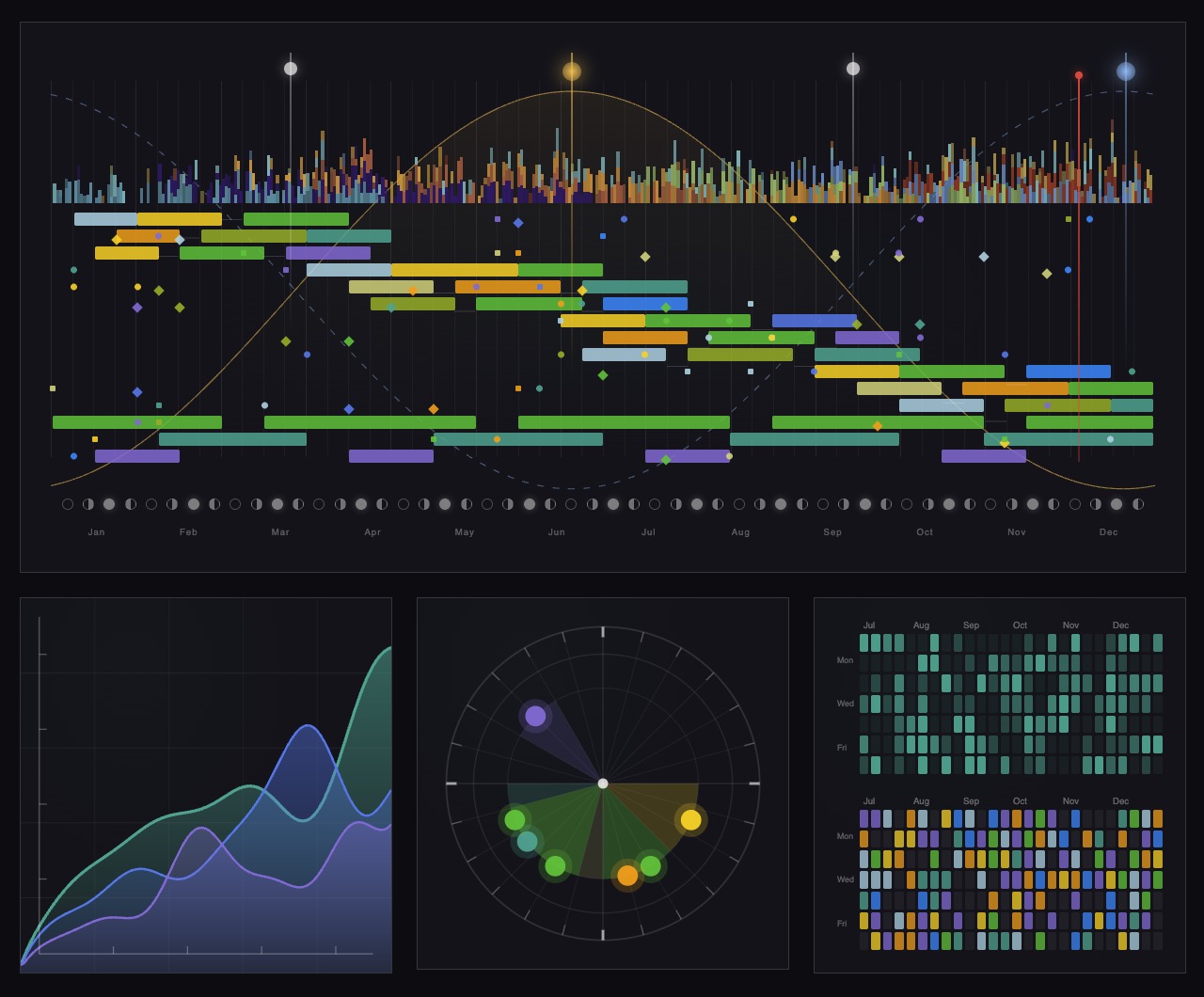
The platform features a dynamic timeline visualization that automatically generates from past meetings, showing project status, upcoming milestones, and deadlines. Meeting artifacts are automatically created from transcripts, generating detailed summaries, highlighting mentioned technologies, extracting action items, and converting them into actionable tasks within the system (33:58). The UI includes live editing capabilities where changes can be saved directly to the website without being logged in—a capability they couldn't achieve even six months ago.
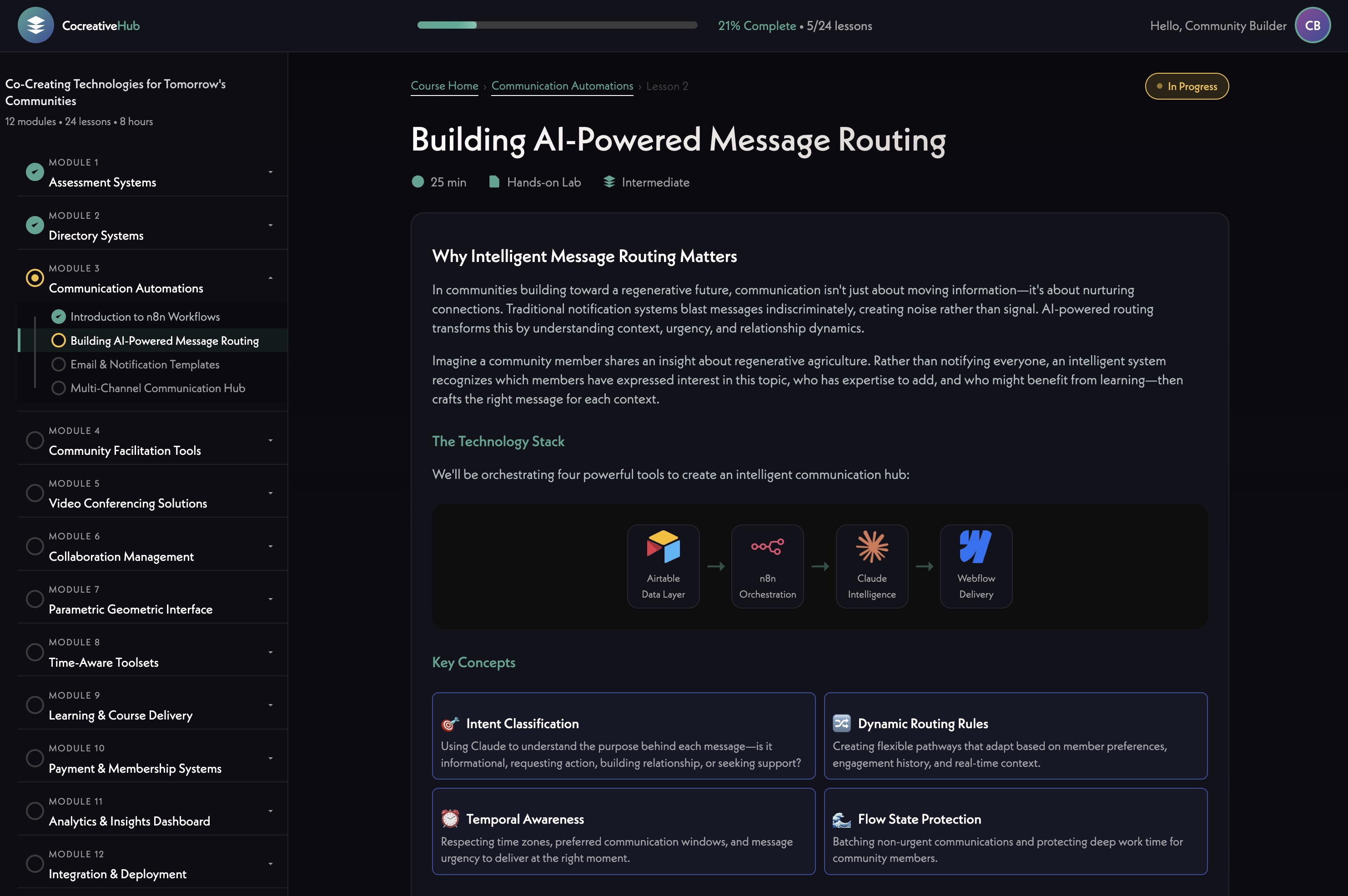
James demonstrated a prototype LMS designed for Webflow integration (25:02). The system includes lesson completion tracking, progress visualization, timeline widgets, and membership-based content delivery that changes based on login status and subscription level. The demo was meta in nature—an online course about building the LMS system, built within the system itself.
[technology="Online Learning Platforms"]
[technology="Custom Membership System"]
The approach focuses on building reusable components that can be fully tailored for each client while hosting on their Webflow site. A key innovation is the ability to upgrade underlying technology across multiple client sites without rebuilding individual websites. When a new feature is developed for one client, it can be pushed to all other clients using the system.
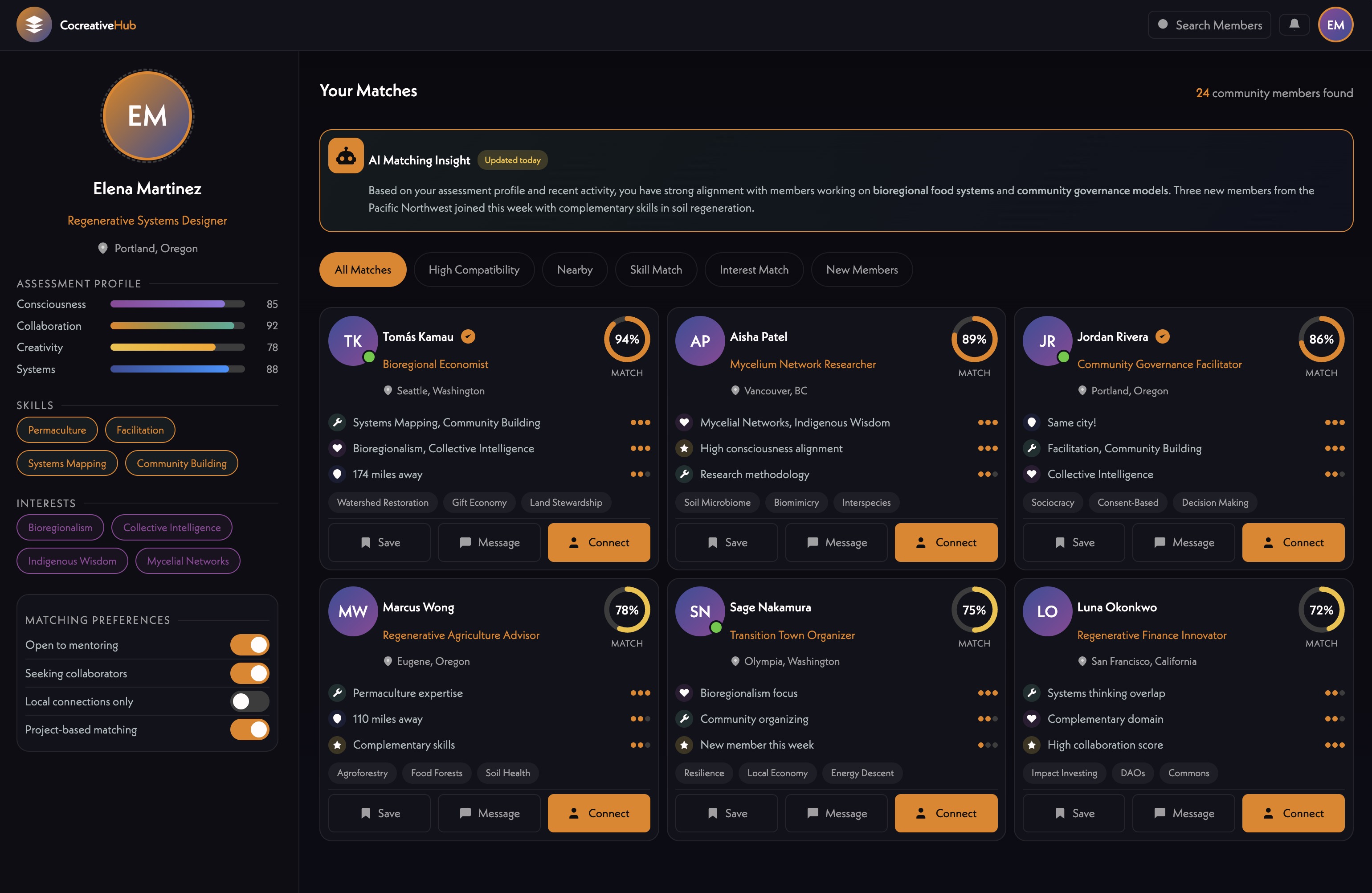
The development strategy centers on creating tailorable templates and technologies rather than one-off custom builds. The system includes modules for intelligent matching algorithms (connecting users based on profiles, availability, and shared characteristics), directory systems with geographic visualization, assessment systems, resource libraries, custom video conferencing with brand-aligned interfaces and circular seating arrangements, and social login capabilities (28:12).
[technology="Intelligent Matching Algorithms"]
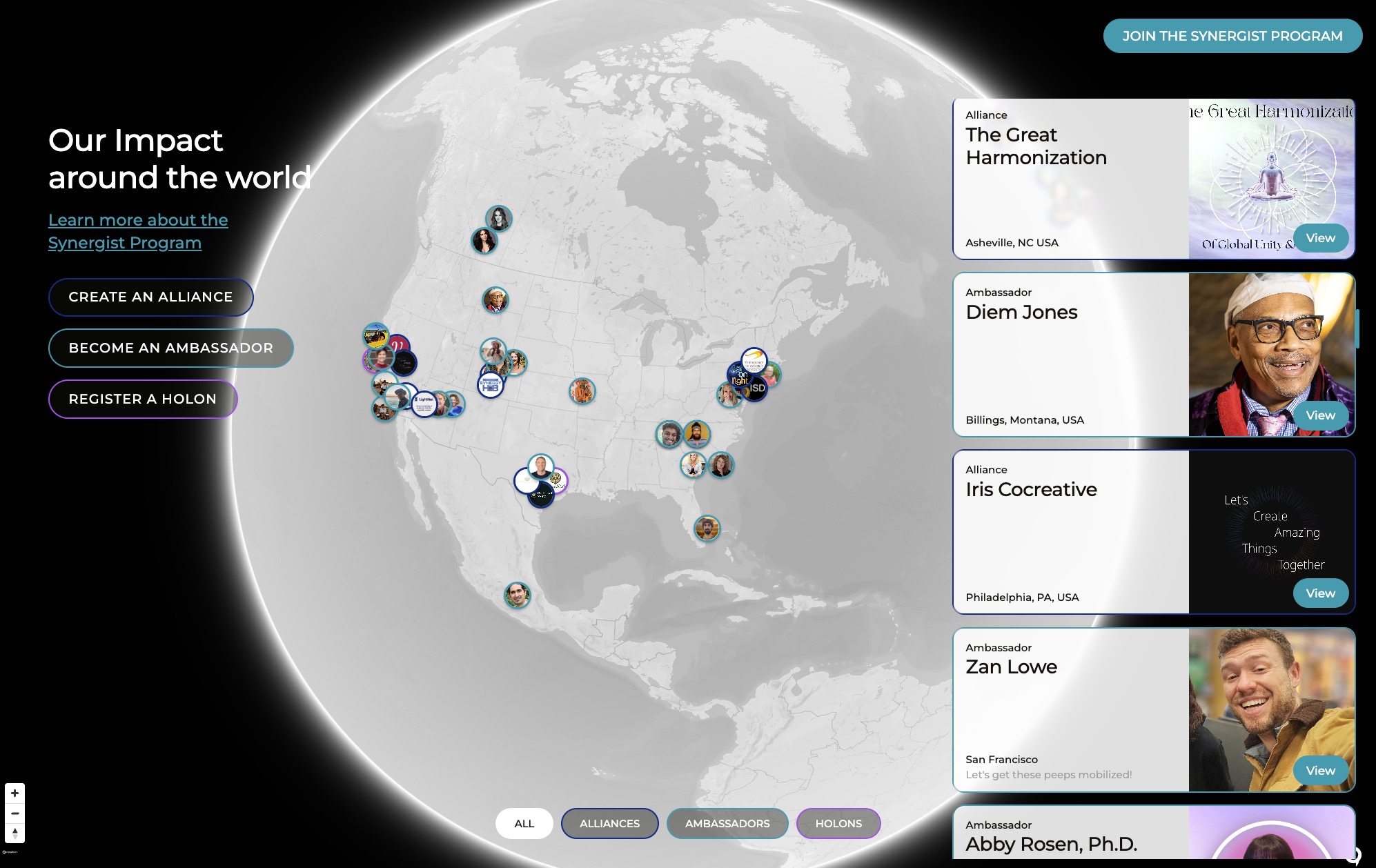
[technology="Directory Systems"]
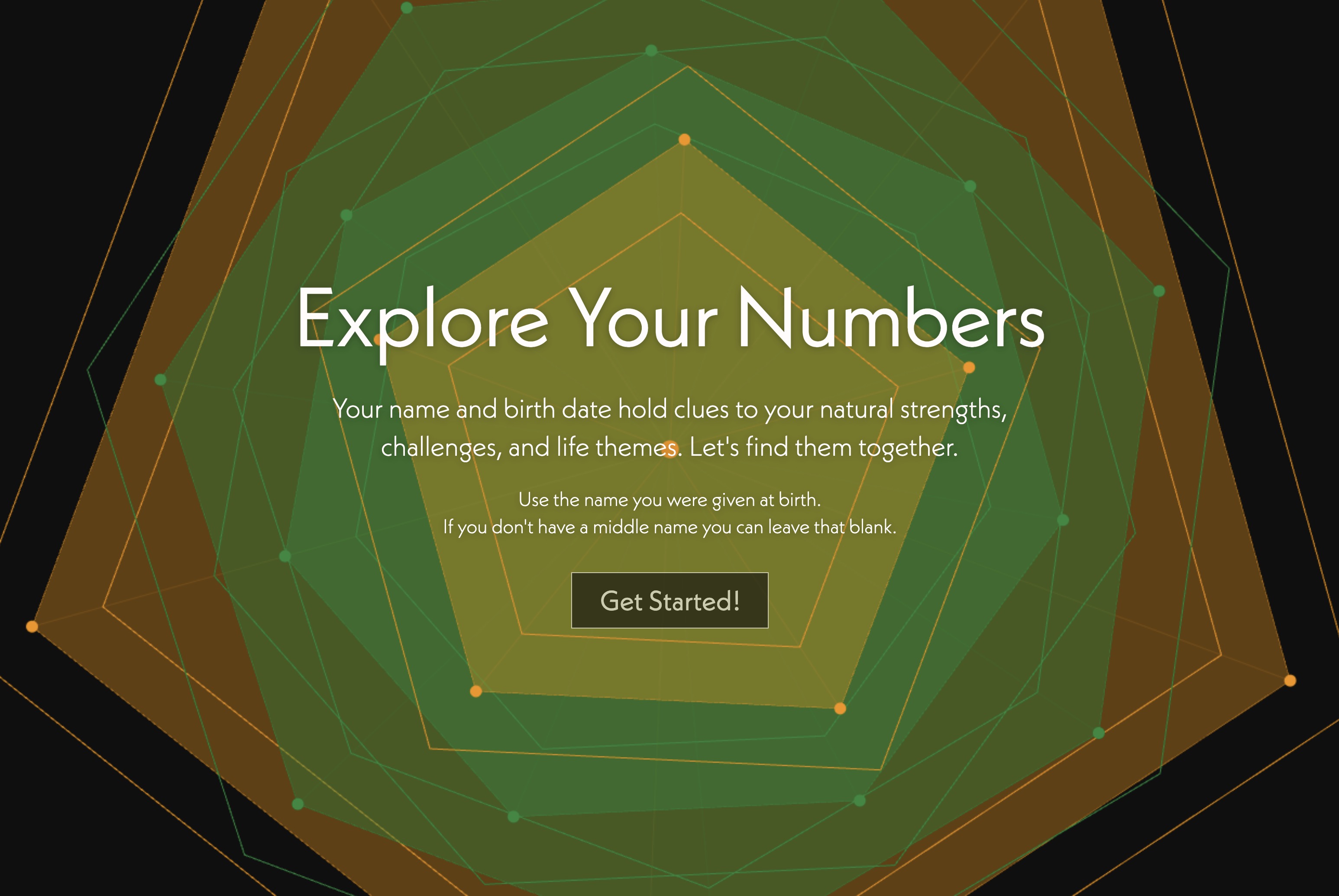
[technology="Assessment Systems"]
[technology="Video Conferencing Solutions"]
Not every client needs all modules—the approach allows mixing and matching based on specific project requirements. A development timeline prioritizes different modules throughout the year, with the online learning platform receiving major focus at the start of the year, building on substantial progress already made with intelligent matching algorithms.
James showcased an AI-powered personal task management system called PM buddy that runs locally and integrates with Google Calendar (40:00). The system allows natural language conversations with the task list to plan the day, automatically schedules tasks, and can move things around dynamically. Tasks can be dragged to start timers, and overdue tasks gradually turn redder based on how many days they're delayed.
[technology="Time-Aware Toolsets"]
The broader project management system includes integrated time tracking where team members can add sessions noting which project they worked on, what they did, and how long it took. This creates visibility into who did what, how long projects take, and facilitates better resource planning. Yvonne and James have been testing these features over recent weeks.
Time integration is considered essential because it's integral to collaboration and getting things done. Dynamic timelines appear throughout the system—in artifacts, engagement pages, and project views—providing constant awareness of where projects stand relative to deadlines and milestones.
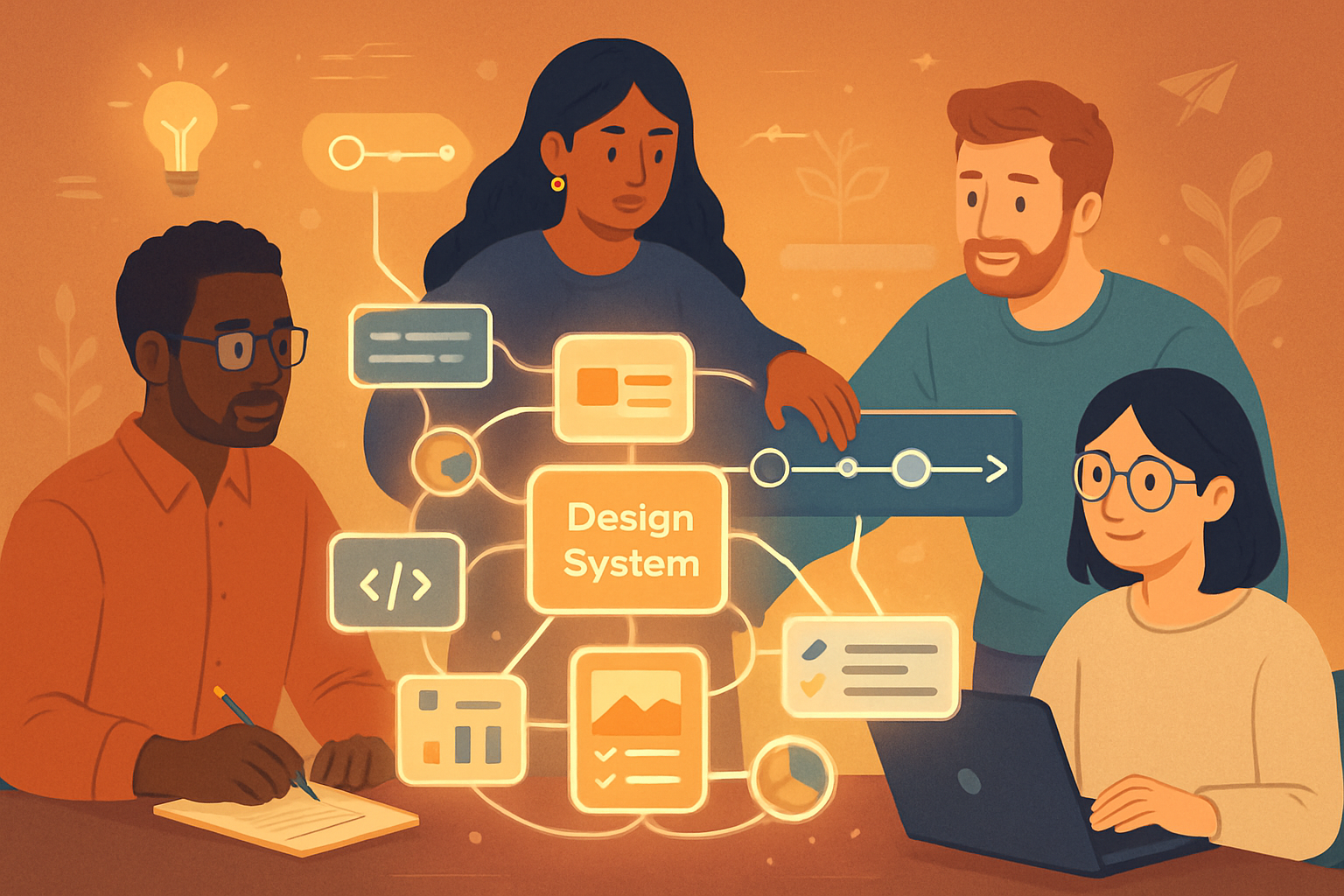
A significant challenge is bringing consistency to the various interfaces being developed across the platform. Different views currently lack visual cohesion and standardization. Sophia expressed interest in contributing to UI/UX design work, particularly for creating a standardized design system for IRIS (43:34).
James outlined the need for comprehensive design standards including padding and margins, color palette strategies (when to use multiple colors vs. refined palettes), navigation elements, button styles, and overall style guides. These standards would form the foundation for rapidly building new client projects while maintaining quality and consistency.
The approach treats each previous project as if starting from zero—an opportunity to rethink everything rather than being constrained by past decisions. The focus will be on user interface design first, with Sophia following her interests rather than needing to understand the entire complex system immediately.
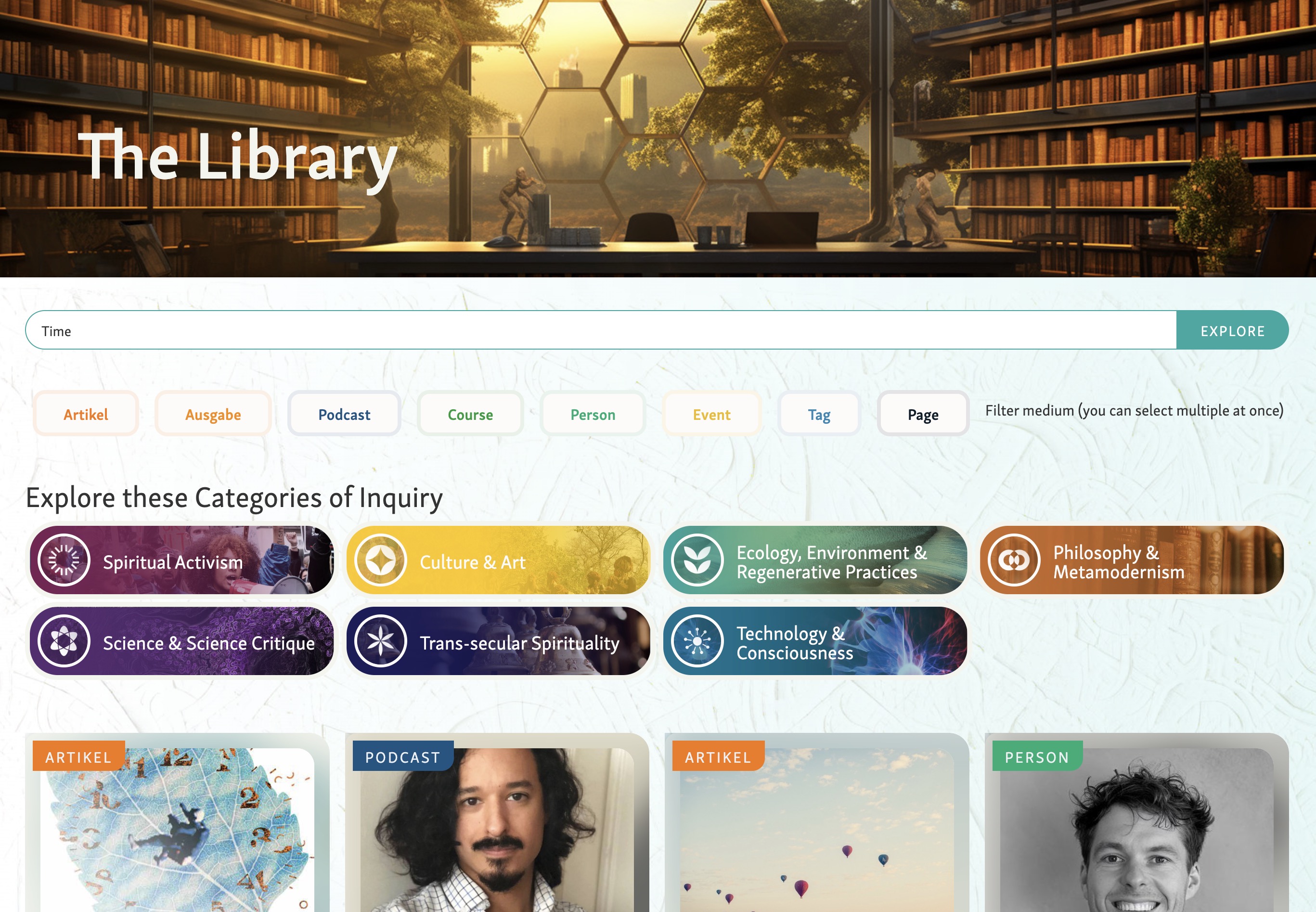
James is developing a centralized resource hub to serve as home base for the team and new members (46:11). The knowledge base organizes information by categories like development and design, covering topics such as style guides, class naming conventions, tool selection, project organization, and time tracking procedures.
The long-term vision includes an AI bot with access to the full resource library, allowing team members to ask questions and receive answers without reading through extensive documentation. This transforms the traditional FAQ model into an intelligent, conversational interface.
The strategic shift moves away from building custom solutions for individual clients and then moving on, toward developing perpetually evolving toolsets that clients benefit from indefinitely (23:33). When improvements are made to core technologies, all clients using those modules can receive the updates automatically.
This model enhances client relationships through ongoing value delivery, improves scalability by leveraging reusable components, creates opportunities for recurring revenue, and builds institutional knowledge that compounds over time. The goal is to take advantage of an inflection point where AI capabilities suddenly enable much more sophisticated functionality, but most people don't know how to use these tools yet. Within a year, it may be possible to generate entire websites or learning management systems from a single prompt, but for now there's an opportunity to combine human design sensibility with emerging AI capabilities.
Sophia's availability will improve after January 2nd or 3rd once she settles into Brazil, where the time difference will be much better for collaboration than from Germany (43:14). She doesn't currently have other projects lined up, making this timing convenient for contributing to IRIS work.
The team agreed to start with internal IRIS design system work, focusing on UI consistency and creating reusable templates. James will generate a focused brief to avoid overwhelming complexity, providing clear starting points for collaboration. Follow-up conversations will happen after the holidays to dive deeper into specific design challenges and opportunities.
James Redenbaugh
Sophia Schneider
James shared significant life updates, including his recent marriage celebration with 150 guests planned in just five months (09:01). The event brought together friends from different parts of their lives, which inspired plans to continue creating opportunities for community gatherings. Life has been full with helping his mom move and caring for three new kittens named Willow and Maple.
Sophia is currently at her mother's place in Germany for a quieter Christmas season. She plans to travel to Brazil with her boyfriend in January and will return in early March to participate in a monastery volunteer program with Brother Thomas's community. The program allows volunteers to live at the monastery while contributing their work and expertise.
The team discussed Brother Thomas's passing and memorial plans. In his final months, Thomas experienced cognitive decline that prevented him from understanding text, which was particularly difficult given his intellectual identity. A memorial ceremony is planned for October in Austria, incorporating a pilgrimage element in his home region. James plans to speak with Elizabeth tomorrow about the arrangements (14:37) and created a memorial page where people can share photos and messages.
James has spent the past year building a custom project management system from the ground up, driven by dissatisfaction with existing tools that feel too stale, complicated, or unable to support the collaborative energies of their projects (20:26). The system organizes projects by phases including planning and underway stages, with current clients including Hollow Movement (their largest client), Endemic, Interbeing Monastery, Kaya (online yoga), Sources Synergy, The Flourish Project, and several personal brand sites.
[technology="Collaboration Management Tools"]
The platform features a dynamic timeline visualization that automatically generates from past meetings, showing project status, upcoming milestones, and deadlines. Meeting artifacts are automatically created from transcripts, generating detailed summaries, highlighting mentioned technologies, extracting action items, and converting them into actionable tasks within the system (33:58). The UI includes live editing capabilities where changes can be saved directly to the website without being logged in—a capability they couldn't achieve even six months ago.
James demonstrated a prototype LMS designed for Webflow integration (25:02). The system includes lesson completion tracking, progress visualization, timeline widgets, and membership-based content delivery that changes based on login status and subscription level. The demo was meta in nature—an online course about building the LMS system, built within the system itself.
[technology="Online Learning Platforms"]
[technology="Custom Membership System"]
The approach focuses on building reusable components that can be fully tailored for each client while hosting on their Webflow site. A key innovation is the ability to upgrade underlying technology across multiple client sites without rebuilding individual websites. When a new feature is developed for one client, it can be pushed to all other clients using the system.
The development strategy centers on creating tailorable templates and technologies rather than one-off custom builds. The system includes modules for intelligent matching algorithms (connecting users based on profiles, availability, and shared characteristics), directory systems with geographic visualization, assessment systems, resource libraries, custom video conferencing with brand-aligned interfaces and circular seating arrangements, and social login capabilities (28:12).
[technology="Intelligent Matching Algorithms"]
[technology="Directory Systems"]
[technology="Assessment Systems"]
[technology="Video Conferencing Solutions"]
Not every client needs all modules—the approach allows mixing and matching based on specific project requirements. A development timeline prioritizes different modules throughout the year, with the online learning platform receiving major focus at the start of the year, building on substantial progress already made with intelligent matching algorithms.
James showcased an AI-powered personal task management system called PM buddy that runs locally and integrates with Google Calendar (40:00). The system allows natural language conversations with the task list to plan the day, automatically schedules tasks, and can move things around dynamically. Tasks can be dragged to start timers, and overdue tasks gradually turn redder based on how many days they're delayed.
[technology="Time-Aware Toolsets"]
The broader project management system includes integrated time tracking where team members can add sessions noting which project they worked on, what they did, and how long it took. This creates visibility into who did what, how long projects take, and facilitates better resource planning. Yvonne and James have been testing these features over recent weeks.
Time integration is considered essential because it's integral to collaboration and getting things done. Dynamic timelines appear throughout the system—in artifacts, engagement pages, and project views—providing constant awareness of where projects stand relative to deadlines and milestones.
A significant challenge is bringing consistency to the various interfaces being developed across the platform. Different views currently lack visual cohesion and standardization. Sophia expressed interest in contributing to UI/UX design work, particularly for creating a standardized design system for IRIS (43:34).
James outlined the need for comprehensive design standards including padding and margins, color palette strategies (when to use multiple colors vs. refined palettes), navigation elements, button styles, and overall style guides. These standards would form the foundation for rapidly building new client projects while maintaining quality and consistency.
The approach treats each previous project as if starting from zero—an opportunity to rethink everything rather than being constrained by past decisions. The focus will be on user interface design first, with Sophia following her interests rather than needing to understand the entire complex system immediately.
James is developing a centralized resource hub to serve as home base for the team and new members (46:11). The knowledge base organizes information by categories like development and design, covering topics such as style guides, class naming conventions, tool selection, project organization, and time tracking procedures.
The long-term vision includes an AI bot with access to the full resource library, allowing team members to ask questions and receive answers without reading through extensive documentation. This transforms the traditional FAQ model into an intelligent, conversational interface.
The strategic shift moves away from building custom solutions for individual clients and then moving on, toward developing perpetually evolving toolsets that clients benefit from indefinitely (23:33). When improvements are made to core technologies, all clients using those modules can receive the updates automatically.
This model enhances client relationships through ongoing value delivery, improves scalability by leveraging reusable components, creates opportunities for recurring revenue, and builds institutional knowledge that compounds over time. The goal is to take advantage of an inflection point where AI capabilities suddenly enable much more sophisticated functionality, but most people don't know how to use these tools yet. Within a year, it may be possible to generate entire websites or learning management systems from a single prompt, but for now there's an opportunity to combine human design sensibility with emerging AI capabilities.
Sophia's availability will improve after January 2nd or 3rd once she settles into Brazil, where the time difference will be much better for collaboration than from Germany (43:14). She doesn't currently have other projects lined up, making this timing convenient for contributing to IRIS work.
The team agreed to start with internal IRIS design system work, focusing on UI consistency and creating reusable templates. James will generate a focused brief to avoid overwhelming complexity, providing clear starting points for collaboration. Follow-up conversations will happen after the holidays to dive deeper into specific design challenges and opportunities.
James Redenbaugh
Sophia Schneider
Share AI-generated meeting summary and design system links with Sophia
December 23, 2025
Share AI-generated meeting summary, links for design template systems, and knowledge base documentation with Sophia to prepare for UI/UX collaboration starting in January.
Follow up with Elizabeth regarding Brother Thomas memorial plans
December 23, 2025
Discuss memorial ceremony plans for October in Austria, including pilgrimage element in his home region. Review arrangements and coordinate next steps.
Create focused design brief for Sophia covering UI/UX standards
January 5, 2026
Develop brief covering UI/UX standards including padding and margins, color palette strategies, navigation elements, button styles, and overall style guides. Provide clear starting points to avoid overwhelming complexity. Identify which existing interface designs to standardize and roll forward across the system.
Continue developing engagement view and client home area UX
January 15, 2026
Improve user experience of the engagement view and client home area within the Iris Portal system. Focus on clarity, navigation, and interface consistency.
Review AI-generated documentation and shared links
January 3, 2026
Review AI-generated meeting summary, design template systems links, and knowledge base documentation that James will share. Prepare initial observations and questions for design system work.
Explore existing interfaces and develop design observations
January 10, 2026
Review the existing interfaces James demonstrated including portal views, LMS prototype, and various client interfaces. Develop initial design observations and questions to inform design system standards.
Strategic shift in business model moving away from custom one-off solutions toward developing perpetually evolving toolsets that benefit all clients indefinitely. When improvements are made to core technologies, all clients using those modules receive updates automatically. This approach enhances client relationships through ongoing value delivery, improves scalability, creates recurring revenue opportunities, and builds compounding institutional knowledge. Focus on leveraging AI capabilities to provide sophisticated functionality while combining human design sensibility with emerging AI tools. Transition from website studio to web app development model with emphasis on 'beautiful business' serving purpose beyond profit maximization. Aspirational collective ownership model for team members where contributors share in long-term value creation. New retainer collaboration model where contributors maintain independent client relationships while working with IRIS, creating symbiotic learning environment. Team members work on backlog of client and internal projects, ensuring consistent work availability and reducing organizational bottlenecks. NEW: Structured three-tiered external rate system replacing ad-hoc discounts: Tier 1 (standard market rate), Tier 2 (financially capable mission-aligned clients), Tier 3 (partners/Global South/early-stage). James rate increased to at least 2x Sean's reflecting strategic and architectural value (20:30). Monthly retainer model for clients enabling clear team capacity allocation and planning (15:03). James implementing regular $10,000/month salary with research needed on contractor vs employee structure (48:11).
Centralized resource hub serving as home base for team and new members. Organizes information by categories like development and design, covering style guides, class naming conventions, tool selection, project organization, and time tracking procedures. Long-term vision includes an AI bot with access to full resource library for conversational Q&&A interface, transforming traditional FAQ model into intelligent assistance. NEW: Secure Google Drive folder structure for contractor documentation (W9/W8 forms) being implemented (01:27:53). Historical time tracking and invoicing data compilation to support budget frameworks and capacity planning (16:53).
Custom project management system built from the ground up to support collaborative energies of projects. Features dynamic timeline visualization from past meetings, automated meeting artifact creation with summaries and action items, live editing capabilities, and organization by project phases. Single CMS collection architecture circumventing Webflow's nested collection limitations with JavaScript-powered status-based color coding, urgency indicators, and project timeline visualization. Real-time webhook integration enabling front-end CMS item creation without authentication. Designed to be more engaging and supportive than existing stale project management tools. Currently evaluating React architecture as alternative to Webflow-based approach given extensive custom JavaScript requirements - considering whether Webflow serves primarily as UI generator or if full React app would provide better integration. Decision made at 58:30-1:00:00 to park further development for ~6 months and identify simpler near-term plateau that team can actually use, while maintaining existing data structures (engagements, clients, meeting artifacts, initiatives, tasks). NEW DEVELOPMENTS: James prototyping 'James Today' personal workflow tool as interim solution - combines day/week views, time tracking, project urgency sorting, daylight visualization for team time zones, and Vedic astrology context (01:41:12). Key design principles: unified temporal views, quantitative and qualitative time awareness, drag-and-drop scheduling with auto-status updates, data capture for Claude retrospective analysis. Vision evolved to include dashboard representing engagements as organism showing energetic and temporal space each project holds (01:53:30), enabling forecasting, retrospective analysis, and team visibility. Move from request-only to offer-based model where team members can proactively propose involvement (01:55:37). STRATEGIC SHIFT: May 2026 - Decision to reactivate ClickUp as interim PM system while Iris OS vision continues development. Using 'caravan during house construction' metaphor (01:01:36) - ClickUp provides functional base while learning what's essential for dream system. Iris OS vision document shared with Ashle, expanding Phase One to incorporate administrative essentials alongside foundational vision elements (35:03). Core design principle clarified: base unit should be the asset (what we're building), not the task, with tasks serving milestones that serve assets. Client-facing should be simple with important assets surfacing; internal should provide journey map with clear stages. Meeting artifacts to be defined upfront per project. James acknowledged being 'designated bottleneck' with resistance to systematizing (01:02:35), goal is moving from triage mode to system he can step away from. JULY 2026 UPDATE: ClickUp now fully synced with custom Collaboration OS app (08:30). Tasks flow bidirectionally on scheduled cadence - ClickUp updates pull into app every 15 minutes, task updates sync back every 30 minutes. Today's focus (07/07/2026) is reworking artifact automation to create posts directly on website and tasks straight into ClickUp, consolidating everything into one place rather than generating separate Airtable artifacts. Strategic design advantage: custom interface enables calmness, spaciousness, and clarity over ClickUp's high information density (10:58). Vision includes simple milestone timeline views helping clients see what they need to do rather than parsing long compiled task lists. App to be published to Vercel for team collaboration. Ashle will be able to log in, update tasks, and comment directly. James merging earlier Iris OS phase one document with current Collaboration OS plan - currently on phase three of app development (29:09). Key question to revisit: what do we lean on the interface for, and what systems need to be strong independent of the technology?
Development of comprehensive design system for IRIS including UI/UX standards: padding and margins, color palette strategies, navigation elements, button styles, and overall style guides. Creating reusable templates and visual cohesion across all platform interfaces. Foundation for rapidly building new client projects while maintaining quality and consistency. Exploring integration with Mast Framework's advanced component system including custom props, nested components, Phosphor icon library, CSS variables, and clamp-based responsive typography with mathematical ratio scaling (1.25 min, 1.41 max based on √2). JUNE 2026 UPDATE: Sean leading migration to robust Webflow components covering tags, cards, onboarding flows, editable fields, and more (21:26). Strategic insight: this design system migration directly de-risks the mobile build by formalizing components in Webflow and tracking corresponding React components on design system page, enabling web and mobile to stay in sync as features evolve. Design system serves as bridge between Webflow HTML/CSS (which cannot be directly ported to React Native) and native mobile components - each Webflow component will eventually have mirrored React component. Team envisioning workflow where features are built in tandem across platforms once foundation is laid.
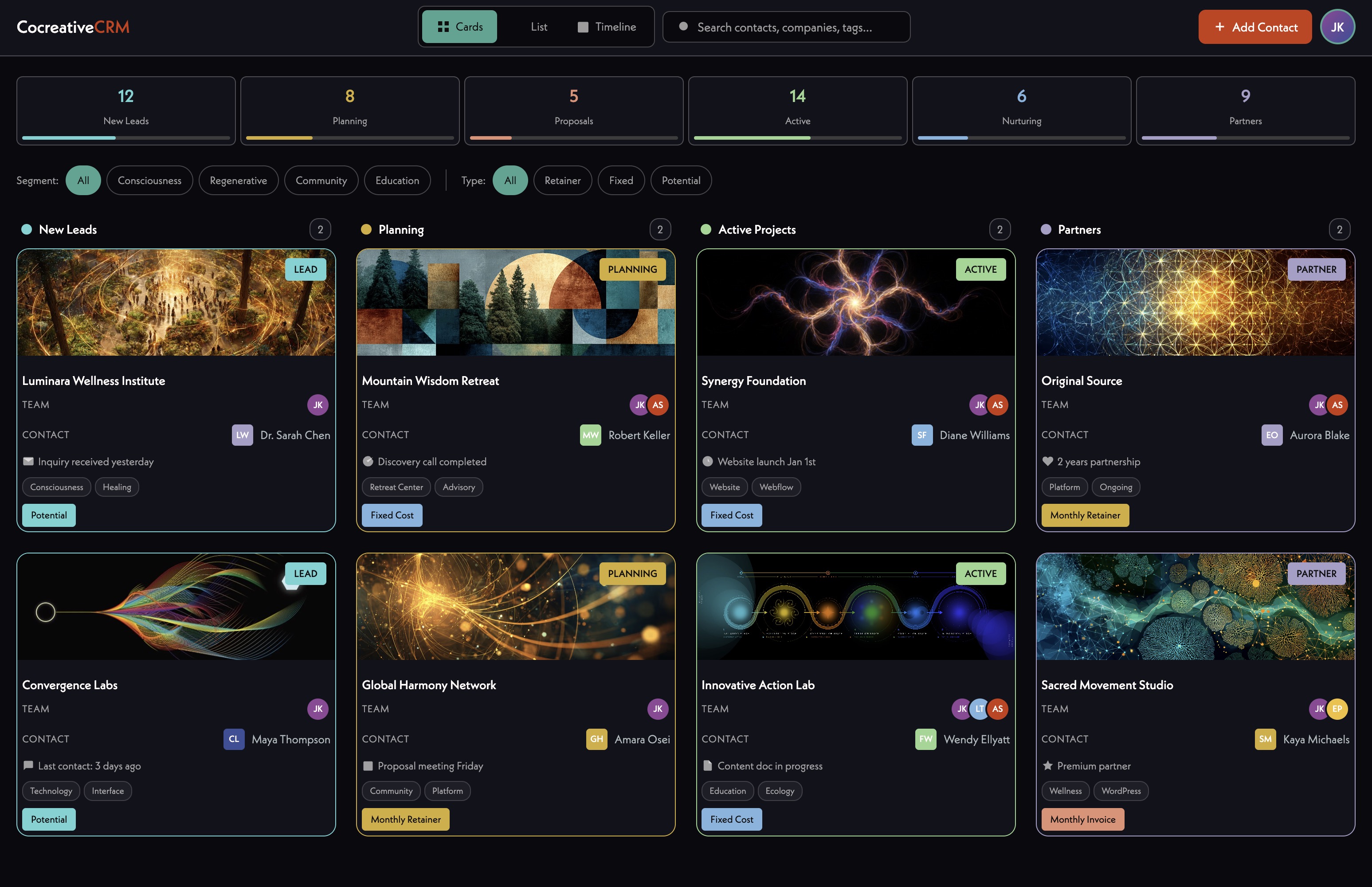
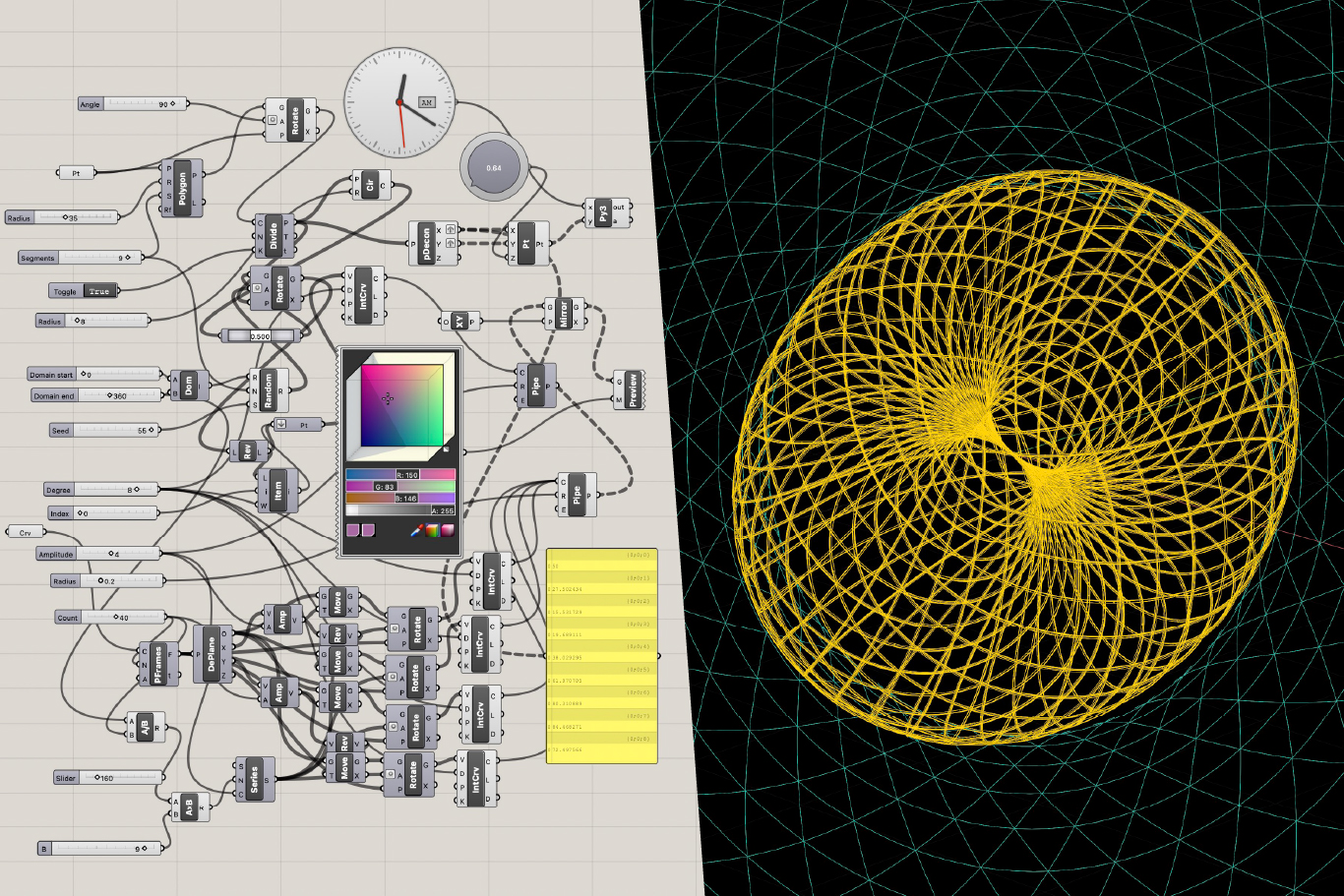
Development of tailorable technology modules that can be mixed and matched for client projects rather than one-off custom builds. Includes 12 core modules: Assessment Systems, Custom Membership, Communication Automations, Online Learning Platforms (LMS), Directory Systems, Intelligent Matching Algorithms, Community Facilitation Tools, Video Conferencing Solutions, Collaboration Management Tools, Time-Aware Toolsets, Parametric Geometric Interfaces, and CRM System Templates. Each module can be fully tailored for clients while allowing technology upgrades to be pushed across all client sites using the system. Development timeline prioritizes different modules throughout 2026, with LMS receiving major focus at start of year. Strategic vision includes cross-platform course delivery, unified user profiles sharing selective data across different community platforms, and automated content synchronization between independent sites creating a 'nervous system' connecting disparate organizations. Ecosystem approach enables offering sophisticated, field-tested solutions at fraction of traditional custom development costs while maintaining ability to tailor experiences to specific client needs.
AI-powered personal task management system that runs locally and integrates with Google Calendar. Features natural language conversations with task lists for day planning, automatic scheduling, dynamic task rearrangement, drag-to-start timers, and visual overdue indicators. Integrated time tracking allows team members to log sessions by project with activity descriptions and duration. Creates visibility into work patterns, project duration, and facilitates resource planning. Dynamic timelines appear throughout the system providing constant awareness of project status relative to deadlines.
00:00:02
Sophia Schneider: Hello.
00:02:33
James Redenbaugh: It's. Sophia James.
00:05:02
Sophia Schneider: Let's create amazing together.
00:05:06
James Redenbaugh: Let's create things together.
00:05:10
Sophia Schneider: Yeah.
00:05:11
James Redenbaugh: How you doing? I'm good.
00:05:15
Sophia Schneider: I'm good. I have a Christmas tree in the background, standing in the garden of my mom. I'm at my mom's place now these days.
00:05:25
James Redenbaugh: Merry Christmas.
00:05:27
Sophia Schneider: Yeah, Merry Christmas. It's also such a nice, quiet time to have right now. I mean, obviously there's always this kind of like running errands, meeting up with people. But we hope to keep the activity slow so we can chill out a lot. How are you?
00:05:52
James Redenbaugh: I'm jealous of that. We have so much to do.
00:05:55
Sophia Schneider: Yeah.
00:05:56
James Redenbaugh: So much work and then so much Christmas shopping to do still.
00:06:01
Sophia Schneider: Oh, Jesus.
00:06:02
James Redenbaugh: All of it. And I just. I just realized last night that Christmas Eve is Wednesday and not Thursday.
00:06:10
Sophia Schneider: So you also.
00:06:11
James Redenbaugh: So I have one less day than I thought I did.
00:06:14
Sophia Schneider: They cut you one more.
00:06:16
James Redenbaugh: Yeah, but look at my kittens.
00:06:20
Sophia Schneider: Oh, hello. Who's that? What's that?
00:06:29
James Redenbaugh: Willow. Willow. She's four months old. Oh, we've had him like a month and a half. Who's over here? Who's this? Mrs. Maple. Come here, baby. Oh, her little calico.
00:06:55
Sophia Schneider: Hello.
00:06:57
James Redenbaugh: Lila loves to walk on my keyboard.
00:07:03
Sophia Schneider: They do love that, right?
00:07:04
James Redenbaugh: Yeah. We have a third one around here somewhere, too.
00:07:08
Sophia Schneider: Wait, so you have three in total or four?
00:07:11
James Redenbaugh: Three kittens? Yeah.
00:07:12
Sophia Schneider: Wow. How come three?
00:07:16
James Redenbaugh: Well, we wanted two so that they could be friends, and we found two that they. That we loved. And they had a sister, an adopted sister, and so we got all three of them. No, we didn't want one to be alone.
00:07:32
Sophia Schneider: Yeah. And do you have to train them?
00:07:41
James Redenbaugh: Yeah, we've been training them. They're pretty good, though. They're pretty smart. Except don't eat that. And we're building all kinds of things for them to play on and it's like a full time job.
00:07:57
Sophia Schneider: Yeah. I mean, it's being a parent now.
00:08:02
James Redenbaugh: Yeah.
00:08:04
Sophia Schneider: Well, that's lovely. You got engaged. No. Not only engaged, you got married. No.
00:08:10
James Redenbaugh: You married. Yeah.
00:08:16
Sophia Schneider: Huh?
00:08:17
James Redenbaugh: I said what the heck?
00:08:19
Sophia Schneider: Yeah, what the heck? How did that happen? Like, what did you do? Was it a big celebration?
00:08:27
James Redenbaugh: Yeah, it was big. We had like 150 people.
00:08:33
Sophia Schneider: Oh, wow. That's a big celebration.
00:08:35
James Redenbaugh: Yeah, big America style wedding.
00:08:40
Sophia Schneider: Nice.
00:08:42
James Redenbaugh: It was crazy. We did the whole. The whole thing, the planning, the catering. Had a whole rehearsal party the day before. We rented out a community theater and people did like performances and skits and stuff and played music.
00:09:01
Sophia Schneider: Oh, how nice. And how was the planning and all in total, was it doable for you or were you stressed out a lot?
00:09:12
James Redenbaugh: It wasn't too bad. Here we go. I got a better camera. Well, thanks to my wife. She did most of it. I didn't slow things down.
00:09:24
Sophia Schneider: You participated?
00:09:26
James Redenbaugh: I participated. She was amazing. She planned so much. And we planned it all in, like, five months. So it, like, really came together. It took a lot out of us. And then we were really grateful that it went well. And then it was over. And then. And then we went into helping my mom move, and then we went into having three cats. And it's just been thing after another.
00:09:58
Sophia Schneider: Yeah. It's just life happening. Oh, amazing. Oh, I'm happy to hear this.
00:10:06
James Redenbaugh: Thank you. Yeah, it was. We had so much fun bringing, like, so many different friends from different parts of our lives.
00:10:17
Sophia Schneider: Yeah.
00:10:18
James Redenbaugh: Together. That was really the best. And it was, like, a good excuse to do that, but everybody had so much fun that we decided we're just going to keep doing that when we can. The relatives, you know, that we, like, have to invite because we're related to them or something, but just, like, making opportunities to bring lots of people together, different friend groups and, you know, hanging out on land for a few days. So, yeah, we're gonna do more of that.
00:10:53
Sophia Schneider: Celebrate love.
00:10:55
James Redenbaugh: Yeah.
00:10:57
Sophia Schneider: With everyone, including.
00:11:01
James Redenbaugh: Yeah. So I'll keep you in the loop about future. Future gatherings.
00:11:08
Sophia Schneider: Nice. I would love to. Also, I would love to go to New York the next year. I still have this friend who I met via coach surfing, and he's just like, Jewish Orthodox rich man who owns this apartment, and he keeps inviting me, so.
00:11:31
James Redenbaugh: Oh, awesome.
00:11:33
Sophia Schneider: Yeah.
00:11:34
James Redenbaugh: We were just in New York last weekend. It's like an hour and 15 on the train.
00:11:38
Sophia Schneider: What's up?
00:11:40
James Redenbaugh: It's out. New York is just an hour and 15 minutes on the train from here.
00:11:44
Sophia Schneider: Yeah, that's true. Right. I just know from all the TV shows where, like, New York people are going to Philly. Or is it Connecticut? Isn't also kind of in the area.
00:11:57
James Redenbaugh: Yeah. Connecticut's the other way. Yeah.
00:11:59
Sophia Schneider: Yeah. Or Long Island.
00:12:02
James Redenbaugh: If you come here. We got a guest room. We'd be happy to host you for a few days if you want to come to the real. The genuine New York is like, New York is cool, but Philly is where it all happened. Phillies were. He likes freedom and independence.
00:12:21
Sophia Schneider: Oh, we do love that. Yeah.
00:12:22
James Redenbaugh: Yeah. Then. Well, you have Philly to thank for that.
00:12:26
Sophia Schneider: True.
00:12:27
James Redenbaugh: So you're welcome.
00:12:29
Sophia Schneider: The Liberty Bell. Right.
00:12:33
James Redenbaugh: Example of independence. You know, the Constitution.
00:12:39
Sophia Schneider: That's true. Yeah. I see a match there also with Berlin, which is Also kind of, I mean, maybe the postmodern equivalent to like the Central European Democracy or Democratic Union.
00:12:57
James Redenbaugh: Yeah, definitely.
00:13:00
Sophia Schneider: Cool. Yeah, I would love to. But actually funny enough. So my boyfriend and I will go to Brazil from January onwards and in March, beginning of March, I will return and then I will check out the monastery again and hang out with Brother Thomas.
00:13:22
James Redenbaugh: Oh, awesome.
00:13:24
Sophia Schneider: Yeah, yeah. They now offer this kind of monastery on time program where you can volunteer and just live there for free and contribute your work and expertise.
00:13:38
James Redenbaugh: What? Yeah, I'm coming.
00:13:42
Sophia Schneider: Yeah, reach out to him. He's so cute. I sent him an email and he was like, yeah, let's have a quick phone chat. His. His available times or like his office hours are 8:30 to 9am so he's such a busy monk. So busy. But yeah, that's actually quite cool.
00:14:08
James Redenbaugh: Oh, wonderful. That's awesome.
00:14:12
Sophia Schneider: Holy.
00:14:16
James Redenbaugh: Yeah. I missed the monastery. That was such a special time.
00:14:20
Sophia Schneider: Yes.
00:14:22
James Redenbaugh: Oh.
00:14:25
Sophia Schneider: So special.
00:14:28
James Redenbaugh: And. And now we have no Thomas.
00:14:32
Sophia Schneider: Yeah, yeah.
00:14:37
James Redenbaugh: I'm. I'm gonna talk to Elizabeth tomorrow.
00:14:41
Sophia Schneider: That's nice.
00:14:43
James Redenbaugh: See how she's doing.
00:14:45
Sophia Schneider: Yeah. I mean it was a very long program process of like his body weakening. And my dad told me that he, in the past few months he went to visit him and he was reading out something from a book they both like a lot. And Thomas, Thomas gave the reaction of. How to explain it. Like he was disappointed or frustrated because he couldn't understand the words anymore.
00:15:26
James Redenbaugh: Like.
00:15:28
Sophia Schneider: The sickness got so bad that it damaged the parts in his brains. That also means so much to him and also identify him as the person he is and being sad about not being able to comprehend what has been said. So I think that was also one of the hardest times for him.
00:15:52
James Redenbaugh: Yeah.
00:15:53
Sophia Schneider: So I think for him it's also a bit of a release now.
00:15:57
James Redenbaugh: Yeah, yeah. He held on for a long time.
00:16:03
Sophia Schneider: He did so strong.
00:16:07
James Redenbaugh: Stayed for so long.
00:16:09
Sophia Schneider: Yeah. And he went on that pilgrimage when we were there anyways and all this really have such a strong spirit as well. Yeah. And they plan on doing a ceremony in October. Maybe Elizabeth is going to tell you.
00:16:28
James Redenbaugh: A bit about it.
00:16:32
Sophia Schneider: Like in the area where he's from in Austria to do also some sort of pilgrimage. So.
00:16:40
James Redenbaugh: Yeah, yeah, I wanted to go to the memorial, but it was so like last minute and I just got married the weekend before and.
00:16:52
Sophia Schneider: Yeah, yeah, yeah. I mean it's also quite a distance to go from Philly to Germany.
00:16:57
James Redenbaugh: You know, it would have been like $2,000 that I dumped that. So.
00:17:03
Sophia Schneider: Yeah, yeah, yeah. No, no, it's completely Understandable. Yeah. Yeah. I mean I also couldn't make. It was very last minute but this memory or not the memorial but the ceremony is like. I think they plan it right now and I'm gonna talk to my dad in a few days about it. Thank you. Also, I wasn't aware that Thomas was doing this pilgrimage around one of the mountains in the Himalaya. The one I don't know if you heard of it. It's like a mountain that is very sacred for the natives.
00:17:44
James Redenbaugh: Yeah. K. Kylon, I think something like that.
00:17:47
Sophia Schneider: Yeah.
00:17:47
James Redenbaugh: Kyla. Yeah.
00:17:52
Sophia Schneider: My dad just texted me after the funeral of like if we want to hike this together in honor for Thomas. So. Yeah, let's see.
00:18:02
James Redenbaugh: Oh cool.
00:18:04
Sophia Schneider: One day.
00:18:06
James Redenbaugh: Awesome. Yeah, it's a beautiful mountain. I put it on his memorial page.
00:18:14
Sophia Schneider: What is it again?
00:18:18
James Redenbaugh: I'll send you a link. Texted it to you. Yeah, it's just a little place where people can share photos and stuff.
00:18:47
Sophia Schneider: That's lovely.
00:18:49
James Redenbaugh: I'm gonna taste the shirts.
00:19:00
Sophia Schneider: Oh, nice. Oh yeah, that mountain. It is also something about this mountain. It has such an interesting shape. Oh, that's such a lovely page. Oh, the photo of Tom and Elizabeth.
00:19:28
James Redenbaugh: So cute, no.
00:19:32
Sophia Schneider: Oh, this is such a nice page. This is so wonderful.
00:19:41
James Redenbaugh: Yeah. Leave a little message on there.
00:19:44
Sophia Schneider: Yeah, I will. Wow. Wow. So many people who contributed.
00:20:02
James Redenbaugh: Yeah.
00:20:11
Sophia Schneider: Beautiful. And how's work been lately? What kind of projects are you working on?
00:20:26
James Redenbaugh: Let me show you. I've been over the last year working really hard to create our own project management system because I'm never satisfied with the ones that we've tried. They always feel too stale and too complicated or. Or too hard to get people to actually use or you know, not able to. To be conducive to the kinds of energies that we work with on our projects. So I set out to build a new one from the ground up and it's. It still needs a lot of work but it's coming together. This page right now is just my space to see what. What projects are we working on? They're organized by. Some of these are in the planning stage and then underway. We have a number of different things. The personal brands redoing my friend Alistair's website. We just wrapped this sales kung fu thing. We're doing a really cool. For this thing called the Flourish project. Trying to get a quick one up for sources. Synergy Kaya is a long time client with a ton of online yoga students.
00:22:10
Sophia Schneider: But ah, Divinity school I think I remember with Endemic.
00:22:15
James Redenbaugh: Yeah, Endemic is still going strong. We're doing a Lot for them every month. Interbeing Monastery. Of course, right now, actually, Hollow Movement is our biggest client at the moment. We're doing a ton for them, and we're. We're deep into, like, a custom learning management system and directory system. Right. I'll show you more on this in a second. But. But I just want to show you. Have I shared this page with you?
00:22:52
Sophia Schneider: Which one?
00:22:53
James Redenbaugh: Does this look familiar? Oh, you're only seeing one tab. Yeah, one top.
00:23:00
Sophia Schneider: One top.
00:23:02
James Redenbaugh: One top. Mom. Here we go. You're seeing this now? Am I sharing multiple screens at the same time?
00:23:18
Sophia Schneider: I see the tailorable templates and technologies, yes.
00:23:24
James Redenbaugh: Yeah. Have I showed you this page before?
00:23:27
Sophia Schneider: I think you sent me a link, but I didn't really understand it.
00:23:33
James Redenbaugh: I need to explain it better. But basically, in the past, we kind of work on projects like this where we have one client and they need a bunch of different things, and so we built them for them and then we launch it and say thank you and then move on to the next project and they need a bunch of different things. And, you know, maybe they're similar to what we've done before, but I want to shift the model to focus, to bring the different technologies that we can build for our clients to the center of what we're doing. We're perpetually evolving these tool sets in ways that our clients can continue to benefit from our evolutions indefinitely. For example, we're building an online learning platform for webflow. And once we have that.
00:24:33
Sophia Schneider: So online. I'm sorry, online learning platform means like, online classes where you have like an interior on, like, call.
00:24:46
James Redenbaugh: Yeah, exactly. So let me see if I can find this real quick. So LMS is here. I made a demo of it.
00:25:02
Sophia Schneider: Right now. Is that Notion?
00:25:04
James Redenbaugh: No, this is. I made it myself. Damn. But a lot of people run classes in Notion. But we want to create a custom one that we can fully tailor for our client that they can host on their webflow site. But we want to build it in a way where we can upgrade the underlying technology without rebuilding their website. There's tools that we figure out, for example, like in the timeline view here, this little widget, or the ability to check these boxes, or the ability to mark the lesson as complete and see my progress go across. And a big one is the ability to actually log in and have content delivered to me based on that login status. And for that to change if my, you know, if I stop subscribing to this membership service or things like that.
00:26:06
Sophia Schneider: Is that now the front end of, like, if I was a user. This is what I would see or what is exactly.
00:26:16
James Redenbaugh: Yeah. So I just, I built this as a demo. You don't need to log in, but this is what you would see if you logged in. And it's what you do see if you go to this link.
00:26:28
Sophia Schneider: Because I like, I think I. Ah, so wait, this is like, like a learning platform for learning UX UI design, right?
00:26:40
James Redenbaugh: Yeah. So this mock up that I made to show them is I was like how I make a mockup, but I also need to make an online course about how to make the system. So, okay, I make this course about how to do it and put it into the thing that I'm building.
00:27:00
Sophia Schneider: This is kind of like a snake trying to eat its own tail, right? What's happening? Yeah.
00:27:11
James Redenbaugh: I mean, Claude generated most of this content for me and helped me build the thing. And it's not like this is just custom code right now. Eventually this will be in webflow, so clients, so we can have more precise design control over it. And clients can just click and add a new lesson. Like they would add a new post on their blog or things like that. Be easy for them to manage. And so we're building these tools like this. I've been building a lot of proof of concepts. We built, you know, different versions of these things for clients in the past, kind of bringing them all together and trying to create more templates so that we can create more complicated websites that are essentially more like apps than websites.
00:28:12
Sophia Schneider: So it's more mobile, focus, it's more mobile.
00:28:16
James Redenbaugh: But also, you know, more importantly, there's more functionality where we can have social logins, we can do, you know, tailored video conferencing where instead of zoom, we're in a room with, that's brand aligned and, and we're in a circle together. Or, you know, we have a, we can have a directory system where you can see yourself on the planet. You can create a profile, you can connect with other profiles, you can. We're building intelligent matching algorithms so you fill out information and it'll tell you, oh, you should connect with Sophia, she's doing design and she has availability, you know, or whatever. It's for connect with Juan. You guys have the same, you know, moon sign and he's also doing indigenous wisdom practice or whatever.
00:29:15
Sophia Schneider: So it's a bit like, like an exchange or like a platform really that, that automates itself less than you operating on every project, but it's more of like linking the people on that network.
00:29:33
James Redenbaugh: Well, it's like there are these Pieces of the puzzle that I want to put together here so that we can as a team work with our clients to create really rich community experiences depending on what a particular project needs. So somebody won't need all of these things necessarily. They might want a more robust intelligent resource library and a directory system. And we're like, great, we have these things, we figured out how to do it, we can tailor it to you. Or maybe we want the intelligent matching and an assessment system. We're like, great, we figured that out. So I'm trying to pre build a lot of these things so that we can just take on bigger projects but execute them more efficiently. And here's a little timeline for how I'm thinking about doing big pushes on these different things. So we're kind of working on all of them at once. But the start of the year we're focusing more on the online learning platform. We've already done a ton with intelligent matching. Need to figure out the custom membership system. And I'm anyway building a lot of collaboration management tools. I'm going to drag that guy over here. This is also a little tool, the timeline here, That's a part of the ecosystem I'm trying to create. So I can save that and you know, like this is a, a live website. I'm not logged in. I can edit this thing and I can click save. A year ago, six months ago, I wouldn't have been able to do this on any of the websites that we build. Now we can like, we figured out a ton of these things that we can do and so I want to take, take full advantage of that. We have these artifact template pages. Now I generate these from every meaning. They're automatically created based on the transcript. I can send one from our meeting today after this and it will create a detailed summary. Call out any technologies that we're using, highlight the names of people in the meetings, call out mentions of any of those technology modules that we discuss in the meeting, create a list of action items. And now it'll actually convert those action items into real tasks here and I can create a new task, update the status, you know, add notes or whatever right here in the system. And if I, you know, now if I want to, you know, I can click these three times. It has a kind of three way toggle to show I'm, you know, I need to do it, I'm working on it, or it's done. But let's say I wanted to add a fourth status in there, then I, I could add that pretty easily. And then have that update across all the places that we're using the system, even if they're on different websites. So let's say another client is using our task management system. I can push an update that will mean they have this new feature that I developed for another client or myself. And that's kind of the way that I'm thinking about it, bringing things into the center. So we're not just focusing on one project, we're focusing on the entire ecosystem and evolving these, these tool sets that, that we can use for different things over time.
00:33:58
Sophia Schneider: Okay.
00:34:02
James Redenbaugh: So, yeah, I'm trying to do a lot of new things with time as well, because time is of the essence and we're always trying to, you know, it's integral to how we collaborate and get anything done. And so building these dynamic timelines into things I think is really important. Like up here in the artifact, this is automatically created from past meetings. I can see those past meetings here. I can see what, what meeting am I looking at? If I go to the engagement page, I need to. We need to clean up the UI of this. But I can see those past meetings here. It automatically illustrates them based on the content of the meeting, which I think is pretty cool. And then it creates this timeline down here so we can all see, you know, where are we in the project, what's coming up, what's today, when's the deadline, and if I need to change things.
00:35:14
Sophia Schneider: This is. Okay. Sorry. Okay. Yeah, sorry.
00:35:29
James Redenbaugh: No problem. Is this okay?
00:35:33
Sophia Schneider: Yeah, it's okay. No, my mom just made really amazing parmigiano risotto, but she was not aware that I was on the call.
00:35:46
James Redenbaugh: Well, we don't have to take too much, too much longer. You can get to your. That sounds good. I wish I had some. Yeah. But I basically just want to kind of show you these things that I'm working on and also show you. We need a lot of help. I spent a lot of time last week on this template page. I think it's looking pretty good. And now we need the engagement view. We need to improve that UI wise. And I want to soon have the ability for anybody to log in and see, you know, not only all projects, because most people don't need to see that, but what projects am I involved in? You know, what's. What needs to go on the client home? How do we make that information as easy for them to see as possible? How do we create internal views for things and you know, what kind of tools do we need as a team to keep everybody on the same page and Help people create. Value in the system when. When they don't know what to do.
00:37:22
Sophia Schneider: That's cool.
00:37:23
James Redenbaugh: This is another big part of it as well, where we can. It's mostly been Yvonne and I testing things in here the last few weeks. I haven't put everything we've done into here, but eventually I want kind of everything that's happening in Iris to be entered into this system where, you know, if I work for a few hours on a project.
00:37:52
Sophia Schneider: Yeah.
00:37:53
James Redenbaugh: Week on Wednesday, I can add a session here and say, you know, I was. I was doing this for applied mindfulness training. I did this thing. I spent a few hours.
00:38:06
Sophia Schneider: Track your time. That's smart.
00:38:08
James Redenbaugh: Yeah. And then you can track your time. But then we can also see over time, you know, what. What did we get done and who did what and, you know, and what it take to get this. Get a particular project done. And so there's a lot more that I want to build into this. Working sessions. Uh, I even built a. I always do that with Google Meet. I just leave. Instead of my screen share, I was gonna say I built a time tracker tool. Did I show you my PM buddy? I don't think I did. I'll just real quick, just because it's kind of insane what we can do. Now. This only runs on my local machine, so I gotta run some stuff in the terminal. Mm. Now that that's running. Here we go. All right. I got a big backlog now. I got it. So much to do. But I. I built my own tools for having a conversation with my task list and my calendar. So I can say to the bot here, You know, given what I have to do for the rest of the day, can you plan my day to get everything done? And then it. My Google Calendar will actually schedule things for me and it can move things around. I can talk to it or I can interact with things here. I drag a task down here, and a timer will start and show it's done. You know, I can categorize these in different ways. I'm playing with a feature that casts that are overdue for multiple days get redder and redder.
00:41:00
Sophia Schneider: How alarming.
00:41:01
James Redenbaugh: Yeah. Right now I have a lot. I've never had this much overdue those few days. And anyway, just to give you a sense, it's like really crazy what we can. What we can build now with the help of AI and I feel like we're at this inflection point where there's suddenly all of these capabilities, but most people don't know how to use them. And a year from now, it's going to be pretty different. I think that we can one prompt, you know, a website or a learning management system or something like that. But over this next year, I think that I want to take advantage of these tools in a way that accentuates the human design that we can do and takes advantage of the technologies that we have available.
00:42:07
Sophia Schneider: Totally. Yeah. Make them work for us instead of them replacing our work. But, like, I wish that AI would assist me at some point in my data, and you kind of made a profession out of it now. It's very impressive.
00:42:24
James Redenbaugh: So. So, yeah, I think there's a lot of design help I would love on the kinds of things that I showed you. And then there's also client stuff that I can bring you into. And you're about to have Parmesan. Parmesan dinner.
00:42:46
Sophia Schneider: A risotto. Yeah, yeah, for sure. I mean, I would love to hop on board again for projects, because now being in Brazil, I also think about purchasing a new laptop. So I want to take remote working to another level also. I think the time difference is only two hours.
00:43:14
James Redenbaugh: Then it's much better in Brazil.
00:43:16
Sophia Schneider: Yeah, yeah, yeah, yeah. It's like four hours from Germany, so I assume it's like something like that. And I don't have any upcoming projects for now. This is. So this would be quite convenient. And yeah, I'm open for any kind of work.
00:43:34
James Redenbaugh: Great. Awesome. Well, I think we should start with. With this stuff for Iris, because I think that you would. Your skill set would be really helpful in how I want to think about creating a. A kind of template design system that we can use across all projects. So I'd love to dialogue with you about, like, how do we think about coming up with standard, you know, padding and margins and color sets and, you know, when. When do we want to use multiple colors and how do we think about that? When do we want to refine our color palette and how do we think about that? And what can we build in terms of navigation elements and buttons and style guides and things like that that can be the foundation for rapidly building stuff for other clients in the future.
00:44:44
Sophia Schneider: Okay. Yeah. Do you want to write down, like, specifics, or should we arrange another call to date, Dive deeper into that?
00:44:57
James Redenbaugh: Both. I will. Well, I'll show you what my AI generates from our meeting today and you can check that out.
00:45:06
Sophia Schneider: Yeah.
00:45:07
James Redenbaugh: I can also share one other thing while I have you, and I can put links to all these things in that document, But this is another tool I want to work on to be like a home base for. What I'm talking about, and also for new team members coming in to see what are we. What are we doing? So this is just kind of a starting place, but what's the starting place? And a starting place. I barely filled this out yet, but I want to start to organize. Like, here's our. Here's our style guide. Here's how we think about class naming. You know, this is in the development category, and we can go into design.
00:46:11
Sophia Schneider: And see, like a knowledge base.
00:46:13
James Redenbaugh: Yeah. What tools are we using and when? How are we holding projects together? And how do I track my time and all of those things? I want to put it into something like this so that it's all here and organized and we can evolve it over time. But then we can also build tools like a little bottle. If I have a particular question, like, do we have a resource for modal templates that I can play with? Or how do we format our css when we're doing custom css, where do we put it? Then I can do a little search. Or eventually we'll have a little AI bot that will have access to the full resource library, and we can just ask a question instead of having to read through everything.
00:47:12
Sophia Schneider: Can you repeat the last part? Then I got lost in the connection.
00:47:18
James Redenbaugh: Yeah. I was just saying, eventually we'll have a bot that will have access to the full resource library, and instead of reading through everything, if I have a particular. Okay, I can say.
00:47:29
Sophia Schneider: So it's like an faq.
00:47:32
James Redenbaugh: Yeah.
00:47:33
Sophia Schneider: Yeah.
00:47:36
James Redenbaugh: But for now, I'll. I'll try to generate a simple brief as a place to start because there's. There's just so many things that I just shared with you, and I don't want it to be overwhelming.
00:47:57
Sophia Schneider: Yeah. Yeah. Because it looks quite complex, I have to say. And I think this is gonna be a bit of a challenge to get myself through it and to get a feeling just because I only had one entire work progress with Iris so far. So I. I think, like, so many different clients, there's so many different workflows and also interesting to learn more about them. But, yeah, I would like to explore this more. More for sure.
00:48:26
James Redenbaugh: Yeah. And, you know, I would pretend that you've done zero, because I want to. I want to rethink everything anyway, and. And you don't have to worry about everything. You know, I want you to follow your interest and. And I'd love your help, particularly on the user interface. So let's. Let's start there and jump into. And I can show you. Like, here's the different interfaces I'm playing with and they're all inconsistent and they're not connected. And what can we do to bring some consistency here?
00:49:14
Sophia Schneider: Yeah.
00:49:14
James Redenbaugh: Which designs should we choose and roll with? And you don't have to yet understand the whole system because it's still working itself out anyway.
00:49:28
Sophia Schneider: Okay. Yeah, I'm curious to learn more about that.
00:49:31
James Redenbaugh: Cool. But I'll let you go. Go. Your risotto.
00:49:37
Sophia Schneider: Thank you.
00:49:40
James Redenbaugh: Yeah, I'll be working through the new year. I don't know what your availability years, but if you're going to hop on another call soon.
00:49:46
Sophia Schneider: Yeah, my flight is going. Taking off on the 28th, so. And I have a lot of organizational work, so if I. I think from the 2nd or 3rd of January onwards, it's going to be a bit more relaxed. So let's arrange something and just keep in touch. Via WhatsApp. Nice boy.
00:50:09
James Redenbaugh: Thank you.
00:50:13
Sophia Schneider: All right, then. Talk to you. Merry Christmas and happy holiday. Merry Christmas.
00:50:19
James Redenbaugh: Have a wonderful time and I'll talk to you around a second.
00:50:23
Sophia Schneider: Yes. Bye. Bye.
00:50:25
James Redenbaugh: Ciao.







.svg%20(1).png)


.png)