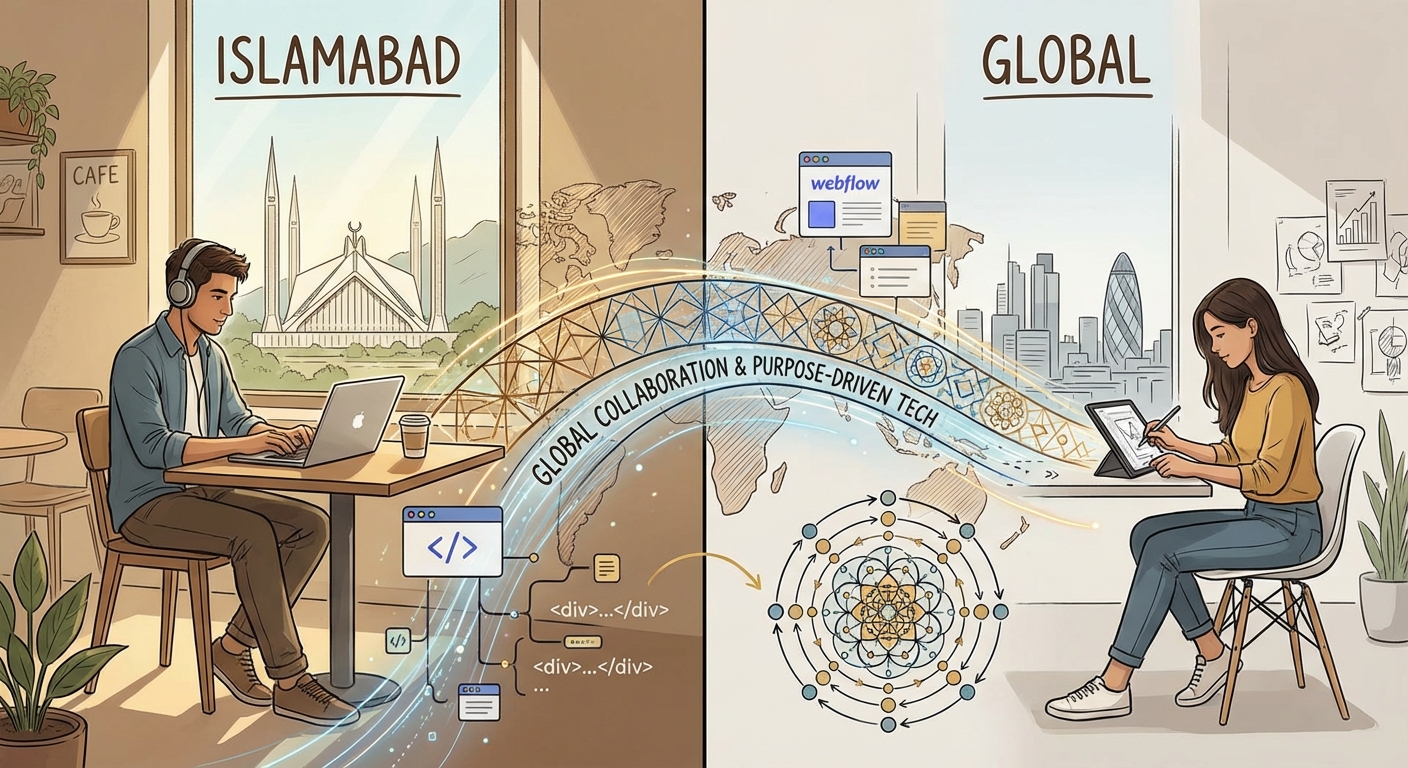


James Redenbaugh and Siam Khan connected through Apollo.io after Siam searched for Webflow [tag="webflow"] agencies as part of her lead generation strategy (04:44). Siam is a 22-year-old developer based in Islamabad, Pakistan, with four years of experience spanning custom web development (React.js, Next.js) and Webflow [tag="webflow"] specialization. She began as an intern at a Belgian company, where she introduced Webflow [tag="webflow"] as a solution for rapid landing page development in the services sector. Over three years, she trained 3-4 team members on the platform while simultaneously building a freelance practice with German and Swiss clients, managing full project ownership including design coordination, development, and client communication.
Siam acknowledged the challenges of being based in Pakistan, noting the need to consistently prove her capabilities due to geographic bias. James expressed a strong interest in collaborating globally and helping change these perceptions, particularly given IRIS's focus on purpose-driven organizations working on complex, interconnected global challenges.
James explained that IRIS works exclusively with nonprofit and purpose-driven organizations focused on cultural and consciousness development (06:30). The studio's philosophy centers on the belief that today's complex, interconnected problems cannot be solved from single perspectives or by individuals working in isolation. IRIS serves organizations building new forms of collective intelligence, collaboration tools, and approaches to tackling systemic challenges through webflow [tag="webflow"] websites, branding, animations, and increasingly sophisticated web applications.
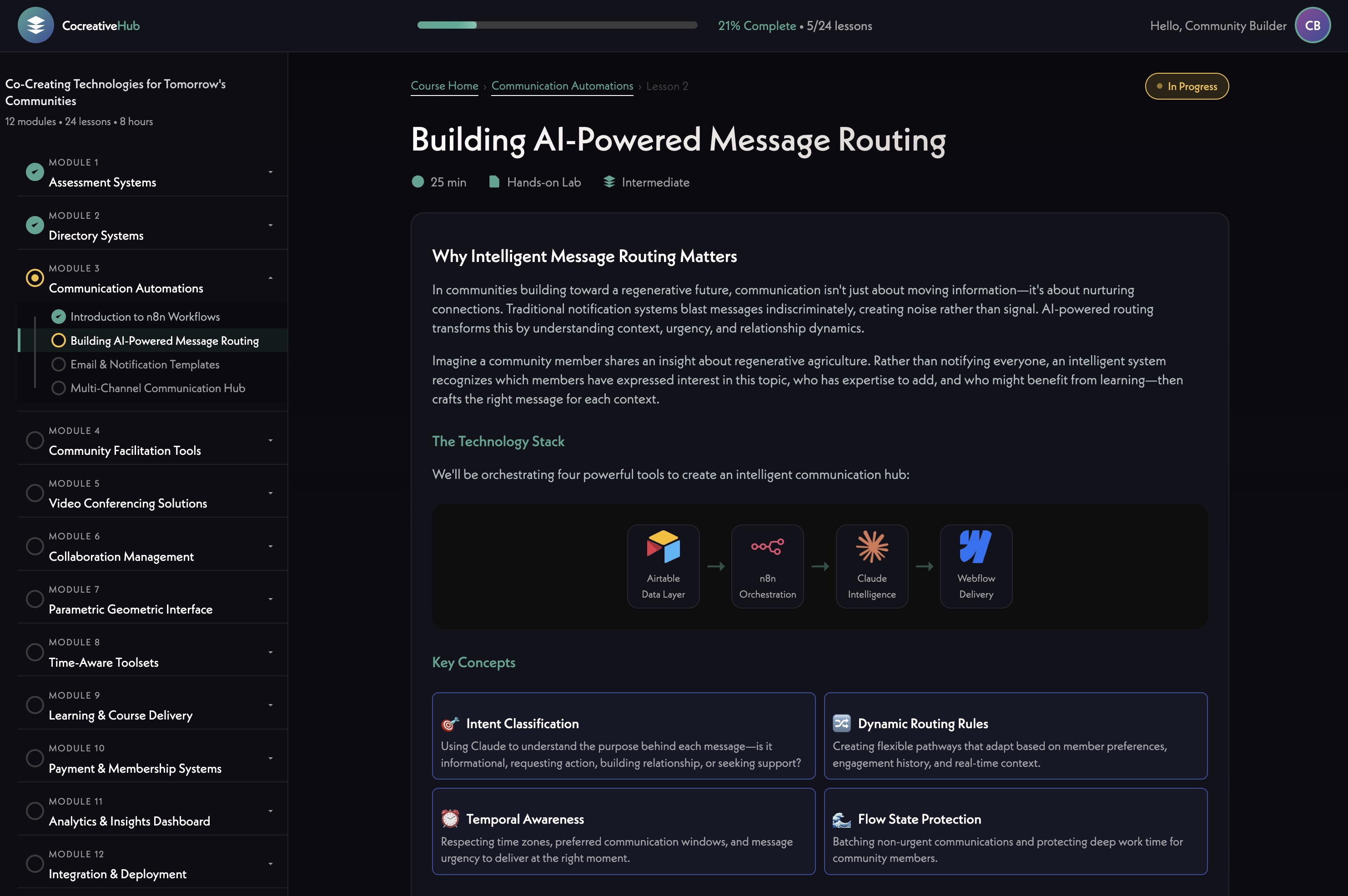
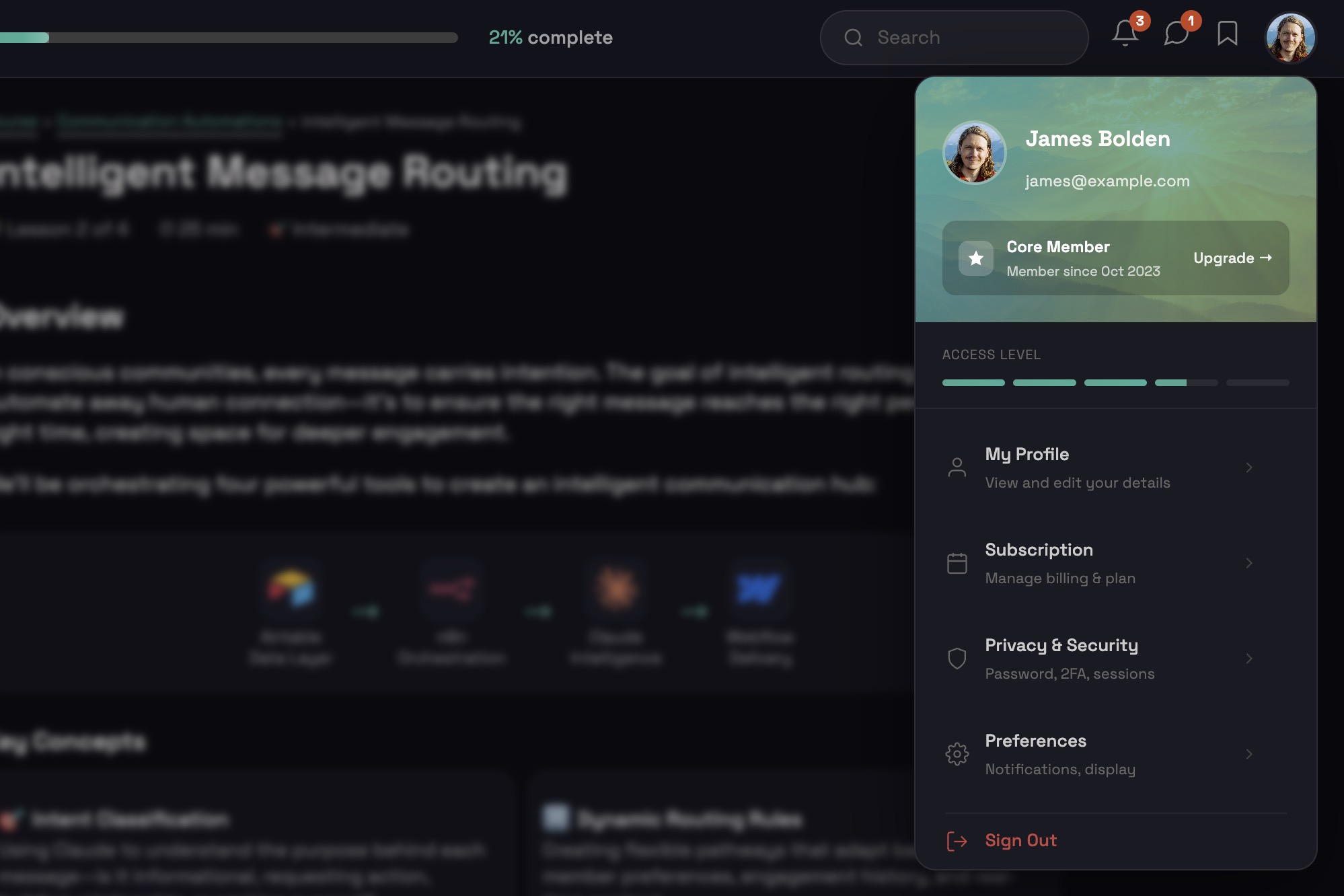
The studio is leveraging Claude AI [tag="claude"] and other AI tools to transform Webflow [tag="webflow"] sites into online learning platforms, community building tools, and collaboration systems. This technological evolution is enabling capabilities that were previously cost-prohibitive or technically complex.
[technology="Online Learning Platforms"]
[technology="Community Facilitation Tools"]
[technology="Collaboration Management Tools"]
James shared his background transitioning from architecture to digital design, starting with visual page builders like Wix, Weebly, WordPress, and Squarespace before specializing in Webflow [tag="webflow"]. He's now expanding into JavaScript [tag="js"] and React development, with Claude AI [tag="claude"] helping him navigate the complexity. The team is building their first full web app in React while simultaneously developing a custom project management tool integrated into their Webflow [tag="webflow"] site.
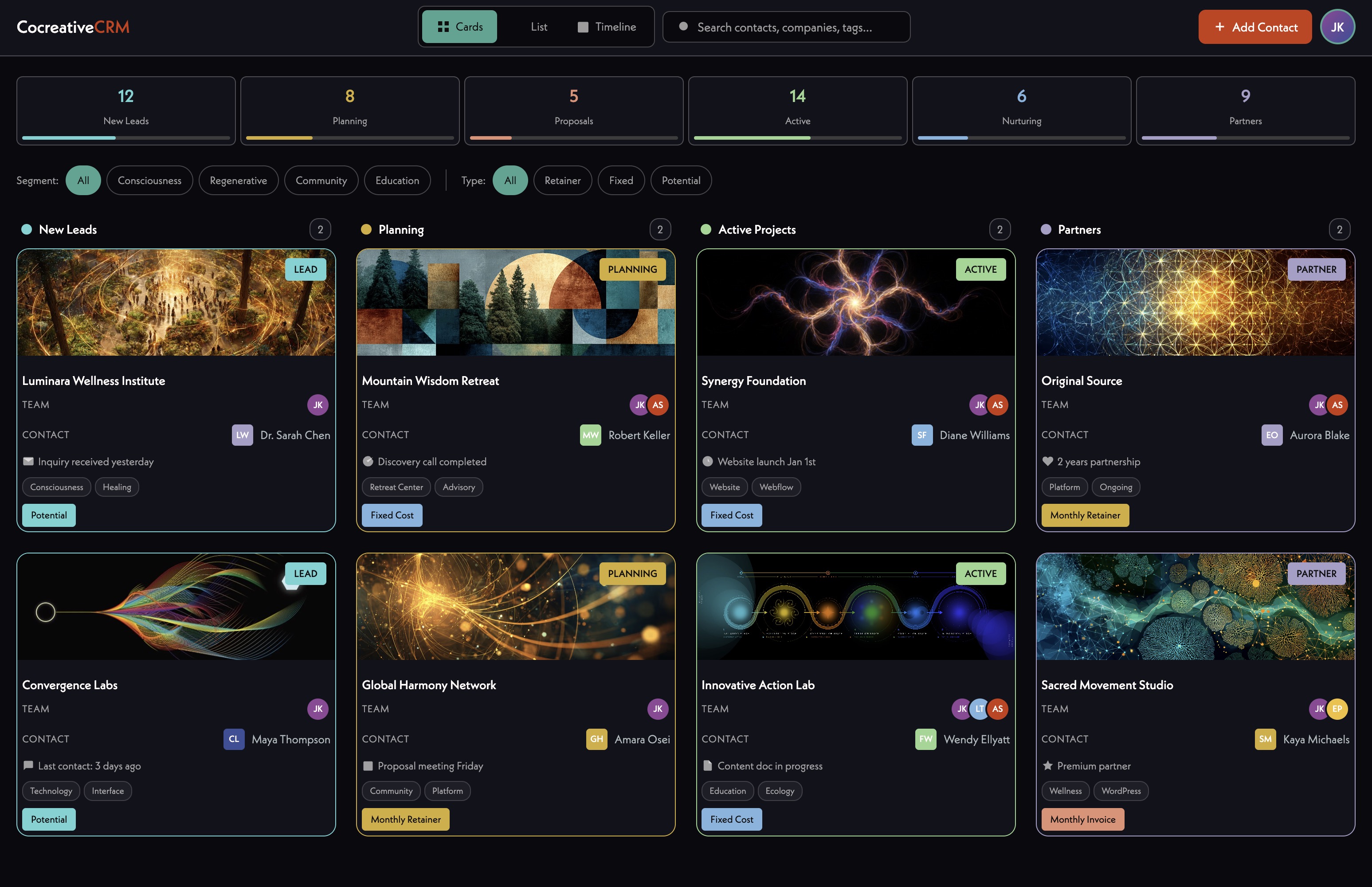
James demonstrated IRIS's custom CRM built directly in Webflow [tag="webflow"], connected to Airtable [tag="airtable"] via Whalesync [tag="whalesync"] (12:30). The system features project filtering by team member, timeline visualization, and detailed project views including team assignments and initiatives. An N8N [tag="n8n"] automation processes meeting transcripts to auto-generate summaries with highlighted participant names and automatically assigned tasks, all editable within the Webflow [tag="webflow"] interface.
James acknowledged the system is somewhat patched together over 12 months and plans to rebuild it with a cleaner architecture while maintaining the functionality that's proven valuable.
[technology="CRM System Templates"]
[technology="Communication Automations"]
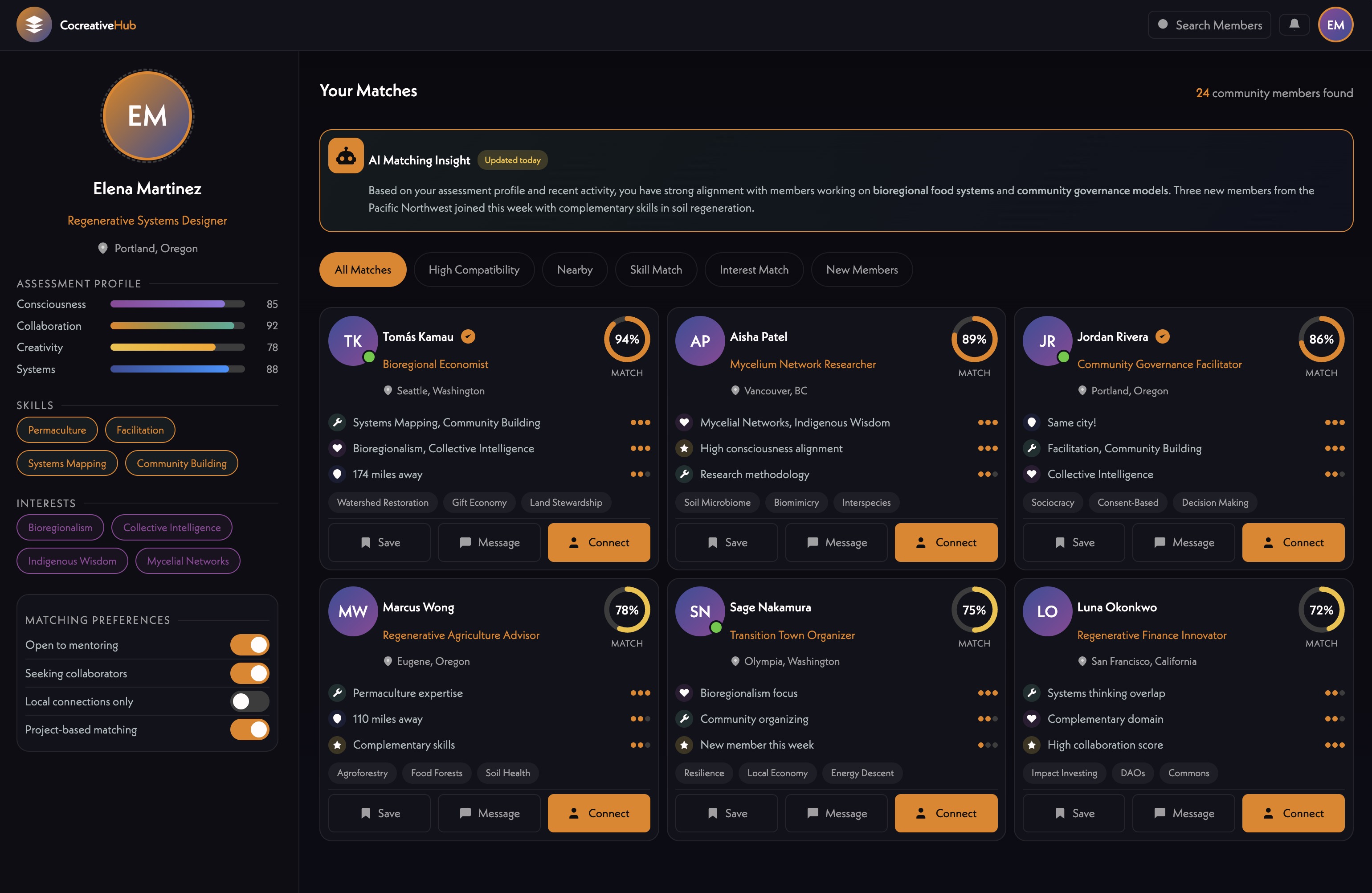
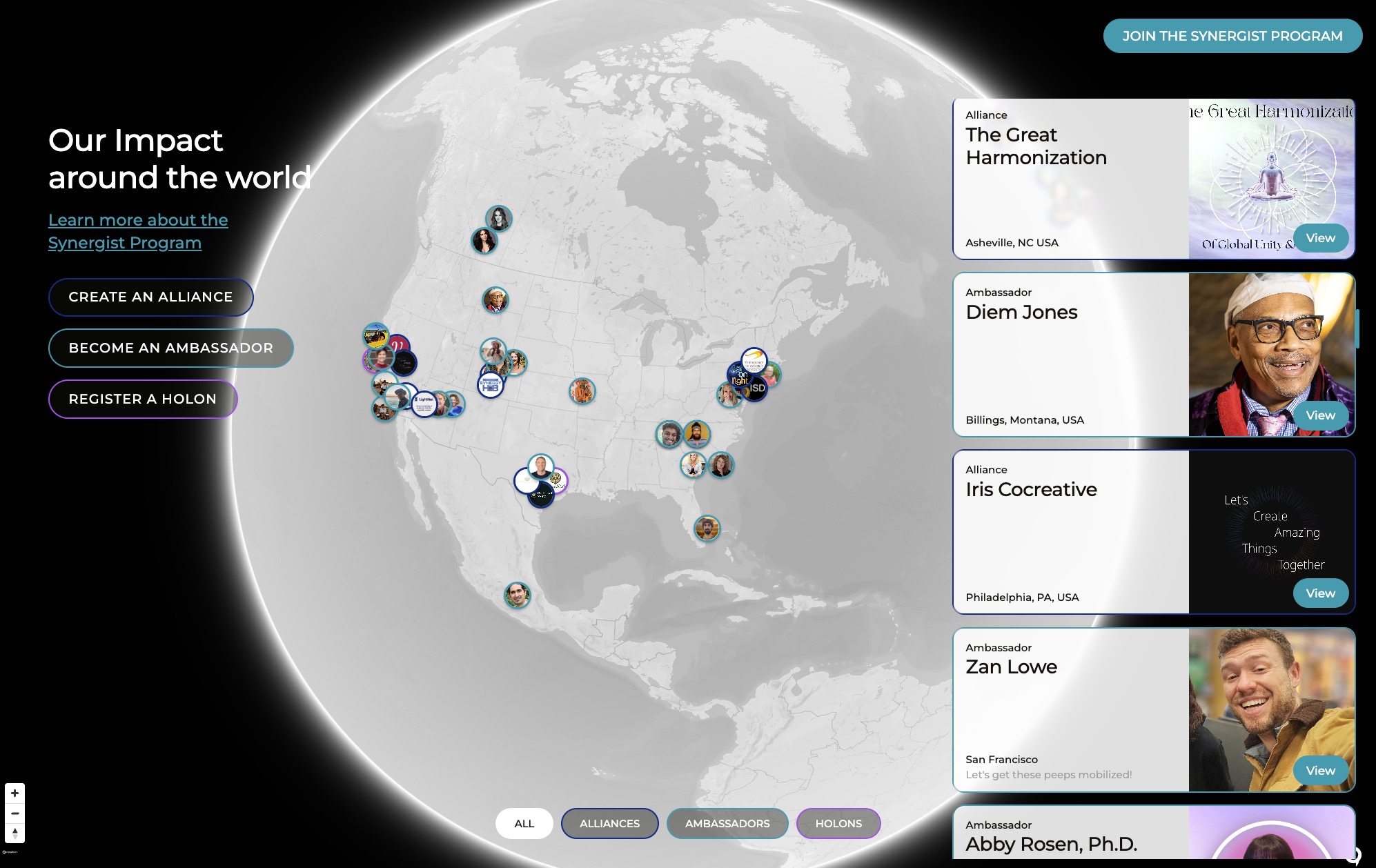
The Hollow Movement project exemplifies IRIS's directory and membership capabilities. The current implementation features an interactive map-based directory where users complete forms to create profiles visible on a homepage widget (14:00). Plans include expanding this into a full membership site with user authentication via Supabase [tag="supabase"], allowing members to log in, edit profiles, and complete intelligent assessments.
[technology="Custom Membership System"]
[technology="Directory Systems"]
[technology="Assessment Systems"]
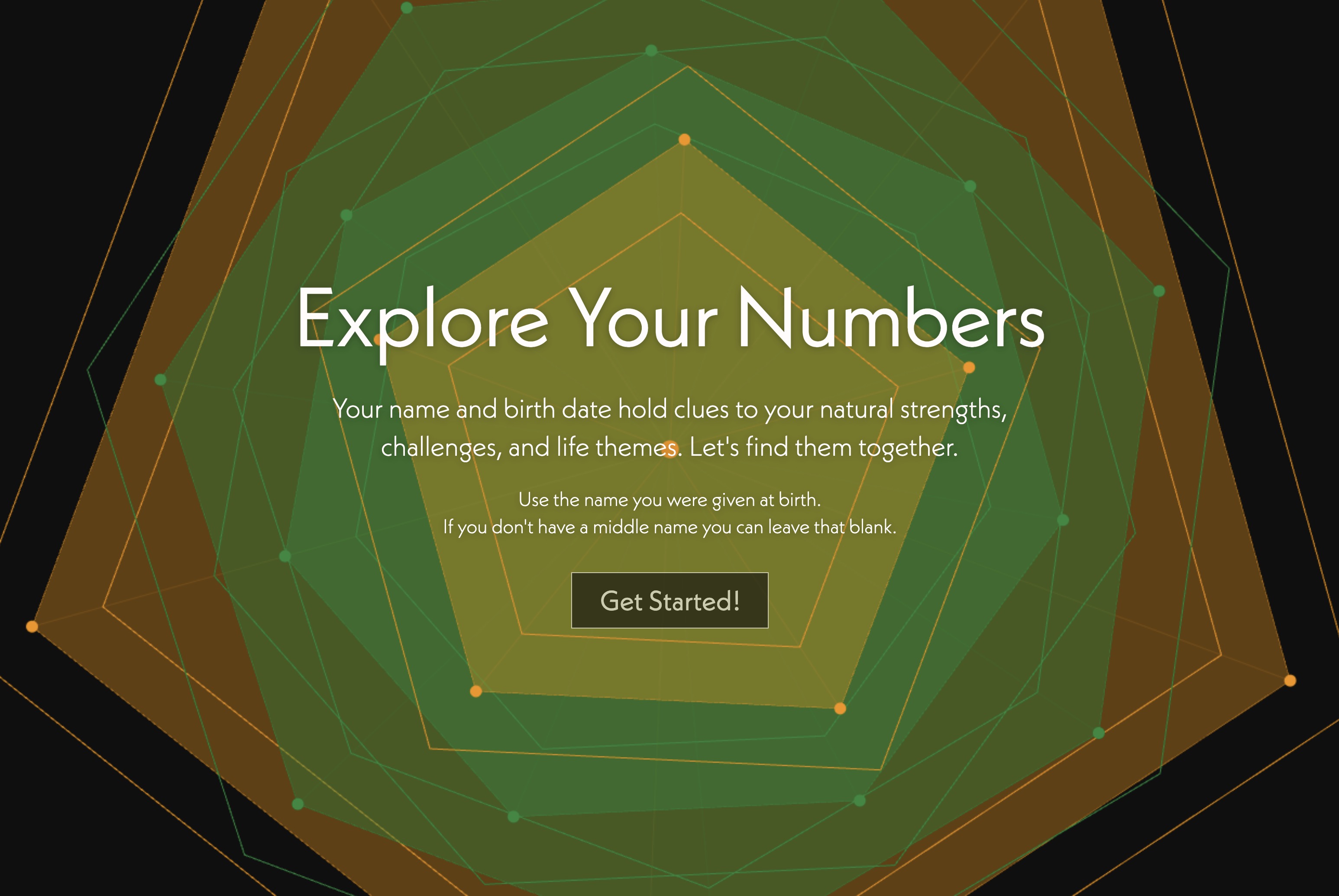
James showcased a numerology assessment tool built entirely in Webflow [tag="webflow"] using custom code and N8N [tag="n8n"] automation (15:00). The system collects user information (name, birthdate, email), processes it through a custom algorithm to calculate numerological values, generates a unique mandala visualization, and feeds the numbers into a Claude AI [tag="claude"] agent that creates personalized interpretations. The analysis is then dynamically inserted into an HTML structure on the page.
Siam completed the assessment and found the results personally resonant, particularly regarding her desire for meaningful work and long-lasting change, which aligned with her profile numbers (9, 11, 4, 11) and her current "four pinnacle" life phase focused on structure and stability (18:44).
[technology="Assessment Systems"]
James shared his perspective that nothing is truly random in nature, explaining how patterns found in names and birthdates can reveal meaningful insights. Approximately 50-100 people have completed the assessment with consistent feedback about its resonance.
James outlined a fundamental shift in IRIS's operational model moving into 2026 (25:54). Previously, the studio worked project-by-project, building custom solutions for each client without systematically capturing and evolving that knowledge. The new approach centers on developing a core set of technologies and capabilities that can be customized and deployed across multiple clients.
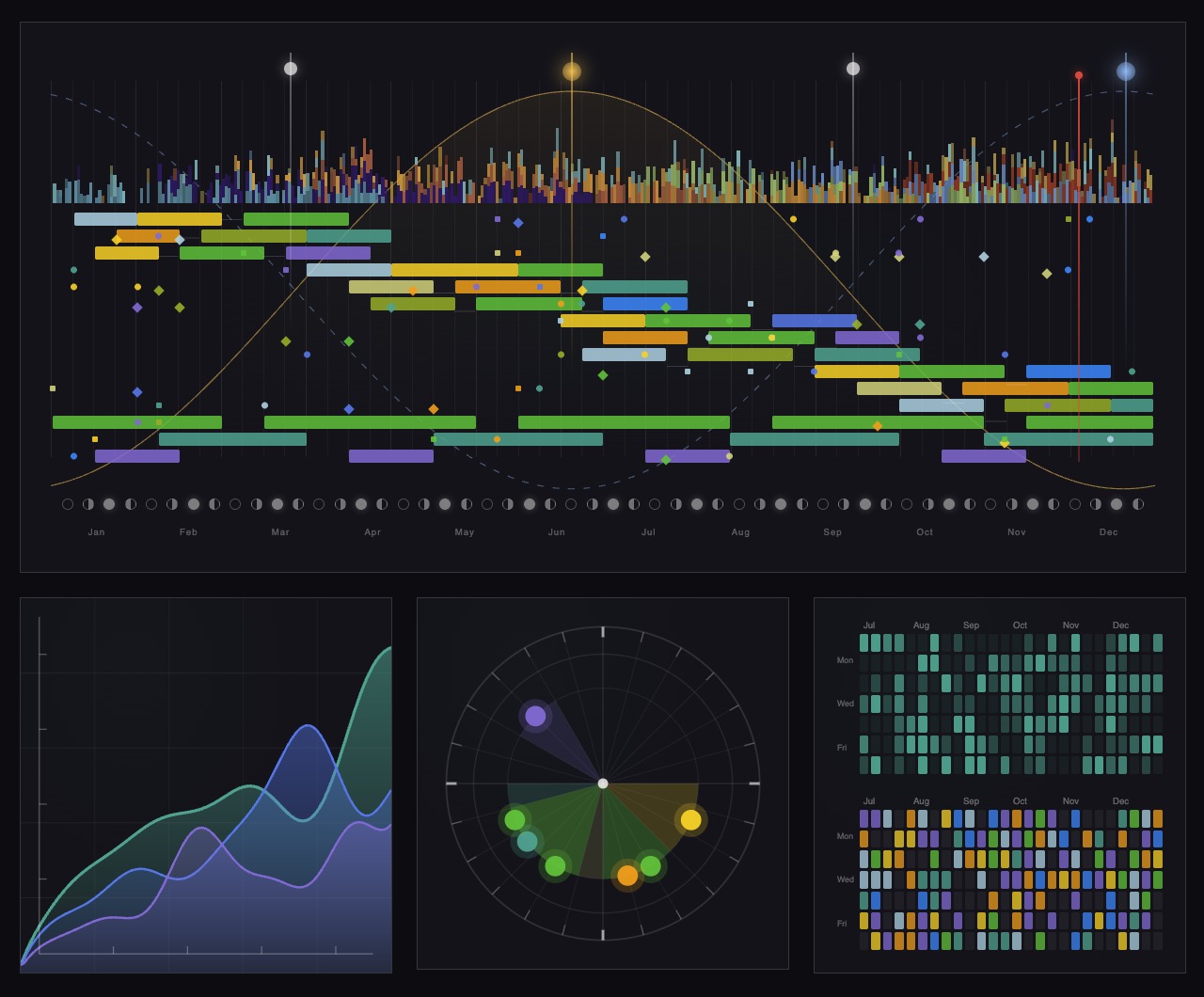
The goal is to organize work into technology categories—learning management systems, membership solutions, custom CRMs, communication automations, assessment systems, directory systems, video conferencing solutions, and parametric geometric interfaces—that evolve centrally over time. This ecosystem approach would enable IRIS to offer sophisticated, field-tested solutions at a fraction of traditional custom development costs while maintaining the ability to tailor experiences to specific client needs.
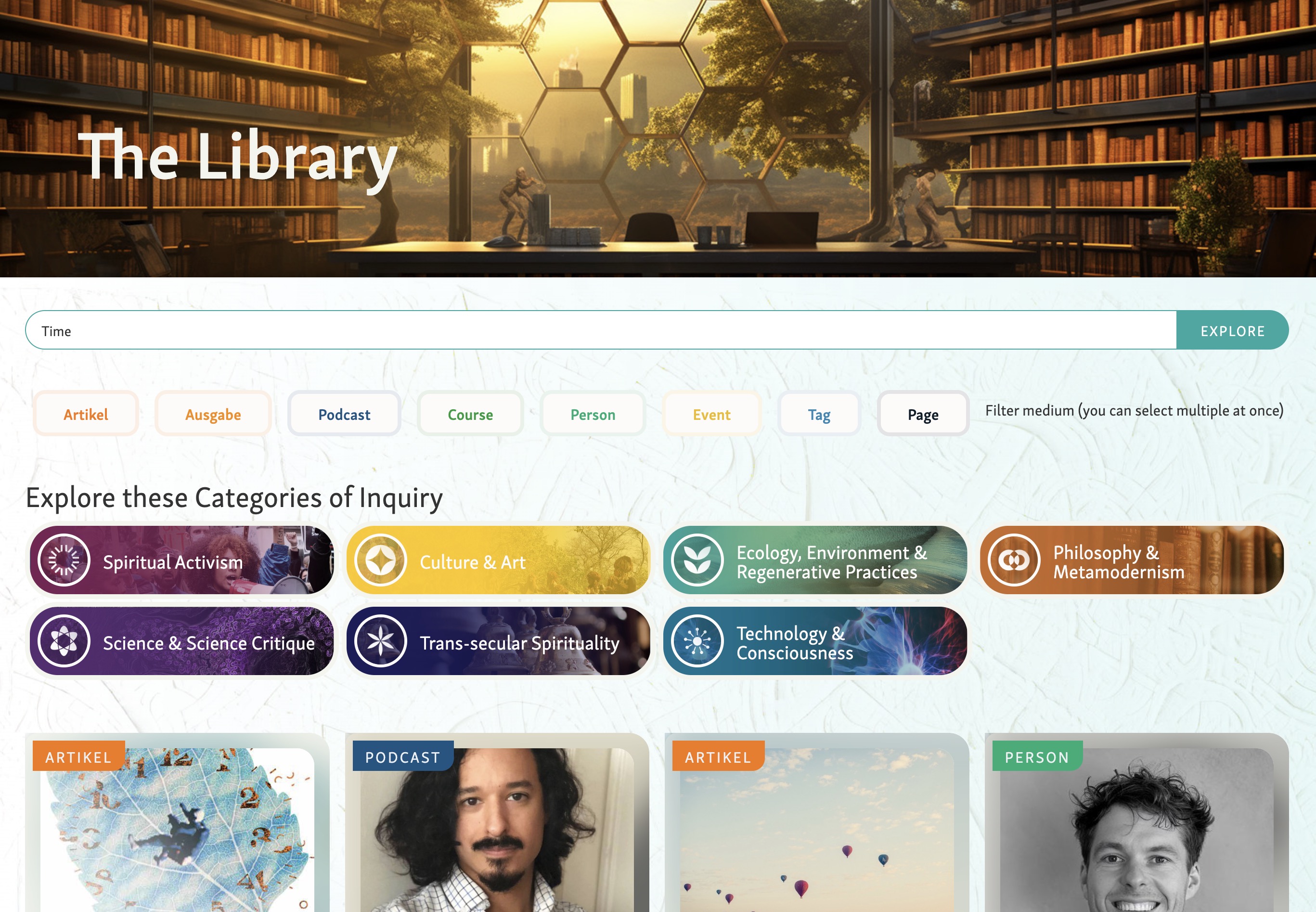
James demonstrated the beginning of this initiative through a new internal knowledge base site containing development standards, custom code guidelines, tool documentation, account information, and GitHub [tag="github"] repository procedures. The site remains largely in development with placeholder content requiring expansion.
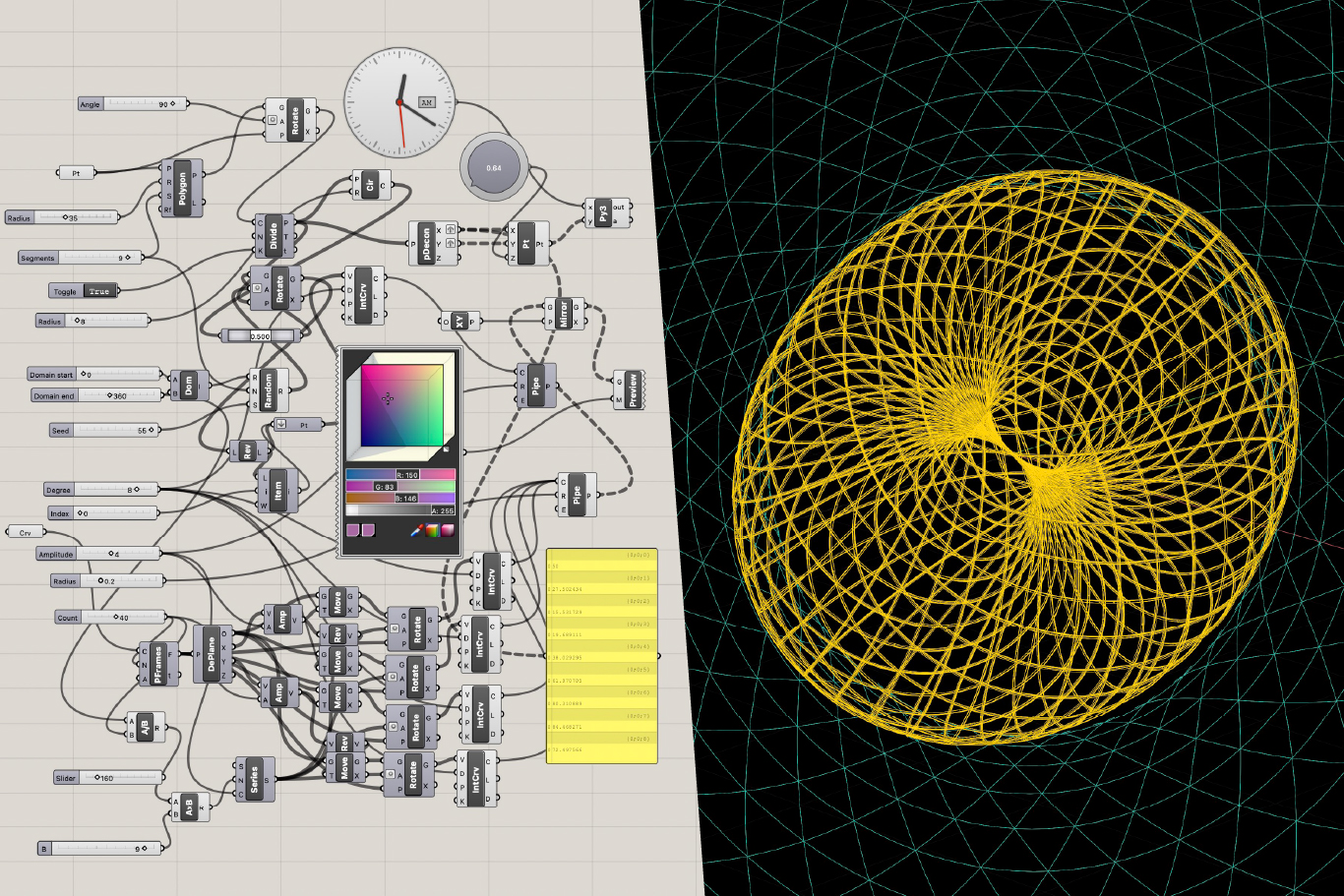
James mentioned his background in parametric design and advanced geometry work using Grasshopper [tag="grasshopper"], stemming from his architecture training. With Claude AI [tag="claude"], he's now able to convert parametric geometry work into JavaScript [tag="js"] for more advanced web implementations.
[technology="Parametric Geometric Interfaces"]
The IRIS workflow operates on a spectrum of design approaches depending on project needs (31:53). On one end, approximately 90% of design work happens in Figma before moving to Webflow [tag="webflow"] for final interactions and animations. On the other end, particularly for smaller projects, the team may skip Figma entirely and design directly in Webflow [tag="webflow"], evolving the design iteratively. This flexible approach allows the team to match methodology to project requirements.
Both James and Siam expressed strong interest in establishing an ongoing retainer relationship rather than project-based work (35:00). Siam emphasized her desire for consistency and meaningful work that creates lasting impact and long-term collaboration. As a young developer with four years of experience, she's eager to learn and appreciates work that combines both frontend design and backend functionality, which she sees in IRIS's approach.
James outlined his vision for a retainer model where contributors can maintain their own client relationships while working with IRIS, creating a symbiotic learning environment. He values team members having independent clients because they learn different things from agency work versus independent practice. James conceptualizes IRIS as somewhat of a creative collective where pathways exist for mutual support and shared growth.
The proposed model would include a backlog of both client and internal IRIS projects, ensuring consistent work availability. When client projects aren't pressing, contributors could work on internal systems like the CRM, knowledge base, template development, or research initiatives aligned with their interests. This addresses James's concern about becoming a bottleneck in the organization—he wants team members to have visibility into upcoming projects and autonomy to identify work they can contribute to.
The conversation concluded with a warm cultural exchange where James shared his appreciation for Islamic traditions, particularly Sufi mysticism and the works of Rumi and Hafez, as well as Islamic architecture and geometry (39:00). Siam appreciated hearing this recognition of her culture and religion from a collaborator. Both participants noted the seemingly serendipitous nature of their connection, with Siam reflecting that this opportunity represents exactly what she's been seeking.
The philosophical alignment extended to James's belief that nothing is truly random, which resonated with how they found each other and the potential for meaningful collaboration focused on purpose-driven work serving global communities.
James Redenbaugh
Siam Khan
James Redenbaugh and Siam Khan connected through Apollo.io after Siam searched for Webflow [tag="webflow"] agencies as part of her lead generation strategy (04:44). Siam is a 22-year-old developer based in Islamabad, Pakistan, with four years of experience spanning custom web development (React.js, Next.js) and Webflow [tag="webflow"] specialization. She began as an intern at a Belgian company, where she introduced Webflow [tag="webflow"] as a solution for rapid landing page development in the services sector. Over three years, she trained 3-4 team members on the platform while simultaneously building a freelance practice with German and Swiss clients, managing full project ownership including design coordination, development, and client communication.
Siam acknowledged the challenges of being based in Pakistan, noting the need to consistently prove her capabilities due to geographic bias. James expressed a strong interest in collaborating globally and helping change these perceptions, particularly given IRIS's focus on purpose-driven organizations working on complex, interconnected global challenges.
James explained that IRIS works exclusively with nonprofit and purpose-driven organizations focused on cultural and consciousness development (06:30). The studio's philosophy centers on the belief that today's complex, interconnected problems cannot be solved from single perspectives or by individuals working in isolation. IRIS serves organizations building new forms of collective intelligence, collaboration tools, and approaches to tackling systemic challenges through webflow [tag="webflow"] websites, branding, animations, and increasingly sophisticated web applications.
The studio is leveraging Claude AI [tag="claude"] and other AI tools to transform Webflow [tag="webflow"] sites into online learning platforms, community building tools, and collaboration systems. This technological evolution is enabling capabilities that were previously cost-prohibitive or technically complex.
[technology="Online Learning Platforms"]
[technology="Community Facilitation Tools"]
[technology="Collaboration Management Tools"]
James shared his background transitioning from architecture to digital design, starting with visual page builders like Wix, Weebly, WordPress, and Squarespace before specializing in Webflow [tag="webflow"]. He's now expanding into JavaScript [tag="js"] and React development, with Claude AI [tag="claude"] helping him navigate the complexity. The team is building their first full web app in React while simultaneously developing a custom project management tool integrated into their Webflow [tag="webflow"] site.
James demonstrated IRIS's custom CRM built directly in Webflow [tag="webflow"], connected to Airtable [tag="airtable"] via Whalesync [tag="whalesync"] (12:30). The system features project filtering by team member, timeline visualization, and detailed project views including team assignments and initiatives. An N8N [tag="n8n"] automation processes meeting transcripts to auto-generate summaries with highlighted participant names and automatically assigned tasks, all editable within the Webflow [tag="webflow"] interface.
James acknowledged the system is somewhat patched together over 12 months and plans to rebuild it with a cleaner architecture while maintaining the functionality that's proven valuable.
[technology="CRM System Templates"]
[technology="Communication Automations"]
The Hollow Movement project exemplifies IRIS's directory and membership capabilities. The current implementation features an interactive map-based directory where users complete forms to create profiles visible on a homepage widget (14:00). Plans include expanding this into a full membership site with user authentication via Supabase [tag="supabase"], allowing members to log in, edit profiles, and complete intelligent assessments.
[technology="Custom Membership System"]
[technology="Directory Systems"]
[technology="Assessment Systems"]
James showcased a numerology assessment tool built entirely in Webflow [tag="webflow"] using custom code and N8N [tag="n8n"] automation (15:00). The system collects user information (name, birthdate, email), processes it through a custom algorithm to calculate numerological values, generates a unique mandala visualization, and feeds the numbers into a Claude AI [tag="claude"] agent that creates personalized interpretations. The analysis is then dynamically inserted into an HTML structure on the page.
Siam completed the assessment and found the results personally resonant, particularly regarding her desire for meaningful work and long-lasting change, which aligned with her profile numbers (9, 11, 4, 11) and her current "four pinnacle" life phase focused on structure and stability (18:44).
[technology="Assessment Systems"]
James shared his perspective that nothing is truly random in nature, explaining how patterns found in names and birthdates can reveal meaningful insights. Approximately 50-100 people have completed the assessment with consistent feedback about its resonance.
James outlined a fundamental shift in IRIS's operational model moving into 2026 (25:54). Previously, the studio worked project-by-project, building custom solutions for each client without systematically capturing and evolving that knowledge. The new approach centers on developing a core set of technologies and capabilities that can be customized and deployed across multiple clients.
The goal is to organize work into technology categories—learning management systems, membership solutions, custom CRMs, communication automations, assessment systems, directory systems, video conferencing solutions, and parametric geometric interfaces—that evolve centrally over time. This ecosystem approach would enable IRIS to offer sophisticated, field-tested solutions at a fraction of traditional custom development costs while maintaining the ability to tailor experiences to specific client needs.
James demonstrated the beginning of this initiative through a new internal knowledge base site containing development standards, custom code guidelines, tool documentation, account information, and GitHub [tag="github"] repository procedures. The site remains largely in development with placeholder content requiring expansion.
James mentioned his background in parametric design and advanced geometry work using Grasshopper [tag="grasshopper"], stemming from his architecture training. With Claude AI [tag="claude"], he's now able to convert parametric geometry work into JavaScript [tag="js"] for more advanced web implementations.
[technology="Parametric Geometric Interfaces"]
The IRIS workflow operates on a spectrum of design approaches depending on project needs (31:53). On one end, approximately 90% of design work happens in Figma before moving to Webflow [tag="webflow"] for final interactions and animations. On the other end, particularly for smaller projects, the team may skip Figma entirely and design directly in Webflow [tag="webflow"], evolving the design iteratively. This flexible approach allows the team to match methodology to project requirements.
Both James and Siam expressed strong interest in establishing an ongoing retainer relationship rather than project-based work (35:00). Siam emphasized her desire for consistency and meaningful work that creates lasting impact and long-term collaboration. As a young developer with four years of experience, she's eager to learn and appreciates work that combines both frontend design and backend functionality, which she sees in IRIS's approach.
James outlined his vision for a retainer model where contributors can maintain their own client relationships while working with IRIS, creating a symbiotic learning environment. He values team members having independent clients because they learn different things from agency work versus independent practice. James conceptualizes IRIS as somewhat of a creative collective where pathways exist for mutual support and shared growth.
The proposed model would include a backlog of both client and internal IRIS projects, ensuring consistent work availability. When client projects aren't pressing, contributors could work on internal systems like the CRM, knowledge base, template development, or research initiatives aligned with their interests. This addresses James's concern about becoming a bottleneck in the organization—he wants team members to have visibility into upcoming projects and autonomy to identify work they can contribute to.
The conversation concluded with a warm cultural exchange where James shared his appreciation for Islamic traditions, particularly Sufi mysticism and the works of Rumi and Hafez, as well as Islamic architecture and geometry (39:00). Siam appreciated hearing this recognition of her culture and religion from a collaborator. Both participants noted the seemingly serendipitous nature of their connection, with Siam reflecting that this opportunity represents exactly what she's been seeking.
The philosophical alignment extended to James's belief that nothing is truly random, which resonated with how they found each other and the potential for meaningful collaboration focused on purpose-driven work serving global communities.
James Redenbaugh
Siam Khan
Identify straightforward starter project for Siam with Loom instructions
January 22, 2026
Create Loom video with context and instructions for first project. Should be clear, well-scoped work that demonstrates IRIS processes and allows Siam to get familiar with the systems and workflow.
Provide Siam with Webflow site access for collaboration
January 22, 2026
Grant Siam access to the IRIS Webflow site so she can begin collaborative development work once starter project is assigned.
Share artifact summary from meeting with Siam
January 21, 2026
Send the AI-generated meeting summary and action items to Siam for her reference and to demonstrate the automated meeting processing system.
Review Loom video and starter project instructions
January 24, 2026
Begin work on assigned starter project
January 31, 2026
Continue developing ecosystem knowledge base and reusable templates
February 28, 2026
Ongoing work to expand the internal knowledge base site with development standards, custom code guidelines, tool documentation, and GitHub repository procedures. Currently has placeholder content requiring expansion as discussed in meeting.
Centralized resource hub serving as home base for team and new members. Organizes information by categories like development and design, covering style guides, class naming conventions, tool selection, project organization, and time tracking procedures. Long-term vision includes an AI bot with access to full resource library for conversational Q&&A interface, transforming traditional FAQ model into intelligent assistance. NEW: Secure Google Drive folder structure for contractor documentation (W9/W8 forms) being implemented (01:27:53). Historical time tracking and invoicing data compilation to support budget frameworks and capacity planning (16:53).
Strategic shift in business model moving away from custom one-off solutions toward developing perpetually evolving toolsets that benefit all clients indefinitely. When improvements are made to core technologies, all clients using those modules receive updates automatically. This approach enhances client relationships through ongoing value delivery, improves scalability, creates recurring revenue opportunities, and builds compounding institutional knowledge. Focus on leveraging AI capabilities to provide sophisticated functionality while combining human design sensibility with emerging AI tools. Transition from website studio to web app development model with emphasis on 'beautiful business' serving purpose beyond profit maximization. Aspirational collective ownership model for team members where contributors share in long-term value creation. New retainer collaboration model where contributors maintain independent client relationships while working with IRIS, creating symbiotic learning environment. Team members work on backlog of client and internal projects, ensuring consistent work availability and reducing organizational bottlenecks. NEW: Structured three-tiered external rate system replacing ad-hoc discounts: Tier 1 (standard market rate), Tier 2 (financially capable mission-aligned clients), Tier 3 (partners/Global South/early-stage). James rate increased to at least 2x Sean's reflecting strategic and architectural value (20:30). Monthly retainer model for clients enabling clear team capacity allocation and planning (15:03). James implementing regular $10,000/month salary with research needed on contractor vs employee structure (48:11).
Development of tailorable technology modules that can be mixed and matched for client projects rather than one-off custom builds. Includes 12 core modules: Assessment Systems, Custom Membership, Communication Automations, Online Learning Platforms (LMS), Directory Systems, Intelligent Matching Algorithms, Community Facilitation Tools, Video Conferencing Solutions, Collaboration Management Tools, Time-Aware Toolsets, Parametric Geometric Interfaces, and CRM System Templates. Each module can be fully tailored for clients while allowing technology upgrades to be pushed across all client sites using the system. Development timeline prioritizes different modules throughout 2026, with LMS receiving major focus at start of year. Strategic vision includes cross-platform course delivery, unified user profiles sharing selective data across different community platforms, and automated content synchronization between independent sites creating a 'nervous system' connecting disparate organizations. Ecosystem approach enables offering sophisticated, field-tested solutions at fraction of traditional custom development costs while maintaining ability to tailor experiences to specific client needs.
Development of retainer-based collaboration model enabling global talent partnerships with IRIS. System supports contributors maintaining independent client relationships while working on IRIS projects through shared backlog of client and internal work. Features project visibility dashboard, autonomous work selection, and consistent work availability ensuring contributors can work on internal systems (CRM, knowledge base, templates, research) when client projects aren't pressing. Model addresses organizational bottleneck issues by distributing project ownership and creating mutual support pathways. Initial implementation with Siam Khan serving as pilot for broader talent network expansion.
00:00:03
James Redenbaugh: This meeting is being recorded.
00:00:17
Siam K: Hi, James.
00:00:19
James Redenbaugh: Yes, I am. Good to meet you.
00:00:22
Siam K: Same here. How are you?
00:00:24
James Redenbaugh: I'm doing well. Am I pronouncing your name correctly?
00:00:28
Siam K: S. Yes, it's Siam. But you have done a pretty good job.
00:00:34
James Redenbaugh: Wonderful. And you're in Islamabad?
00:00:38
Siam K: Yes, I live in Islamabad.
00:00:41
James Redenbaugh: Awesome. I've heard many wonderful things about Pakistan. I've never been.
00:00:45
Siam K: Oh, that's great. You've been here.
00:00:48
James Redenbaugh: I. I've never been to Pakistan, but I've. I've heard. Heard lots of great things.
00:00:54
Siam K: You hope that you do because it's a beautiful place and.
00:00:58
James Redenbaugh: Yes.
00:00:59
Siam K: And you can ping me anytime when you're here. I would love to show you around.
00:01:03
James Redenbaugh: Oh, awesome. Great. Yeah, I've been to India a couple times and Sri Lanka and Indonesia. My sister lives in Thailand, so I'm in that. That part of the world.
00:01:17
Siam K: Once in a while you have a lot of. Yeah, that's great. Yeah. Nice.
00:01:26
James Redenbaugh: Yeah.
00:01:28
Siam K: So.
00:01:30
James Redenbaugh: So, yeah. What can you. What can you tell me about yourself? How did you find us, by the way? You know, just got a random email from you.
00:01:37
Siam K: Yeah, that's a good story to tell. I'll start first by introducing myself, what I do, who I am, and then also how I did find you. Basically, I started around four years ago from a random internship and I developed my passion for web development. So I started in custom web development, React js, Next js. And then where I was working, they saw potential in me and even though I was an intern, they directly hired me. It was a European company, a Belgian company for whom I was working at that time. But when they were working on React js Next js, there was an issue that they were facing. They were mostly working in services niche. Right. And when you work in services niche, you have to give landing pages. And if they are 24 pages or one page, they need to be done quickly and with quality, pixel perfection and of course with creativity, as you saw in my work, the ones that I shared with you. So for that they needed a solution. And at that time I was, you know, exploring different things and webflow was one of them. And I was also doing freelance at that time, so I offered a client of mine that I would make this for you in webflow. In that case, I learned to. And you'll have something that you can manage yourself easily with CMS and all that. So he said, yeah, why not? And then I introduced that into my company around three years ago. And till then, like I trained around three to four people there and they were totally like webflow based and they got a good result from companies and they were like, why not let's continue on webflow? So till then I am working on webflow and with that I have been doing a lot of freelance. I take projects as a project owner. I have a few clients from Germany and Switzerland. What they do, they give me the projects and I also get them designed for them. Like I have designers in my network with whom I work over the years. So I just, I get them designed for them, then I develop them myself for them and then I deliver them. Also handle all the client communication and all that. So this is what I do. And in that when I was working with my clients, I wanted to scale up because some of my clients were not that consistent in their pipeline. So there were some random projects that would come and then I was researching on how to get leads and then I found out about Apollo I.O. if you know about the tool. Apollo is a tool. Yeah, it's basically a tool for lead generation where you find emails and all that of whichever, you know, company or whichever niche that you're targeting. So I in the filter selected webflow agencies and I found you as well. So I emailed you. Yeah.
00:04:55
James Redenbaugh: Awesome. That's funny. Yeah, I should. We've been very lucky to. I've never had to do any outbound marketing or Legion or outreach or any marketing whatsoever. For 15 years people have found us and we've always had more to do than. Than we can handle, which if I was smart, I would raise my prices and hire more people, which I'm. I'm trying to do now. But I've been.
00:05:34
Siam K: This is such a privilege. Yeah, yeah. Because I live in Pakistan so, you know, I've worked all around with international agencies, but there's this thing that you have to prove that you are worth it. Right. Because of the graphical location, people tend to not believe that you can do the work. I don't know what's stigma that many people have ruined for the good talent in Pakistan, but it is really hard for the good talent in Pakistan to reach out to the good people that they can actually collaborate with and make good projects together without worrying about, you know, the nationality or being a Pakistani or everywhere. So yeah, you know, this is also an advantage of the location where you are. So I would say contribute thought to that.
00:06:30
James Redenbaugh: Definitely. I feel very privileged in that regard and I'd love to help change that because I really love collaborating with people all around the world. I think that people in different places bring different perspectives and the work that we do is we work exclusively with organizations that either are nonprofit or they're extremely purpose driven. They're all trying to do work in the world that, that's making a positive impact, particularly in, I might say, cultural and consciousness domains. So our clients are interested in, in global perspectives, in creating connections across boundaries. You know, our world has so many issues and we can focus on one issue like water, you know, and people need water and you know, there's lots of good work happening around that people need food. But the, the biggest issues that we're facing I feel are more and more complex. They're more and more interconnected. And I think that they cannot be solved from single perspective alone. They can't be solved by individuals and they can't be solved by the, you know, the white Western mind operating in isolation, thinking that it can solve everything. We need to find ways to connect the whole world together and you know, build new forms of intelligence together and new ways of working together and new ways of tackling these big problems together. And so we serve the organizations that are working on those big problems in different ways through what we're good at, which is building webflow websites and brands and animations when necessary, and increasingly more and more web apps, basically turning webflow websites into online learning tools and community building tools and collaboration tools. Thanks to Claude and other AI things, it's more and more possible to do some crazy stuff. So we're trying to take full advantage of that and, and right now we're very busy so I'd love to, to see what, see what you got, see where your, your skills are at and, and see if we can, can work together. And I'd love to share more about what we're, what we're working on right now and kind of how I'm, my thinking is shifting around webflow and what's possible and see where it aligns with, you know, what, what you're discovering. So I'd love to hear that you started as a full stack developer and have come into webflow because I'm kind of coming the other way. I started, I studied architecture actually 15 years ago and then went into digital design because I wanted to work for myself and I wanted to be really picky about who I worked with. And I started on like Wix and Weebly and then got into Web FL or WordPress, you know, did Squarespace for a while. And I've always been a very visual builder. I love visual page builders. But slowly over time I've learned more and more, you know, HTML and then CSS and then getting more into JavaScript and now basically building. We're building our first full web app right now in, in React and it's very new to me, but Claude is helping me understand the complexity a lot and work through it. And then I'm actually building a project management tool for our team to manage our projects because I've been building a complex tool into our webflow site and I can show you a bit of how it works. And you know, there's so much that we can do with webflow, especially with custom code and things like that. And the CMS is really powerful and we connect our CMS to airtable via Whale Sync and then we can do even more stuff. And so we have our whole like CRM. These are our different projects. Right now this is on webflow. I can filter by team member and see what they're working on and I can, you know, we have little timelines there. I can jump into a project and I can see who's involved. This needs, I've kind of patched this together as we've made it. It needs a deeper redesign, but I can see timelines and initiatives and I can jump into a meeting.
00:12:29
Siam K: This is really great so far. I love the functionality.
00:12:34
James Redenbaugh: Yeah, isn't it interesting? So, and now at this point, after meeting with a client, I built an automation in N8N that will take the, the transcript and it'll auto generate this whole summary. It'll highlight their, their names based on who's in the meeting and then it'll even automatically assign tasks to people. And I can update these tasks, I can edit them, I can, you know, I can save this, I can create new tasks, I can generates an image. It's pretty crazy and it's all in webflow right now, but we're kind of hitting the limits of what's possible there. I'm going to start building something fresh because this is kind of patched together over the last 12 months anyway. Most of what we're building these days is in webflow and we're figuring out how to do custom membership solutions so we don't have to use Outsada or Member Stack or something like that. We have our own thing now using Supabase so we can build membership sites. We're doing really cool stuff with directories. I'll show you something else real quick. This is a big project we're working on right now. So this is just the beginning of a directory for this client, Hollow Movement, so users can create a profile, they fill out a form and then they end up on this map and they have a little profile. You can read things about each other and engage in this dynamic way. But right now it's just a little widget on the homepage. We're going to turn it into a full like membership site where you can log in and actually edit your profile and do these intelligent assessments while I'm overwhelming you with. With stuff. I wanna.
00:14:57
Siam K: No, I'm enjoying it.
00:14:58
James Redenbaugh: I want to show you one other thing.
00:15:01
Siam K: Yeah, it's great.
00:15:05
James Redenbaugh: Have you heard of numerology?
00:15:08
Siam K: Yes. Not in detail, but yeah, I've heard it.
00:15:15
James Redenbaugh: So can we do a. This is another thing. I built in webflow on our webflow site as a text just to see like, could we like. Does this work?
00:15:26
Siam K: Let's do mine.
00:15:29
James Redenbaugh: What's your middle name?
00:15:31
Siam K: I don't have a middle name. My last name is Han. How do you spell K? H, A, N. Cool.
00:15:41
James Redenbaugh: And when were you born?
00:15:43
Siam K: I was born on 29th of November 2003.
00:15:49
James Redenbaugh: Oh my God, you're so young.
00:15:51
Siam K: Yeah.
00:15:53
James Redenbaugh: Wonderful. I feel old. You're not that young. I'm just old now. November. And what's your email address?
00:16:07
Siam K: K S I A M1073gmail.com @gmail. Yep.
00:16:21
James Redenbaugh: Cool.
00:16:24
Siam K: Okay, let's get.
00:16:25
James Redenbaugh: Yeah. So I'll click that and it'll run. And this has actually sent your information to N8N and then I've built an algorithm that takes it and figures out your numbers and then it'll. You'll see, it'll generate this mandala and that's all done with custom code. And then it takes just your numbers and it feeds it into a Claude agent which will then create an analysis of your. Your numbers and give you an assessment. And then it feeds that content back into an HTML structure that I put on this page. So we can see like here's your profile numerology reading for CM and it'll tell you about yourself. So your numerology profile shows attention between visionary ideas and practical grounding that will define how you move through life. You have two master numbers. Eleven. That's very good. Creating sensitivity and intuitive pull towards meaningful work. But they're anchored by a nine life path for destiny that demand real world contribution and solid foundation building. This isn't a profile that lets you drift. You're built to create lasting change, but only if you learn to work with structure rather than against it.
00:17:48
Siam K: Okay.
00:17:49
James Redenbaugh: Does that resonate with you?
00:17:51
Siam K: Yeah. Honestly, the reason for doing this meeting, if you ask me, is that I am in a thirst of meaningful work and something that creates a long lasting change, if you get me. Like not in a sense that it would give a big impact, but in this sense that, for example, I work with you, I work with you on a single project and it creates such a good impact that we keep on working together, if you get me. Because I, as I told you, this is what I look for. That is consistency. Yeah. This is, if that is the impact this is talking about, then yeah, it totally resonates with me.
00:18:44
James Redenbaugh: Awesome. Great. Well that makes sense also with your numbers, your numerology here. I'm a bit of a numerologist. I'm a number. I love numbers. I've got them tattooed on me and I don't take them too seriously either. You know, I won't hold anybody, won't hold anybody to their numbers. But I do believe that there's, there's nothing truly random in nature, in our, in our cosmos. Not that everything is like preordained and we have no free will, but mathematically and scientifically we know that there's, we can't actually create randomness. You throw a dice on the table and it appears random. But if you get down to the quantum level, there's not really any randomness. So you'll always find patterns in everything. And then I think we can always find meaning in those patterns as well because we live in, in a beautiful, meaningful universe. And so the numbers that come out of our names and our birth dates are kind of random, similar to astrology, but there's no such thing as random. So there's actually meaning there. And I've like 50. I did this as an experiment in a few days And I think 50 or 100 people have done it now. And everybody who I've shared it with has said like, this is weirdly resonant. So you can, it'll, it'll have been emailed to you, you can check it out.
00:20:30
Siam K: Yeah.
00:20:31
James Redenbaugh: And see what it says about you. And. But one of the most interesting parts to me is the, the timeline that it creates. So you have these four kind of archetype numbers that represent this different aspects of your being or your personality. And yours are 9, 11, and then 4 and 11, which are awesome numbers, great numbers. But also there are these pinnacle numbers. So these represent different phases of your life. And so you're quite young, so you're still in this four pinnacle. That's your first pinnacle. And four is all about finding structure and stability and consistency. And it's like, how do I create the foundation for My life. And you also have a 4 in your profile as your, your destiny number. So that's, that's very important to you. But you also have a ton of elevens. So it's like, it's not the end goal. Even though it's your destiny number. It's not. You don't only want to be stable, you want to be growing and building and connecting and making stuff happen in the world. But you need that, you know, a certain level of stability and consistency and regularity to make that, that happen. And this says you'll be working on that until about 27. And then, and then you'll move into seven, a period of, of sevenness, which seven is a lot about kind of higher learning, advanced knowledge discovery. It could be travel, it could be, you know, inner discovery as well, but it's about like searching, you know, going really deep, understanding the world, things like that. So anyway, I didn't mean to.
00:22:54
Siam K: Yeah, that was great. Honestly, I enjoyed it. This is something like, honestly a unique experience for me.
00:23:06
James Redenbaugh: Great, wonderful. We're trying to create these unique experiences with webflow as the backbone because it's so easy to, to play in this shared space. And then we can use custom code and love it now to do these more advanced things. And the way that I'm thinking about it, this will give some context, even though already sharing a lot, but this is very much a work in progress. It's a sketch of an idea. But basically in the past we would work like this, where we have one project and a list of, you know, different things and tools that we're building for that project and we get through and then we move on to the next project. And we have, we're like, all right, what's the custom thing that we need to build for them? What do they need? What's the process we're taking them through? And then we move on. And then we don't really have a. We have like a bunch of cool stuff that we've done for projects in the past, but no central knowledge base or, you know, resource library that we're consistently developing and moving forward. Going into this new year, I want to focus more on the technologies that we're creating at the center and make it easier for our clients to access those technologies. So we're still going to do brand development and website design processes, and static page creation is always going to be our bread and butter, but we're doing more and more complicated projects that require learning management system or membership or custom CRM or communication automations and so instead of doing them kind of one at a time for different clients in different ways and pulling out the aspects and trying to organize our work into these categories so that we can evolve these tools centrally and over time, say a year from now, I hope we have a really awesome learning management template that we can use with custom membership systems and a whole library of communication automations that we've done and assessment systems like the one I just showed you. So that when a client comes to us and they're like, hey, we have this community, we're on Kajabi, but we want to do something different, better, you know, or we're on light networks, but we want to integrate something else, I can say, great, we've already figured out all this crazy technical stuff and we're continue to support it, we can now plug and play and tailor it to their needs, depending on what they need, and make a really crazy out there experience at like a tenth of the cost that, that it would cost them if they were to, you know, hire a team to develop it as an, as an app or something like that. So we're figuring out all these pieces. I built my own video conference solutions that we could have met over there instead of Zoom, where, you know, we can have a web page that you go into and there's an always open Zoom room and you can talk to people, things like that. I do a lot of parametric design, like advanced geometry stuff. I really nerd out on that. And that goes back to my architecture days and now with Claude, I'm able to convert the parametric geometry work I do in the program called Grasshopper, able to convert that into JavaScript, do more advanced stuff there and. Did I lose you? Your video just cut out. You still there? See them?
00:28:02
Siam K: Sorry, my laptop just turned off because it was not connected to power for I don't know how long.
00:28:14
James Redenbaugh: No worries.
00:28:16
Siam K: Yeah.
00:28:18
James Redenbaugh: You get a sense of what I'm getting at with the new model?
00:28:27
Siam K: Yes. Basically it's like keeping things at least enough ready that we can show them that this is the kind of work that we can do. Right. And I think that this is the main goal for you guys here. Kind of a template, but not actually a template. An impactful template. Yeah, if you get me.
00:28:52
James Redenbaugh: Yeah. You know, a lot of it's kind of an ecosystem of templates and I started a new site for us to start to keep track of things and different tools that we create, including a knowledge base. I'm going to log in here. So this is, I need to edit. This is A lot of placeholder content right here. But I want to start to build this out for everybody on the team to be on the same page about what we're building. Like, what are our development standards, how do we handle custom code, you know, what, what tools are we using, for what purposes? And also, you know, where are the accounts, what's the login, you know, what are we doing and how do we, you know, make Updates to the GitHub repo? Keep everybody informed on what we're doing there, Things like that.
00:30:02
Siam K: Yeah, just keeping everything, you know, like an.
00:30:10
James Redenbaugh: Yeah, sorry, go ahead.
00:30:13
Siam K: Yeah, I said like, it's just like an ecosystem that everyone is connected to.
00:30:19
James Redenbaugh: Exactly.
00:30:20
Siam K: So, yeah, I get it.
00:30:21
James Redenbaugh: It's. It's very much in process right now. There's influx. And to get started, it would be good to, like, give you something straightforward to work on and see, see what you do with it. So I'll try to think later today about a project that would be good for you and I'll send you a loom video about that and a, An invite to our. I'll probably have to send you. I'll figure out how to give you access to our webflow site so you can work on something. Because there's a number of things right now that are in process that we could actually use help on. So I'll try to give you context so you can jump in and start playing with stuff and then we can kind of take it from there and see what, what, what makes the most sense. We work in, in figma. I'm sure you're familiar with that for design.
00:31:53
Siam K: Yeah, yeah, that's great. I was gonna ask you this. Yeah, I was gonna ask you that. How, how is your workflow? So that's good. You said it. Yeah.
00:32:08
James Redenbaugh: Yeah. And. But we don't, we don't design everything out in figma first. Often it, it totally depends on the project. On one end of the spectrum, we'll design like maybe 90% in Figma and then we'll do the final interactions and animations in webflow. And on the other side of things, sometimes we might not use figma at all. It might just, especially if it's a smaller project, just start in webflow and jam there and then evolve it over time. And I'll also share an artifact from this, from this meeting. So that. Because I know we talked about a lot of different things.
00:33:04
Siam K: Yeah, great. And like, James, like, honestly, the kind of work that you guys are doing is something I'm really interested in. It would be great to explore about the possibilities on how I can contribute. And the thing is that since, you know, I'm young, but still I have four years of experience in this. So when you're young and you have all, you already have the this much experience. So you are already very keen to learn. Right. So if it's something that gives me more learning, I'm up to it. I, I don't have an issue with that. And I'm not rigid. Like, of course I do desire develop websites that are more like very, you know, funky and very. Something like that gets awards for you on the design. But at the same time as I am from full stack development background, so I kind of, you know, wish that the things in webflow were a little backend oriented so I could enjoy the backend feeling as well. So I think you guys are a combination of both if I look at it. So that is, that excites me honestly. And I, I would love to explore more and yeah, and the thing is that since you guys are working and if it aligns, if our numerology aligns. So yeah, I would really love to keep us in the loop and you know, I look for something more stable as I said that rather than doing something project based. So yeah, this is something that, the kind of work, the kind of model that you guys are working on and if it aligns with both of our interests, then I would love to keep working with you guys. It excites me.
00:35:07
James Redenbaugh: Great. Awesome. Yeah, we'll take things one step at a time, but I feel like a retainer model could work. Well. I, everybody, almost every, almost everybody we work with also has their own clients. And I like that a lot because one, I'm not fully responsible for too many people. But two, it's like you, you'll learn things from working with your own clients that, that you wouldn't learn just working with an agency. And you'll learn things working with an agency that you wouldn't learn working with your own clients. So it can be a kind of symbiotic relationship where I like, I think of it also as somewhat of a collective as well. Not just a studio, but also want to create more pathways for creatives in our ecosystem to support each other and for, you know, your work to benefit from the work that we're doing in the studio. So we'll be playing with that as well. But yeah, well, as we start working together, we'll figure out what, what makes the most sense. But it would be advantageous for me as well to have a kind of Retainer relationship where we can count on you every month for a certain amount of work and you can have a, a backlog of things to work on as well. So if there's not client stuff that's super pressing, you can work on internal IRIS stuff. Because I, yeah, so much comes through me. I'm such a bottleneck in the organization right now. It can be hard for me to find work for everybody all the time. And so I've had retainer relationships in the past where like I, I ended up spending too much time trying to make sure everybody has stuff to do. So I want to make sure we have a solid system where there's a, a backlog of things to do. So if there's not a client project, you can see. Well one, that's why I'm building the CRM. You can see what client projects are coming up. You can have a look at them and say, oh, I can do this, I can do that, or I can build out this value on the IRIS system. I'll work on the knowledge base or I'll work on the CRM template or I'll research this thing that I'm really interested in and stuff like that. So yeah, I want it to be a two way street and really collaborative as possible. You know, I want to not. Yeah. Want to listen to, to your ideas and see what you're working on and see what you're learning and see what I can offer you.
00:38:19
Siam K: That, that sounds really great. And honestly, this is something, I don't know, as you said, nothing is random. So I really like, I believe this, that this was something that maybe something that I was looking for and something that you were looking to offer. So it might be that that's why we met and I really look forward to make the most out of it. Yeah.
00:38:50
James Redenbaugh: Wonderful. Awesome, great. Thank you so much. You're in Pakistan, so do you say assalamu alaikum?
00:39:01
Siam K: You know it?
00:39:02
James Redenbaugh: Yeah.
00:39:04
Siam K: So basically we say assalamu alaikum. That means that blessings on you, right. Or bless you. So in return you can say that means that bless you too or otherwise if you're ending a call or if you're saying by, by so you can say Allah Hafiz. That means that in the protection of God, Wonderful Allah.
00:39:34
James Redenbaugh: Yeah. Just one other thing. I, I enjoy studying many religious traditions around the world, but the, the works of Rumi and the works of Hafez and some other Sufi mystics are so dear to my heart. They're my, my main gateway into the world of Islam. I know, they're just a, you know, a part of it, but I have a deep respect for the faith and Islamic architecture and Islamic geometry is. It's incredible. Yeah.
00:40:14
Siam K: So that's honestly like listening it from someone else who knows so much about you and your religion. That just feels really good.
00:40:27
James Redenbaugh: Awesome. Great. Well, I hope to learn more. So much to learn.
00:40:31
Siam K: Yeah. Only if you are keen to learn. Ask me anything.
00:40:38
James Redenbaugh: Well, I'll be. I'll definitely be in touch. Great to meet you, Siam. Am I saying that right? I just want to make sure.
00:40:45
Siam K: Yeah, yeah. Perfect.
00:40:46
James Redenbaugh: Great. Talk to you soon.
00:40:50
Siam K: Okay, James.
00:40:52
James Redenbaugh: All right. Allah Hafiz.
00:40:55
Siam K: Allah Hafiz.
00:40:57
James Redenbaugh: Take care.
00:40:58
Siam K: Take care. Bye. Bye.
00:40:59
James Redenbaugh: Bye.





.svg%20(1).png)

.png)