.png)


This introductory session between James Redenbaugh and Ashle Bailey-Gilreath (of Pro Social World) began with a few housekeeping items before moving into a substantive conversation about Iris Cocreative's operational challenges and the possibility of Ashle stepping into a project management and operations role.
On the technical side, James confirmed a cookie consent error had been resolved — an issue that had been particularly persistent for Apple users and had generated repeated complaints from at least one partner (01:01). The fix included added redundancy to ensure cross-browser reliability. Ashle also asked about safely removing a QA staging site on Webflow [tag="webflow"] to reduce hosting costs; James confirmed the staging site appeared to already be on the free tier, so there was no immediate cost concern. She also confirmed that removing James as a Mailchimp user would not break any API tokens or Zapier integrations (05:08).
---
James gave an honest, high-level picture of where Iris is right now. The recent departure of Iván Lopez has been a catalyst for rethinking how the team operates (06:47). While Iván was affordable and a long-term asset, inconsistencies in quality and task ownership had been ongoing. The contractors Iris works with now tend to have stronger attention to detail and a better sense of completion — but they cost more, which means profit margins need to improve to sustain the team.
The current project mix ranges from $5,000 smaller builds up to larger, more complex app-development engagements like the Hollow Movement platform. James described himself clearly as the bottleneck — the most limited resource in the company, most trusted by clients, and most involved in every project. The challenge is finding ways to get more out of his time while delegating effectively to capable team members.
James also shared some personal context: he got married in September and he and his wife are planning to start a family soon (34:37). His wife is transitioning careers toward art therapy, which means James needs to create more financial stability and breathing room — both for their life together and to ensure Iris can operate without him being indispensable to every decision.
---
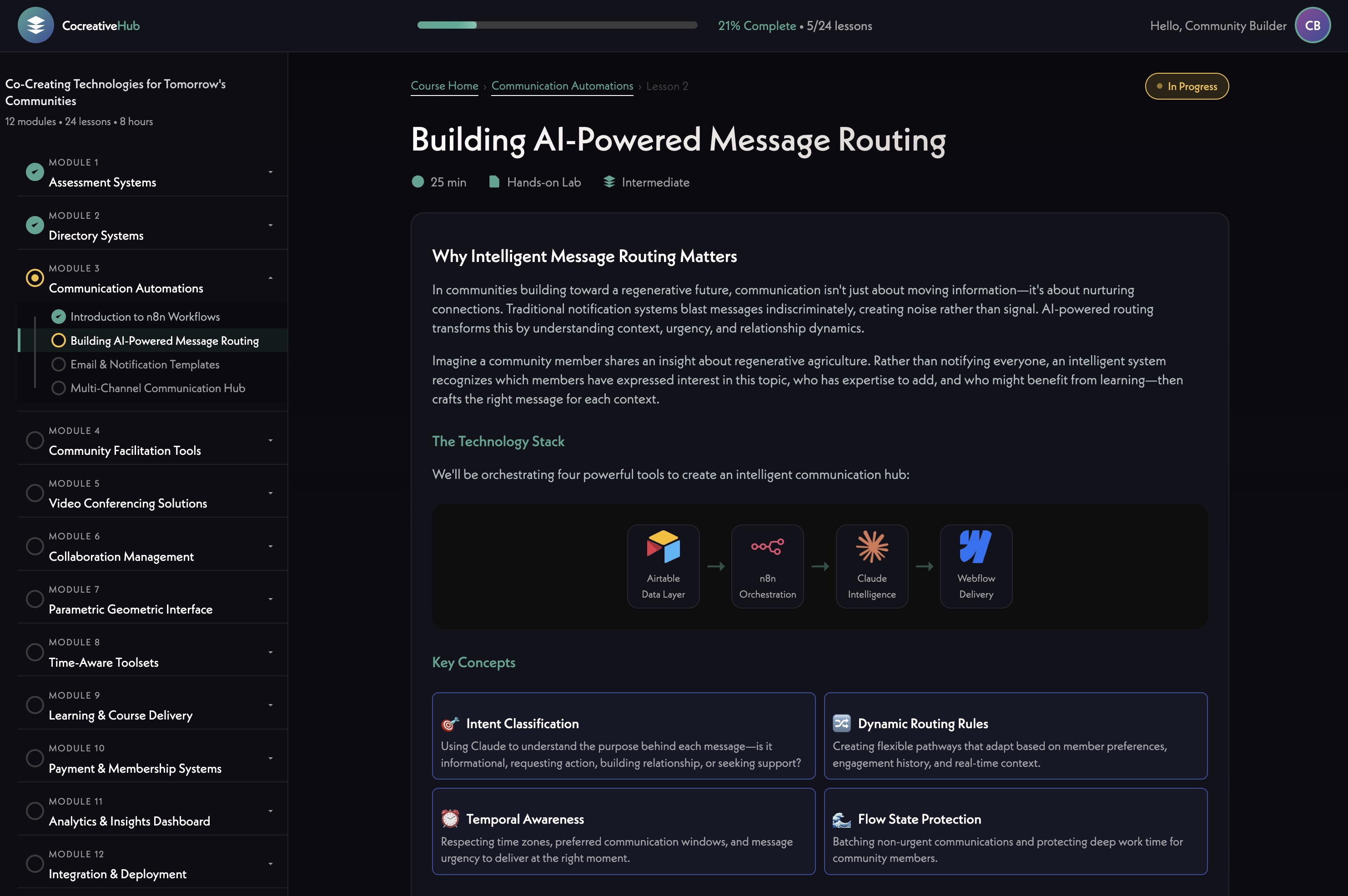
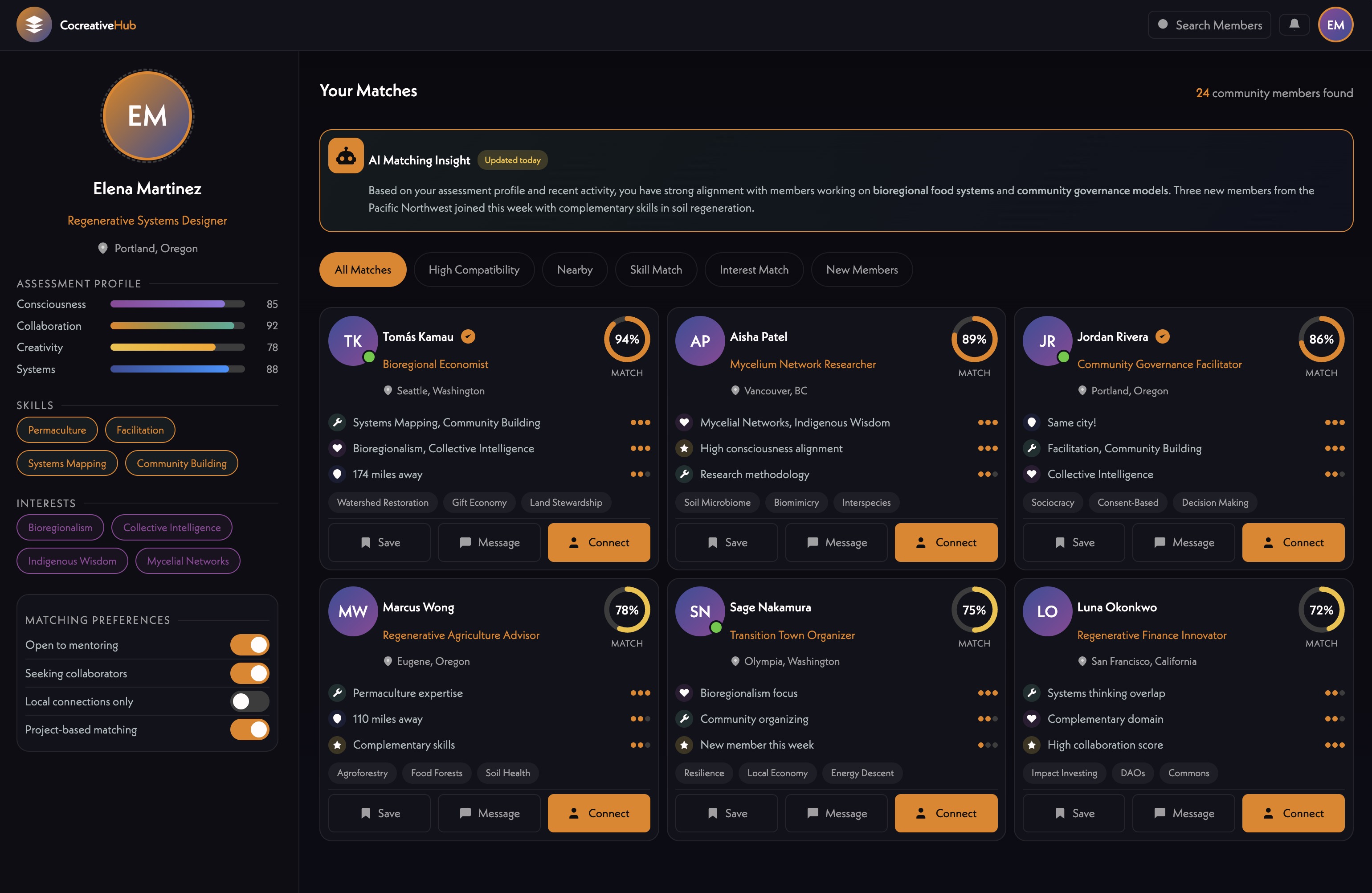
To give Ashle a sense of what Iris is building, James walked through the Hollow Movement app — currently in beta (17:24). The platform is built on Webflow [tag="webflow"] with significant custom code, and includes:
[technology="Custom Membership System"]
[technology="Assessment Systems"]
[technology="Intelligent Matching Algorithms"]
[technology="Directory Systems"]
[technology="Online Learning Platforms"]
What makes this particularly significant for Iris is that everything is being built modularly (21:45). The goal is a reusable, interconnected ecosystem — so once assessments are built for Hollow Movement, they can be deployed for another client with much less effort. More ambitiously, James envisions profiles and content that travel across client platforms, so a user on Hollow Movement could bring their profile into a Pro Social environment or access a course running simultaneously across multiple sites. The downstream potential is significant, and Hollow Movement — launching at The Wave event — is the first proof of concept.
---
Ashle and James had a candid conversation about Iris's financial reality (37:28). Iris has operated in a mission-first mode for years — charging enough to get by while prioritizing client relationships and ecosystem growth. That approach made sense while building the portfolio and processes. Now, with a strong track record and increasingly sophisticated capabilities, Iris is well-positioned to charge significantly more and structure projects to protect margins.
Ashle offered a direct framing: it's not about profit for its own sake — it's about sustainability. That means being able to pay the team well, take on the right projects, and have enough flexibility that James isn't personally derailed every time life happens.
One structural idea that came up: if Iris continues building open-source tools and public goods, it could potentially pursue 501(c)(3) nonprofit registration (40:50). This would allow Iris to receive tax-deductible donations, apply for technology-focused grants, and maintain service-based revenue alongside a public benefit mission. James found this genuinely interesting and worth exploring further.
---
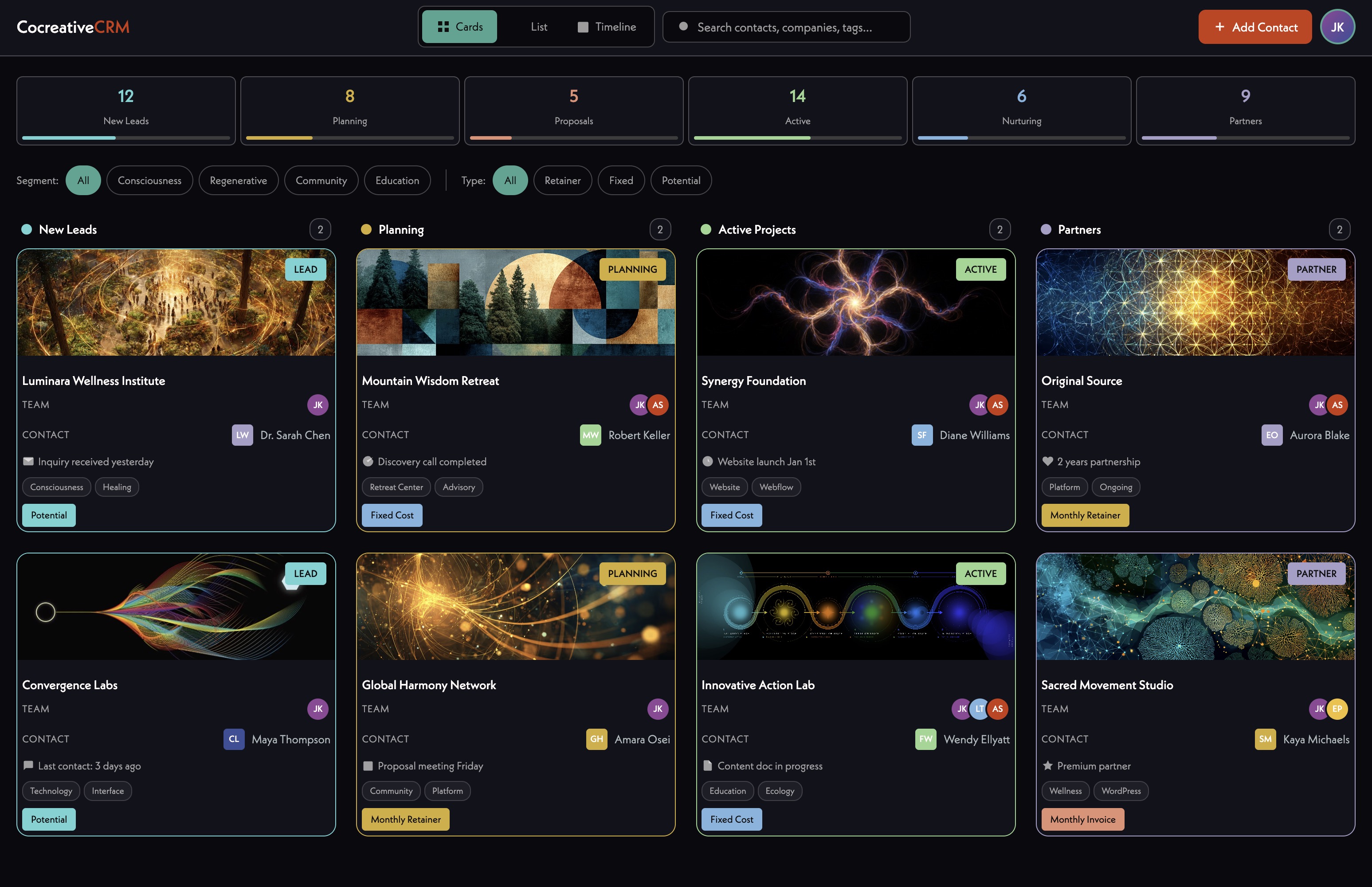
James walked Ashle through the current state of Iris's internal tooling (43:20). The team moved away from ClickUp after James began building a custom project management system — one that has some genuinely impressive pieces, including auto-generated meeting artifacts, Airtable [tag="airtable"]-synced project data, and custom views by team member. But the build stalled under the pressure of client work, and it currently lacks a reliable global task view, consistent timeline use, and time tracking.
[technology="Collaboration Management Tools"]
The result is a system that's more complex than it needs to be but not yet complete enough to fully rely on. James acknowledged the pattern himself — and Ashle offered a grounded observation: a functional project management foundation is the prerequisite for everything else (45:21). Whether that means finishing the custom build or committing to an existing tool like ClickUp, the decision needs to be made and followed through.
---
Ashle's background is in operations and general management — financial projections, project management, people management, contracts, internal procedures, and delegation frameworks — across roughly 15 years, primarily in the nonprofit sector (13:05). She's also deeply embedded in the same client ecosystem Iris serves, having worked closely with Hollow Movement and being familiar with organizations like Jan's (who James just confirmed is moving forward as a new client).
The conversation stayed exploratory rather than defining a specific role, but the areas of potential overlap are clear:
Ashle is currently wrapping up a separate project and would have more availability in about two weeks. She's available on a contractor basis, not full-time — which James noted is consistent with how everyone else at Iris works and actually aligns with the culture he prefers.
---
James Redenbaugh
Ashle Bailey-Gilreath
This introductory session between James Redenbaugh and Ashle Bailey-Gilreath (of Pro Social World) began with a few housekeeping items before moving into a substantive conversation about Iris Cocreative's operational challenges and the possibility of Ashle stepping into a project management and operations role.
On the technical side, James confirmed a cookie consent error had been resolved — an issue that had been particularly persistent for Apple users and had generated repeated complaints from at least one partner (01:01). The fix included added redundancy to ensure cross-browser reliability. Ashle also asked about safely removing a QA staging site on Webflow [tag="webflow"] to reduce hosting costs; James confirmed the staging site appeared to already be on the free tier, so there was no immediate cost concern. She also confirmed that removing James as a Mailchimp user would not break any API tokens or Zapier integrations (05:08).
---
James gave an honest, high-level picture of where Iris is right now. The recent departure of Iván Lopez has been a catalyst for rethinking how the team operates (06:47). While Iván was affordable and a long-term asset, inconsistencies in quality and task ownership had been ongoing. The contractors Iris works with now tend to have stronger attention to detail and a better sense of completion — but they cost more, which means profit margins need to improve to sustain the team.
The current project mix ranges from $5,000 smaller builds up to larger, more complex app-development engagements like the Hollow Movement platform. James described himself clearly as the bottleneck — the most limited resource in the company, most trusted by clients, and most involved in every project. The challenge is finding ways to get more out of his time while delegating effectively to capable team members.
James also shared some personal context: he got married in September and he and his wife are planning to start a family soon (34:37). His wife is transitioning careers toward art therapy, which means James needs to create more financial stability and breathing room — both for their life together and to ensure Iris can operate without him being indispensable to every decision.
---
To give Ashle a sense of what Iris is building, James walked through the Hollow Movement app — currently in beta (17:24). The platform is built on Webflow [tag="webflow"] with significant custom code, and includes:
[technology="Custom Membership System"]
[technology="Assessment Systems"]
[technology="Intelligent Matching Algorithms"]
[technology="Directory Systems"]
[technology="Online Learning Platforms"]
What makes this particularly significant for Iris is that everything is being built modularly (21:45). The goal is a reusable, interconnected ecosystem — so once assessments are built for Hollow Movement, they can be deployed for another client with much less effort. More ambitiously, James envisions profiles and content that travel across client platforms, so a user on Hollow Movement could bring their profile into a Pro Social environment or access a course running simultaneously across multiple sites. The downstream potential is significant, and Hollow Movement — launching at The Wave event — is the first proof of concept.
---
Ashle and James had a candid conversation about Iris's financial reality (37:28). Iris has operated in a mission-first mode for years — charging enough to get by while prioritizing client relationships and ecosystem growth. That approach made sense while building the portfolio and processes. Now, with a strong track record and increasingly sophisticated capabilities, Iris is well-positioned to charge significantly more and structure projects to protect margins.
Ashle offered a direct framing: it's not about profit for its own sake — it's about sustainability. That means being able to pay the team well, take on the right projects, and have enough flexibility that James isn't personally derailed every time life happens.
One structural idea that came up: if Iris continues building open-source tools and public goods, it could potentially pursue 501(c)(3) nonprofit registration (40:50). This would allow Iris to receive tax-deductible donations, apply for technology-focused grants, and maintain service-based revenue alongside a public benefit mission. James found this genuinely interesting and worth exploring further.
---
James walked Ashle through the current state of Iris's internal tooling (43:20). The team moved away from ClickUp after James began building a custom project management system — one that has some genuinely impressive pieces, including auto-generated meeting artifacts, Airtable [tag="airtable"]-synced project data, and custom views by team member. But the build stalled under the pressure of client work, and it currently lacks a reliable global task view, consistent timeline use, and time tracking.
[technology="Collaboration Management Tools"]
The result is a system that's more complex than it needs to be but not yet complete enough to fully rely on. James acknowledged the pattern himself — and Ashle offered a grounded observation: a functional project management foundation is the prerequisite for everything else (45:21). Whether that means finishing the custom build or committing to an existing tool like ClickUp, the decision needs to be made and followed through.
---
Ashle's background is in operations and general management — financial projections, project management, people management, contracts, internal procedures, and delegation frameworks — across roughly 15 years, primarily in the nonprofit sector (13:05). She's also deeply embedded in the same client ecosystem Iris serves, having worked closely with Hollow Movement and being familiar with organizations like Jan's (who James just confirmed is moving forward as a new client).
The conversation stayed exploratory rather than defining a specific role, but the areas of potential overlap are clear:
Ashle is currently wrapping up a separate project and would have more availability in about two weeks. She's available on a contractor basis, not full-time — which James noted is consistent with how everyone else at Iris works and actually aligns with the culture he prefers.
---
James Redenbaugh
Ashle Bailey-Gilreath
Draft outline of responsibilities and role for Ashle at Iris
James to draft an initial outline of the responsibilities and role Ashle might play at Iris. Referenced at 42:28.
Share overview of current systems, tools, and active projects with Ashle
James to share an overview of current systems, tools, and active projects for Ashle's review. Referenced at 42:55.
Schedule follow-up meeting with Ashle for Wednesday or Thursday of next week
James to schedule a follow-up meeting with Ashle for mid-next week (Wednesday or Thursday). Referenced at 48:12.
Book follow-up session on James's calendar for mid-next week
Ashle to book a follow-up session on James's calendar for mid-next week. Referenced at 48:12.
Sketch out initial thoughts on role approach and early solutions after reviewing James's materials
Ashle to review materials shared by James and sketch out initial thoughts on how she'd approach the role and any early solutions. Referenced at 48:59.
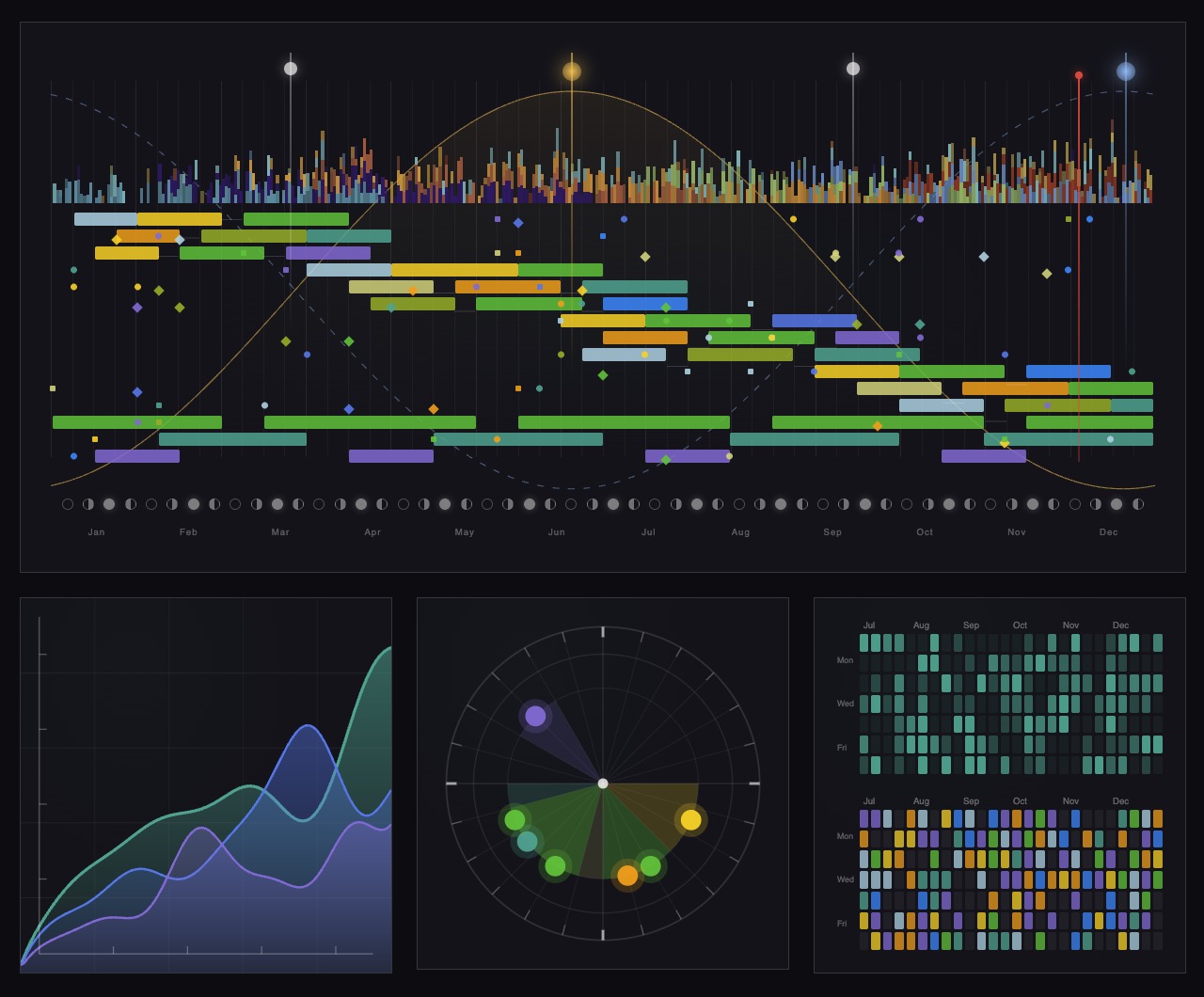
Custom project management system built from the ground up to support collaborative energies of projects. Features dynamic timeline visualization from past meetings, automated meeting artifact creation with summaries and action items, live editing capabilities, and organization by project phases. Single CMS collection architecture circumventing Webflow's nested collection limitations with JavaScript-powered status-based color coding, urgency indicators, and project timeline visualization. Real-time webhook integration enabling front-end CMS item creation without authentication. Designed to be more engaging and supportive than existing stale project management tools. Currently evaluating React architecture as alternative to Webflow-based approach given extensive custom JavaScript requirements - considering whether Webflow serves primarily as UI generator or if full React app would provide better integration. Decision made at 58:30-1:00:00 to park further development for ~6 months and identify simpler near-term plateau that team can actually use, while maintaining existing data structures (engagements, clients, meeting artifacts, initiatives, tasks). NEW DEVELOPMENTS: James prototyping 'James Today' personal workflow tool as interim solution - combines day/week views, time tracking, project urgency sorting, daylight visualization for team time zones, and Vedic astrology context (01:41:12). Key design principles: unified temporal views, quantitative and qualitative time awareness, drag-and-drop scheduling with auto-status updates, data capture for Claude retrospective analysis. Vision evolved to include dashboard representing engagements as organism showing energetic and temporal space each project holds (01:53:30), enabling forecasting, retrospective analysis, and team visibility. Move from request-only to offer-based model where team members can proactively propose involvement (01:55:37). STRATEGIC SHIFT: May 2026 - Decision to reactivate ClickUp as interim PM system while Iris OS vision continues development. Using 'caravan during house construction' metaphor (01:01:36) - ClickUp provides functional base while learning what's essential for dream system. Iris OS vision document shared with Ashle, expanding Phase One to incorporate administrative essentials alongside foundational vision elements (35:03). Core design principle clarified: base unit should be the asset (what we're building), not the task, with tasks serving milestones that serve assets. Client-facing should be simple with important assets surfacing; internal should provide journey map with clear stages. Meeting artifacts to be defined upfront per project. James acknowledged being 'designated bottleneck' with resistance to systematizing (01:02:35), goal is moving from triage mode to system he can step away from. JULY 2026 UPDATE: ClickUp now fully synced with custom Collaboration OS app (08:30). Tasks flow bidirectionally on scheduled cadence - ClickUp updates pull into app every 15 minutes, task updates sync back every 30 minutes. Today's focus (07/07/2026) is reworking artifact automation to create posts directly on website and tasks straight into ClickUp, consolidating everything into one place rather than generating separate Airtable artifacts. Strategic design advantage: custom interface enables calmness, spaciousness, and clarity over ClickUp's high information density (10:58). Vision includes simple milestone timeline views helping clients see what they need to do rather than parsing long compiled task lists. App to be published to Vercel for team collaboration. Ashle will be able to log in, update tasks, and comment directly. James merging earlier Iris OS phase one document with current Collaboration OS plan - currently on phase three of app development (29:09). Key question to revisit: what do we lean on the interface for, and what systems need to be strong independent of the technology?
Development of collaborative access and workflow integration for new talent partners. Includes providing Webflow site access, GitHub repository access, and n8n automation access for collaborative development. Features starter project identification with Loom instruction videos, profile editing implementation with Supabase authentication, and integration into IRIS development workflows.
Development of comprehensive design system for IRIS including UI/UX standards: padding and margins, color palette strategies, navigation elements, button styles, and overall style guides. Creating reusable templates and visual cohesion across all platform interfaces. Foundation for rapidly building new client projects while maintaining quality and consistency. Exploring integration with Mast Framework's advanced component system including custom props, nested components, Phosphor icon library, CSS variables, and clamp-based responsive typography with mathematical ratio scaling (1.25 min, 1.41 max based on √2). JUNE 2026 UPDATE: Sean leading migration to robust Webflow components covering tags, cards, onboarding flows, editable fields, and more (21:26). Strategic insight: this design system migration directly de-risks the mobile build by formalizing components in Webflow and tracking corresponding React components on design system page, enabling web and mobile to stay in sync as features evolve. Design system serves as bridge between Webflow HTML/CSS (which cannot be directly ported to React Native) and native mobile components - each Webflow component will eventually have mirrored React component. Team envisioning workflow where features are built in tandem across platforms once foundation is laid.
Development of operational infrastructure to support Iris's transition from mission-first to sustainable business model. Includes: project costing and financial projections modeling different engagement types by hours and rates (37:28), hour tracking frameworks that provide data without surveillance burden (43:20), internal procedures and delegation structure to reduce James as bottleneck (06:47), pricing strategy review to improve profit margins while maintaining mission alignment (37:28), scenario planning for different growth paths including freelancer model, scale, nonprofit structure, and funding options (40:50). Exploration of 501(c)(3) nonprofit registration possibility to enable tax-deductible donations and grant access for open-source tools and public goods development. Led by Ashle Bailey-Gilreath who brings 15 years operations and general management experience across financial projections, project management, people management, contracts, and internal procedures primarily in nonprofit sector (13:05). Critical foundation for supporting James's personal timeline including marriage and family planning requiring greater financial stability and breathing room (34:37). NEW DEVELOPMENTS: Pricing calibration focus on tracking real project costs including hidden time costs like email, Claude iteration, and team coordination to establish accurate pricing baseline (01:05:39-01:13:00). Vision for 70% of projects priced sustainably with 30% capacity for passion/sliding-scale work. Investigation of retainer model reframed as 'continued support' structure for post-launch maintenance (29:30-40:36). Target revenue increase to $250K+ to support family planning and studio sustainability (01:28:10). HOSTING PROFITABILITY GAP: Significant discovery that current hosting/maintenance business profitability is unknown (51:54). Model originated with WordPress shared hosting allowing margin through aggregated subscriptions, but with service price increases every six months and inconsistent record updates, actual profitability unclear. Ashle to cross-reference card statements against services list, identify shared expenses (Claude plan, iStock) that should be built into estimates, update pricing and prepare Bonsai invoicing workflows. TRACKING METHODOLOGY: Ashle recommended both detailed task tracking (to validate pricing bands and create templates) AND monthly scale forecasting for capacity planning (39:50). James likely undercharges relative to actual hours - time tracking will surface gap. JULY 2026 UPDATE: Financial workflow handoff actively progressing. James blocking Wednesday and Thursday this week for deep dive on hosting clients, accounting, and Bonsai setup (20:56). Ashle ready to take on contractor invoice management (Sean and others), will input into Bonsai and organize contracts in Google Drive for 1099 filing (24:54). Client invoicing coordination established - James continues sending invoices (Re:Village Earth, Uncommon Partners, Cloud Medical) and copies Ashle to build pattern learning and eventual handoff capability (23:43).
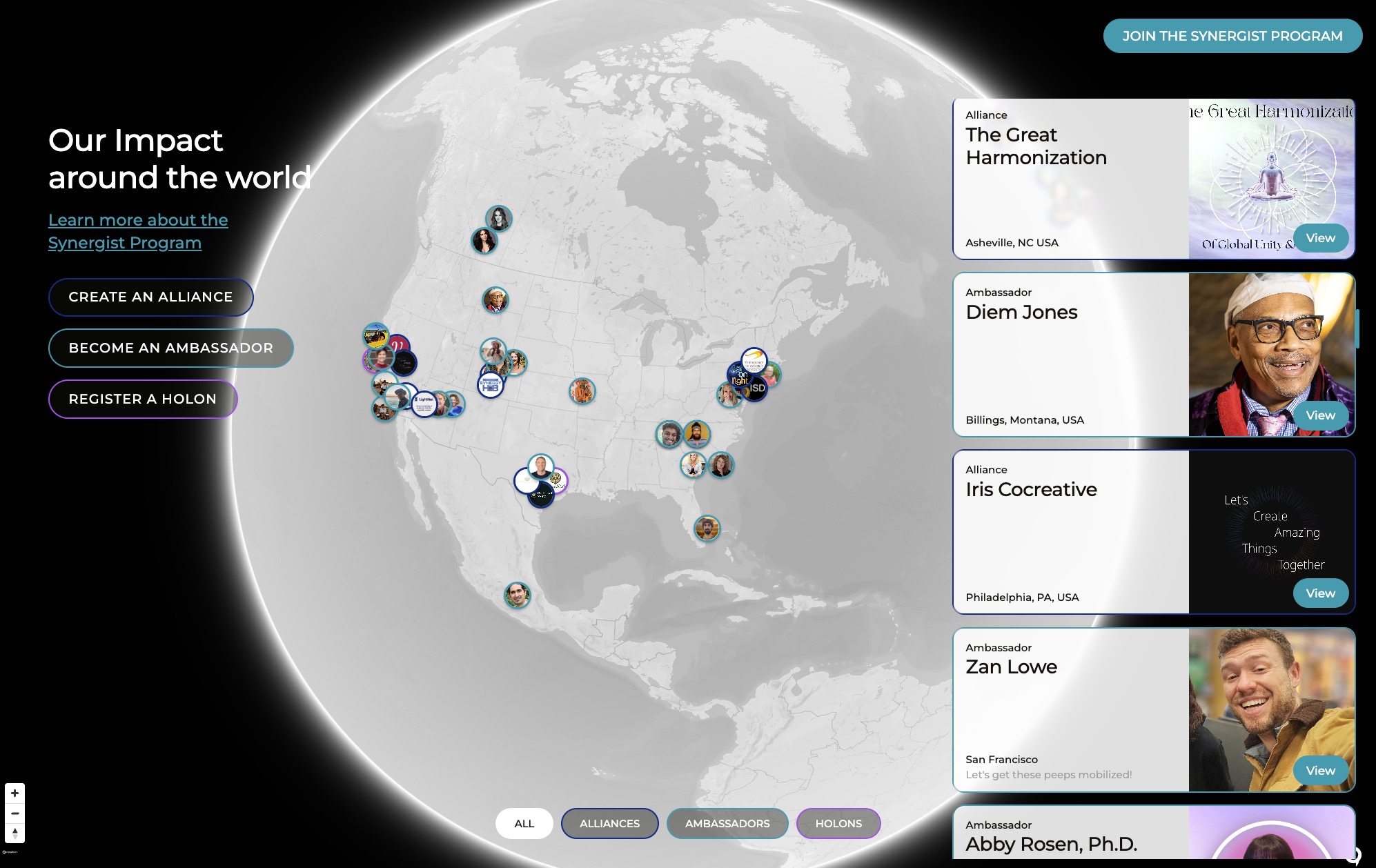
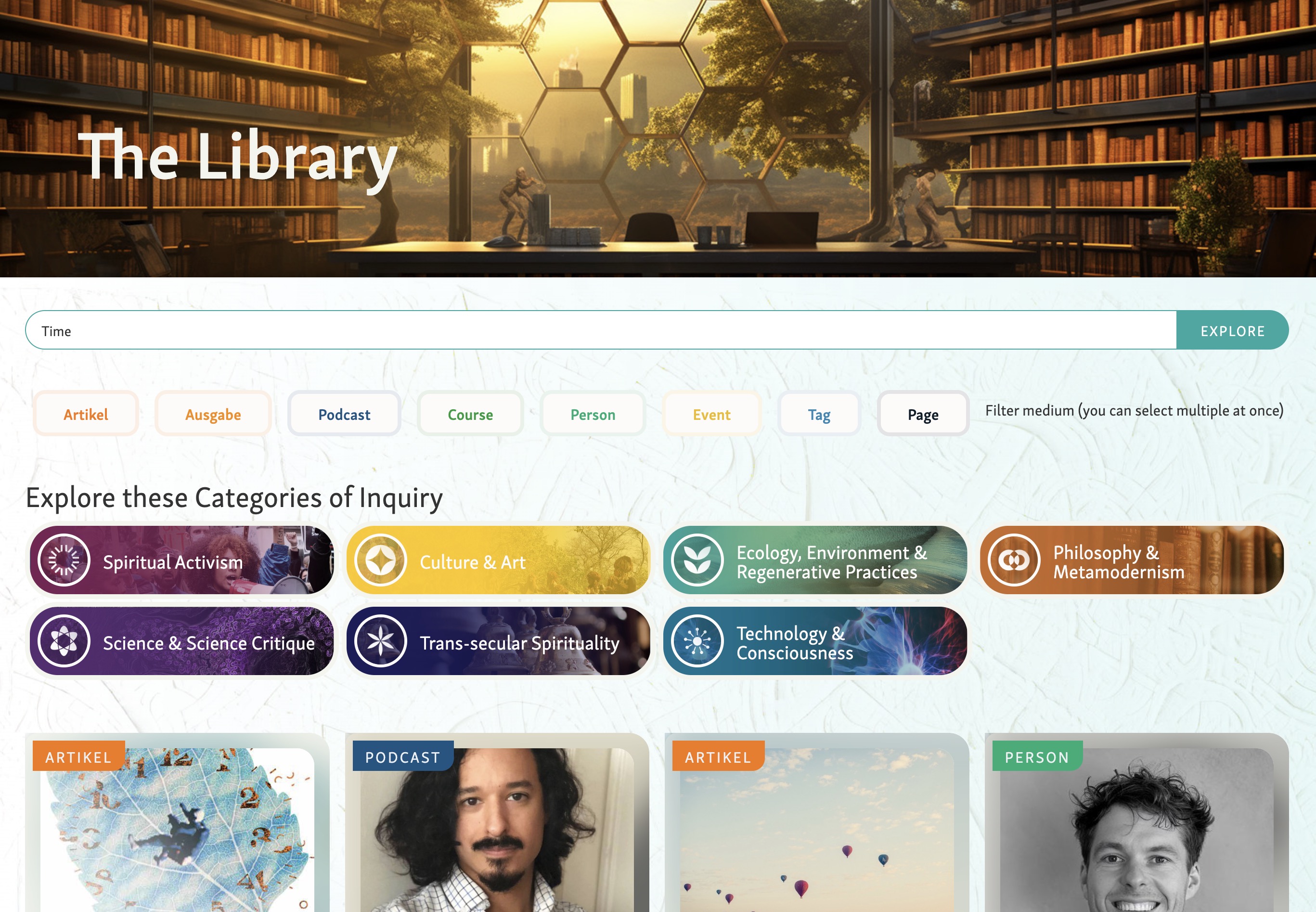
Development of interconnected, reusable platform modules that can be deployed across multiple client sites. Goal is creating an ecosystem where components built for one client (assessments, directories, matching algorithms, LMS) can be rapidly deployed for others with minimal rework (21:45). More ambitiously, envisions profiles and content that travel across client platforms - so a user on Hollow Movement could bring their profile into Pro Social environment or access a course running simultaneously across multiple sites. Uses Webflow as foundation with significant custom code. Hollow Movement app serves as first proof of concept, launching at The Wave event at 01:30. Platform includes: AI-assisted profile generation with auto-generated tags and categories, global directory and map systems, holon (group/organization) profiles with wall-sharing, member-to-member messaging, assessment systems with archetype graphs, intelligent matching with compatibility analysis, sliding-scale membership payments, and planned learning management system. Community naming process proposed at 04:14 to turn naming into collaborative activation moment during launch, letting early users contribute ideas and deepening community ownership. Platform currently at temporary domain, team jokingly calling it 'Jeff' or 'Goeff'. This represents Iris's strategic direction toward productized, scalable solutions while maintaining customization for each client's mission. NEW DEVELOPMENTS: Hollow Movement identified as ideal test case for continued support pricing model with tapering structure (40:36). Similar directory system being designed for Gaia Warriors with upgrades flowing between projects. Codebase organized with replication in mind. James considering dedicating more time to platform evolution with potential for fewer outside projects. App reaching stable beta state by end of week for launch (27:44, 57:44). TESTING & COMPLIANCE: Ashle conducting cross-device and mobile testing with focus on mobile responsiveness (01:39:47). Bug discovered: phantom auto-generated purpose text appearing in profiles when field left as 'test' - needs investigation (01:42:02). GDPR compliance gap identified: need Data Processing Agreement with Anthropic and 'delete my profile' self-service option on account page (01:33:32, 01:36:10). Purpose field UX friction noted - only ~7% of people have clear purpose, proposal to add purpose assessment alongside existing assessment. API credits need top-up to restore profile generation (01:35:04). JUNE 2026 UPDATE: Holos app now has hundreds of active users post-Wave launch with strong positive feedback from Monday team meeting. Core features stabilized including profiles, holons, messaging, and assessments. ClickUp task organization implemented across domains: bug tracking, messaging, privacy & analytics, design system migration, staging & deployment. Privacy infrastructure being strengthened with user-controlled map visibility settings at column-movement.net (20:11). AGENTIC VISION: Platform evolving toward intelligent matchmaking and agentic toolsets - users should be able to query network with questions like 'I'm exploring this domain, who should I talk to?' or 'What blind spots might our holon have?' (50:23). Requires privacy-preserving architecture using sub-agents and intelligent layers rather than exposing all user data to models. Long-term vision includes MCP server exposure so users' personal agents can query Holos database with privacy-aware modes. Design philosophy: build for future agent-to-agent collaboration on behalf of humans in addition to human users. Next major build area: online learning, courses, and resource library creation to give users reason to return regularly and round out platform. JULY 2026 UPDATE: Native iPhone app development progressing - Iván has real native iOS demo working, meaningful step beyond web app version (21:19). Opens real app-building capacity for IRIS Cocreative. Ashle's multi-device household (Mac, PC, Android, iPad) available as natural testing ground (35:55). User pattern noted: older male academics in their orbit often browse on iPads - worth remembering for responsive testing.
00:00:01
James Redenbaugh: This meeting is being recorded.
00:00:32
Ashle Bailey-Gilreath: Hey, James Bop. I am pro Social World Events right now. Let me change my name so that doesn't come up in your.
00:00:41
James Redenbaugh: Hi, Ashley.
00:00:43
Ashle Bailey-Gilreath: Hey, how are you doing?
00:00:46
James Redenbaugh: I'm doing pretty well. Getting over some dental stuff, but other than that, pretty good. How are you?
00:00:55
Ashle Bailey-Gilreath: I'm doing fine. I'm doing fine.
00:01:01
James Redenbaugh: First of all, I think I got the. The cookie consent error fixed finally.
00:01:10
Ashle Bailey-Gilreath: Oh, thanks. I mean, thanks for me. And then also, I know that was affecting all of your other clients, so. Yeah, that's a plain. That's a real pain. We had this one partner of ours, he's older, and I'm. I mean, like every three days he was like, I can't see the page. And I'm like. And he only used Apple products. And I was like. But I have. I mean, for some reason, for me on my. I have a Mac computer, it didn't. And then otherwise I use Google, so I couldn't see it. So I had some of our team members check it just to make sure it wasn't a, like, older person having a hard time with technology issue. And they confirmed that it also wouldn't go away. So. But yeah, Dennis there emailed me at least 10 times.
00:02:00
James Redenbaugh: Oh my God.
00:02:01
Ashle Bailey-Gilreath: It's okay. He's a friend of David and David's and they were put putting on a masterclass that's on right now. And he was convinced that that would deter people from registering for the master class, even though it was, it's free. So loads of great turnout wasn't an issue, but it was just. I was trying to get it picked so that he would stop emailing me.
00:02:26
James Redenbaugh: Great. Yeah, I wasn't able to recreate the issue either, but I put some redundancy in there, so it should work now no matter what.
00:02:38
Ashle Bailey-Gilreath: Okay, thanks. I think that was, I mean, like, for pro social stuff. I was just gonna check on that. And then I was also gonna check because I was trying to cut down. This is absolutely not the reason why. I scheduled the meeting with you, but. I was trying to cut down on our webflow cost and we've got like a QA site and it's sometimes helpful when Bereal does stuff for us for like our back end up, but because. Because we have it, we're paying like a fortune every month because it's technically hosting two sites. Do you think anything bad would happen. If I got rid of that? Just like cut down on cost?
00:03:23
James Redenbaugh: No.
00:03:24
Ashle Bailey-Gilreath: Does it disappear forever or is it just easy enough to upgrade and just basically clone the current site if we want to. If we need to have like a dev site.
00:03:37
James Redenbaugh: Yeah, you. You don't need to delete it. You can just cancel the plan, so.
00:03:45
Ashle Bailey-Gilreath: Well, it wouldn't let me just cancel it. It told me like, because we have multiple properties. So that's why I was like, does that mean I have to delete it? And that freaked me out. So. So I just didn't know if you had any experience with that.
00:04:01
James Redenbaugh: Yeah, no, it. I mean, it'll probably try to tell you to not.
00:04:08
Ashle Bailey-Gilreath: Yeah,.
00:04:12
James Redenbaugh: Not. It looks like this is on starter. Hold on one sec. I. It looks like you're only paying for one site right now.
00:04:33
Ashle Bailey-Gilreath: Okay, I'll take a look at it then. So I was trying to cut down on our cost, but I was just checking. And then I also had a really. Quick question for you. On mailchimp. I had you registered as a user because you helped create like our zapier connection with the forms on webflow. If I delete you as a user, will it. Were there like some API tokens or something? Like, is some stuff gonna break if I remove you?
00:05:08
James Redenbaugh: I don't think so.
00:05:09
Ashle Bailey-Gilreath: Okay. I just wanted to check.
00:05:11
James Redenbaugh: No. Am I a paid user?
00:05:16
Ashle Bailey-Gilreath: Yes. Yeah, we have four seats.
00:05:18
James Redenbaugh: Ah, yeah, we don't need that.
00:05:21
Ashle Bailey-Gilreath: Okay. Because I was gonna give it to Juliet, but. But then I was afraid like, oh no, what if there's. I just didn't want to create more work, so. Okay, cool. The real reason why I set up our meeting is to see. I had said if you need any help with project management or anything. I have a project I'm working on on side outside of Pro Social that will get. Be finished up in about two weeks and I didn't know if I can be of any service for you because this is. There's been multiple months now where I feel like you've been like really sorry, super swamps. So I didn't know if you need. I am. I can help with project management, but as far as actually doing the technical stuff, I'm no good there. But I didn't know if that was something that you'd be interested in or if you needed any help, even if it's short term.
00:06:20
James Redenbaugh: Yeah, I've been excited to talk to you about that. Let's explore the possibility. I'm happy to tell you more about where we're at, how we function, how we dysfunction and find out what more about your. Your skill sets, the kind of work you're looking for and. Yeah, what. What we might be able to do together.
00:06:44
Ashle Bailey-Gilreath: Okay. I Work great with dysfunction.
00:06:47
James Redenbaugh: Cool. Yeah. So obviously we're often swamped. I'm always the bottleneck and things. We work with some great people, but ultimately, you know, the responsibility for things usually falls on my shoulders and I'm the most limited resource in the company. And we lost Ivan a few weeks ago, and so.
00:07:28
Ashle Bailey-Gilreath: I'm sorry. He was great.
00:07:31
James Redenbaugh: He was great on our project, at least.
00:07:34
Ashle Bailey-Gilreath: I can't speak for him generally, but on our project, he was great.
00:07:40
James Redenbaugh: He was a big asset for a long time, and the. The quality and the consistency wasn't always there. And he was so affordable that I probably would have kept him around forever, but losing him has got me rethinking our approach anyway because the other folks that we work with are. Have a much greater attention to detail and a better sense of completion and, you know, more ability to really own a task. But we need to. We need to charge more in general and. And be better at maintaining our. Our profit margins and making sure we can afford these people. Because it's transitioning from working with folks like Ivan where I. I don't have to worry too much about budgets to working with people that are higher cost. We've got to switch things up, but we've been switching things up anyway. The kind of work that we're doing this year is a lot of larger projects, more app building. AI is enabling a lot of stuff that we can do. We're still doing some smaller, simple builds are. You know, our smallest project these days is around 5000 bucks. I wish it was larger, but a lot of people really, like, want that price point. And so I'm working on, like, how can we efficiently deliver the quality that people expect and take clients through a process to make those kind of projects happen while we also do bigger things, like we're doing for Hollow Movement right now, and like we've done for Pro Social. So we have these different, different kinds of projects happening at once. And right now I'm very involved in all of them. And right now I'm not really seeing that as an issue. I've come to accept that people come to IRIS because they hear about me, and I'm the best at really understanding our clients and their niche. You know, all our clients are in this very specific niche. And. Yeah, and I love guiding and facilitating clients through the journey. And the challenge when it comes to project management is like, how can. How can we get the most out of my time? And how can we delegate as much as possible to competent team members. It. While ensuring profitability? Okay, yeah. So that's kind of a lot of information. High level sketch what's going on.
00:11:40
Ashle Bailey-Gilreath: Do you also need help with actually like costing out like projecting out what these things would look like. So like basically if you, if we take different project sizes or scenarios and costing out like what we think the amount would, how many hours and the hourly rate for your staff and your time and then actually figuring out the costing there and knowing like what that margin is of, like if we're going to go over X amount of hours, like do you need help with that as well?
00:12:14
James Redenbaugh: Yeah, yeah, I, I think so. You know, after I think 15 years of doing this, I'm still not very good at that. I mean I'm good at it in theory.
00:12:29
Ashle Bailey-Gilreath: Well, it's really boring to have to actually track your hours and ask others to track their hours and then it feels like counterintuitive to like the culture and values that like Pro Social and what you like you embody because it feels like monitoring and it's not. So we did, I had to do that. I did this for Pro Social because I was trying to figure out like how much is this actually costing us? And not that it's all about money, but like is it, is the return something that's supporting us, enabling us to do all these other really great things, or is it actually like just sucking us dry? So having people give a breakdown of their hours on certain tasks and stuff. Just for like a quarter and then. Being able to like have actual tangible information to sit there and price it up and be like, did you all know that this project, we thought it. Cost this much, it's actually costing us this much. So that means that we need to charge this much and like just being transparent about all of that. So I mean, that's something I can help with. I guess I can. So my background has been it's management in general, but it's always been operations. So it's like, I think now a really trendy term for it is like. A generalist, which is a strange term,. But like financial management, people management, project management and then like internal policies, procedures. And anything related to like legality. So. So that could be anything from like contracts to agreements. But then I also am like the liaison for specific projects that we've done and I've worked in this type of role before Pro Social. So it's been about a little over. 15 Years now that I've done these sorts of things. So managing actual projects to completion, managing. Financials, projecting out financial costs, putting proposals. And stuff like that. Together. Figuring out how best to delegate is a big thing. So because like, your time is really. Valuable and trying to figure out that. And like just kind of putting together internal kind of procedures or guidelines for. Like, how can we make this all. Work where it feels intuitive and everybody. Feels like they can get their work. Done and that you aren't feeling super stressed. Like everything is on your shoulders and you're keeping people from being able to. Do this or that or whatever. So I get it. It's a good place to be in, mainly because it's like a. A growth place, even though it's really uncomfortable. So it's like, it's. It's a terrible place to be in because it feels terrible. But it's a great place because it. Means that you've got more people wanting your support. So. Yeah, I can give you specifics about things. Another thing I was gonna. I don't know if you need this kind of help or not. This has nothing to do with me at all. But we have worked and I think you maybe worked with them at the beginning, but be real is they do a lot of like backend technical stuff,. App building, back end coding, like. Like super, super technical stuff. But we still work with them and they're fantastic and they're very affordable. They're based in Argentina, so I don't know if you're ever needing that kind of expertise, but they're great. So that's a. I'm not sure if. Projects come up and you need that kind of support. I can connect you at Nico. Cool.
00:16:37
James Redenbaugh: Yeah, I'd love to see what they're. What they're doing these days. I've been training myself with AI and we've got an awesome backend dev now. And the kinds of things that we're able to do now are. I wouldn't have imagined we'd be doing them. Doing them now. It's pretty cool. Have you happened to have seen the Hollow Movement app that we're building?
00:17:10
Ashle Bailey-Gilreath: No, I didn't know there was an Apple. Fantastic. Is it going to launch for the wave?
00:17:15
James Redenbaugh: Yeah, y. Exactly. Can I show you real quick to give you a sense?
00:17:22
Ashle Bailey-Gilreath: Of course.
00:17:24
James Redenbaugh: So it. We're still just beta testing it right now, but you can sign in and create a profile. It takes you through a process where you answer questions about your purpose and. And then it generates this profile for you based on your answers, automatically summarizing some things, automatically finding tags and categories that align with your seeking and your offering, even automatically creating this banner image and things like that. Based on your responses. And then you become a part of the directory. You end up on this global map of people where people can find you amazing. And you can join and create Holons, which is another profile type. And you can. I just added this feature where you can share to the wall of the Holon. We built in messaging so you can message other users, admins can edit the holons and their profiles and things like that right on the site. And this is all built into webflow. It uses a ton of custom code, but fundamentally the back end is webflow. And so it's really cool that we figured out how to do this front end editing without needing a webflow login or anything like that. And we're building in these assessments. This is the, the first one. You answer these simple questions about how these statements resonate and then it will generate this, these results for you and plot your responses on this graph and tell you about these different archetypes. And, and we'll add more assessments over time and we'll use the assessments and the other data to do matching, which is the next part, hopefully I'll launch this week where it will show you who in the directory is most aligned with you or has the most complementary aspects. And you can generate a matching profile with any, anybody in the directory. So I could go to Jeff here and say like, you know, match us or, or see our compatibility isn't the right word because it's not like a dating thing, but like, let's see where my values align with Jeff's, you know, and what we have in common. And it will, it'll generate a whole analysis of that. So yeah, we're, we're able to do all these cool, crazy things. I can, We're, we're, we can charge membership, people can pay what they want. It's like a sliding scale thing, manage subscriptions. We'll build a learning management system into this and it's kind of like the sky's the limit. And we've been lucky that Hollow Movement has wanted all of these things because I've been wanting to figure out how to build these things anyway because, you know, basically all of our clients could use these kind of platforms.
00:21:44
Ashle Bailey-Gilreath: Yeah.
00:21:45
James Redenbaugh: But for the last year I've been thinking about these technologies and how we can build them. And not only how we can build them, you know, as a single app like this for Hollow Movement, but also how we can build them as a, an interconnected ecosystem. So at the same time we're building this, we have other clients that want Similar thing. And so we're building everything modularly. So over time, as we figure out these different pieces, like now that we figured out assessments, it's, you know, we can create assessments like this for another client. And as we, you know, are working on that assessment over there and learn something new, we could then easily come back to Hollow Movement and update things there and then. And the downstream effect of that, some of the exciting possibilities of building everything in the same ecosystem using a similar language is we can create pathways between the organizations and their platforms. So we could have a course running on Hola Movement that's at the same time running on Pro Social and the same time running somewhere else with the same backend but different front ends. So users can log in and be amongst people that are accessing that content from a different place and be exposed to these different worlds and even have profiles that travel across websites. So if I have a profile on Hollow Movement and let's say Pro Social has a custom social thing, I could click a button and say, you know, bring my profile over here and things like that. So it opens up all these. Yeah, all these possibilities and. Opportunities and solutions that are much bigger than the kinds of things that we've built for clients in the past. So we're just kind of, you know,.
00:24:17
Ashle Bailey-Gilreath: It aligns a lot with. There's a big movement for Pro Social. Tech just because of how like the. Way that like especially social platforms are now and the algorithms and just being in your own bubble and everything and like so anything that's perform, providing like positive social behaviors and you know, like collective, well being, all of this aligns with that. There's a really cool. I've just started a relationship with. Her name is Julia and she's behind something called the Pro Social tech collab. And they're, they're a little bit like the Hollow Movement in that like they're not incorporated. They're not. It's just. Interesting sort of Pro Social design principles. So that might be something that you're interested in, but given Hollow Movements mission and the people that are drawn to it and then the type of work that you do, it all just feels so like collective and Pro Social. And it's really cool to be able to have ways to connect with others and have these shared experiences and stuff. I think that's awesome and I think it's really cool that you made it modular so that it's easy enough for you to replicate for other clients and you don't have to build it from the ground up every time. Because it's kind of like a two for one, a little bit. Like you've already got it built, so hopefully in the future it won't take as much time.
00:25:54
James Redenbaugh: Yeah. Or a 10 for one.
00:25:57
Ashle Bailey-Gilreath: Yeah, there you go.
00:26:00
James Redenbaugh: Yeah, yeah, yeah, exactly. And, And Hollow Movement benefits from our building it that way because can automatically evolve over time. It's not a. A static thing. And yeah, they've been an awesome client and an awesome design partner in this, and I've put a lot of thought and. And time into. Into researching and prototyping these different technologies over the last 18 months. And now we're kind of just starting to. To figure out how to bring them to clients. Pro social. I mean, Hollow Movement is the first,.
00:27:12
Ashle Bailey-Gilreath: I'm sure if you're able to launch it at the wave. I mean, that's a whole bunch of prospective clients, so. A whole bunch. And I know, like the activation day, like the, the day after the actual conference, like Jeff and David will be there because one of the interest groups is around economics. But even there, like, as people kind of folate around these four different interest groups and they come up with these ideas and things, it just makes a lot of, like being able to have your. These ideas and platforms and offerings in the back of their mind of like, ways to like, visualize and be able to continue this sort of connection. What is really cool for whatever it is that they come up with.
00:28:07
James Redenbaugh: Yeah, yeah, great. And I'm gonna be. We just lost your video. Are you still there?
00:28:15
Ashle Bailey-Gilreath: Oh, sorry. Yeah, no problem.
00:28:22
James Redenbaugh: We're gonna be doing a lot with this on the activation day, and I'm going to be speaking about it and facilitating different. Different groups about it, getting. Getting input, getting people using it, playing with it, thinking together about its future. So, yeah, very exciting.
00:28:52
Ashle Bailey-Gilreath: That's great that you'll be there for that day because to me that feels like the. The best, like, space for people to be able to be thinking of, like, the ideas that they maybe come up with on that day, like finding ways to keep that connection going, even though. Most people are in different parts of the world. And that's just like, those tools are. Fantastic to be able to do that. I'm sure David is gonna have loads of ideas. He's gonna think, yeah, stuff is great and then we'll be back here. But no, I think that's wonderful. I might be at the wave. We are moving at the end of the month and so the timing is really not great. So if we can figure out how to manage that. But since I'm In Northern Ireland. It's not. It's super close for me, so Might. Be at the wave. So that. That would be cool to see your. Presentation, but if I'm not, it's because we're trying to move.
00:29:58
James Redenbaugh: Yeah.
00:29:59
Ashle Bailey-Gilreath: Always happens that way, but yeah. So what would you like for the next steps to be like? Do you want to send me. Do you want more formal information about me? Do you want to send me a list of some things that you feel like you need support with and I can jot down ideas or the way that I would go about doing those things to see if it would be a good fit? Do you. I mean, do you want to still. Do you want to meet again and. Talk about one specific thing that you. Feel like needs to be addressed and we can see? Because I just want to make sure that while I can. I can project, manage literally anything, the biggest thing is if we're able to work well together. I have a feeling that we definitely can, but I just want to make sure that what the way that I handle tackling issues is. Is going to. Is a good fit and feels like. A good fit for you.
00:31:08
James Redenbaugh: Yeah.
00:31:09
Ashle Bailey-Gilreath: Otherwise it just creates more problems for you. And I don't want to do that.
00:31:14
James Redenbaugh: I feel. I feel open to possibilities and I feel like we definitely need help. And I, to be honest, I don't. I don't know the clearest path forward. I feel like Iris is a bit of. A. Bit of a mess right now. It's got a lot going for it. We have a lot of happy clients.
00:31:49
Ashle Bailey-Gilreath: Is it. Do you mean a mess? Do you mean, like, internally? Like, your clients don't realize that what's going on under the hood?
00:31:59
James Redenbaugh: Basically, yeah, like. Okay, we're definitely in a transition. We've needed a project manager for a while, and I've. It's a role I've tried to fill several times, and I've always attracted the wrong person to it for one reason or another.
00:32:29
Ashle Bailey-Gilreath: And certain qualities that you don't like? Because I can let you know if. I have those qualities.
00:32:38
James Redenbaugh: Inexperience and I think naivety and it. It doesn't seem like you have either of those at all.
00:32:49
Ashle Bailey-Gilreath: Okay. Okay. I'm very forward. I mean, I'm very professional, especially speaking with clients, but I'm. I'm forward, but obviously I'm empathetic, but I am very forward with this questions and.
00:33:09
James Redenbaugh: Okay, that's great. I love that. I, you know, it's called Iris Co Creative and I. But the dream is for Iris to be as collaborative and co creative as possible. And I've always wanted it to really be not just me. And I love that the team members we're working with right now, but it's still very much me at the Hub and it's at a kind of inflection point where it could go a number of different ways. One way is just to kind of radically simplify things and even just consciously operate more as a freelancer, you know, with one or two subcontractors I. I work with. Another possibility is to. Is to scale and even potentially seeking funding for this app ecosystem because there's a lot of potential in that. Another.
00:34:25
Ashle Bailey-Gilreath: I didn't realize that I let my dog out, but the gate is open.
00:34:30
James Redenbaugh: Oh, no. Yeah, no problem.
00:34:33
Ashle Bailey-Gilreath: But I'm. I can still hear you.
00:34:37
James Redenbaugh: For context too. I got married in September. My wife and I are.
00:34:40
Ashle Bailey-Gilreath: Congratulations.
00:34:42
James Redenbaugh: Thank you. We're planning on starting to have children soon.
00:34:49
Ashle Bailey-Gilreath: She's. Yeah,.
00:34:55
James Redenbaugh: She's been working for a tech company in. In New York remotely. Um, but she wants to go back to school to become an art therapist.
00:35:05
Ashle Bailey-Gilreath: Yeah, that's great. That's my. Well, not therapy, but collaborative. Collaborative arts. Participatory arts is my background.
00:35:16
James Redenbaugh: Oh, cool.
00:35:17
Ashle Bailey-Gilreath: That's really cool. Yeah.
00:35:19
James Redenbaugh: Yeah. I'm really excited for her. She's.
00:35:21
Ashle Bailey-Gilreath: That's wonderful.
00:35:23
James Redenbaugh: She's been wanting to transition into something like that for a while and has kind of discovered that path recently and it's like excited about it and found a program she loves. But all that to say, you know, I'm realizing I need to create a lot more profit and revenue.
00:35:43
Ashle Bailey-Gilreath: Well, and space because you have life things that you're going to need to. Pivot to and you need to be. Able to like, trust that stuff can get done without you sometimes. Like. Yeah, if she goes into labor or you know, or those first weeks and months of absolute initiation ritual that is newborns. So. Yeah, I mean, I can. I mean, I can help if you want. We can start, you know, we can figure out what is best as far as like go direction, you want to take it. I can help with putting together like, I mean, I have to have some conversations with you about it, but I can put together projections of like what each one of those paths might look like, like with numbers and like operationally. Because I've had to do that with other. I've always worked with nonprofits and with just the way nonprofit funding is, you've just got to be able to pivot. And sometimes you've got low wainson periods. And sometimes major Project funding ends for. Whatever reason, either because the grant period's up or because there's, you know, major unrest in the United States and all the funders are positioning to social justice or something, then that's not what your organization does. So,.
00:37:28
James Redenbaugh: So we're basically a nonprofit because we don't really profit well and we work almost exclusively with nonprofits. And, and up until now, you know, I've really prioritized our clients and growing our clients and expanding our capacity and growing the network. And I, you know, for a while I consciously didn't, I charged enough to get by. But now that we've really established ourselves, we have an awesome portfolio. We have great processes, we have great assets, we can start charging a lot more and we can work a lot more efficiently to ensure our profit margins. And so there's a lot of potential right now to, to make some gains. And ultimately it's not, you know, I never want it to be a profit driven business. It's about supporting these projects that we believe in.
00:38:37
Ashle Bailey-Gilreath: Well, it's just about sustainability. I mean, yeah, I mean and.
00:38:43
James Redenbaugh: You.
00:38:43
Ashle Bailey-Gilreath: Just want to be able to continue doing what you're doing and offering these great services and in order to do that every and, and to take care. Of your team and people need to. Be able to pay their bills and you need to be able to do that and you need to be able to scale if you need to or have that flexibility. And unless you don't, you don't have that sort of solid foundation, it just makes everything really stressful and you're not. Going to be sustainable. And that's not good for anybody. It's not good for your clients or. For you personally or your team. So it's not, I mean it's not. About, I mean that. But so it isn't about money, but. It is about money. And so the best term I use. Am able to come up with would be sustainability. To be able to keep doing what. You're doing and offer these really cool tools to other like minded organizations.
00:39:38
James Redenbaugh: Yeah, and even open source stuff, you know, it would be great if we had a super abundance and could put more time into things that we just put out freely into the world for anyone to use.
00:39:50
Ashle Bailey-Gilreath: I mean if you did do that, you know, you could actually pivot to being registered as a 501C3 because there is public good like your offer bring public goods so you're still able to offer services that generate revenue. So for pro social world, like we offer custom services like custom training and stuff but then we have the courses as well. It is. It is not. It's not. There's the biggest thing that's a pain is if you ever want to publish. Books, which you probably don't. But. But you could technically pivot and actually be registered as a 501C3 if you were able to have that sort of public good offering. So. So you do have clients that come in, but that helps support your operating cost. And then you do also provide public. Good and that's these open source things. Or maybe you do free tutorials on stuff or whatever. You know, you could actually register in that way at that point.
00:40:50
James Redenbaugh: Interesting. Yeah. We could even raise funds.
00:40:58
Ashle Bailey-Gilreath: Yeah. And then you can receive, you can receive tax deductible donations for supporting those. Things.
00:41:10
James Redenbaugh: Yeah.
00:41:11
Ashle Bailey-Gilreath: And apply for grants. And there's a lot of grants focused. On technology now, a lot on technological like infrastructure and stuff.
00:41:23
James Redenbaugh: Interesting. Yeah, interesting.
00:41:25
Ashle Bailey-Gilreath: Yeah. So cool. Yeah, that's great. But yeah. So I don't know how you want to go about next steps. I'm. I would be excited to help.
00:41:41
James Redenbaugh: Awesome.
00:41:41
Ashle Bailey-Gilreath: But I also want to make sure that my help is it goes to where it needs to. To go so that you can actually see change.
00:41:50
James Redenbaugh: Yeah.
00:41:51
Ashle Bailey-Gilreath: I'm not sure how you want to handle next steps.
00:41:57
James Redenbaugh: Yeah. Let's continue the conversation. I'd love to have another chat next week. And in the meantime I can share more about our existing systems and projects and I can share more about these. Potential pathways.
00:42:27
Ashle Bailey-Gilreath: Okay.
00:42:28
James Redenbaugh: And I can share an. Initial draft of, Of the kinds of responsibilities I could see you playing in the ecosystem.
00:42:47
Ashle Bailey-Gilreath: Okay.
00:42:49
James Redenbaugh: Just as a means of continuing the conversation and I'll show you also list.
00:42:55
Ashle Bailey-Gilreath: Like specific technologies or platforms that you use. I may not have extensive experience in all of them, but I will probably be familiar with them and have used them on the client side. Like Jira.
00:43:12
James Redenbaugh: Yeah.
00:43:13
Ashle Bailey-Gilreath: And stuff like that. I use that with Vreal, but I don't know what it is that you all use.
00:43:20
James Redenbaugh: So. Yeah, we used ClickUp for a long time and. And then I decided to build our own thing.
00:43:29
Ashle Bailey-Gilreath: Okay.
00:43:30
James Redenbaugh: And I got most of the way into that and then realized that I wanted to do a deeper build of that system. And so we kind of have feel.
00:43:44
Ashle Bailey-Gilreath: Like this is a recurring pattern. James.
00:43:47
James Redenbaugh: Yeah, we have a half built project management system that has some awesome. Parts to it like these, these artifacts that get auto generated after meetings with these, you know, summaries and okay. Task lists and things like that and these custom views and like Munia, one of my designers can go in here and click her name and see all the projects that she's involved in and click into them and get the assets that she needs for that. And it's all synced with airtable as well. So we can manage it in. In Air table also, but. Doesn't do everything we want it to do yet. You know, there's these tasks here, but there's not a solid global view of them. And there's these okay timelines and Gantt charts but. But we're not fully using them and it's not tracking time yet for projects and you know, it's probably more complicated than it needs to be. Also I think there's a simple solution that's possible. But.
00:45:21
Ashle Bailey-Gilreath: Would this be something that you might need help with? Yeah, I would think.
00:45:28
James Redenbaugh: Yeah, definitely.
00:45:29
Ashle Bailey-Gilreath: Management 101 would be to have a. Nice platform where everybody can keep track of their baskin. Okay.
00:45:41
James Redenbaugh: Yes. Yeah. And either like committing to build out the functionality that we need in this or committing to just use ClickUp or something like that.
00:45:53
Ashle Bailey-Gilreath: Okay.
00:45:54
James Redenbaugh: For now I think we definitely, Definitely need that. Because there's. But I'm getting into the weeds here. I can tell you more about the things that we've. That we're considering like this working sessions interface where people can track their time that they're working on different projects super easily and it automatically gets connected to the project and things like that. But they're kind of in, in different pieces right now and they get deprioritized behind actual client work, which causes problems downstream.
00:46:54
Ashle Bailey-Gilreath: Okay, we can figure this out.
00:46:57
James Redenbaugh: Cool. Awesome. Well, I feel relief just talking to you about this and I'm. I'm really stoked that you understand these things and obviously have a breadth and depth of knowledge in these domains, but also deeply understand the kinds of clients that we work with. Because you are one.
00:47:19
Ashle Bailey-Gilreath: Yes. We work really closely with follow up movement. And then I think like Jan's. I think maybe he reached out for a website.
00:47:30
James Redenbaugh: Yeah. Yeah, I just saw an email from him. He. He confirmed we're moving forward with him.
00:47:36
Ashle Bailey-Gilreath: Awesome. Well, congratulations on that. He's great. So cool. But yeah, we're. I'm part of the. I'm part of that world. Um, but more importantly, I, I totally understand working with wonderfully compassionate people who want to do all of the things,. But we never fully like solidify in some kind of internal guidelines and framework. To work on and it makes everybody. Feel like they've got more to do than they need to. So I think we can solve. We can solve.
00:48:08
James Redenbaugh: Awesome. Wonderful. Okay, well, thank you so much.
00:48:12
Ashle Bailey-Gilreath: Thank you. So I'll just hop on your calendar app thing and find another time next week. Would that be okay?
00:48:20
James Redenbaugh: Yeah, go for it.
00:48:21
Ashle Bailey-Gilreath: Okay. And I'll make it for like Wednesday or Thursday of next week to give you some time to put together whatever you need. Do you want anything from me in the meantime?
00:48:35
James Redenbaugh: I think whatever you feel called to. To do, if you want to, you know, sketch out or draft your sense of how things could look or your. Your needs in this role or. Yeah, things like that.
00:48:59
Ashle Bailey-Gilreath: Okay. It might help if I see what you put together before I put that response for you so that we can find something that works for both of us. I mean, one thing would be that I. I am. I'm obviously not available full time, so that's the main, main need. But otherwise, I think maybe seeing what it is that you send me, that will probably spark some ideas for initial. Thoughts on maybe ways that we could go about exploring solutions to things. If that feels okay to you.
00:49:32
James Redenbaugh: Yeah. Yeah, sounds good. And everybody we work with, Yvonne was our only full time person.
00:49:45
Ashle Bailey-Gilreath: Okay.
00:49:46
James Redenbaugh: I really like working with people who, like, our contractors also have their own clients and we have this symbiotic relationship where, you know, I'm not solely responsible for all of their work and they learn things working with us that they bring to their clients and, you know, and they're always learning and improving their skills running their own things and they get to bring that back into Aira. So. Cool.
00:50:17
Ashle Bailey-Gilreath: Yeah, I like that. That's really nice.
00:50:20
James Redenbaugh: Yeah.
00:50:22
Ashle Bailey-Gilreath: Okay, great. Well, I'll. We'll get something for later next week and then I look forward to seeing what you send. And if there's some space in between when you send stuff and our meeting,. I'll maybe sketch up some stuff for you.
00:50:38
James Redenbaugh: Sounds good.
00:50:39
Ashle Bailey-Gilreath: Okay, great. Cool. Thanks so much, James.
00:50:42
James Redenbaugh: Thank you, Ashley. I'll talk to you later.
00:50:44
Ashle Bailey-Gilreath: Okay, ciao.







.svg%20(1).png)


.png)