

Peter shared that all website content is now complete except for the hero statement (03:20). The current placeholder reads something like "let's walk together" paired with "uncommon partnership for something something" — and while the uncommon partnership language is landing strongly, the opening line still isn't quite right. He's been sitting with it all week and trusts it will come.
The writing process itself proved valuable beyond the deliverable. Peter used Claude [tag="claude"] extensively, uploading his five most recent proposals to synthesize how he's currently representing himself in high-stakes conversations (05:43). The work has already paid dividends — he referenced a recent pitch meeting where the clarity of his model helped him articulate his offering to potential clients and their funders.
On repetition across pages, Claude offered a useful reframe: visitors enter at different pages, so some thematic repetition reinforces rather than detracts. Peter accepted this and moved on.
The team revisited the website's core purpose: social proofing, not lead generation (08:59). Peter's business comes through word of mouth, and the website's role is to validate him before and between the conversations that actually convert. He described a recent three-call sequence with a prospective client where the website, once live, would have been surfaced to donors before his call with them.
This reframes the hero's job. It isn't to sell — it's to create a moment of recognition where the right reader thinks, "I see myself in this. I see my need in this."
Peter's stuck on the verb. "Let's walk together" feels too soft. What he actually wants to transmit is "I'm with you" — the assurance that he won't abandon the client mid-journey. But as James noted, saying "I'm with you" directly in the hero implies you're with everyone, which dilutes the intimacy a prospective client should feel arriving at the site (17:14).
Claude generated four directional options to explore:
The third and fourth resonated most. The subhead "uncommon partnership for leaders doing big things" is close, though "big things" still feels generic. Peter committed to delivering a hero direction by end of next day.
James shared a Claude-generated prototype mockup for initial reaction (31:07). Strengths included spacious white space, clean fonts (generated without specific direction), the circle motif coming in nicely, and a beautiful green footer. The "Trusted by" logo placement felt right.
The critique: it reads as AI-generated and stark. It needs life and attitude. Peter named what was missing — aliveness — while affirming that the qualities he wants the site to embody are unhurried, present, and spacious (38:01). The site sits between a sales funnel and an artistic home for a thinker; neither extreme is right.
James introduced the framework he's been developing with Claude, drawing from Christopher Alexander's pattern language and "quality without a name" — alive, whole, eternal, free, exact, egoless, comfortable (34:10). He's synthesizing Alexander with McLuhan, Buckminster Fuller, Frank Lloyd Wright, Keith Critchlow, and contemporary UI thinkers into a digital pattern language with qualities like alive, present, dignified, spacious, honest, gift, and unhurried.
A particularly useful piece: Alexander's anti-patterns, which translate clearly to digital design — infinite scroll, fake urgency, confirm shaming, attention abstraction. Peter recognized the parallel in his own writing process: Claude initially produced "we're not just X, we're Y" framings that he stripped out, refusing to use guilt or comparison as coercion. He doesn't need to argue why his work is better — readers will recognize fit or they won't.
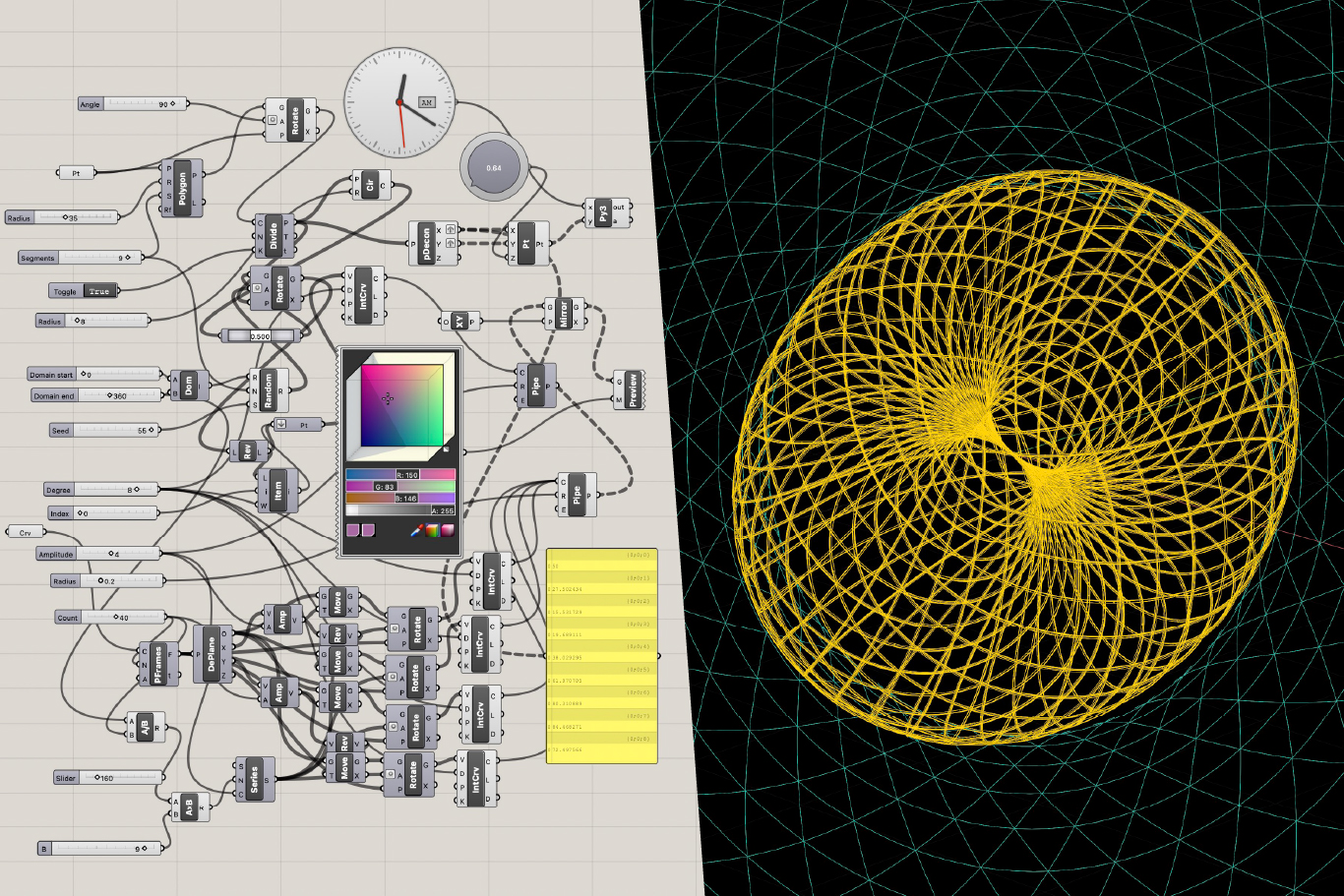
[technology="Parametric Geometric Interfaces"]
Peter has corporate-style headshots but feels they fall flat in his proposals (21:21). Two ideas surfaced:
James strongly endorsed the collage direction, noting that we are not our bodies and faces anyway. Including meaningful objects, art, or artifacts alongside portraits creates pathways into Peter for the partners getting to know him (25:01).
James also mentioned a potential project manager hire who holds a PhD in collaborative photography from Northern Ireland — a facilitative process where the subject participates in the image-making. Possibly relevant for future work.
Peter's stance: stock photos of nature and abstract scenes are fine; stock photos of "perfectly diverse boardrooms" are not (28:09). James offered access to his iStock subscription with credits expiring this month, encouraging Peter to start a board of images and especially video clips that resonate, without worrying yet about placement.
James invited Peter to think about interactions, components, or particular spaces that could offer a prospective client a pathway in — a moment of reflection, an experience of receiving value before any commitment, or an opportunity to share something themselves (42:37). Anything is possible at the prototype stage.
For the hero specifically, James floated the idea of a horizon-oriented image where the underline beneath "uncommon partnership" matches the horizon line, grounding the spaciousness without making it feel empty.
Weekly check-ins to maintain rhythm toward a May launch. Once the prototype direction feels right, the build moves into Webflow [tag="webflow"], gets pushed to a domain, and goes live.
Peter Wrinch
James Redenbaugh
Peter shared that all website content is now complete except for the hero statement (03:20). The current placeholder reads something like "let's walk together" paired with "uncommon partnership for something something" — and while the uncommon partnership language is landing strongly, the opening line still isn't quite right. He's been sitting with it all week and trusts it will come.
The writing process itself proved valuable beyond the deliverable. Peter used Claude [tag="claude"] extensively, uploading his five most recent proposals to synthesize how he's currently representing himself in high-stakes conversations (05:43). The work has already paid dividends — he referenced a recent pitch meeting where the clarity of his model helped him articulate his offering to potential clients and their funders.
On repetition across pages, Claude offered a useful reframe: visitors enter at different pages, so some thematic repetition reinforces rather than detracts. Peter accepted this and moved on.
The team revisited the website's core purpose: social proofing, not lead generation (08:59). Peter's business comes through word of mouth, and the website's role is to validate him before and between the conversations that actually convert. He described a recent three-call sequence with a prospective client where the website, once live, would have been surfaced to donors before his call with them.
This reframes the hero's job. It isn't to sell — it's to create a moment of recognition where the right reader thinks, "I see myself in this. I see my need in this."
Peter's stuck on the verb. "Let's walk together" feels too soft. What he actually wants to transmit is "I'm with you" — the assurance that he won't abandon the client mid-journey. But as James noted, saying "I'm with you" directly in the hero implies you're with everyone, which dilutes the intimacy a prospective client should feel arriving at the site (17:14).
Claude generated four directional options to explore:
The third and fourth resonated most. The subhead "uncommon partnership for leaders doing big things" is close, though "big things" still feels generic. Peter committed to delivering a hero direction by end of next day.
James shared a Claude-generated prototype mockup for initial reaction (31:07). Strengths included spacious white space, clean fonts (generated without specific direction), the circle motif coming in nicely, and a beautiful green footer. The "Trusted by" logo placement felt right.
The critique: it reads as AI-generated and stark. It needs life and attitude. Peter named what was missing — aliveness — while affirming that the qualities he wants the site to embody are unhurried, present, and spacious (38:01). The site sits between a sales funnel and an artistic home for a thinker; neither extreme is right.
James introduced the framework he's been developing with Claude, drawing from Christopher Alexander's pattern language and "quality without a name" — alive, whole, eternal, free, exact, egoless, comfortable (34:10). He's synthesizing Alexander with McLuhan, Buckminster Fuller, Frank Lloyd Wright, Keith Critchlow, and contemporary UI thinkers into a digital pattern language with qualities like alive, present, dignified, spacious, honest, gift, and unhurried.
A particularly useful piece: Alexander's anti-patterns, which translate clearly to digital design — infinite scroll, fake urgency, confirm shaming, attention abstraction. Peter recognized the parallel in his own writing process: Claude initially produced "we're not just X, we're Y" framings that he stripped out, refusing to use guilt or comparison as coercion. He doesn't need to argue why his work is better — readers will recognize fit or they won't.
[technology="Parametric Geometric Interfaces"]
Peter has corporate-style headshots but feels they fall flat in his proposals (21:21). Two ideas surfaced:
James strongly endorsed the collage direction, noting that we are not our bodies and faces anyway. Including meaningful objects, art, or artifacts alongside portraits creates pathways into Peter for the partners getting to know him (25:01).
James also mentioned a potential project manager hire who holds a PhD in collaborative photography from Northern Ireland — a facilitative process where the subject participates in the image-making. Possibly relevant for future work.
Peter's stance: stock photos of nature and abstract scenes are fine; stock photos of "perfectly diverse boardrooms" are not (28:09). James offered access to his iStock subscription with credits expiring this month, encouraging Peter to start a board of images and especially video clips that resonate, without worrying yet about placement.
James invited Peter to think about interactions, components, or particular spaces that could offer a prospective client a pathway in — a moment of reflection, an experience of receiving value before any commitment, or an opportunity to share something themselves (42:37). Anything is possible at the prototype stage.
For the hero specifically, James floated the idea of a horizon-oriented image where the underline beneath "uncommon partnership" matches the horizon line, grounding the spaciousness without making it feel empty.
Weekly check-ins to maintain rhythm toward a May launch. Once the prototype direction feels right, the build moves into Webflow [tag="webflow"], gets pushed to a domain, and goes live.
Peter Wrinch
James Redenbaugh
Finalize hero statement copy and deliver by end of next day
May 3, 2026
All website content is complete except the hero statement (03:20). Current placeholder 'let's walk together' paired with 'uncommon partnership for something something' isn't quite right. 'Uncommon partnership' language is landing strongly but the opening line needs work. Claude generated four directional options: 'A better world becomes possible', 'Some work doesn't have a map', 'The work that matters most', 'With you, together' — third and fourth resonated most. Subhead 'uncommon partnership for leaders doing big things' is close but 'big things' still feels generic. Peter committed to delivering a hero direction by end of next day (20:37).
Capture photos of personally meaningful artifacts and drop into shared Google Drive
James endorsed a collage approach mixing professional shots with weirder, more textured images, possibly including artifacts that are part of Peter's daily process. Including meaningful objects, art, or artifacts alongside portraits creates pathways into Peter for partners getting to know him (25:01). Peter to photograph personally meaningful artifacts and share in Google Drive for potential use in site imagery (25:23).
Coordinate candid and collage photo session with Pamela during May 11–14 near Los Angeles
May 14, 2026
Peter has corporate-style headshots that fall flat in proposals (21:21). Candid action shots of Peter and Pamela together during their May 11–14 time near Los Angeles surfaced as an approach to create more alive, authentic imagery for the site. James strongly endorsed the collage direction (25:01).
Review iStock and build a board of resonant images and video clips
Peter's stance: stock photos of nature and abstract scenes are fine; stock photos of 'perfectly diverse boardrooms' are not (28:09). James offered access to his iStock subscription with credits expiring this month, encouraging Peter to start a board of images and especially video clips that resonate, without worrying yet about placement (29:47).
Reflect on special moments or interactions the site could offer prospective clients and share with James
James invited Peter to think about interactions, components, or particular spaces that could offer a prospective client a pathway in — a moment of reflection, an experience of receiving value before any commitment, or an opportunity to share something themselves (42:37). Anything is possible at the prototype stage. Peter to sit with the shared prototype and reflect on what special moments or interactions the site could offer (41:37).
Send calendar invite for next week's weekly check-in meeting
May 3, 2026
Peter to send the calendar invite for next week's meeting to maintain weekly rhythm toward May launch (45:10). Weekly check-ins are the agreed cadence to maintain momentum toward site launch.
Share current Claude-generated prototype with Peter for review
James shared a Claude-generated prototype mockup during the meeting for initial reaction (31:07). Strengths included spacious white space, clean fonts, the circle motif, and a beautiful green footer. Critique was that it reads as AI-generated and stark — needs life and attitude. James to formally share the prototype with Peter for continued reflection (41:25).
Build deeper second prototype iteration incorporating discussion feedback and digital pattern language research
The Claude-generated prototype reviewed during the meeting was a first pass — reads as AI-generated and lacks aliveness (38:01). Peter identified qualities the site should embody: unhurried, present, spacious. James to build a deeper second iteration incorporating today's discussion, the digital pattern language framework (alive, present, dignified, spacious, honest, gift, unhurried), and Alexander's anti-patterns. For the hero, James floated a horizon-oriented image where the underline beneath 'uncommon partnership' matches the horizon line (41:39).
Share digital pattern language framework and scale ladder context with Peter
James introduced the framework he's developing with Claude, drawing from Christopher Alexander's pattern language and 'quality without a name' — alive, whole, eternal, free, exact, egoless, comfortable (34:10). Synthesizing Alexander with McLuhan, Buckminster Fuller, Frank Lloyd Wright, Keith Critchlow, and contemporary UI thinkers into a digital pattern language with qualities like alive, present, dignified, spacious, honest, gift, and unhurried. Also includes Alexander's anti-patterns (infinite scroll, fake urgency, confirm shaming, attention abstraction). James to share this framework and scale ladder context with Peter (42:54).
Move site into Webflow build once prototype direction is confirmed
Once the prototype direction feels right following the second deeper iteration, the build moves into Webflow, gets pushed to a domain, and goes live toward the May launch target (44:00). This is contingent on prototype approval.
Phase 2 website development for Peter's Ubiquity Community accompaniment practice. Core concept centers on 'accompaniment' - a relationship-centered approach distinct from traditional consulting, built on care and generosity rather than transactional boundaries. Visual direction has evolved to center on the circle as core metaphor - representing full-service partnership, mystery, beauty, and relationship at center. Circle should function as background element, sometimes in fullness, sometimes as partial brushstroke (20:33-25:31). Content focus shifting from defining Peter's role to highlighting: the client, the spaces they serve, the times we're in, and the transformation Peter catalyzes. Peter is positioned as bridge between worlds - bringing experience across many retreat centers plus fluency in platforms/languages outside them, working specifically with leaders wanting to change levels or change worlds (37:38-43:58). Design direction: not fully austere, color remains important building on previous palette (earth tones: slate black, blue accents, dark forest green, moss green, brown, off-white), clean typography, dynamic textural imagery showing movement and interconnectedness. User experience intention: help leaders come up above it all, see terrain, find space to unpack their world (53:22). Timeline updated: V1 launch target end of May, weekly cadence meetings to refine content and let design emerge from it. Content Status Update (05/02/26): All website content complete except hero statement (03:20). Current placeholder 'uncommon partnership for leaders doing big things' is close but 'big things' still feels generic. Peter using Claude extensively to synthesize recent proposals for clarity (05:43). Site purpose clarified as social proofing for word-of-mouth business, not lead generation (08:59). Hero's job is recognition moment where right reader sees themselves and their need. Imagery strategy defined: collage approach for Peter/Pamela photos mixing professional with textured/artifact shots (25:01), candid action shots during May 11-14 LA visit (21:21), selective stock imagery acceptable for nature/abstract but not corporate scenes (28:09). Special moments/interactions being considered for prospective client pathways (42:37).
Visual design phase implementing the circle as central background metaphor for UC website. Circle should appear sometimes in fullness, sometimes as partial brushstroke - mysterious, not fully resolved (21:47-25:31). Design will build on existing color palette (earth tones) while exploring homepage hero treatments that give leaders sense of rising above their terrain (53:22). Focus on letting design emerge from refined content rather than leading with visual direction. Will integrate dynamic textural imagery showing movement and interconnectedness without chaos. Design Direction Update (05/02/26): James shared Claude-generated prototype mockup (31:07). Strengths: spacious white space, clean fonts, circle motif, beautiful green footer, good 'Trusted by' logo placement. Critique: reads as AI-generated and stark, needs aliveness and attitude (38:01). Qualities to embody: unhurried, present, spacious - sitting between sales funnel and artistic thinker space. James developing digital pattern language framework drawing from Christopher Alexander's 'quality without a name' (alive, whole, eternal, free, exact, egoless, comfortable) synthesized with McLuhan, Fuller, Wright, Critchlow (34:10). Digital qualities include: alive, present, dignified, spacious, honest, gift, unhurried. Hero treatment exploring horizon-oriented imagery where underline beneath 'uncommon partnership' matches horizon line to ground spaciousness (42:37). Collage approach for imagery mixing professional portraits with textured artifacts creating pathways into Peter (25:01). Moving toward deeper second iteration incorporating pattern language research before Webflow build.
Webflow development and implementation for V1 launch of UC website. Build will be relatively straightforward as existing simple site architecture from earlier work with Ellen can largely stand. Focus on implementing circle as background element with technical execution of visual treatments. Target: live site by end of May. Technical Scope Update (05/02/26): Will implement approved design direction including circle motif as background element (fullness and partial brushstroke variations), horizon-oriented hero treatment with underline matching horizon line, collage-style imagery integration, dynamic textural imagery showing movement/interconnectedness. Build begins once Phase 3 prototype direction confirmed (44:00). Site to be pushed to domain and launched live upon completion. Weekly check-ins maintaining rhythm toward May 31 launch target.
00:00:04
Peter Wrinch: This meeting is being recorded.
00:02:39
James Redenbaugh: Hi, Peter. Hey, James.
00:02:41
Peter Wrinch: How's it going?
00:02:42
James Redenbaugh: I'm good. How are you?
00:02:44
Peter Wrinch: Pretty good. Pretty good. Pretty good.
00:02:52
James Redenbaugh: Oh, I think you're the host. I was going to hide Fireflies.
00:02:56
Peter Wrinch: Okay, I'll hide it.
00:03:00
James Redenbaugh: I just stopped the video. Oh, wait, the opposite. Forgive me for eating a Cliff bar.
00:03:14
Peter Wrinch: No, no problem.
00:03:17
James Redenbaugh: I forgot to eat today.
00:03:20
Peter Wrinch: I know. I. Yeah, so I'm. I finished all the content. So that document, that. That shared document is all fully updated except for the. The hero statement that I think they call it. It's like that. The first line, I think right now it says like, something like, let's walk together and then uncommon partnership for something something. So I love the uncommon partnership for something something, but the let's walk together, it's just, like, not right. And I. So all that to say is I just. I. That's like my only task left to finish and I will get there. I just can't quite get it yet. I'm like, I've been thinking about it all sort of week at the back of my head, but other than that, man, all the content is as it needs to be. Um, and it's, you know, I. I kept tell telling myself, like, it's not perfect. Like, it doesn't have to be perfect, but it's like, it's strong enough.
00:04:31
James Redenbaugh: Great. Awesome.
00:04:33
Peter Wrinch: Yeah.
00:04:35
James Redenbaugh: Glad to hear. And how. How did it feel to create it?
00:04:42
Peter Wrinch: You know, it's. It's. I love it, actually. Like, it is a great process because it was. Like, it affects. Like, I had a couple. Well, no, I only had one. I had one sort of. I don't even know what this. Like, it's not quite a pitch meeting, but they haven't quite signed a deal with me yet. And I was literally referencing, like, I'm like, you know what? Like, because they're all, you know, everyone's like, a little confused about my model. Like, they're like, oh, like, you don't do things. You just sort of help us. And I'm like, yeah, I don't know. It just gave me. It gives me a lot of clarity when I'm talking to potential customers, which is exactly like what I want it to be doing.
00:05:22
James Redenbaugh: Yeah, great. That's the whole idea.
00:05:27
Peter Wrinch: Yeah.
00:05:29
James Redenbaugh: Sometimes I tell people, you don't even need to share your website with anyone. It's more about you having it out there and knowing what's there.
00:05:40
Peter Wrinch: Yeah, exactly. Exactly.
00:05:42
James Redenbaugh: Yeah.
00:05:43
Peter Wrinch: Yeah. So, no, all that to say is the process was great. I was using Claude for it quite a bit. And I, I've also like really like, I actually really enjoy writing with Claude these days. I'm like really like engaged with it and there was some parts of it that felt a bit repetitive to me, like just on different pages and I actually asked Cloud what it thought of that and, and, and the answer gave me, I thought was pretty good. It was like, yes, there is some repetitiveness but that's good because people will come in at different pages and I'm like, okay, yeah, that makes sense to me. So there were parts that felt repetitive but I think it's like, it's, it's good. Like I just kind of came to like, that's fine.
00:06:33
James Redenbaugh: Great. Awesome. I'm going to have my Claude create a mock up of this that we can look at. So let me share this with him and then we can let that cook. Oh, haiku, that's not going to work. And then I'll also share this last meeting for context.
00:07:18
Peter Wrinch: I want to like 100% sure. Make sure that we're both looking at the same document.
00:07:26
James Redenbaugh: Sure.
00:07:27
Peter Wrinch: Yeah,.
00:07:38
James Redenbaugh: I think there's a couple. I just want to make sure that I did.
00:07:59
Peter Wrinch: Yeah, yeah, yeah. It's the document you're in. Yeah, yeah.
00:08:03
James Redenbaugh: Okay, cool, great. Well we can let that cook.
00:08:15
Peter Wrinch: Yeah.
00:08:15
James Redenbaugh: For a minute. And let's talk about the hero.
00:08:29
Peter Wrinch: Yeah.
00:08:34
James Redenbaugh: So forget about words for a minute. You have a clear sense of the copy of the site than I do at the moment. Tell me about the purpose that you want the hero to serve.
00:08:59
Peter Wrinch: Yeah, so, So you know, at some point, like a few months ago we talked about like the purpose of this website. Right. And it is like on some level what you just said. Like it's, I don't, I don't expect overly. It's not that I don't like, it's not that I want to rule it out as a possibility, but I don't over expect that like I'm going to get tons of new business from a website. Like that's just not really like, I think my price point's high. Like it's just not really how it's probably going to come. But I think that the website plays a incredibly important role in the social proofing of me and I can use this, like this, this, those folks I had like this or pitch meeting with this week as an example. So they came to me through word of mouth like it, which is like how my business comes to me. But the call I had with them this week was the third call I've had with their team and so like I had a call with the, the like, primary person I'd be working with. That was my first call. So obviously I, you know, I passed that test. So then I had a call with her, sort of like what I would call staff team. And so like, I passed that test. And then I had a call with like a couple of their donors this week. And what I think is if once this website is live, she would be surfacing that website to them before I went into those calls, you know what I mean? And so when I think about the hero statement, it's like the way I think about it is like, how does that, you know, punchy, maybe even pithy statement get them to go, oh yeah, I see myself in this. I see my need in this. It's not the sale, it's the. Oh yeah, I. I feel myself in this. Oh, I can't hear you, man. You're muted. You're muted. I, I was like, maybe he's just thinking, sorry. That's okay.
00:11:42
James Redenbaugh: Have you ever seen that Alan Watts book? I think it's called the Real you. I forget which, which book it is, but the title has like this shiny silver surface on the front and it's meant to be like a mirror. I love. I kind of think about the challenges like this in that way where we, we do want the user to see themselves in the website, not in the way that a traditional marketer would try to do that. Like, do your, do your knees hurt? Are you wake up with a headache and like, is this you? Because they're not going to fit into this, into this box and. But you know, of course there are going to be similarities. So there's one path that we can take where it, We could kind of try to represent them in some way. And even one idea I had was to put them in the kind of first person perspective. Like, what would their desk look like as they're creating their retreat center? Looking out over possibility? What would what they're looking at, what they're working on look like? And could we represent things like that so they're like, oh, that's interesting. There's a language here that I'm familiar with that's speaking to me. And another route would be more abstract, symbolic, inviting. I actually think that the, the image generated by my automation of the last meeting.
00:13:51
Peter Wrinch: Yeah.
00:13:53
James Redenbaugh: Does a pretty good job. Although this is kind of like cliche guy on a mountaintop.
00:13:58
Peter Wrinch: Yeah.
00:14:00
James Redenbaugh: Kind of thing. But there might be a simple beautiful thing like this or a metaphor of a rock in a stream, you know, and bring in some motion or something like that.
00:14:11
Peter Wrinch: Yeah.
00:14:13
James Redenbaugh: That we could use here. So these are the kind of two paths.
00:14:16
Peter Wrinch: Yeah, yeah.
00:14:17
James Redenbaugh: Right now, I think, like,.
00:14:23
Peter Wrinch: So where I was getting stuck a little bit on the hero thing was like, it was actually the, like the verb, like, so what is coming across? Like, basically what I did when I was writing this copy this week was I uploaded like my five most recent proposals to Cloud and said like, you know, because, like, really, like, those proposals as they've iterated over the year and a half, the five most recent ones are really how I'm representing myself in this moment. Like, this is what I say, because these are, these are like high stakes proposals. Right? Like, they're not, you know, and, and what Cloud wrote, like what cloud synthesized through it, which is, which is absolutely real, is this concept of like walking with someone. So then this hero statement became like, let's walk together. But there's something about that that like, doesn't land properly for me. It's like, it's too, in, in a way, like, man, it's almost like too soft. It's too soft. But where I start and, and so all this to say is like, I don't. We don't need to spend a lot of time here because, like, I, I am like, it is. I can feel it, like, working through my. Like the gears are shifting. And also, I'm also like, really, I'm really aware that like, we could change that statement every single day of the week if we wanted to. It really, all it has to, like, I think what it has to represent to people, both in visual language and in written language, is that I'm with you. Like, I'm. I'm with you. Like, even in this pitch meeting I had this week, that's what I was like explaining to these two guys, these two funders that came from Silicon Valley. So they were like, very hyper. Like any. Well, one of them was very hyper. Enneagram3energy. The other one was in North Carolina and was like a little bit more relaxed. But they like both wanted to know that, like, I could do the thing. And I was just like, yeah, like, I can do the thing, man. Like, if you want to talk about tactics, like, we can do that. But what I really want you to know is, like, I'm with you. Like, there's not. We don't, we don't really have to, like, like, I guess that's what they're buying, right? They're like buying this idea that like this guy who's on a zoom call, he's not going to abandon them.
00:17:01
James Redenbaugh: Yeah.
00:17:09
Peter Wrinch: And.
00:17:14
James Redenbaugh: We don't necessarily want to say I'm with you in the hero.
00:17:18
Peter Wrinch: Yeah, exactly.
00:17:20
James Redenbaugh: Because that's saying you're with everybody.
00:17:23
Peter Wrinch: Yeah.
00:17:24
James Redenbaugh: And you want your clients to feel like you're here for them. Them. You know, and. And they come to your site and they're beginning a conversation to see if that's the right.
00:17:37
Peter Wrinch: Yeah.
00:17:38
James Redenbaugh: The right fit. Claude. Before it gets started, once it has four different suggestions for.
00:17:59
Peter Wrinch: Yeah.
00:18:00
James Redenbaugh: For this. And we'll pick one and just let it. Let it cook and see what it comes up with. But a better world becomes possible. Yeah. Some work doesn't have a map. Interesting.
00:18:13
Peter Wrinch: Yeah.
00:18:14
James Redenbaugh: The work that matters most.
00:18:16
Peter Wrinch: Yeah.
00:18:18
James Redenbaugh: With you together.
00:18:20
Peter Wrinch: Yeah.
00:18:21
James Redenbaugh: Your exiting line or something fresh.
00:18:27
Peter Wrinch: Yeah. It's so interesting. Some sort of your cloud. My cloud. Like, Claude. BitTorrent. Claude. I. Some of those came up for me too. So the. The first one, not the second one, which is hilarious. But I think the third and then the fourth is my, like an original one I had. I think it. It's. It feels very like, it's funny. Like it's like, let's walk together. Like this concept of like, path making journey, if you will. Though, like, that word is too hard to use. There's something there. And then part of me, I think this week, as I was thinking about it is I was like. So the subhead where I ended up with the hero section was like uncommon partnership for leaders doing big things. The big things also feels like pretty generic to me. But the uncommon partnership really lands for me because those are the words I'm using all the time. And not uncommon so much, but like just this, this partnership. Like, that's like, again on this, this call this week with folks, I'm like, look, like what you're paying for is this partnership. Like, yes, there's strategic advisory. Yes, there's coaching. Yes, I'll do some content work. Yes, I'll do this, I'll do that. But in the end, like, what you're actually paying for is a partner. Yeah. But all that to say is I'm like, really? I am committed. I will have something by the, like by the end of tomorrow that I can say, here's the hero section. Let's start with this because the. It feels good to get the content route. Oh, you're muted again, James.
00:20:58
James Redenbaugh: Of course. Sounds good. And we'll come back to that. Moving on to something else, I'm curious, do you have good images of yourself that you want to use on the site?
00:21:16
Peter Wrinch: Yeah, it's Funny. I've been thinking about this a little.
00:21:18
James Redenbaugh: Bit.
00:21:21
Peter Wrinch: Because I. I. In the about section, I did throw in, like, obviously there's my bio, but I also threw in Pamela's bio because I. I really, like. I really do see her as a partner in the work. She has, like, a very polished image, like, as you like it, sort of. I think she worked with lawyers for a lot of years, so she has, like, kind of that image I have that. I have images like that too, but those aren't actually the ones I want to use. So I have a few photos of me that I. That I use. But, Yeah, I would say that none of them are like 10 out of 10 for me. So I was thinking about, like, about how to do that going forward. Strangely, or like, coincidentally, Pam and I will be together on May 11th through 14th, just out of Los Angeles. And so there is an opportunity to take some photos. Yeah. And I have, like, a few ideas, but I. Like, one idea I had that was sort of like. I don't know. I don't know if it's hokey or not, but, like, you know, the. Like, some album, like, some albums, like, I. I sort of think about in the 90s where, like, they had, like, almost like collages of people. I was wondering about that because I think, why, like, what I found. I've been using sort of a typical photo, like a very corporate photo of myself in my proposals. I find, like, just doesn't feel like. It feels pretty flat to me. And then I have, like, some other weird images, but I'm like, that's. It's too weird. So, like, what could it look like if there was, like, a collage of photos that, like, had a couple more professional ones, but then had some other weirder ones? That's one idea. And then the second idea is, is sort of like, maybe when Pam and I are together, someone could take a photo of us. Like, just sort of not, like, staring straight at the camera, but, like, a bit, like, in action.
00:23:59
James Redenbaugh: Yeah. Great. I love a collage idea. I think. That that could be really cool because we're not this one and context and we're not our bodies and faces anyway. So it's good to get creative. And we could mix a few images together along with pictures of things that are meaningful to you. I don't know if you want to put your. Your family on there. But also, like, art or artifacts or like, this, you know, this sacred object or something that can become a part of a little art piece that isn't like, Framed like, here's me.
00:24:56
Peter Wrinch: Yeah. Yeah.
00:24:58
James Redenbaugh: But it's just kind of, like, enmeshed with the content.
00:25:01
Peter Wrinch: Yeah, totally.
00:25:04
James Redenbaugh: So that people can get a deeper sense of you, and then it also serves as, like, a pathways into you for your partners and people you're working with.
00:25:16
Peter Wrinch: Yeah.
00:25:17
James Redenbaugh: To get to know you personally better.
00:25:20
Peter Wrinch: Yeah.
00:25:22
James Redenbaugh: So, yeah.
00:25:23
Peter Wrinch: Like, maybe what I'll do in the next little bit is I'll, like, snap some photos of, like, things. Like, I like that about artifacts because, like, I definitely have, like, lots of artifacts around that I like that really are part of my process, you know, because I'm looking at them all the time or I'm, like, in relationship with them all the time.
00:25:47
James Redenbaugh: Yeah, cool. That'd be great. Yeah. Feel free to drop them into a Google Drive.
00:25:57
Peter Wrinch: Yeah.
00:25:59
James Redenbaugh: And we can play with them in different ways. I was just talking with a potential project manager I think we're going to hire, and she actually has a PhD in collaborative photography.
00:26:18
Peter Wrinch: Oh.
00:26:18
James Redenbaugh: She spent, like, seven years working on this. This PhD in Northern Ireland.
00:26:25
Peter Wrinch: Oh, cool.
00:26:25
James Redenbaugh: I'm excited to. To learn more and see how it could apply to our. Our clients, because it's like, it's a facilitative process. She doesn't even take the pictures herself. And finding photos for sites like this is always a challenge because sometimes people happen to have professional photos, and.
00:26:48
Peter Wrinch: Yeah.
00:26:50
James Redenbaugh: Even if they do it, you know, it's hard to truly capture somebody.
00:26:56
Peter Wrinch: Yeah.
00:26:58
James Redenbaugh: So I think the collage idea is great. We'll see what we have, and then. Are there other images that we can use? Do you want to. How do you feel about stock images? Do we want to. Thank you, my dear. I got a coffee.
00:27:22
Peter Wrinch: Nice. Lucky. Lucky guy.
00:27:24
James Redenbaugh: Yeah, Lucky me.
00:27:26
Peter Wrinch: Yeah.
00:27:30
James Redenbaugh: Yeah. Do we want to find.
00:27:37
Peter Wrinch: So it's a good question. Like, how do I feel about stock images? I think probably my most honest answer is there is, like, I'm okay, and they need to be right. Like, I think. I think stock images of people is probably where I, like, start to pull away a little bit. Stock images of nature of, like, the ones I'm seeing on your screen right.
00:28:09
James Redenbaugh: Now.
00:28:11
Peter Wrinch: Probably pretty fine with. But I think, like, when I go to sites. Yeah. For example. But, like, when I go to sites where I'm like, oh, there's, like, stock images of, like, a perfectly diverse boardroom, I'm like,.
00:28:29
James Redenbaugh: Yeah, yeah, definitely. Yeah. When I'm surrounded by so much AI generated stuff, when I get to look at a real photo, it kind of feels like, like fresh water. Just like.
00:28:54
Peter Wrinch: Yeah.
00:28:55
James Redenbaugh: Even though it's, you Know, stock photos.
00:28:58
Peter Wrinch: Yeah.
00:29:00
James Redenbaugh: I have been paying for an iStock subscription and I need to get some use out of it if you want to peruse. IStock.
00:29:12
Peter Wrinch: Okay.
00:29:12
James Redenbaugh: I have a bunch of credits I want to get rid of this month, and especially video because, you know, one credit for an image, the images can be really cool too, but it can even be more worth it for a video.
00:29:28
Peter Wrinch: Yeah.
00:29:32
James Redenbaugh: And. And then there's fun ways that we can play with. With videos and things like that as. As background. So. Yeah, just check out iStock. Start a board.
00:29:47
Peter Wrinch: Okay.
00:29:49
James Redenbaugh: See what. What resonates. And don't worry too much about what. What would go where.
00:29:55
Peter Wrinch: Okay.
00:30:00
James Redenbaugh: Cool.
00:30:01
Peter Wrinch: James, I'm going to run and get a clif bar myself. Hold on. Yeah, I'll be back.
00:30:05
James Redenbaugh: No problem. Go for.
00:31:03
Peter Wrinch: Right.
00:31:07
James Redenbaugh: So check this out.
00:31:08
Peter Wrinch: Huh.
00:31:10
James Redenbaugh: I don't know why there's a duplicate version of the nav up here, but this is pretty cool. A path made by walking. Maybe a little vague. Unless you're a walking. Unless you're like really into walking. Uncommon partnership for leaders doing hard things. That's cool. A lot of white space. I'd want to make this a little more interesting.
00:31:43
Peter Wrinch: Yeah.
00:31:45
James Redenbaugh: I like the circle coming in here. I'd like more if it had some attitude.
00:31:52
Peter Wrinch: Yeah.
00:31:54
James Redenbaugh: I am liking the fonts. I didn't give it any instruction on fonts or style other than some context of what we've talked about. Accompaniment, not advanced from a distance.
00:32:16
Peter Wrinch: Interesting.
00:32:18
James Redenbaugh: Trusted by. Yeah, that's nice. Put the logos in there.
00:32:24
Peter Wrinch: Yeah.
00:32:27
James Redenbaugh: Yes. This would be a good place to not put a stock photo of a boardroom.
00:32:33
Peter Wrinch: Yeah, exactly.
00:32:39
James Redenbaugh: But maybe a good photo of you and Pamela. Yeah. Doing. Doing something relevant. I like the. I like the green footer.
00:32:56
Peter Wrinch: Yeah. Guys. No, it is. It's beautiful. Big claw to do that.
00:33:06
James Redenbaugh: Well, yeah,.
00:33:14
Peter Wrinch: It's interesting how it's like. Like a center, almost like an. Well,.
00:33:38
James Redenbaugh: This feels a little AI generated to me.
00:33:43
Peter Wrinch: Yeah, yeah, totally.
00:33:48
James Redenbaugh: Not that that's bad, but just calling it out. Yeah.
00:33:57
Peter Wrinch: Yeah. Like what I would say looking at this is. It looks great. And also like, how do we add life to it? It feels like very stark.
00:34:07
James Redenbaugh: Yeah.
00:34:08
Peter Wrinch: Yeah.
00:34:10
James Redenbaugh: Are you familiar with Christopher Alexander? I.
00:34:15
Peter Wrinch: Let's say no.
00:34:19
James Redenbaugh: He. He was largely an author, theorist, philosopher on architecture, place making, space making, village building in the 70s, 80s, 90s, and developed this whole pattern language for creating spaces that are alive. He would. He had this concept of equality without a name, which he said you could name seven intangible things around this thing, but not the thing itself. And it's Alive, whole, eternal, free, exact, egoless, comfortable. Really beautiful. Awesome work if you ever want to get into it. But in the last week, I've been going on these deep dives with Claude and doing a ton of research around how to articulate a pattern language for. For digital design.
00:35:45
Peter Wrinch: Yeah.
00:35:47
James Redenbaugh: And a lot of really neat stuff has come up, and I'm starting to develop this whole framework, bringing in not just Christopher Alexander, but McLuhan and Buckminster Fuller and Frank Lloyd Wright and Keith Critchlow, a geometry guy, and. And a bunch of others. Technologists and. And UI designers.
00:36:14
Peter Wrinch: Yeah.
00:36:15
James Redenbaugh: And realizing there's this unarticulated. World of. I don't even. I can't call it holistic design, because the wholeness is kind of a part of it, but it. It has this quality without a name. We want it to be good. We want it to be good, true, and beautiful.
00:36:35
Peter Wrinch: Yeah.
00:36:35
James Redenbaugh: And we don't want it to be certain things. A cool thing about Christopher is he. He names these anti. Patterns, and in digital design, they're super clear. Like the infinite scroll.
00:36:47
Peter Wrinch: Yeah.
00:36:49
James Redenbaugh: Or the fake urgency of, like, sign up for this webinar now. Attention, abstraction. And all these things that. That create the opposite of what we want, but that we still use without thinking about it.
00:37:03
Peter Wrinch: Yeah. Yeah. Like, we're. Yeah. We're like, swimming in those waters.
00:37:06
James Redenbaugh: Yeah. So I'm trying to make these explicit, and I want to make it more collaborative as well, but it's helping me. I made an artifact, and then I applied it to another prototype that I'm working on, and it's like, wow. Kind of added a lot of neat features to even a quick prototype that made it feel more. The alive. The qualities I'm kind of zooming into for the digital world is alive, present, dignified, spacious, honest, gift, and unhurried.
00:37:43
Peter Wrinch: Yeah. James, there's a few things on here that are, like, resonating for me, just, like, from that, like, past view we just had at the club site. It's like, I think that, like, one of the things that feels very real to me, as you just said, is, like, unhurried, present.
00:38:01
James Redenbaugh: A lot.
00:38:02
Peter Wrinch: Like, so what was not present in that last, like, cloud site we were looking at was the aliveness. But broadly speaking, for the Uncommon Partner site, it's like, I wanted to feel unhurried, present, and, like, spacious.
00:38:20
James Redenbaugh: It.
00:38:20
Peter Wrinch: It's. It's funny. It's like, not a sales site in any way. Like, of course it is. Like, on some level, like. Like, you know, and even I think when I was, like, writing the content I was feeling this. This tension is like a website. And that's like, sort of what I meant at the beginning. Like, the website is not meant, like, we don't have to create a sales funnel on this website, you know, but also, it's not just like an artistic home for some thinker guy. Like, I don't want it to be. Do you know what I mean? Like, it's like somewhere in the middle of those two things. But fundamentally, I really think people will use this website as social proof. Okay? This guy, like, just honestly, like, even the guys who I was on this call with, like, one was, he described himself as, like 20 years experience in fundraising. And so he really wanted to, like, make sure I just wasn't a bullshitter, you know, like, that was kind of what he was there for. And I could tell, like, within three minutes he was like, oh, yeah, this guy's legit. And so on some level, it's like, I think that that's what I was trying to transmit in the content without, like, you know, writing every experience I've ever had, you know, like, without being a resume. And so, like, when I look at these, like, anti patterns, it's like, You know, like, yeah, there's a bunch there that like. Yeah. Polarization optimization. Like dark patterns. Roach motel.
00:40:13
James Redenbaugh: Confirm shaming.
00:40:15
Peter Wrinch: Yeah, Confirm shaming. Exactly. One of the things I was doing with Claude, like, in the writing, it was actually very. This is what I mean. It was a very cool process. Like, Claude was writing things. Like, it would be like, we're this. Or no, it would be like, we're not just this, we're this. And I actually told Claude to take out all those negative references. Like, I'm like, I actually don't need to say what we're not necessarily. It does show up a few places still. But it's like, I actually don't need to, like, use guilt as coercion.
00:40:51
James Redenbaugh: Or.
00:40:52
Peter Wrinch: Or like other. Some other, like, other. Some different practice. I don't. I don't need to do that. Like, I don't need to say, like, why my thing is better. I just am like. And you're either going to take it or you're not.
00:41:12
James Redenbaugh: Awesome.
00:41:15
Peter Wrinch: So I'm just wondering if I've got that content. Tell me next steps, what you want to take from that.
00:41:25
James Redenbaugh: Yeah. So next steps, I can share this prototype with you, for you to sit with. Just start to see things in context.
00:41:37
Peter Wrinch: Yeah.
00:41:39
James Redenbaugh: And I'd like to make a new version of it that goes deeper, that takes into account what we discussed today. And also, if you're up for it, some of this research I've been doing around the. The digital pattern language.
00:41:57
Peter Wrinch: Yeah.
00:41:57
James Redenbaugh: To see how we could bring these qualities into the site. And then you'll share images with me, have a look at iStocks to see how we want to play with things. You're reflecting on the. The hero and what. What wants to happen there. Coming back to this real quick, I do like the spaciousness. I mean, I don't want it to be so boring.
00:42:36
Peter Wrinch: Yeah.
00:42:37
James Redenbaugh: But if this was a nice horizon oriented image, that. That could be cool. Yeah. Especially if this line kind of matched the horizon.
00:42:51
Peter Wrinch: Yeah.
00:42:54
James Redenbaugh: So think about this. Think also about ideas you might have for special moments on the site. If there's a. An interaction or. A component or a particular space that feels like to you, like it would offer the potential client a little. A pathway in, or a moment of reflection or an experience of already receiving something of value or an opportunity to. To share. You know, think about that. Because anything is. Anything is possible. Yeah. I can also share this digital pattern language.
00:43:55
Peter Wrinch: Yeah, please do.
00:43:57
James Redenbaugh: With you. Because it might inspire some things. And another piece of it is the scale ladder, which is just the context of scales where your website kind of sits in the middle and it's a part of a bigger thing and then the smaller things that comprise it are all fractally connected. And so you can think about it in any of those ways. And once we have a prototype that we feel really good about and a direction that we feel like it's moving in, then we'll build it in webflow and put the pieces together and make it really pop and responsive and push it to a domain. Great.
00:44:51
Peter Wrinch: Great. Okay, so I have my homework and I. And do you want to talk again next week or do you want to. What do you think?
00:45:02
James Redenbaugh: Yeah, I think that'd be good. Keep us on a good, good rhythm and get it up. Get it up in May.
00:45:10
Peter Wrinch: Okay, cool. All right, I will just make this. Okay. I'll deal with the calendar invite for that. I'll get us sorted. Cool. All right. Good to see you, man. Thank you.
00:45:31
James Redenbaugh: You too, Peter.
00:45:32
Peter Wrinch: Okay.
00:45:32
James Redenbaugh: Have a great rest of your day. Talk to you later.
00:45:34
Peter Wrinch: Take care, by ciao.







.svg%20(1).png)


.png)