
.jpeg)
James shared news of merging his last name with his wife Emily's — taking three letters from each — to create a new family name Bolden for their future children (03:03). The conversation opened with reflections on Philadelphia's soul, history, and its status as home to the largest city park network in the country (05:36), setting a grounded, personal tone for the deeper creative and philosophical dialogue to follow.
James shared that he's been building a bespoke app to manage creative projects grounded in first principles around action, delegation, decision, and creative process (06:17). The app is currently in beta and uses ClickUp as its backend for tasks, comments, delegation, time tracking, and automations, while a custom interface layer creates "calm, conscious views" and big-picture understanding that ClickUp lacks natively.
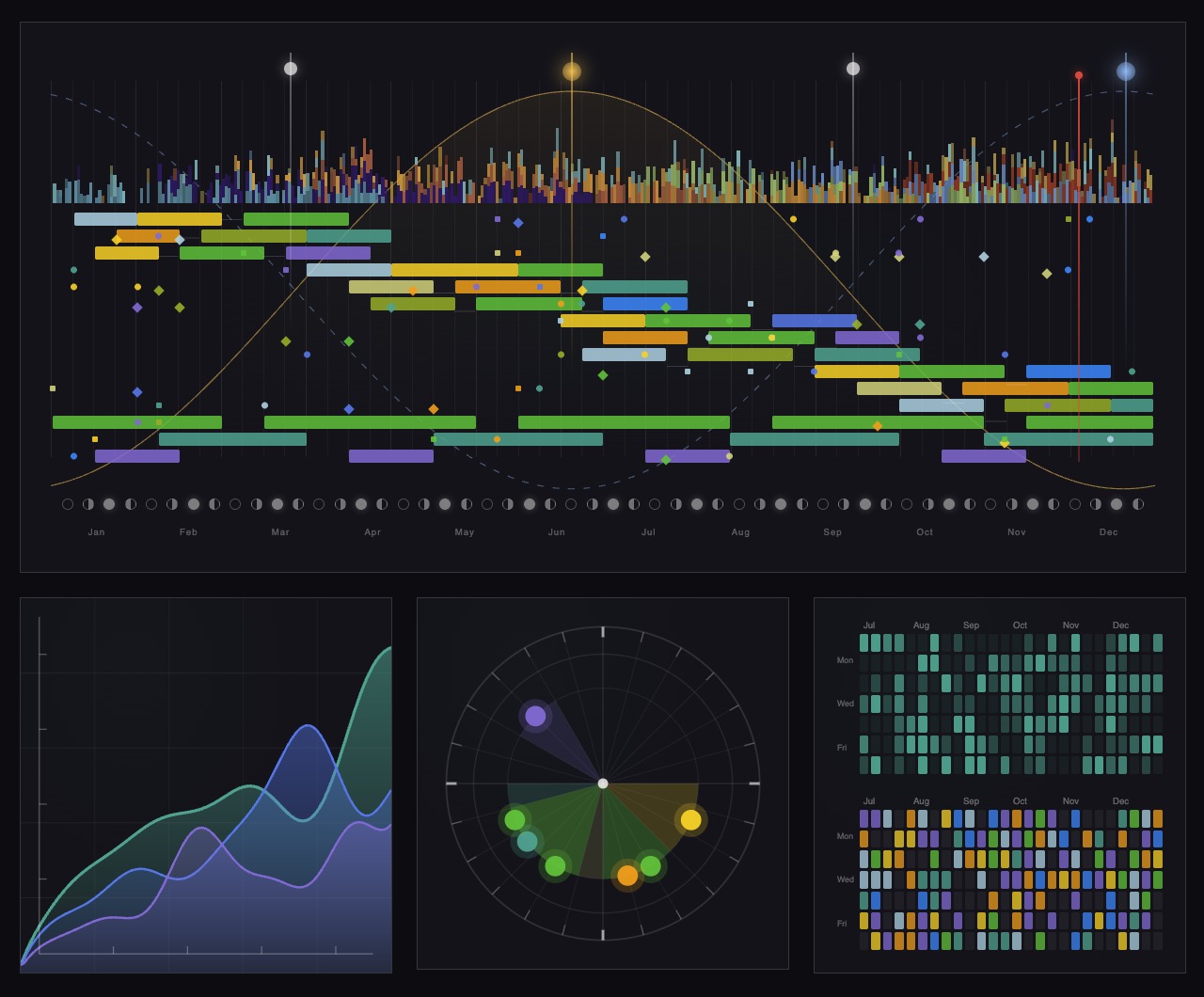
The core philosophical move: getting away from arbitrary Gregorian grids and instead introducing spirals, cycles, helixes, horizons, and circles — views aware of equinox, solstice, and moon cycles (07:27). The intention is to help clients like Rako think about the purpose of sites like Kinship Blooms not just as work sent through the interwebs, but as ripples sent through time — "causing ripples into the future that hopefully build and create waves and tsunamis down the road" (08:42).
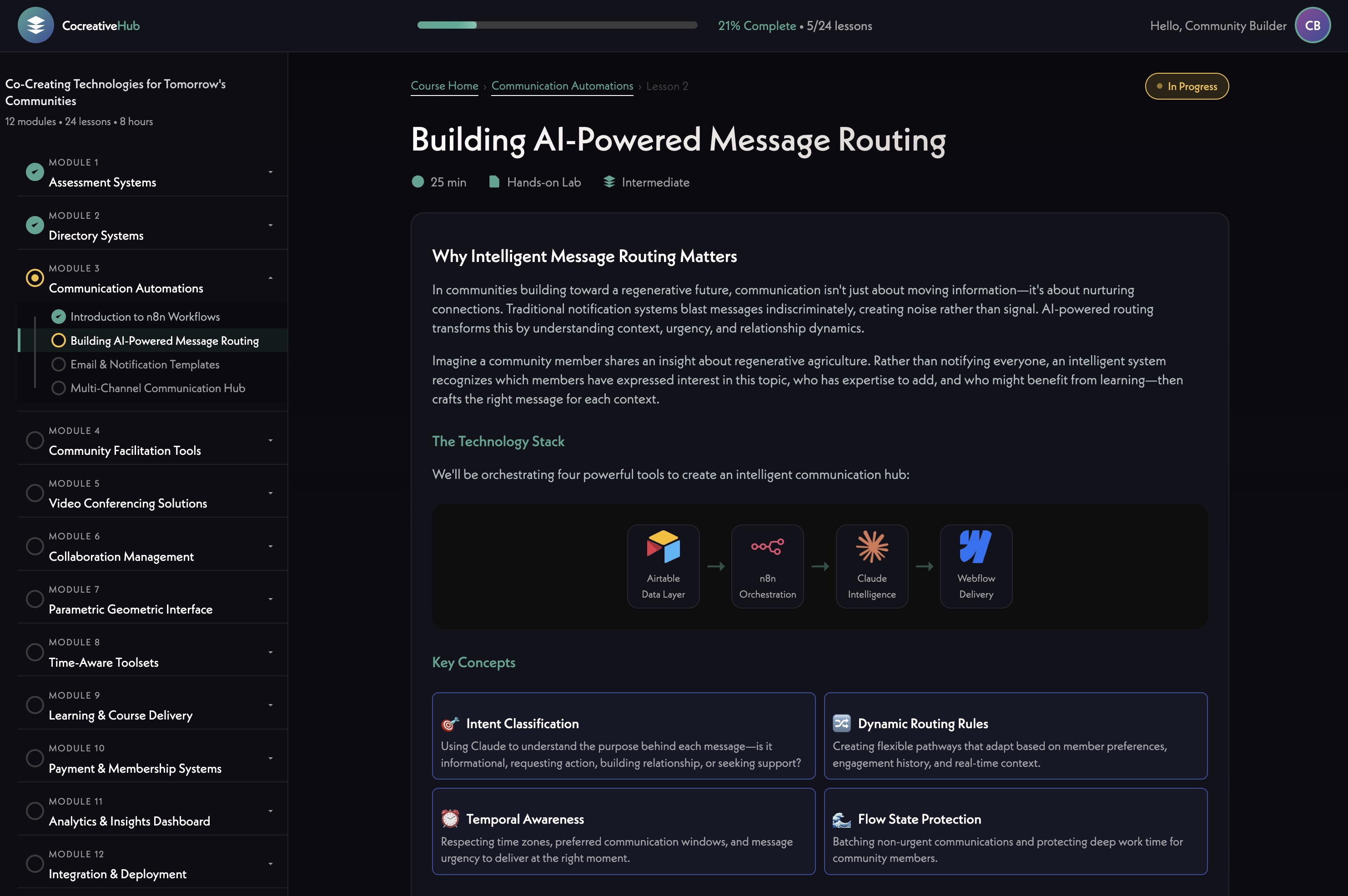
[technology="Time-Aware Toolsets"]
[technology="Collaboration Management Tools"]
Rako connected deeply to this framing, sharing his ongoing worlding paper work exploring live time, deep time, thick time, awaiting time, creative time, and cyclical time — different temporal rhythms connected to different worldviews and traditions, including the indigenous Indaga lineage (10:00). He referenced his friend Nadia Cheney's three-year project The Time Zone on freeing time from incarceration, and reflected on the challenge of coordinating across "multiple timescapes" — including shadow material around delivery, procrastination, and getting things done (15:20).
The conversation moved into how trauma is deeply tied to time — how isolated we become in our own understandings of time such that we can't empathize with those living in different times, feeling the pain of ancestors (18:04). References ranged from Deep Space Nine and Cloud Atlas to Everything Everywhere All at Once as touchstones for non-linear, dimensional experience of time.
James shared work from his art school days — a mirrored installation piece made from the inner wall of a truck tire that unexpectedly foreshadowed a near-death experience he had a year later (22:33). He described stepping away from personal art for 15 years, feeling that "the role of the artist is to reveal mystical truths" and that the intensity of what he had touched was more than he could hold at the time (25:17). He's now returning to art-making, feeling the world is more ready — and himself more integrated.
This creative ground directly informs the design intention for the new site.
Rako shared the immediate context making this project timely: the Wayfinders program launches August 10th (with ~10 interviews already completed), and a stakeholder/funder gathering happens later in August (28:29). Kinship Blooms has evolved significantly from its origin seven years ago as a boutique consultancy — it is now a Living Learning Commons, and the site needs to reflect that aliveness, ecosystem, and philosophy of practice.
The plan: Kinship Blooms becomes the first substantive build, serving as seed for the larger ILALI ecosystem site. The current one-page ILALI site will remain as a temporary blanket, with a possible connection to Kinship Blooms once the Commons build is further along.
James framed his current design north star as calmness — creating a sense of calm amid the overwhelm of information, then building on that with subtle, considered details that reward attention without demanding it (40:02). Consistent fonts, consistent font sizes, clear architecture — breaking out in key ways through interactions, experience, or geometry.
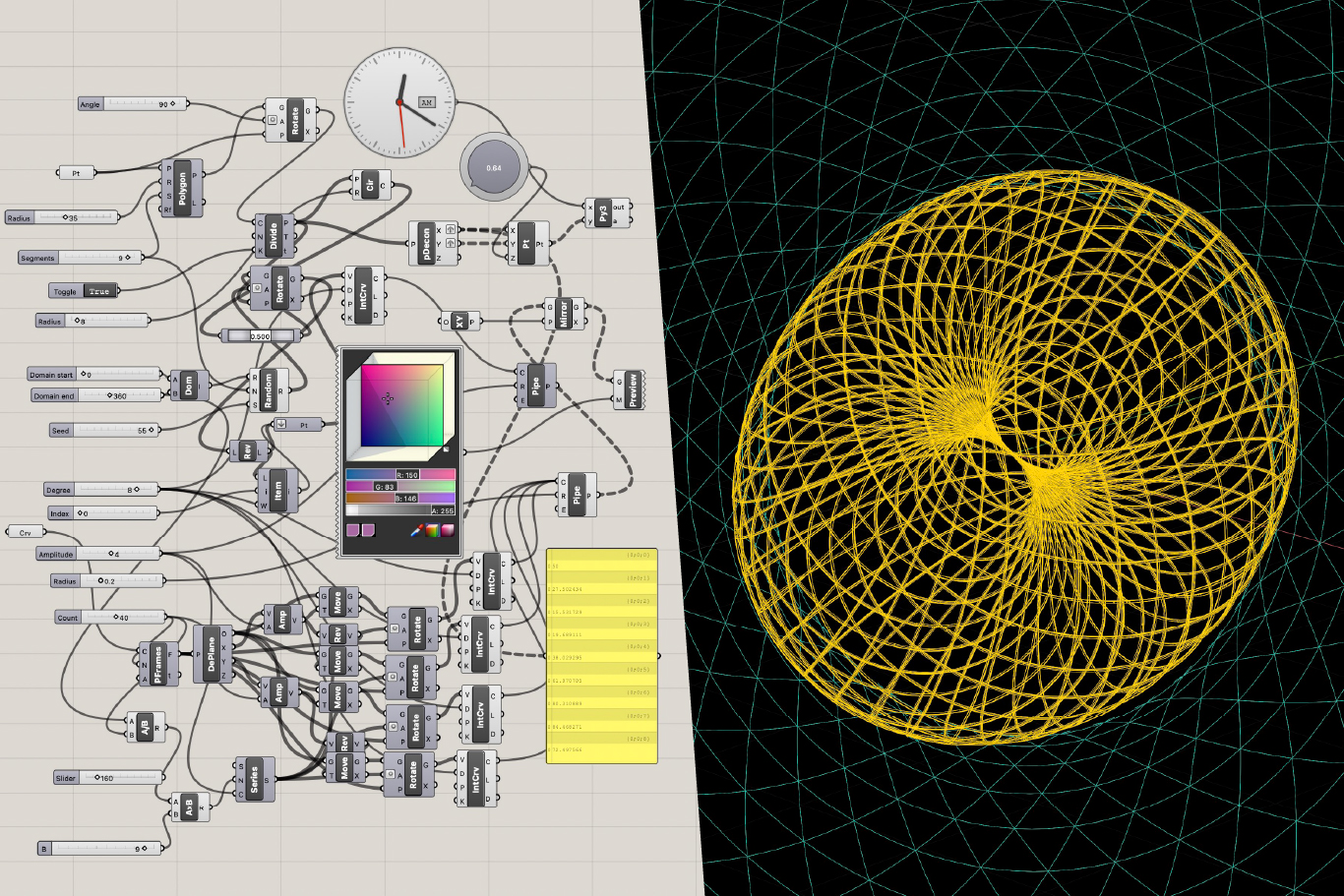
[technology="Parametric Geometric Interfaces"]
James walked through several inspiration sites and recent work:
Rako appreciated the simplicity of newer iconography, noting the older Kinship icons feel dense and heavy now. He requested a small set of links to review the newer work to feel into what's possible.
Quick fixes and updates identified for the current ILALI holding site (43:53):
Rako shared context for his weekend — the annual diviners' gathering honoring divination beings and lineages connected to West African ritual eldership, held on the land at Landwell. Last year the group divined together with the land itself, hearing what's wanted there. The gathering coheres a diasporic community of practice and includes reciprocity — resources flowing back to ritual elders — making it a trans-local, bioregional endeavor (47:52).
James shared that he and Emily are holding a ceremony calling in the spirit of their future child. Mutual prayers and offerings were exchanged, closing the conversation in the same relational register it opened.
James Bolden
M Rako Fabionar
James shared news of merging his last name with his wife Emily's — taking three letters from each — to create a new family name Bolden for their future children (03:03). The conversation opened with reflections on Philadelphia's soul, history, and its status as home to the largest city park network in the country (05:36), setting a grounded, personal tone for the deeper creative and philosophical dialogue to follow.
James shared that he's been building a bespoke app to manage creative projects grounded in first principles around action, delegation, decision, and creative process (06:17). The app is currently in beta and uses ClickUp as its backend for tasks, comments, delegation, time tracking, and automations, while a custom interface layer creates "calm, conscious views" and big-picture understanding that ClickUp lacks natively.
The core philosophical move: getting away from arbitrary Gregorian grids and instead introducing spirals, cycles, helixes, horizons, and circles — views aware of equinox, solstice, and moon cycles (07:27). The intention is to help clients like Rako think about the purpose of sites like Kinship Blooms not just as work sent through the interwebs, but as ripples sent through time — "causing ripples into the future that hopefully build and create waves and tsunamis down the road" (08:42).
[technology="Time-Aware Toolsets"]
[technology="Collaboration Management Tools"]
Rako connected deeply to this framing, sharing his ongoing worlding paper work exploring live time, deep time, thick time, awaiting time, creative time, and cyclical time — different temporal rhythms connected to different worldviews and traditions, including the indigenous Indaga lineage (10:00). He referenced his friend Nadia Cheney's three-year project The Time Zone on freeing time from incarceration, and reflected on the challenge of coordinating across "multiple timescapes" — including shadow material around delivery, procrastination, and getting things done (15:20).
The conversation moved into how trauma is deeply tied to time — how isolated we become in our own understandings of time such that we can't empathize with those living in different times, feeling the pain of ancestors (18:04). References ranged from Deep Space Nine and Cloud Atlas to Everything Everywhere All at Once as touchstones for non-linear, dimensional experience of time.
James shared work from his art school days — a mirrored installation piece made from the inner wall of a truck tire that unexpectedly foreshadowed a near-death experience he had a year later (22:33). He described stepping away from personal art for 15 years, feeling that "the role of the artist is to reveal mystical truths" and that the intensity of what he had touched was more than he could hold at the time (25:17). He's now returning to art-making, feeling the world is more ready — and himself more integrated.
This creative ground directly informs the design intention for the new site.
Rako shared the immediate context making this project timely: the Wayfinders program launches August 10th (with ~10 interviews already completed), and a stakeholder/funder gathering happens later in August (28:29). Kinship Blooms has evolved significantly from its origin seven years ago as a boutique consultancy — it is now a Living Learning Commons, and the site needs to reflect that aliveness, ecosystem, and philosophy of practice.
The plan: Kinship Blooms becomes the first substantive build, serving as seed for the larger ILALI ecosystem site. The current one-page ILALI site will remain as a temporary blanket, with a possible connection to Kinship Blooms once the Commons build is further along.
James framed his current design north star as calmness — creating a sense of calm amid the overwhelm of information, then building on that with subtle, considered details that reward attention without demanding it (40:02). Consistent fonts, consistent font sizes, clear architecture — breaking out in key ways through interactions, experience, or geometry.
[technology="Parametric Geometric Interfaces"]
James walked through several inspiration sites and recent work:
Rako appreciated the simplicity of newer iconography, noting the older Kinship icons feel dense and heavy now. He requested a small set of links to review the newer work to feel into what's possible.
Quick fixes and updates identified for the current ILALI holding site (43:53):
Rako shared context for his weekend — the annual diviners' gathering honoring divination beings and lineages connected to West African ritual eldership, held on the land at Landwell. Last year the group divined together with the land itself, hearing what's wanted there. The gathering coheres a diasporic community of practice and includes reciprocity — resources flowing back to ritual elders — making it a trans-local, bioregional endeavor (47:52).
James shared that he and Emily are holding a ceremony calling in the spirit of their future child. Mutual prayers and offerings were exchanged, closing the conversation in the same relational register it opened.
James Bolden
M Rako Fabionar
Send Rako curated set of links to recent website projects for design inspiration review
Curate and send Rako a set of links to recent James/Iris Cocreative website projects so Rako can review design direction and feel into what's possible for Kinship Blooms. Discussed at 37:35.
Adjust ILALI site to reduce gap between header video and text below on desktop and mobile
Fix the visual spacing issue on the current ILALI holding site — reduce the gap between the header video and the text section below it, on both desktop and mobile views. Discussed at 44:39.
Rework overlapping graphic on ILALI site into offset boxes or stepping stones layout
Redesign the graphic section on the current ILALI holding site where text currently overlaps awkwardly. Replace with offset boxes or stepping-stone style layout to improve readability and visual quality. Discussed at 44:39.
Move newsletter signup fields to the bottom of the ILALI holding site page
Reposition the newsletter signup fields from their current location to the bottom of the ILALI one-pager/holding site. Discussed at 44:39.
Set up contract and submit initial 50% payment through Commonwealth accounting for Kinship Blooms build
Rako to set up the contract and submit the initial 50% payment through Commonwealth's accounting on Monday to formally kick off the Kinship Blooms website redesign engagement. Discussed at 28:29.
Provide worlding writing, land photos, videos, and source content for Kinship Blooms design
Rako to gather and send worlding writing, land photos and videos, and other source content to James by Sunday or Monday to inform the Kinship Blooms visual and conceptual design direction. Discussed at 41:55.
Review James's portfolio links and share feedback on design direction for Kinship Blooms
After receiving curated portfolio links from James, Rako to review the work and share feedback on design direction and what resonates for the Kinship Blooms redesign. Discussed at 37:50.
Update ILALI site text, newsletter fields, and swap in new deck once received from James
Rako's team to self-manage updates to the ILALI site including text updates, newsletter field adjustments, and replacing the linked deck with the new one once received from James. Discussed at 46:39.
Add Max's photo to the ILALI holding site
Add Max's (the Fern) photo to the ILALI one-pager/holding site. This was identified as a quick update during the site adjustments discussion at 43:53.
Continue evolving Living Time custom project management app in beta as team begins using it
Continue developing the bespoke Living Time project management app currently in beta. The app uses ClickUp as backend with a custom calm interface layer incorporating spirals, cycles, helixes, and time-aware views (equinox, solstice, moon cycles). Onboard Kinship Blooms/ILALI as early users. Discussed at 06:17.
Complete redesign and rebuild of ILALI website on Webflow platform. Project has established visual direction with finalized logo, typography, and brand guidelines. Current single-page site doesn't communicate full scope of offerings. Site will feature four core initiatives plus emerging 'folk school' component as part of Nolla. Will incorporate content and media from November 1-2 Novella Bioregional Gathering. Using collaborative copywriting process where Gabi takes first pass, then team refines through read-aloud sessions. Fresh Figma board consolidates all current brand assets. Site currently hosted on WordPress/Webflow hybrid setup through Common Wheel fiscal sponsorship. Strategic decision made to prioritize Kinship Blooms as the design fractal and template for broader ILALI ecosystem (13:48). Main ILALI one-pager will receive light updates as interim solution: reduce gap between header video and text (desktop and mobile), rework overlapping graphic into offset boxes/stepping stones, move newsletter signup to bottom of page, add Max's photo (the Fern), and update text as needed (43:53-46:39). Design philosophy shifting from linear scroll-based architecture to ecological, place-based interfaces that feel native to land rather than imposed (34:23). James exploring Christopher Alexander's pattern language applied to digital design as philosophical framework. Team ready to move forward with Kinship Blooms first, then return to full ILALI site after that foundation is established.
Complete redesign of Kinship Blooms website to serve as the design fractal and template for the broader ILALI ecosystem (13:48). Strategic decision to direct creative energy into Kinship Blooms first rather than redesigning full ILALI site. Current linear structure feels limiting; team open to starting fresh where it serves the vision. Site will hold stewardship team bios, advisors, eight living practice communities, field collective, and intertribal council that convenes at Landwell. Design philosophy moving away from linear scroll-based architecture toward ecological, place-based interfaces that feel native to land (34:23). Will incorporate Ontology for Worlding framework with dimensions including Seeds (worldviews), Soil (life conditions), Weathers (states), Temporal Rhythms, Orientation, Bearing Witness, Sky (non-dual), Earth (participation), and Cultivation (transformative practice). Design to draw inspiration from actual flowers, trees, soils, and waters at Landwell (41:31). Integrating Heartseed mythology and toroidal practice framework. Visual language exploring eight-nine interplay in sacred geometry (44:42). Team considering dynamic, network-illustrating interfaces that show relationships between people, projects, and places in ways people can be invited into. Design north star is calmness — creating sense of calm amid information overwhelm, then building with subtle details that reward attention without demanding it (40:02). Consistent fonts and structure as foundation with selective, meaningful interactive moments. Will include accessibility features like audio/read-aloud widgets. Now ready for active creation with contract and payment being set up Monday (28:29). Wayfinders program launches August 10th and stakeholder/funder gathering in late August creates urgency. Source content (worlding writing, land photos/videos) to be provided by Sunday/Monday (41:55).
Development of custom project management application grounded in first principles around action, delegation, decision, and creative process (06:17). System uses ClickUp as backend for tasks, comments, delegation, time tracking, and automations, while custom interface layer creates calm, conscious views and big-picture understanding. Core innovation: replacing arbitrary Gregorian grids with spirals, cycles, helixes, horizons, and circles — views aware of equinox, solstice, and moon cycles (07:27). Philosophical intention: help clients think about projects not just as work sent through the interwebs, but as ripples sent through time that build into waves and tsunamis down the road (08:42). System currently in beta and will be used to manage ILALI projects including Kinship Blooms build. Integrates multiple temporal frameworks including live time, deep time, thick time, awaiting time, creative time, and cyclical time (10:00). Addresses challenges of coordinating across multiple timescapes and different cultural/indigenous understandings of time. This represents James's return to art practice through technology — revealing mystical truths through interface design (25:17). Onboarding planned for Kinship Blooms project as initial use case (06:17).
Annual gathering honoring divination beings and lineages connected to West African ritual eldership, held on the land at Landwell (47:52). Coheres diasporic community of practice and includes reciprocity — resources flowing back to ritual elders — making it a trans-local, bioregional endeavor. Last year the group divined together with the land itself, hearing what's wanted there. Current gathering scheduled for this weekend (July 2026). This represents ongoing ceremonial and community stewardship work that happens annually as part of ILALI's broader mission of weaving indigenous wisdom with contemporary community formation. Connects to deeper themes of time, ancestry, lineage, and bioregional rooting that inform ILALI's worldview and practice frameworks.
00:02:21
M Rako Fabionar: Man, I don't know who you. I don't know who you are. You James Bolden? Are you. Are you Eco? What was the Eco. The thing that you had on your. Your screen just right now.
00:02:33
James Bolden: Oh, Canon eos. It's my. My webcam app. You never. You never know. I am. I am a verb, not a noun. I am. I am the ocean. I am the wind.
00:02:54
M Rako Fabionar: You're the wave. Your ocean waves, buddy. Your ocean and waves. Yeah, What's. What's. Do you have a two part last name or a new last name?
00:03:03
James Bolden: Yeah. When Emily and I got married, we decided to merge our names together. So three letters from. I need to put. Now that I'm starting to use it, I need to put a disclaimer out, like let people know or something. We took three letters from each of our names because we wanted to make a new. A new family, and they wanted our kids to have a name that's ours and not just like one of ours or love it or a really long hyphenation. And then what if they marry somebody with a hyphenation and then their kids are like Kit Red and Bob Bolden, MacKenzie McIntosh or something.
00:03:48
M Rako Fabionar: Well, congratulations, man.
00:03:50
James Bolden: Thank you.
00:03:52
M Rako Fabionar: Yeah, yeah, yeah. Is that your legal name now? Are you changing it legally?
00:03:55
James Bolden: This meeting is being recorded where we're starting the process. It's teaching tedious, and there's just like so many things we're gonna have to do, so at some point it'll happen.
00:04:07
M Rako Fabionar: Great, great, great.
00:04:09
James Bolden: But when we have a kid, it's easier when they're born to just decide what name they're gonna be, so it's more for them.
00:04:17
M Rako Fabionar: Well, I hope the weekend. You guys have a good weekend there. And I hope at some point you make it back to California or. Or towards west, as it has been said many times. Go west young, man.
00:04:32
James Bolden: Definitely. Yeah, we're young. We're longing for it. It's very much the best coast.
00:04:41
M Rako Fabionar: Yeah.
00:04:43
James Bolden: Bunch of trash over here.
00:04:45
M Rako Fabionar: Oh, no, no, no, no, no.
00:04:49
James Bolden: It's good to be reconnecting to the roots for a little bit.
00:04:53
M Rako Fabionar: But you're in Philly, right? Yeah, yeah. That's where you grew up.
00:04:58
James Bolden: Yeah, yeah, yeah, yeah.
00:05:00
M Rako Fabionar: I like Philly, man. I mean, I've only been there once, but when I was there 20 years ago, I liked it.
00:05:06
James Bolden: Philly's cool. It's got. It's got soul, it's got history, it's got heart. It's got kind of renegade spirit, you know, this is. This is where it all began.
00:05:19
M Rako Fabionar: Yeah.
00:05:20
James Bolden: The free world Earth is a Free World.
00:05:26
M Rako Fabionar: One. You guys got that really good market. I forget what it's called.
00:05:29
James Bolden: It's running Terminal Reading.
00:05:31
M Rako Fabionar: Terminal Market. Is that what it is? Yeah.
00:05:33
James Bolden: Okay.
00:05:34
M Rako Fabionar: Yeah, yeah, it's a great market.
00:05:36
James Bolden: Yeah, it's a good one. Yeah. We got the Quakers here. Deep spiritual roots. The biggest city park network in the country. A lot of people don't realize how. I didn't know that Philadelphia is.
00:05:50
M Rako Fabionar: No, I didn't know that. No. Wow.
00:05:54
James Bolden: It's like a big forest. A lot of people don't realize because it's. You don't. You don't see it downtown, but most of this big chunk of the city is a giant park, which is really cool.
00:06:10
M Rako Fabionar: Thanks for letting me know that this is something that you guys could do at this time. Really appreciate it, man.
00:06:17
James Bolden: Yeah, yeah. Sorry for taking so long on the proposal. I've been building an entire app to basically manage projects how I've always wanted to manage them. And it's going to be really cool. What we're able to do now is like dreams come true. And it's just taken longer than I, than I thought. But the, The capability is so much greater than I thought. And so it's actually in beta right now. We can start to use it now and it'll evolve to meet our needs. But essentially. Making a little. I'm making a website about the app because it makes more sense than the app right now, but a big part of it is.
00:07:27
M Rako Fabionar: That sounds funny.
00:07:30
James Bolden: I'm going back to first. First principles around action and delegation and decision and creative process and what does it mean and how do we hold it and how do we create the right views to keep us aligned and moving forward efficiently while holding space for big creative processes. And a lot of that to me has to do with how we look at time. And we tend to. I should put some traditional views in here just for reference, but we tend to think of time as like our monthly calendar, you know, our days and then it's a big grid and then we have the next month and it's so arbitrary and Gregorian and I want to get away from it and start using spirals and cycles and helixes and like horizons and, and circles, you know, with, with an awareness of the equinox and, and the solstice and the moon cycles.
00:08:42
M Rako Fabionar: Yeah.
00:08:43
James Bolden: And all these things. So we're going to have those kind of views for not only planning our project, you know, our, our six week build, we don't really need it, but also for helping our clients like you think about the purpose of sites like this and how you want it to grow and, and setting that intentional space for not just sending the work out through the interwebs through the world, but sending it out through time, you know, causing ripples into the future that hopefully build and create waves and tsunamis down the road.
00:09:35
M Rako Fabionar: Wow, that's fascinating, man. It's really a lot, I mean, there's a lot that, you know, a really close friend of mine is doing, has done a big, big body of work around time called the Time Zone. Yeah, her name is Nadia Cheney and her, her current project is how to free up time from being incarcerated. And mostly in terms of like the. Linear, linear, linear time and her experience. And, and the community of practice that she had around it. I think it was for like a three year, three year project. It was really, really fascinating. I couldn't really tell you much about. It,. You know, was that in time as a. Time as a living entity, you know, to, to, to be engaged. And, and I'm seeing other, you know, a lot of people have written about time, but there's, I'm seeing more and more of it bubbling up as of late and in, and this worlding stuff, you know, that I've been writing, I would talk about, you know, different temporal rhythms and horizons, you know, and there's, you know, live time, there's, you know, deep, deep time, there's thick time. And what I've learned, and I'm continuing to learn from the, the indigenous Indaga tradition is like, you know, there's, there's a waiting time to begin. You can either wait for time to begin or, or, or creating time. So there's, you know, awaiting time. So that's, that's one way I just say there's live time, living time, day to day time, deep time, thick time, and awaiting time and creative time, you know, creating, you know, among other ones that, that kind of connect more or less to different worlds or worldviews. We could say cyclical time for, you. Know, more kind of kinship or, you. Know, fugitive worldviews and stuff like that. So it's, it's interesting to see this in terms of a, as part of a project management frame, which is not, obviously it's more than just a management frame, but it's, it functions as that. And, and you're inviting a different way of engaging, you know, the body, you know, work, which I appreciate and I know Amanda, I think Amanda and Gabby have talked to you about, you know, ongoing, like everybody's ongoing search for the right tech stack, you know, around project management and, and governance and you know, we, we thought we had found one with the Holospirit and you know, because of its connection with sociocracy and you know, but that's not working. And then we're. So we're looking to go to. I forget what it's called. I'm working on it right now. But, but, but I think they might have talked to you about maybe if it might be possible to create something that's bespoke for us around that. Does that sound familiar or.
00:12:21
James Bolden: Yeah, I think I turned them. Did I turn them on to ClickUp?
00:12:25
M Rako Fabionar: Maybe?
00:12:25
James Bolden: Yeah, yeah. So my.
00:12:29
M Rako Fabionar: Nestor. Nestor. Nestor.
00:12:31
James Bolden: Okay.
00:12:31
M Rako Fabionar: Yeah.
00:12:33
James Bolden: My app is actually using ClickUp as a backend. So ClickUp's a project management tool. You can do tasks and comments and delegation and time tracking and automations. And so I'm not trying to recreate all of that, but I'm syncing it with a custom app so we can take what ClickUp does well and do what it's terrible at, which is creating calm conscious views and big picture understanding of what's happening in, in the system. And in theory, the same thing could work with other, other back ends because it's not about like recreating the infrastructure. It's more about creating the interface for understanding these kinds of concepts beyond the context that we inherit in our education. Yeah, yeah, yeah, that time work sounds fascinating. I'm very, very interested in that. I told you about this pattern language project and the philosophical background of it. My, my way of orienting kind of everything goes back to these. What I realized were platonic principles of matter, intelligence, space and time as like the fundamental ingredients of experience. And of course it's, it's all relational, it's all in consciousness. It's, it's also all of these other things, but there. And those, these things interrelate, but each of those domains becomes like views through which we can, we can observe the entire whole. And we don't take the time perspective enough. We don't question it. No, no, we think a lot about matter and how to move it around and manipulate it and we just take time for granted.
00:14:56
M Rako Fabionar: Yeah, I think that's, that's why in my, in my worlding paper I talk about the multiple. Navigating multiple worlds and time scapes, you know, just because time skips is a familiar term, you know, and it's like, it's, it's really easy to feel in, in a liminal space or as the awareness grows, you know that oh, there are different, there are different time spheres or, or, or you know, that are going off simultaneously in terms of people's worlds and navigating them and, and, and you know, in the gross realm, you know, in this lifetime to, to coordinate know, amongst multiple time. Time scapes is. It's sometimes it's a task, you know, and that's before. I mean that's, that includes, you know, some of the conditioning and shadow stuff that folks have around time and delivery and procrastination. These types of things. Like, you know, it's really been. Been liberating is not quite the right word, but really a very. An inquiry that I'm. That, that I continue to chew on and explore when I'm understanding,. You know,. How we get things done and what does that, what does that mean? You know, and of course from a, from a, from a linear live time experience, there's things that, that need to get, need to get engaged and, and put out there, you know, just in terms of this moment in this lifetime in terms of relationships especially, you know, you know, and also in terms of other things. But it's, you know, when you start thinking about what's the, what's the body of work or the, or the ceremonial work that is going to go beyond this lifetime or might be venturing into different time spheres or different dimensions, how do we consider that at least conceptually, if not experientially, and then have some type of visual representation or artifact that can help at least ourselves and others. To consider that type of, of entanglement and, and beauty, quite honestly, you know, fullness. His fullness, I guess, but I would say it. So. Yeah, yeah, I'm, I'm. It's. I think that's part of the reason why this paper is. This writing has had me longer than I, than I thought it was going to have me. I thought I was going to finish it. Finish the first, you know, really kind of the solid part of it about a month ago and it's still, still chewing on. And I can take a step back because it's so big. I'm like, oh, okay, you know, but time. But writing about time and experiencing it, you know, not just writing about it, but experiencing it, you know, as I'm writing about it, it's like, oh, this is, this is something very distinct that's coming through as is the bearing witness and bear witness with this as a,. As an orienting praxis and way to meet worlds. So it's fascinating. Yeah, it's the multiplicity of it all, you know, not just the you know, worlds and objects and things like this. It's like no, like time and dimensionalities,. You know, different times and dimensionalities. Which is what needs to be also considered, you know.
00:18:04
James Bolden: Yeah, yeah, yeah. I keep thinking of, of trauma and like individual trauma and collective trauma and how tied it is with time and how isolated we become in our own understandings of time that we can't empathize with others who have a different. Are living in a different time, you know, who feel the pain of their ancestors and we can't imagine it because we think time is one thing.
00:18:31
M Rako Fabionar: That's right.
00:18:31
James Bolden: And yet it's present for them.
00:18:35
M Rako Fabionar: Did you, did you ever watch Deep Space Nine? Star Trek? Deep Space Nine? It's phenomenal, you know. Yeah. You know the, the main guys, a black man. This is art in the 90s. But like, you know, the he. It's, you know, very early on the encounters a non linear species, you know, in a different dimensions. And, and they're like. And this is like the first two episodes, you know, like three episodes. And it's like, you know, why do you, you know, where do you live? He says, I live, I live here on this, you know, space station. I do this. It's like, no, why do you also live here? And then they take him back to like severe, you know, this is where you live. And into a severe seriously traumatic event that had happened where he lost somebody dear to him. And then he's like, you're right, I. Have been living there. You know what I mean? And so it's, it's in terms of that the type of non linearity and dimensionality and different, you know, what bio would call queering of time. You know, Batman. That was like 30 years ago. And I mean they got at some like deep stuff in terms of like, you know, humans and divinity and coenactment with subtle beings and you know, like, like all that stuff. It's. It's phenomenally done. It's phenomenally done. It's fun, you know, but. But it gets me thinking about what you're talking about, you know, in terms of like people not. We're not understanding, you know, the ways in which people are living in the different. The different parts of ourselves that are. That are living in different times, you know, and how different contexts and conditions can evoke different type of timescapes and put us back there in our bodies. It's, it's. It's a lot, man.
00:20:13
James Bolden: Yeah. You know, all my favorite movies have to do with time. About time. A fun like romantic comedy time Travel movie. Like clouds. Cloud Atlas.
00:20:27
M Rako Fabionar: Cloud Atlas. It's a great movie.
00:20:29
James Bolden: Everything everywhere all at once.
00:20:31
M Rako Fabionar: Yeah. Yeah.
00:20:34
James Bolden: Sense8. They all play with. With time in different ways.
00:20:38
M Rako Fabionar: Yeah.
00:20:39
James Bolden: And I'm. I'm really drawn to this clock behind you.
00:20:44
M Rako Fabionar: Yeah. I was noticing that as we were talking, too. You know, it's interesting. I found this online, I think, on Craigslist or something like that, or Facebook market, when we first moved in here. And I said, oh, this looks like. Looks like a nice piece. We'll go get it. And I didn't know how big it was. Huge, right? It's huge. You know, you see the stove underneath it. It's pretty big. And when I went inside, I thought it was going to be maybe a fourth the size. And then as soon as we got to go, oh, this feels like. It's really kind of the sets. The tone of the. Of our. Of our colors, of our color scheme. You know, we have this. I mean, it's just. It's. It. We love it. You know?
00:21:21
James Bolden: We love it. So great. It's great. You're always, like, wearing or have the thing that's pertinent to the conversation.
00:21:30
M Rako Fabionar: Oh, last time, that was pretty funny because that was the. The cosmic. Cosmic Flower shirt. I remember that. Yeah. Yeah, that was funny.
00:21:38
James Bolden: Good karma. Your clock reminds me of this piece I made in art school.
00:21:47
M Rako Fabionar: Oh, wow.
00:21:49
James Bolden: About an experience I had outside of time. Mm. It's, like, very much for me about moving out of this world, out of this moment, to seeing time as a dimension of space. And it was extremely colorful, this portal and. And processes. I could talk for hours or years about it. And I made this about it before I had the experience.
00:22:33
M Rako Fabionar: Oh, you did. Interesting. Wow. Some retro causality going on there, huh?
00:22:40
James Bolden: Exactly. Without realizing it, I found the mirror. I found the. It's an inner wall of a truck tire and the paints that I used in my attic. And I needed something for art class, and I was like, oh, here it is. I'll put it together. I knew what to do. I brought it to the studio. The studio was set up with just a single light in the middle of the room. I'd never seen it set up like this. No other lights were on. And I was like, oh, I'll put it here in the middle of the room. And it's like. You walk in, and it looks like a hole in the ground because it's reflected.
00:23:16
M Rako Fabionar: Oh, it's a little installation. It's rather kind of an installation piece. Wow.
00:23:19
James Bolden: Yeah.
00:23:20
M Rako Fabionar: Very cool.
00:23:21
James Bolden: And then you get closer, and you see the light reflected on the ceiling and then you see the light. But if you go all the way, you can see yourself in the mirror in your own shadow.
00:23:36
M Rako Fabionar: Fascinating. James, I thought when you were talking about this, that this piece, this part, this picture right here, was the, of some type of visual design piece that you made. I didn't know it was actually, you know, a physical object and. Yeah, yeah, that's, that's so cool. That's really cool.
00:23:53
James Bolden: And it, I think maybe a year later I had this near death experience. I call it a death experience because, yeah, I experienced death. My body was fine.
00:24:08
M Rako Fabionar: No.
00:24:10
James Bolden: And, and I, I, I couldn't illustrate it better than, than the art that I had made leading up to that experience. This piece and a lot of other pieces.
00:24:30
M Rako Fabionar: It's beautiful, man.
00:24:32
James Bolden: Which really showed me that there's a lot more to time than I, than I understood.
00:24:41
M Rako Fabionar: Wow.
00:24:42
James Bolden: This one as well, that I happened to make. Just popping, popping out of the plane of reality into another dimension.
00:24:52
M Rako Fabionar: Yeah, yeah. Beautiful, beautiful work, man. I didn't, I didn't know about your visual or I didn't know about your material art, you know, the artifacts you created beyond the beyond. Well, I know I did. You, you're, you're an architect too, right? Yeah, but, but I didn't know that you did kind of like sculpture pieces or, or visual, visual art or studio art. It's pretty cool, man.
00:25:17
James Bolden: Actually, after that experience, I stopped for like 15 years and I focus entirely on other people's projects and making art for them. I felt like. If I went the route of the artist, I would, I would go insane, essentially because the role of the artist is to reveal mystical truths. And the intensity of the experience that I had, I think was more than I could hold as an artist. Like, like one can reveal too much.
00:26:20
M Rako Fabionar: Yeah.
00:26:22
James Bolden: If people aren't ready for it. And then I think you, you go insane. Like, if, if the world's not able to hold what you're creating, then you're not going to be able to hold it yourself.
00:26:37
M Rako Fabionar: Yeah, yeah, yeah, I get it. I understand that.
00:26:43
James Bolden: But I think it's different now. I think the world is different and, and I've integrated the experience more and so I'm starting to make art again.
00:26:56
M Rako Fabionar: That's, that's wonderful, man. Yeah. I didn't know that. I didn't know that you did that. You know, I mean, it makes, I mean, beyond what you've been doing. Of course it makes sense that you. Do that, that you've done that. And that's where you come from. Yeah. Makes a lot of sense. Well, I, I appreciate you, you having you and your team having the ability to work with, with Living Time in this regard. You know, there's, we have our Wayfinders program. We, we just interviewed probably about 10 people and then we have some more to interview but we're going to be starting it August, August 10th. And then sometime in, sometime in August I'm doing, doing something with stakeholders and funders and so having something up will be really, something beautiful up would be really important. Is really important in terms of important, you know, in the context of which we're talking in Living time and in this particular path and moment for me. So, and the work. So you know, I don't know how important it is, you know, multi dimensionally and you know, deep time, big time. But, but you know, it feels significant. In terms of Living Time right now. So I appreciate the, I appreciate you,. You mobilizing and, and so next. On. Monday I'll, I'll, I'll set up something up with the accounting of Commonwealth to. Get the, the 50 started and so we can, you know, get, get, get, get on it, so to speak. So I, I really liked what I saw in terms of the, the, the app that you're creating and the, and the, the kind of the charting out the work and, and I was hoping because I, I, you know, appreciate visual but like you talking me through it a little bit more is, is, is helpful and if that's okay and then, and then I can get you some things that you need, you know, pretty asap. I have a lot of stuff now. It's not a, that's not a problem anymore. Yeah.
00:29:07
James Bolden: Yeah, great.
00:29:08
M Rako Fabionar: Yeah.
00:29:11
James Bolden: I don't know if you saw this, but I built a little widget that will read it to you.
00:29:18
M Rako Fabionar: Oh yeah, yeah, I did, I did, I did. Yeah. Yeah.
00:29:22
James Bolden: I just find, you know, I stare at screens all day sometimes I just want to listen to something.
00:29:27
M Rako Fabionar: Yeah.
00:29:27
James Bolden: And sometimes I like to listen while I read as well. Ups me like get it doubly. My dad's blind so he uses Screen Reader.
00:29:35
M Rako Fabionar: Oh nice nice, nice, nice.
00:29:37
James Bolden: And it's an accessibility feature I want to start adding to.
00:29:40
M Rako Fabionar: Oh great.
00:29:41
James Bolden: I love that ideally all our sites because it helps people not only nearsighted but you know, with, with cognitive stuff or language stuff or you know, old people that have really, you know, really big text and it's hard for them on their phones to scroll through anyway. So yeah, I think this project is really timely right now. I think that we can elegantly Navigate a creative process together and birth something awesome for kinship blooms that can also serve as seed for the, the bigger project. And essentially I'm open and unattached to what it'll eventually look like and consist of. There's, there's lots of paths that we can take. We don't necessarily have to limit it to X number of pages. I want to make sure that we can take time to, to bear witness together and, and be with what, what wants to emerge, what is the, the substrate, what's the ground, the matter and what's the sky and intelligence that we're growing into. And then we can use Munia and Sean and myself and our digital friends to create the imagery and experience that will serve this. What I love. You know, I still love this site. It's. It's years old now, you know, and yeah, I think it was very innovative at the time and really fun. The different things that we're doing and, and we've learned a lot since and the technology has come a lot of a long way since and I think it can be both more clear and organized and professional while also being more inspired I think in less, less distracting ways. So. And it's, I mean it's just a one page site right now.
00:32:27
M Rako Fabionar: Yeah.
00:32:29
James Bolden: But I think that we can build a really solid structure. I mean not unlike the proposal. The proposal side is pretty basic. But yeah, I think having consistent fonts, consistent font sizes, architecture, and then breaking out in, in key ways in interactions or experience or geometry. This is a tiny little.
00:33:03
M Rako Fabionar: I saw that. Yeah, I saw that. I saw that. That's pretty cool.
00:33:07
James Bolden: To invite people into what's here.
00:33:11
M Rako Fabionar: That sounds good. That sounds good. I was wondering if you could, if you could show me a couple of examples of the interactions or,. Or things. That can, that can help me to imagine what's possible that, that you've done before. I know you show me that some things before, but just things that you think are coming to mind.
00:33:37
James Bolden: Yeah, this is in progress right now. This is a prototype but this comes to mind. This, we made this logo for this client and they have these five movements and as you scroll this takes you through the movements and it's very simple but interactive, elegant. Here's another example. Site. So first of all we, you know, we lead here with a lot of. My site is like extra large right now. Doesn't mean most people are going to experience it like this. So we lead with a lot of video up top. That's always nice people and, and planet. We've got this collage. Art going on here. And then this very interactive framework for understanding the model. I know that this is pretty similar and relevant to the kind of things that you like to communicate as well. This is an older example, but I still, I. I always love the elegance of this site. The way that.
00:35:10
M Rako Fabionar: Yeah, I remember that one. Yeah, yeah. I think that's really, really beautiful.
00:35:17
James Bolden: The way that draws in and. And then the team section is fun.
00:35:24
M Rako Fabionar: That. Yeah.
00:35:26
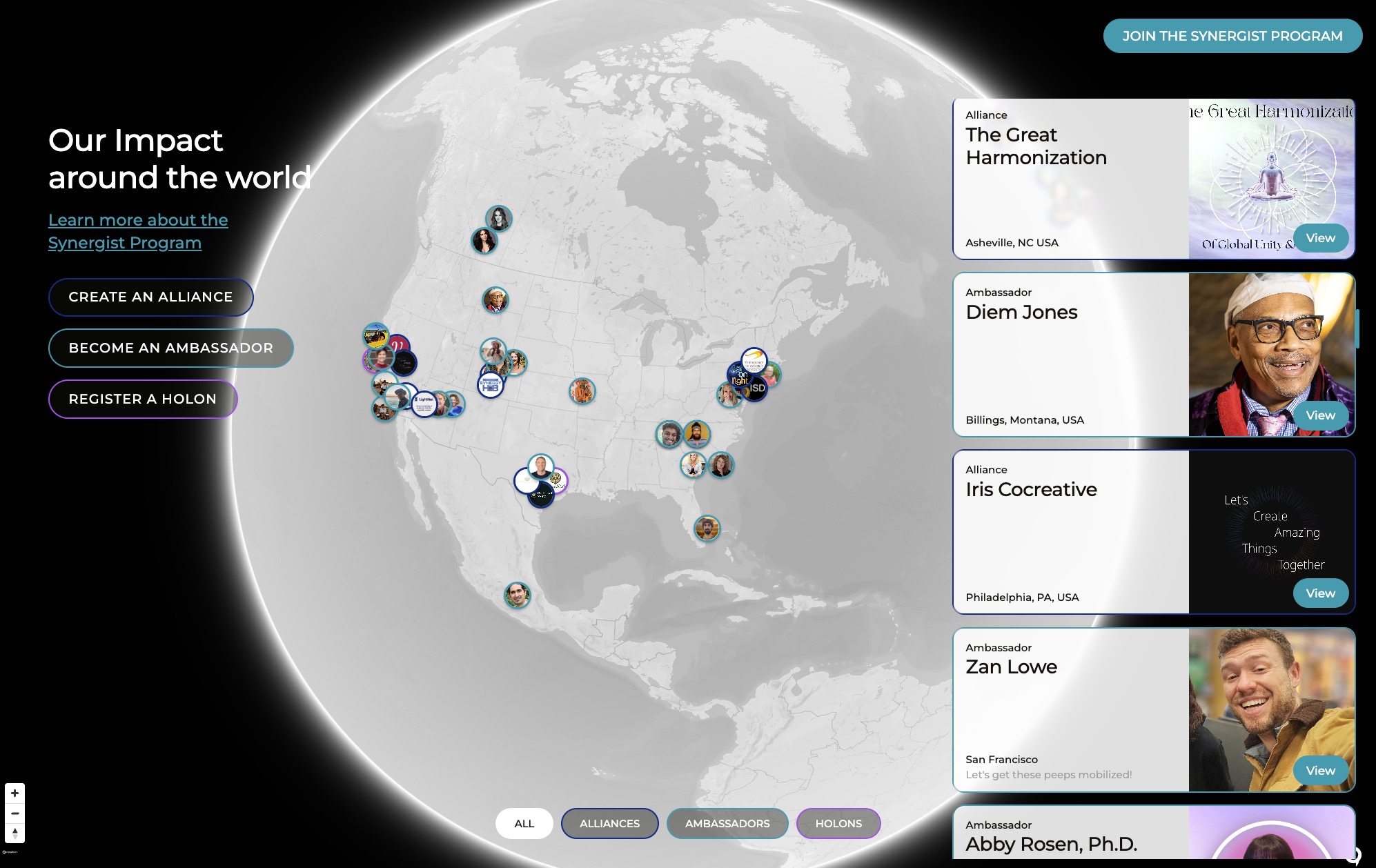
James Bolden: Rotates people around in this clever way. Doing a lot with maps these days. First of all, here's a, you know, little 3D logo. That's always nice. And this is. I showed you the. The place between us, I think, on our last call.
00:35:52
M Rako Fabionar: Yeah, yeah, yeah, yeah, yeah.
00:35:55
James Bolden: Here's an another example that uses profile data and, and shows hold ons and their connections to the people. And I really love the ways that it draws the lines to people. It makes them like little trees and it feels alive. I love seeing it three dimensionally too, in these lines, like wrap around the planet in these fun ways.
00:36:27
M Rako Fabionar: Beautiful. Yeah, yeah.
00:36:29
James Bolden: Let's see, what else are we working on these days? Source of synergy. I really like this mandala. I made them. It's. The colors are a little too cantaloupe for me, but they really wanted it.
00:36:48
M Rako Fabionar: That's all I could see now.
00:36:50
James Bolden: Sorry. Especially.
00:36:52
M Rako Fabionar: No, no, it's good. Especially as the. As the circles get more. More defined. Those are like total, like cantaloupe seeds. It's so funny.
00:36:59
James Bolden: Yeah, it's good. Cantaloupe. Part of synergy as well. They're. They're funny. They're. They love all of their things. But I like. I like moments like this where we have a beautiful image of Earth and real Earth, not AI Earth.
00:37:26
M Rako Fabionar: Yeah.
00:37:28
James Bolden: And bleeding into the background and space for text, things like that.
00:37:35
M Rako Fabionar: Beautiful. James, is it possible. I mean, is this. Do you have like your portfolio of these links somewhere so I can take a look at these as well? Because I find it really inspiring.
00:37:50
James Bolden: Yeah. Yeah. We have on our site a lot of work, but most of what I'm sharing here is newer stuff that I haven't added.
00:38:00
M Rako Fabionar: Okay.
00:38:02
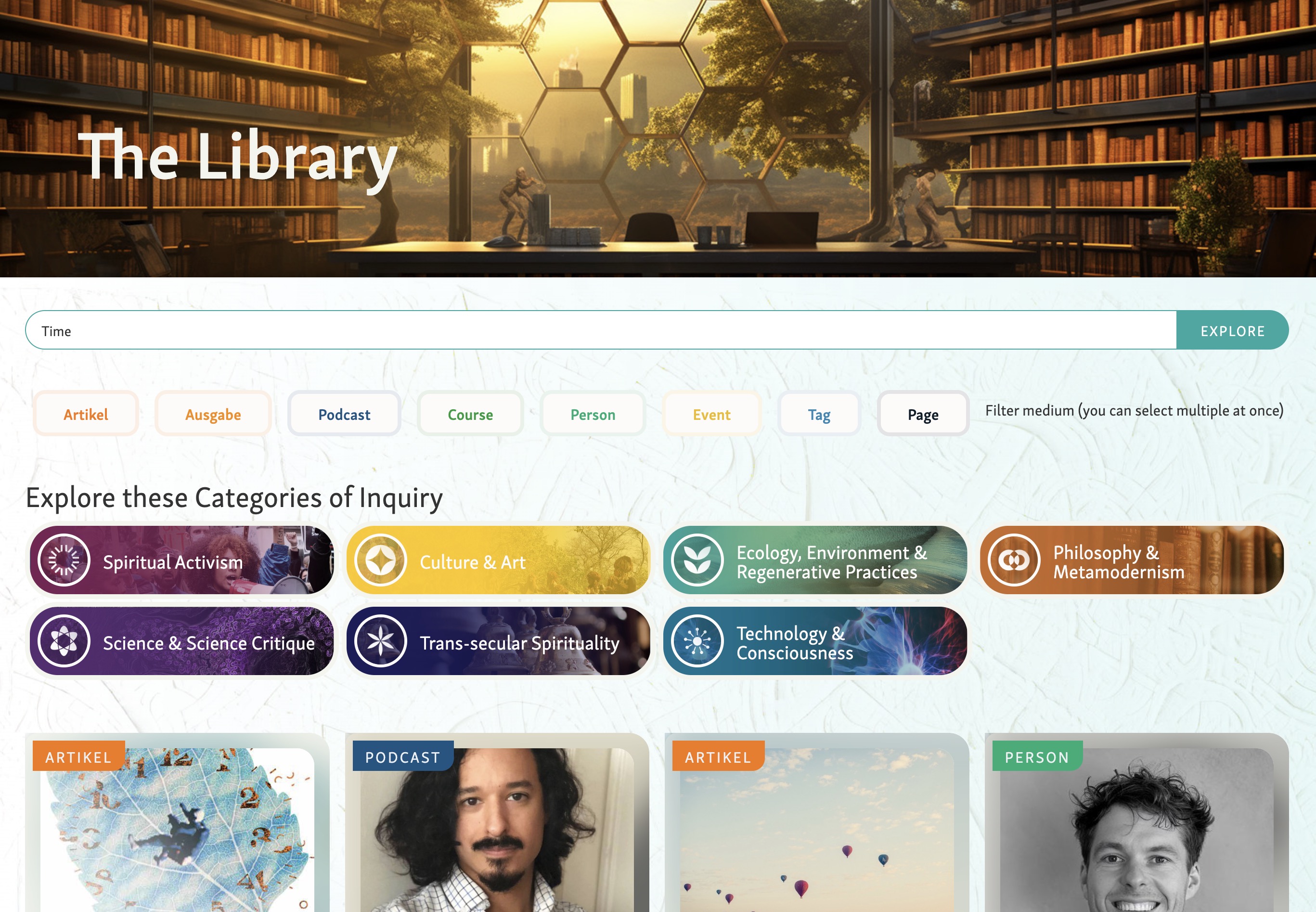
James Bolden: You can go to work on Iris Co Creative.
00:38:06
M Rako Fabionar: Okay.
00:38:07
James Bolden: And see a number of sites here. Generative View is a good example. The right studio. Have I ever showed you that website?
00:38:16
M Rako Fabionar: No, no.
00:38:17
James Bolden: That one's really fun. It's a human rights art nonprofit in Germany and we got to use their. Their art in really fun ways and the whole site just gets to come alive. It's a few years old now.
00:38:45
M Rako Fabionar: You've Been busy.
00:38:47
James Bolden: I can send you some other links. Some newer.
00:38:49
M Rako Fabionar: Yeah, yeah, the newer stuff too. It's helpful because I've seen some yellows but like, because I know like the, the technology has, has like, is rapidly shifting and enabling some, some new things. At least that's what's seeing. So. Yeah, I would love to see just a couple of links so that I can really feel into these things a little bit more. I really like, scroll back up. I like the simplicity of some of the iconography because I know the ones that we did a couple of years ago for feel a bit Already feel like, no, I don't want to use those. I know that we can use those, but like they feel a bit dense and heavy and, and similar and so I, I like. Yeah, I like what I'm. Yeah, yeah. Something that's a little, A little simpler, I think.
00:39:49
James Bolden: Yeah.
00:39:52
M Rako Fabionar: At least for the, at least for the practice groups. Yeah. Yeah.
00:39:56
James Bolden: A big design goal for me these days is calmness.
00:40:02
M Rako Fabionar: Yeah.
00:40:02
James Bolden: Just creating. We're inundated with so much information and so much stuff. How can we create a sense of calm on the site and then, and then we can build on that.
00:40:14
M Rako Fabionar: Yeah. Yeah,.
00:40:19
James Bolden: I. And have like little details that feel really special that are like. They're not in your face. Big animation crazy thing. But it's like when you go and look at it, you notice like, oh, that's. That's different. Something's alive here. Something was considered.
00:40:41
M Rako Fabionar: Yeah.
00:40:42
James Bolden: Like this navbar concept I'm working on.
00:40:46
M Rako Fabionar: Yeah, that's pretty cool.
00:40:47
James Bolden: You know, instead of just the menu, I'm having it feel alive and connected because everything's a part of one thing and you move your mouse and it like it lights it up and it follows your mouse.
00:40:59
M Rako Fabionar: That's pretty cool, man. Okay, well, this is, this is. Yeah. If you don't mind sending me a few, just a few of the links of the sites. Some of the sites you showed me. I'd be that. I'd appreciate that because that really helps me. And so I saw on the, on the, the proposal, you know, the things that you need. Need from me right now is, you know, the, the worlding stuff and. Some. Pictures and videos and things of land. Well, and other places that are. That are connected to what we're doing. And I can get. I can get that to, you know, ASAP this weekend, the dog community, we're having one of the binders coming here in the next three hours. And so this. I'll be full until Sunday, but then, then I can get you Know, Sunday or Monday I can get some stuff to you and, and I'll. And I'll set the. Set the contract up through our offices at Common Wheel. Yeah, man, I'm excited. I'm really, really, really, really excited to. It feels like the different iterations that a lot is going through and now Kenship Blooms is even like, you know, this is, this is really just different, you know, than what Kinship was seven years ago. Whenever it is that we created this site, you know, as basically kind of a boutique consultancy, you know, there's going to be, you know, an aspect of that, but it's really a living learning. Commons and you know, it's. I'm excited to have that represented and then to be kind of the. The first part of a. Of the Lolly website feels really right. You know,. Because the Lolly website that we have, the one that's kind of the in between blanket on the word for it, the temporary site. I think, you know, we might add some more. More. A little bit more text to the. To the initiatives and I know that you're putting a newsletter thing in there and I think that that will stand now. Good until we have. But I think what we're missing is like a really felt sense of. Of the aliveness of things and also the. The ecosystem, the social ecosystem, you know,. And some of the. The philosophy and practice around it. And so I'm excited, you know, kinship as a living learning commons feels like, you know, this is a good place to start. And then if we need to refer to a Lolly while before the. The larger website is created, then we can always have that one page, you. Know, and then have a connect when it's ready to Kincha Blooms as the commons itself. So. Yeah man, appreciate it.
00:43:53
James Bolden: Awesome. Wonderful.
00:43:56
M Rako Fabionar: I had a question about actually the Lolli website. I'm just gonna go to it so I can see it. We're gonna get. We need to get Max. Max's picture up. But if there it. Yeah, he's a Fern. Is there a way way to. To lessen the gap between the. The video to the. The. The text below? It's a pretty thick gap in the. Both in a desktop and also on the phone.
00:44:39
James Bolden: Yeah, totally.
00:44:43
M Rako Fabionar: And then I'm not sure I know like the text that's under the big text, that's the last page, so to speak, you know, that's going to change and is that something that we can do via our access or is that something I need to ask you to change once we're ready to change?
00:45:05
James Bolden: No, yeah. You should be able to change it. No problem.
00:45:08
M Rako Fabionar: Okay. Okay.
00:45:10
James Bolden: Do you mean this gap here?
00:45:12
M Rako Fabionar: Let me see. Hold on one second. Yeah. Oops, sorry, man. Yes. Cool. Yeah, let's try that out.
00:45:31
James Bolden: Yeah, no problem. And while I'm looking at this, I don't love the way this text overlaps the graphic here.
00:45:44
M Rako Fabionar: Yeah. I was wondering if it could be maybe just spaced out and not Maybe spaced out in. Not so hierarchical. Some other. Some other. Some other geometry. Nothing. Doesn't have to be complex. All. But I'm like. Or maybe that's fine. Or maybe that's fine. Or maybe box like that or circles like that. Yeah, that could work. Yeah.
00:46:07
James Bolden: Maybe boxes. Maybe they're offset a little bit so it's not even. So gridded.
00:46:12
M Rako Fabionar: Yeah, that would be great.
00:46:15
James Bolden: Yeah. Like the stepping stones in search. Yeah.
00:46:22
M Rako Fabionar: And. And where do you think the newsletter should go?
00:46:26
James Bolden: The sign up?
00:46:27
M Rako Fabionar: Yeah. The bottom or.
00:46:32
James Bolden: Yeah, I think bottom.
00:46:33
M Rako Fabionar: Okay. And then. And then what?
00:46:37
James Bolden: Put the fields right here.
00:46:39
M Rako Fabionar: Okay. And then. And then there's a. There's an old deck that's connected to learn. Learn more here. Can we. Once I have a new deck. Is that something that we can do or do I just give it to you?
00:46:52
James Bolden: No, you guys can do that.
00:46:54
M Rako Fabionar: Okay.
00:46:54
James Bolden: That's easy.
00:46:55
M Rako Fabionar: All right. All right. Okay. Yeah, that would be. That would be helpful. And. And, yeah, I think this works well for now, you know, and as we build, kinship looms out. That feels really good. Yeah.
00:47:10
James Bolden: Well.
00:47:10
M Rako Fabionar: Yeah.
00:47:11
James Bolden: Did you guys take this moss picture? Is that on the land?
00:47:14
M Rako Fabionar: Yeah, that's. That was Cass. Cassandra Ferreira, who. I don't know if you know, but she's. Yeah, it's. It's a great picture, ain't it?
00:47:21
James Bolden: I love that. I love a good moss.
00:47:22
M Rako Fabionar: Yeah, yeah, yeah.
00:47:24
James Bolden: I want to reincarnate as moss. I think.
00:47:28
M Rako Fabionar: When you get a reincarnated moss. Okay, well, what part of you. We'll do this. What part of you. What dimension of you is already moss?
00:47:37
James Bolden: Yeah.
00:47:44
M Rako Fabionar: All right. Anything else, man?
00:47:52
James Bolden: What do you. What are you doing with these diviners this weekend?
00:47:55
M Rako Fabionar: You know, it's called. It's a gathering. It's our annual gathering where we honor all the. The different divination beings that we're merged with or married to who support us in our divination work. And so it's a. It's a. Honoring, a celebration, and also recommitment to these relationships with these beings. And last year was the first time we had it here, and we all divined, actually, and listened to the land as diviners and kind of Checked in what folks are saying and began to coordinate a little bit how to respond to what was wanted here. And so, you know, it's. It serves multiple purposes. It's. It's. It's cohering. You know, it's interesting because you have a really, really, really powerful and old indigenous lineage, medicine lineage that is. That is connected to ritual elders in place in. In West Africa. But it's coming through and bubbling up through the conditions in the land here. That's very postmodern. And so a lot of diviners, you know, I mean, that's weird. Diasporic, even. Those are numbers from the bay. And so gatherings like this, because we don't live in the same village, you. Know,. Helps to cohere and to root us a little bit, you know, as one place where we can cohere and root and then. And then kind of practice together. Because there's, you know, it's pretty incoherent at times. You know, although the medicine and the divining is really coherent, you know, the community is not so coherent at times. Yeah. So, yeah, those are some of the. The purposes. And it's beautiful because it is connected to the ritual elders back there, and there's reciprocity both in terms of resources and other things that go back and,. You know, so it's. It's really a trans. Local, you know, bioregional regional endeavor here. It's pretty cool.
00:49:54
James Bolden: Awesome. Amazing.
00:49:56
M Rako Fabionar: So, yeah, I gotta get prepared and do some. Some ritual preparation and. And then buy some too. I was like, I got some, like, practical, you know, materially practical things that. I need to do in processes, and so then ritual stuff. So. Sweet, man.
00:50:14
James Bolden: Blessings on that journey. Emily and I are having a ceremony tomorrow, calling in the spirit of our child.
00:50:23
M Rako Fabionar: Oh, beautiful, beautiful.
00:50:26
James Bolden: Starting the processes. Communing. Oh, wonderful babies.
00:50:31
M Rako Fabionar: Yeah, wonderful. Well, I'll say. I'll say a prayer and make offering for you too, if you guys want.
00:50:36
James Bolden: Thank you so much.
00:50:37
M Rako Fabionar: Yeah, yeah, yeah. All right, man. One more soon. And thanks so much, James.
00:50:43
James Bolden: No problem. Looking forward to getting in deeper with you. Always good to hang out.
00:50:48
M Rako Fabionar: All right, Mr. Bolden. Bye. Bye.
00:50:50
James Bolden: Thank you. Ciao.








.svg%20(1).png)


.png)