Jan Pfister opened by describing how the Pro-Social Market Economy concept has matured significantly over the past few years, with research now far enough along to warrant making something tangible and publicly accessible (01:57). The website's core purpose is to serve as an informational hub — something Jan can point executives, researchers, practitioners, and policymakers toward when explaining the paradigm. As Jan put it, the goal is a place where anyone unclear on the concept can go and immediately understand what this paradigm shift actually means.
A key distinction Jan emphasized is that this project, while closely related to Pro Social World, is distinctly focused: the central argument is that economic performance emerges from relational quality, not individual optimization (05:30). The Core Design Principles (CDPs), adapted here as relational diagnostics, are the conceptual backbone. The site needs to feel credible and compelling to business leaders — not like a manifesto or sustainability evangelism — so that a practitioner lands on it and thinks "this actually improves my organization's performance" rather than feeling preached at.
Zachary Sherman, Jan's PhD student and collaborator, is actively involved in both the conceptual framing and the website planning process.
James immediately zeroed in on the challenge of visually translating these ideas — hitting both sides of the brain simultaneously (09:48). The discussion surfaced a compelling framing device: contrasting the old paradigm (individual optimization leading to systemic dysfunction) with the new paradigm (relational management enabling sustainable performance). Jan and Zachary had already been thinking along these lines — illustrating two possible futures, one where the current trajectory leads to deterioration, and one where a shift in thinking opens a different path.
Jan offered a vivid metaphor for this: the idea that we may currently be operating as if the world is flat when it's actually round — all the dysfunction and crises we see are symptoms of a fundamental misunderstanding of how performance actually works (16:10). James noted that this kind of dual-track communication — emotionally resonant and intellectually rigorous — is deeply aligned with IRIS's experience working with collective-focused organizations.
On the visual side, specific diagrams and illustrations for the CDPs don't yet exist and will need to be developed as part of this engagement. Jan confirmed they have some visuals from studies but nothing purpose-built for communication (07:43).
The current plan envisions roughly eight pages: Home, Explore the Paradigm, Research and Resources, Practice and Policy, People, News and Events, Get Involved, and Evaluation and Tools. Zachary noted that the planning document already maps specific audiences to each page — a detail that will make the design process considerably smoother (13:47).
Key structural thinking includes:
[technology="Directory Systems"]
James walked through three proposal tiers from the original June 2025 proposal (17:54):
James noted that IRIS's current minimum has shifted to the €7–8k range, but given Jan and Zachary's existing clarity and content preparation, the €5,500 budget remains workable (50:00). He committed to sending a revised, tailored brief reflecting this conversation rather than the generic options from before.
The site will be built in Webflow [tag="webflow"], which James described as essentially maintenance-free once live — no plugin updates, no hosting dependencies, just a running site (28:00). Hosting at the CMS tier runs approximately €29/month.
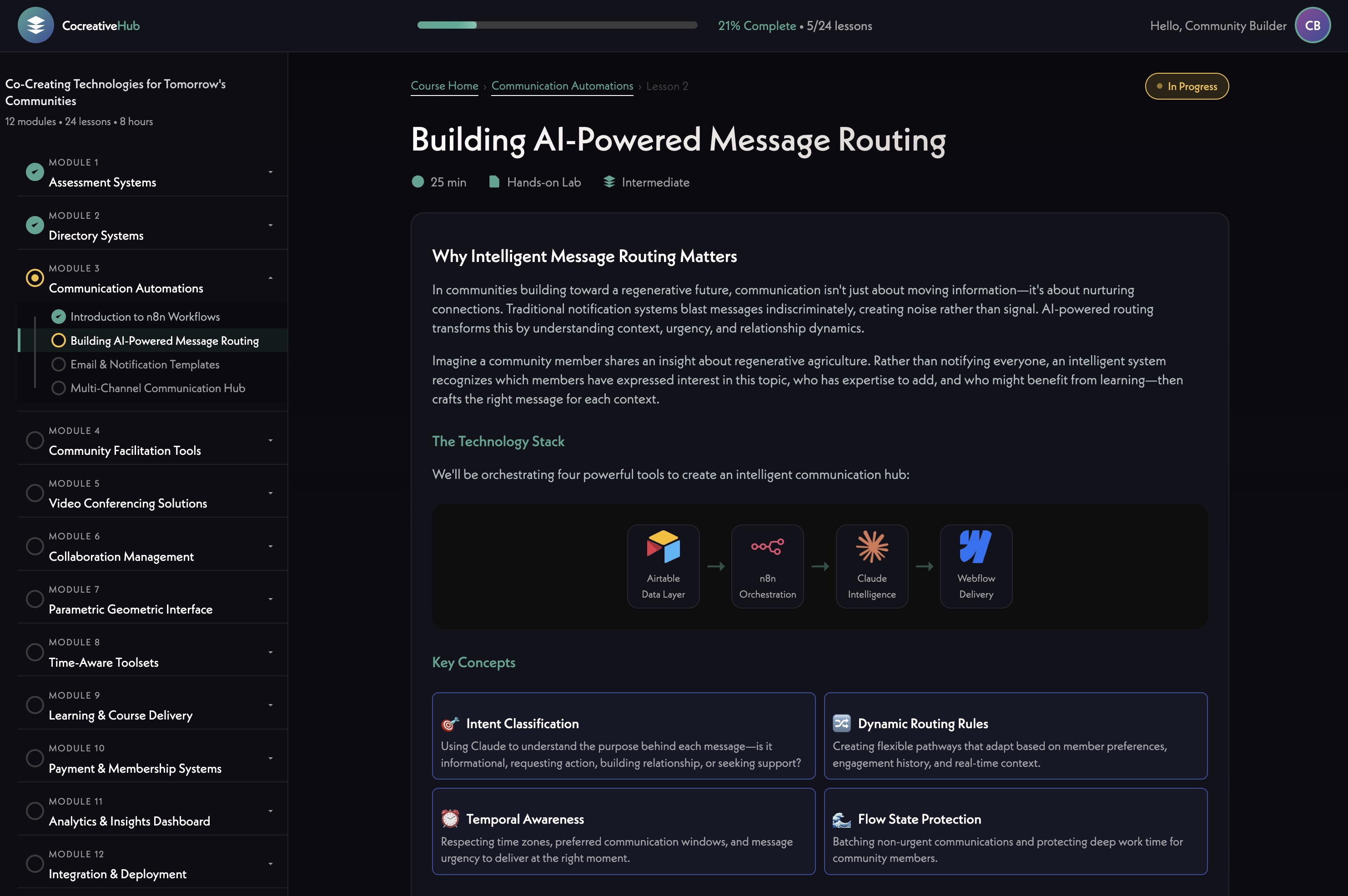
James also introduced Airtable [tag="airtable"] as a backend content management layer, synced to Webflow via Whalesync [tag="whalesync"] — allowing Jan and Zachary to manage CMS content (publications, events, people) from a more intuitive spreadsheet-style interface rather than needing to go into the Webflow designer. An n8n [tag="n8n"] automation layer was mentioned as part of IRIS's own internal workflow, illustrating how content pipelines can be structured if more automation becomes relevant later.
Jan asked directly about how much technical knowledge would be required to maintain the site post-launch (34:21). James reassured him that a single recorded walkthrough call at the end of the project would be sufficient for day-to-day management.
[technology="CRM System Templates"]
[technology="Communication Automations"]
James outlined the collaboration flow:
James flagged that he'll be heads-down on a large event app build for a Portugal conference over the next six weeks, followed by a honeymoon in the Azores through mid-June (38:10). A realistic July launch target was agreed upon, and Jan confirmed there's no urgent deadline pressure — quality matters more than speed.
Jan asked whether the content document needs to be tightened before the process begins. James's advice: keep it loose for now (46:15). The early phase is about collecting more input than will ultimately be used, not editing down prematurely.
---
James Redenbaugh
Jan Pfister
Zachary Sherman
Jan Pfister opened by describing how the Pro-Social Market Economy concept has matured significantly over the past few years, with research now far enough along to warrant making something tangible and publicly accessible (01:57). The website's core purpose is to serve as an informational hub — something Jan can point executives, researchers, practitioners, and policymakers toward when explaining the paradigm. As Jan put it, the goal is a place where anyone unclear on the concept can go and immediately understand what this paradigm shift actually means.
A key distinction Jan emphasized is that this project, while closely related to Pro Social World, is distinctly focused: the central argument is that economic performance emerges from relational quality, not individual optimization (05:30). The Core Design Principles (CDPs), adapted here as relational diagnostics, are the conceptual backbone. The site needs to feel credible and compelling to business leaders — not like a manifesto or sustainability evangelism — so that a practitioner lands on it and thinks "this actually improves my organization's performance" rather than feeling preached at.
Zachary Sherman, Jan's PhD student and collaborator, is actively involved in both the conceptual framing and the website planning process.
James immediately zeroed in on the challenge of visually translating these ideas — hitting both sides of the brain simultaneously (09:48). The discussion surfaced a compelling framing device: contrasting the old paradigm (individual optimization leading to systemic dysfunction) with the new paradigm (relational management enabling sustainable performance). Jan and Zachary had already been thinking along these lines — illustrating two possible futures, one where the current trajectory leads to deterioration, and one where a shift in thinking opens a different path.
Jan offered a vivid metaphor for this: the idea that we may currently be operating as if the world is flat when it's actually round — all the dysfunction and crises we see are symptoms of a fundamental misunderstanding of how performance actually works (16:10). James noted that this kind of dual-track communication — emotionally resonant and intellectually rigorous — is deeply aligned with IRIS's experience working with collective-focused organizations.
On the visual side, specific diagrams and illustrations for the CDPs don't yet exist and will need to be developed as part of this engagement. Jan confirmed they have some visuals from studies but nothing purpose-built for communication (07:43).
The current plan envisions roughly eight pages: Home, Explore the Paradigm, Research and Resources, Practice and Policy, People, News and Events, Get Involved, and Evaluation and Tools. Zachary noted that the planning document already maps specific audiences to each page — a detail that will make the design process considerably smoother (13:47).
Key structural thinking includes:
[technology="Directory Systems"]
James walked through three proposal tiers from the original June 2025 proposal (17:54):
James noted that IRIS's current minimum has shifted to the €7–8k range, but given Jan and Zachary's existing clarity and content preparation, the €5,500 budget remains workable (50:00). He committed to sending a revised, tailored brief reflecting this conversation rather than the generic options from before.
The site will be built in Webflow [tag="webflow"], which James described as essentially maintenance-free once live — no plugin updates, no hosting dependencies, just a running site (28:00). Hosting at the CMS tier runs approximately €29/month.
James also introduced Airtable [tag="airtable"] as a backend content management layer, synced to Webflow via Whalesync [tag="whalesync"] — allowing Jan and Zachary to manage CMS content (publications, events, people) from a more intuitive spreadsheet-style interface rather than needing to go into the Webflow designer. An n8n [tag="n8n"] automation layer was mentioned as part of IRIS's own internal workflow, illustrating how content pipelines can be structured if more automation becomes relevant later.
Jan asked directly about how much technical knowledge would be required to maintain the site post-launch (34:21). James reassured him that a single recorded walkthrough call at the end of the project would be sufficient for day-to-day management.
[technology="CRM System Templates"]
[technology="Communication Automations"]
James outlined the collaboration flow:
James flagged that he'll be heads-down on a large event app build for a Portugal conference over the next six weeks, followed by a honeymoon in the Azores through mid-June (38:10). A realistic July launch target was agreed upon, and Jan confirmed there's no urgent deadline pressure — quality matters more than speed.
Jan asked whether the content document needs to be tightened before the process begins. James's advice: keep it loose for now (46:15). The early phase is about collecting more input than will ultimately be used, not editing down prematurely.
---
James Redenbaugh
Jan Pfister
Zachary Sherman
Send revised tailored proposal with two clearly defined budget options based on discovery call
Proposal should reflect two options (~€5,500 streamlined and ~€7,000 core journey) tailored to Jan's existing content document and this conversation rather than the generic June 2025 proposal tiers. Timestamp: 50:57
Review Jan's content document and prior discovery notes to identify which brand questionnaire questions are already answered
Goal is to avoid redundant questioning in vision sessions by mapping what's already known from Jan's existing documentation against the brand questionnaire. Timestamp: 47:30
Schedule first 90-minute vision session once brief is agreed upon and timeline clears post-mid-June
James is heads-down on a large event app build and honeymoon through mid-June. Vision sessions should begin after mid-June with a July launch target in mind. Timestamp: 46:48
Review updated proposal from James and confirm preferred budget option and direction
Jan to review the revised tailored brief once received from James and confirm which option to proceed with. Timestamp: 51:13
Continue developing the content document organically without over-tightening before process begins
James advised keeping the content document loose for now — the early phase is about collecting more input than will ultimately be used, not premature editing. Timestamp: 44:51
Share article 'Rethinking Collective Performance: A New Economic Paradigm' from Pro Social World with James for background context
Jan referenced this article during the conceptual communication discussion. Sharing it will help James understand the paradigm framing before vision sessions begin. Timestamp: 15:11
Design and develop an 8-page informational website for the Pro-Social Market Economy paradigm. Site serves as credible resource for executives, researchers, practitioners, and policymakers explaining how economic performance emerges from relational quality. Core structure includes: Home (paradigm hub), Explore the Paradigm (interactive overview), Research and Resources (CMS-driven publications), Practice and Policy (CDP diagnostics for practitioners), People, News and Events, Get Involved, and Evaluation and Tools. Built in Webflow with Airtable backend synced via Whalesync for easy content management. Emphasis on dual-track communication - emotionally resonant and intellectually rigorous - contrasting old paradigm (individual optimization) vs new paradigm (relational management). Visual development needed for CDP diagrams and illustrations.
Develop brand identity for Pro-Social Market Economy including visual language, typography, color palette, and aesthetic direction that balances credibility for business executives with accessibility for broader audiences. Process includes brand questionnaire exploration (adapted from Jan's existing doc), metaphor development, philosophical stream mapping, and creation of visual precedents. Must communicate paradigm shift from individual optimization to relational management while feeling credible rather than evangelical. Brand foundations will inform website design and future materials.
00:00:01
James Redenbaugh: This meeting is being recorded. Hello. Hi. Jan. Hi.
00:00:32
Jan Pfister: Good to see you.
00:00:33
James Redenbaugh: James, good to see you. Good to meet you. Zachary.
00:00:37
Jan Pfister: Yeah, good to meet you too.
00:00:39
James Redenbaugh: Sorry for the delay here. How are you guys?
00:00:43
Jan Pfister: Yeah, not too bad, not too bad, not too bad.
00:00:46
Zachary Sherman: How about yourself?
00:00:48
James Redenbaugh: I'm doing well. Beautiful spring. Spring day over here in Philadelphia. Where are you, Zachary? You sound American.
00:00:58
Zachary Sherman: Yeah, I am American, but I'm in Helsinki right now.
00:01:01
James Redenbaugh: Okay.
00:01:03
Zachary Sherman: I actually, I'm from Harrisburg, so not too far away from Philly.
00:01:07
James Redenbaugh: Oh, yeah, very close.
00:01:08
Zachary Sherman: Yeah. Small world.
00:01:13
James Redenbaugh: And you're a PhD student?
00:01:17
Zachary Sherman: Yep. Yan's my supervisor, so that's how we're connected on this.
00:01:22
James Redenbaugh: Very cool. Well, Jan, I was happy to see you get back in touch and yeah, glad to reconnect to this project and see what you guys need. I had just a little bit of time to glance at the document you sent over. Looks clear. Thank you for that. But yeah, what's. What's been going on the last few months and how have, how have things been evolving?
00:01:57
Jan Pfister: Yeah, so, you know, since this whole project is not so old. Right. It just kind of has developed over the last few years. There was mainly the priority to get the studies forward and to develop the concept so that we really are sure what we are actually talking about. And now it feels it has clarified and things are on the way and now is a good time to. Yeah. To make something tangible and. Yeah, so this is a draft. We haven't, you know, we have worked a bit on it. There was something from last year and now a bit updated. It's of course, just as an input, as we wrote. We still need to sharpen this, I guess through the process. But yeah, we wanted to. What we have done basically as preparation is looked a few of your. Through your examples, you know, the other customers that you had looked a bit. What would kind of fit for us also have a bit of an idea how it should look and what it should be. But still we will. We look forward to your expertise in guiding, you know, the process and kind of see what we might be missing, what we want from it. At the moment it is kind of so that this home page should become, you know, a hub for kind of seeing like a Wikipedia understanding the concept and for anybody that is unclear. So like executives, when we teach or researchers or anybody, basically you can say, hey, look, go on that homepage there you see more what it actually is. Since it's a paradigm shift, it is always a bit tricky, you know that people immediately get it, think it's kind of Just a different theory or a different lens. But we want to have a homepage where you kind of get clarity on what this paradigm shift means. So that's one thing. And then of course with that, that the, the resources are there for the different parties. And then it's also a starting point to develop more so, you know, develop research conferences or events, maybe small community to start with and for practitioners that they get some, some idea what this means in practice. Kind of, you know, having like a base on which we can build up over the next years. Because I, I mean I have now don't know how many people, but I think around 20 people, researchers from different areas that work on this. So it's building, building up and, and the homepage should facilitate this.
00:04:56
James Redenbaugh: Mm, cool.
00:04:59
Jan Pfister: And maybe one more thing, but we also thought about, I mean you, you know, pro social world and you know, all the, you know, other home pages. So I think maybe that's good for you to see the difference in them, that sense. I mean we are kind of, of course very closely connected pro social, as David is a colleague and. But that's more broader, right? This kind of pro social world. And we are really focused. The main purpose that we have is to make it clear that this pro social approach leads to economic. Is a different form of understanding economic performance. So that we think economic performance comes from individuals optimizing and what we say is performance comes from relations in sense of. You need to manage relationship. And the diagnostics, the CDPs help actually to diagnose them. And what we see in studies in the private and public sector, often it's undermined through the way we have been managing organizations. So I mean, just to give you a bit of an input. And that means it needs to be approachable to business people. So it needs to be as this clear, you know, that it doesn't look like some hippie page or some evangelists or some manifesto or some. Oh yeah, now we need to be sustainable. It needs to be inviting for a business person to see, oh wow, this is actually really improving the performance of my organization. And by the way, I become also more pro social and more sustainable in it. You know, that's. So we want to attract this kind of thinking and people and we want to also attract of course researchers. And they are a bit different. Right, because. So that's why the page needs probably to have this interface where research goes there, practitioner goes there, policymaker goes somewhere else maybe.
00:06:56
James Redenbaugh: Yeah, great. Awesome. My mind goes immediately to how to visually communicate these concepts in ways that make them Easier for folks to understand them and get excited about them. And I'm curious if you already have diagrams, illustrations, imagery to accompany what I'm sure you have, which is lots of writing and articulation. But do you have any, any visuals yet?
00:07:43
Jan Pfister: I mean, we have, let me think. So we have some visuals from studies, but we haven't really focused, you know, on besides a bit of executive teaching to communicate it this way. So I guess that's part of also what we need to do with you probably we have a bit been thinking as Zach and I discussed, so that kind of. We want to maybe illustrate this, you know, kind of two options that the world gets quite dark or a world has to kind of survive and move on. And to move on we need to change because otherwise it's not, it's not sustainable. How, how markets and companies work right now. And maybe an element of the page could be without kind of sounding, you know, again too, too extreme so that it looks like some religious thing. So it should be very convincing in that sense. But maybe there's a contrast that can be shown. You know, if we go this way, old paradigm, it's not going to go well. So we will have pollution, we will have catastrophes. If we kind of change behavior, we can get it differently. That makes sense like visually. And then of course you, I think you speak of diagrams or kind of some visuals for the, for what, what it means. Right. So the core is kind of similar as with, is the CD are the CDPs and we have adapted the CDPs a bit. You're familiar with the CDPs, right? From Pro Social maybe? Yeah. These core design principles and I guess how we adapted them is we see them as relational diagnostics. So you know, you have a shared purpose and then you self regulate as a group what needs to be in place. Yeah, no we haven't. Specific diagrams.
00:09:46
Zachary Sherman: Yeah.
00:09:46
Jan Pfister: Need to do them.
00:09:48
James Redenbaugh: Yeah, it'll be great to illustrate for the user. What this paradigm can look like in different ways, both emotionally but also logically. What does the current system look like if we were to dramatically simplify it and map it out. And what does this relational, relational property system look like if, if, if we were to map it out and so that we can help the user make a little shift in their own paradigm. No matter where they are on the spectrum, whether they're already kind of interested and committed and developed and then we want them to go a little further and if they're totally new to this, then we want them to take a, you know, a little Step forward and hitting both sides of the brain is really critical to that with the, with the right words and the right visuals to help wrap minds around it. So that'll be a fun process to explore. There's lots of ways to go about that. And all I do these days is work with group focused organizations. So have a lot of experience at this point. My team does too at, at working with things that are focused on the collective over the individual. Of course, transcending and including the individual, but looking at how we can look differently at our collective selves because we're very much getting, getting to know that. As you know, we've had too much time focused on the individual everything. And I think actually I can, can play a key role in getting to know ourselves as, as collectives better.
00:12:07
Jan Pfister: If.
00:12:07
James Redenbaugh: We use it right. Or it can be a tool for creating silos around ourselves to stay disconnected from everything. So. So yeah, excited to get into, into all of that with you. And it looks like you're thinking about eight pages home exploring the paradigm, Research and Resources, Practice and Policy, People, news and events, get involved, evaluation and tools. It seems like Research and Resources would be largely a CMS page organizing research and resources that you would add over time. Practice and Policy. What can you tell me about that page?
00:13:08
Jan Pfister: Yeah, Practice and Policy that's essentially illustrating this, the paradigm shift in a way for practitioners. So kind of what does it mean? And again, that would mean to show these CDPs really how, how can you use them in an organization? And it would be more like indicative. So kind of on the, on a, you know, on a broad level showing what this is. And then of course there could be more discussion. If so let's say a practitioner can inform themselves, but also if they want more, they can reach out in that sense.
00:13:45
James Redenbaugh: Cool.
00:13:45
Jan Pfister: And, and I think I, I think.
00:13:47
Zachary Sherman: You can see also in, in the notes too, if you look at the page by page design, you can kind of see our thoughts on what the audiences would be for each webpage. I mean again, that's kind of up to you and the design and, and what later what we feel is right. But this is kind of what we're thinking already. So you can see with, explore the paradigm you have, you know, all the audiences that we're trying to reach. But perhaps within that page there might be options to click on, you know, something that would fit more for you. So it kind of changes the page a little bit for you, interactive in that way. And then you have a page, for instance, like Research and Resources, which is More geared towards academics. So like you're saying how you have the publications that can then be updated, that type of thing. Um, but that's just what we're thinking. We're open to, you know, designing it. However, if you have some advice on this, what you think would work. But we, we did make just a few notes about the specific audience of those pages as well.
00:14:56
James Redenbaugh: Great. Yeah. Super detailed. There's so much, so much here. It makes my job easy.
00:15:11
Jan Pfister: And actually maybe one thing that could help you would. There is this reference to this article on pro social world rethinking collective performance a new economic paradigm. I think if you, if you have a look at that, it's quite a short piece, but I think that kind of gives you a good idea of what we are trying to do.
00:15:33
James Redenbaugh: Great.
00:15:37
Jan Pfister: And I think maybe one more thing to say also is so paradigm shift in the sense of one is if in so many areas the collective performance doesn't work. It means, you know, maybe we are in the flat world. So things don't work because we think the world is flat while it's actually round. So meaning all these problems that we see all over indicate that something is maybe different than we think it it is. And kind of just for you, you know, to that we can somehow illustrate this or visualize this or whichever. And when you of course then start changing. Okay. So performance is actually not from the individual. But when I start thinking how I perform, I can only perform with other people, through other people, for other people. So it is impossible to do anything in the world. You know, I have been think you wouldn't even here be here without your parents. Right. So there's impossible to do anything essentially without others and kind of bringing this through. And that makes for as a business leader it's clear. So you need to make sure in your organization that the relations work and with this with all stakeholders and shareholders and the systems obviously undermine that by competition and you know, rewards and how it's designed. Not that competition is bad, but the way competition is practiced. So kind of showing that, you know, why do we have all these problems? Obviously there are too many we need to rethink and maybe we already act this way to a large extent. We just don't know why we act that way, how it's actually working.
00:17:21
James Redenbaugh: Great. Awesome. So I sent you this proposal back in June of 2025 ages ago. Now I want to revisit that with this updated information. But I'm curious if you've. Have you had a look at back at that recently. And do you have any thoughts on that?
00:17:54
Jan Pfister: Actually, I didn't, but I remember there were two options, right. There was kind of an extensive version and then there was a bit tighter version. Was it like this, that were different? So one was more expensive for a longer time and the other one was a bit shorter, remember?
00:18:12
James Redenbaugh: Yes, yes. There's actually three different versions. The full, full journey, expanded version, the, the core and then there was also this kind of MVP streamlined approach, more designed at getting something up super quick. But yeah, do you have any, I'm curious about your, your current thoughts on timeline and budget.
00:18:51
Jan Pfister: Yeah. So maybe if you could, could remind again the difference between the first and the second approach. I think the, the third is. Yeah, I mean, just hearing again, what's, what's the difference kind of.
00:19:09
James Redenbaugh: So between these two. Basically I could describe the result at, at 7,000. It's, it's largely about getting a solid start of this website. We can achieve the goals. It can feel modern, it can feel authentic to the project. We can do all those pages but we don't have a lot of time and energy to go deep into any one thing or really articulate something extra beautifully when we have more space in a budget. Some of the greatest things that can come out of that are opportunities to spend like an entire day or two on a single animation or, or diagram or interaction or you know, really take extra time to make the homepage something special and unforgettable. It's not, there's not clear technical differences. Like I don't like to say like we can do five pages at this price, but eight pages of this other price because if we've done a few pages really well, it's easy to create more of those pages if they're going to be a similar style and feeling. And so sometimes a one page website is harder to build than a ten page website. So it's largely about the time that we can take to dig into things, to sit with things, to prioritize things to, to use more of our advanced team time. We have advanced team members that I pay a lot for their expertise and we have more junior team members that are more affordable. And yeah, we can take, you know, more creative sessions where we play with more concepts. If you're familiar with Theory U Process, we take more time in the beginning to expand and stay in the unknown, collect inputs and resources and inspiration and sit with that until a clear path emerges. With the smaller option, it's more about finding the, the most efficient path forward. Does that give a sense of Things.
00:22:20
Jan Pfister: Yeah, actually what I had in, in in mind from our last discussion I think was the first version. So the, the third one of 11,000 is, I think was, is new to me. So I had kind of these two in mind and I had kind of in mind that the 7,000 would be the more extensive maybe. Did you change this in the meantime? Can it be last time that the, the core journey was kind of the more extensive or. That's, that's how I remember it from the, from discussion. So I have kind of in mind that the shorter version, which is this 5,000.
00:23:00
James Redenbaugh: Yes. So sorry. The first option here would be even more streamlined than what I was just speaking to here. It's very much the minimum. We want to focus on getting this up. We can do like three unique page designs, three unique graphic assets, but not, not take a lot of time to iterate them and sit with them. And there's ways that we can accelerate our progress with AI as well. So we're not fully generating websites, but I will fully generate the website as an initial, as an initial stage for us to see things and look at things. So I can take your content doc, work it into my Claude and processes so that next time we meet we can see a working version of your website, which in theory you could use as your website. Wouldn't recommend it, there's limitations to it, but it's definitely a helpful tool to immediately see things visually and in context and play with things there. And so with the MVP streamlined approach, we'd lean more into that to start, start seeing things quickly and then, you know, moving those initial prototypes into figma, working out the designs and then building it in, in webflow and utilizing a, A framework that we have that we've adapted from something called mast. It's kind of basically we've built the, the backbone of a solid website in webflow with lots of predefined variables and classes and structural components that we can fully customize. But it helps us build websites a lot more efficiently. We're not reinventing the wheel, we're not starting from complete scratch. We'll use that, of course, alter the variables and the styles and everything and use those tools. We have to create things like clean sections and grids and cards and layouts that we can of course customize and tweak to meet your needs. So up here it's more working with building blocks and systems that we've evolved over the years. Down here it's more anything's possible and things can come alive and we can animate them and. And of course it's not bad to start in one place and revisit it later. And for context, the pro social world website, you know, that was in a whole other tier. I forget exactly how much that was overall, but we've done two different versions of that and I think each version was at least 20,000, 30,000. But that's a giant website with lots of different parts and. Whole magazine and multiple brands and animation and interaction and things like that.
00:27:29
Jan Pfister: Yeah, how is it actually, and I think we talked about this last time, so the. Once it's set up, the maintenance of it, how does that work?
00:27:40
James Redenbaugh: Yeah, great question. So maintenance, how we used to think about it with things like WordPress for example. WordPress had to be constantly maintained and updated and themes and plugins and PHP and hosting. Webflow has none of that. If we build your website today and you like it and you launch it, we could come back probably 10 years if AI hasn't completely reshaped the Internet and your website would still be as it was running. There's nothing needed to do to keep it going. It's kind of like an electric car or how electric cars were supposed to be. There's not. You don't need to do an oil change every 5,000 miles or whatever. But in terms of updating content and adding things, that is very easy. And also with our new tool set, we make it easy to create new pages and new content. So if you want to create something custom yourself using blocks that we've already built, that's pretty straightforward. Editing text, swapping out images, adding new post resources, events, things like that is very simple. Very simple as well. Here I'm in the designer, which you could use on your own webflow account. You guys can also use what they call the builder, which is it used to let me switch to the.
00:29:41
Jan Pfister: How does it work? So would we need to have this program or do we get through.
00:29:48
James Redenbaugh: That?
00:29:48
Jan Pfister: It is built through you. We get kind of access to this to maintain it and to change pages and to update or how does that work?
00:29:58
James Redenbaugh: It depends on what you. What you want to do. But often clients have their own webflow account and I can get in there if I need to, or clients stay on my webflow account and they want to use the basic editor. The basic editor basically lets you manage the content management system, update posts, edit text, use simple building tools. And the designer has everything that we use to design the website and build it in webflow. And so it's up to you which path it doesn't really matter to me if it's on my webflow account. I just send an invoice for what I pay for hosting, which is, I can tell you right now. What you would need is the CMS level. It's like €29amonth or less if you pay yearly. And we also often use something called Whale Sync to sync the back end content management system with airtable so that you can use airtable to have faster, better control over your content management items. So are you familiar with airtable?
00:32:01
Jan Pfister: No.
00:32:04
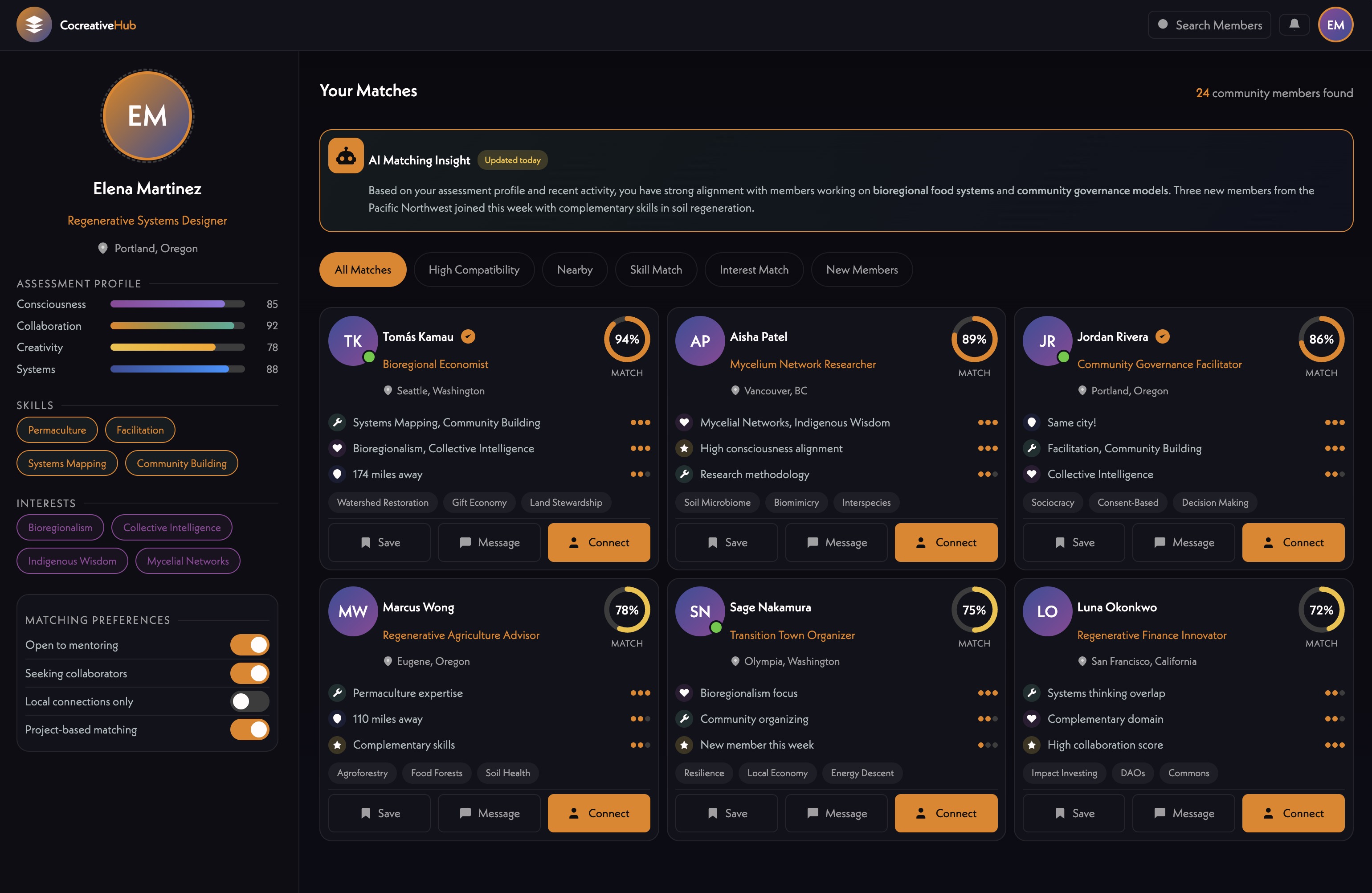
James Redenbaugh: It's kind of like a big Google sheet. I'll show you real quick just so you can get a sense of things. So this is my back end of my website. I have. I don't know why it's not showing anything here. Here we go. So I have all these people and different engagements and artifacts from meetings. This is just for one project and initiatives. There's tons of different things that I track in airtable and then it's all synced. Immediately with my webflow website. So I use an N8N automation after a meeting with a client to create these detailed summaries and assign action items and organize our project management system. And that automatically populates stuff into our airtable and then that is synced with our webflow, It gets updated automatically and it's kind of like airtable. Is this stepping stone for bigger integrations? And if I want to edit this artifact real quickly or edit this engagement piece, it's easier to hop into airtable where I can do, you know, edit lots of things at once or pop into things here or create animations than it is to do that in webflow. Although it is still it's very possible to just do that in webflow and not, not have anything too fancy. That makes sense.
00:34:21
Jan Pfister: Yeah. I guess what I'm kind of thinking, just once this website is there, you know, how much knowledge do I need to have or do we need to have to kind of maintain this? Or it looks, at least when you're not familiar with it, it looks kind of. You need to know a bit what's going on. So, yeah, that's kind of the. Well, I mean, do we kind of. Do you instruct along the way how this all works or do we need to have a course separately or how does it go?
00:34:54
James Redenbaugh: Yeah, it usually just takes one call at the end of the process where I walk you through things and record that so you can go back through it if you need to. But you, you're a smart guy. You should be able to wrap your head around it pretty, pretty easily. And most of the stuff you're going to be doing is probably pretty simple. If you want to do something more complicated in the future, we're always here to help you with that.
00:35:27
Zachary Sherman: Okay.
00:35:29
Jan Pfister: And, you know, I was. Was just thinking, so, I mean, this, this document, of course, there's a lot of text and things are not, you know, well formulated yet how it should be, I guess, you know, to, to make it. I mean, partially is. Partially is not. So before we start the process, so should we kind of optimize this document to the, to the best or how. How would that go? And how is the process if we, if we, you know, go with these options either? I think. Yeah, one or two, I guess, for kind of. Since it's, I guess, still quite a simple page in this moment. But we want to have a great page. Yes, that's no question.
00:36:11
James Redenbaugh: Yeah.
00:36:12
Zachary Sherman: And you did say that you could start with one package and then upgrade to a different level. Did you say something like that?
00:36:22
James Redenbaugh: Yeah, it's. It's not the most efficient way to do that, The most efficient path, but totally reasonable to start somewhere and then say, a year from now, you want to really upgrade everything to the next level. We can do that. What we miss out on is the, the process in the beginning of really starting from nothing and being in the unknown. But, you know, every project requires different, different things, and I like to be as adaptable to needs as possible. I'm curious about your timing needs when you, when you need this up by. Is there a. A clear date for that for you guys?
00:37:26
Jan Pfister: There is not an immediate rush. It kind of, it should be, you know, well, running, I mean, so that we have what we, what we want and at that moment. So it's not like in the next two weeks, it's. It's okay to take a little bit time for it. Cool.
00:37:47
James Redenbaugh: For me, I'm. We can, we can start whenever,.
00:37:56
Jan Pfister: But.
00:37:56
James Redenbaugh: I'm going to be busy the next six weeks leading up to an event in Portugal that I'm building a big app for, a big social app. And. And then I'm doing my honeymoon, finally. I got married last September, and we're going to the Azores for two weeks after that until like mid June. And I'll have time to begin conversations, get designers working on things, things like that. But. But I know after that point, I'll have a lot more time where I can focus on getting things polished and pushing things across the line. So realistic timeline on our end would be looking at a July launch date, if that works for you guys.
00:39:04
Jan Pfister: Yeah, I think that that's. I think it needs bit time, you know, to. To think what is actually needed on this page and what do we want and that the maintenance at the beginning is kind of low or, you know, we don't want to yet create this big community or whatever. Maybe later we want. So. So to keep it all open and to. To have it set up so that it really holds for. For a while. Yeah, no, perfect in that sense.
00:39:32
James Redenbaugh: Timing. Cool. Great.
00:39:36
Jan Pfister: Yeah. And. And how. Yeah, so. So it would work. We have few calls and go through contents or how. How would it work?
00:39:48
James Redenbaugh: Yeah, so we start with what I call vision sessions. Usually I send a brand guideline questionnaire. You've already answered lots of questions in. In this document, so I would actually take that and take. My notes I have from our initial calls last year and see what, you know, what questions do I already have answered and what questions still need answering. And a lot of them are more philosophical and inspirational. Trying to get at where can we draw inspiration for the aesthetics. And it's. This project is, in a way, you know, impersonal and professional. It doesn't matter too much, you know, what your favorite painter is, but in another way it is professional. It is personal and relational. And I do want to know about your. Your personal aesthetic preferences and inspirations to see, to. To get in touch with the. The lifeblood and emotion behind this project, to see where little bits of inspiration might come in. If there's some, you know, river stones or a fjord or, you know, Kandinsky or something that might be unexpected, that could come into play as a metaphor or a source of inspiration for graphics or literal imagery? You know, like what. What metaphors could we. Could we play with? And what philosophical streams are we drawing from? So initial conversations are. Are creative like that, where we're collecting input and reflecting on that and then starting to look at precedence together. Both, you know, websites that I've done, other websites that are out there that, that you resonate with, you've collected some in this document already. But then also other points of design inspiration to get quick hits. Let's look at these shapes together. Let's look at these textures. Do we want it to be, you know, clean white, modern design, or off white? Or do we want it to have a subtle texture to it or a glow? You know, we can look at that and look at colors, of course, as well, typography, patterns, things like that. And in those initial conversations, we're developing this palette, this set of Ingredients that will then start to play with, in the, in the design. So after those initial sessions, we'll go off and take some time with one or two of, you know, myself and one or two other designers to start designing the website in, in Figma, looking at things together. We'll often use early prototyping tools as well to just cool quickly see things in context, which can also be really helpful for you guys, polishing your content and making sure you're clear on what, what, what words go where, you know and what, what's the, the structure of the website. And I could help of course with, with that a lot of. But it seems like you're already deep in the thinking of that and that's great. And that frees us up more to focus on the things that we're great at, which is the visuals and the development. Then once we have things designed out in Figma, we won't design every pixel and every page. Especially in a more streamlined budget. We'll kind of get things to a point where we can see what the website wants to look like together and then we'll start building it out in webflow and evolve the final pieces of the design in context there and then we'll start to see it there together, have a few development reviews and push it live.
00:44:45
Jan Pfister: Yeah, that makes, makes much sense.
00:44:49
James Redenbaugh: Cool.
00:44:51
Jan Pfister: So, so on our side, basically it makes sense to, you know, think more, think more of this document, I guess, what to sharpen and what needs to be there. I guess that makes it all easier. Right? So on step by step basis. Yeah.
00:45:09
James Redenbaugh: Yeah.
00:45:10
Jan Pfister: Zach, do you have.
00:45:13
Zachary Sherman: Yeah, I mean, that sounds, it sounds good to me. I mean, I'm glad that this document's helpful for the creative process. I mean, like we've said many times, like this is just what we're thinking right now. So if you have other ideas, you know, we're all ears. But yeah, I guess we could, we could work on tightening this to make your job even easier.
00:45:37
James Redenbaugh: Great. In my mind, it, I would say play with it as much as is inspiring and helpful for you, but in the beginning of our process together, it doesn't actually need to be tight. It's more important that it's loose. You know, we want more input than we're gonna going to use. It's a, it's a collection stage and then we're going to throw out a lot of stuff in the process. So, you know, I wouldn't put too much energy into, into evolving this doc because we'll, we'll go through a process of tightening and refining in the, in the process and get really clear on, on copy and structure and use that.
00:46:36
Jan Pfister: So kind of. Yeah. So what, what would it mean to like having a weekly call or what's the process here?
00:46:48
James Redenbaugh: Yeah, when we start it's a weekly weekly call. The first couple at least are 90 minutes usually. And before that I'll send you an updated version of that brand questionnaire to, to see what, You know, what information we might need that's not in the doc. And, and then we'll iterate week after week. I'll have to take some time off for this conference and the, the honeymoon but that could be a good time to, to refine and, and also to have my people keep, keep working on things while I'm away. I'll be checking in with them and reachable. Just not doing a lot of work. So. Yeah.
00:48:02
Jan Pfister: Yeah. So in terms of the, the process. I understand. So the first version is kind of immediately set up with a lot of AI tools, so kind of quite automated. Second version is proper build up design. So kind of. I understand it. Right. That's like the more full version. So how do we need to decide about that? It's kind of from the outside perspective quite difficult to judge what it needs here. You know, I mean we want to have a, a really nicely good design page that is really inspiring to people.
00:48:44
James Redenbaugh: That's it.
00:48:44
Jan Pfister: On the other hand, it's quite in some sense still I guess a simple page. It's not like it's not a big organization here of 50,000 people behind it. So. Right. So kind of having that good. And we have of course limited budget as well, so. But yeah. So how you want to get something good here, what do you see here as the right way to go?
00:49:12
James Redenbaugh: Yeah, I think I should send you an updated brief and a simplified version of what I've sent you before based on our conversation today and the document that you sent me. Because. One, I don't like to do cookie cutter processes anymore. Every client project is different. You know, a different client could come to me with, with no document and no idea what they need on their website and I'm going to need to take a lot more time to work with them to figure that out. You guys are coming to me with a, a lot of clarity and content already. So that's great and we can take that into account. This year we've actually stopped, you know, mostly doing smaller projects. Our minimum is now more in the 78k range usually. But for, for you guys, given where we're at and what we're talking about and what you already have, we. We can still work with that €5,500 budget if that's what you guys want to go with. I will just lay out a. A clear some more clarity for you on what those two options could look like at. At this stage and. And how that could play out. So let me reflect on this a little bit and punch something up for you.
00:50:57
Jan Pfister: Yeah, that will be perfect. I think that's helpful. And yeah, no, we. And it's good to do it properly. So that's the idea.
00:51:12
James Redenbaugh: Cool.
00:51:13
Jan Pfister: So no, no immediate rush. Step by step. Great. Good. Yeah, I think that was really great to catch up on this and so that we just email and then agree on a next step and meeting.
00:51:36
James Redenbaugh: Yeah, sounds good. I will be in touch and looking forward to getting. Getting into this with you guys.
00:51:48
Zachary Sherman: Good. Yeah, I'm excited.
00:51:51
James Redenbaugh: Awesome. Have a great weekend.
00:51:54
Jan Pfister: Yeah, thanks. Bye.
00:51:57
James Redenbaugh: Take care. Ciao.
00:51:58
Zachary Sherman: Thanks so much.
00:51:59
James Redenbaugh: No problem.







.svg%20(1).png)


.png)