



Matt introduced Applied Mindfulness Training, an organization founded nearly 20 years ago by his late uncle Patton, who studied under Tibetan meditation master Chogyam Trungpa Rinpoche (01:20). The organization began as Tale of the Tiger, an educational nonprofit bringing non-sectarian mindfulness teachings to business professionals, lawyers, nurses, and teachers. After Patton's passing from lung cancer, Carol (Executive Director) and Andrew (President) stepped in to lead the organization. Matt recently joined as Vice President of Development, coinciding with securing larger donations that have enabled them to reassess their digital presence and strategic direction.
The organization is currently undergoing a larger strategic process while maintaining consistent monthly activities around blogs and podcasts. Recent funding has created an opportunity to modernize their 15-year-old WordPress website and position themselves for future growth.
The primary focus is giving the current website a modern look and feel while reorganizing existing content accumulated over 15 years (02:30). Key requirements include:
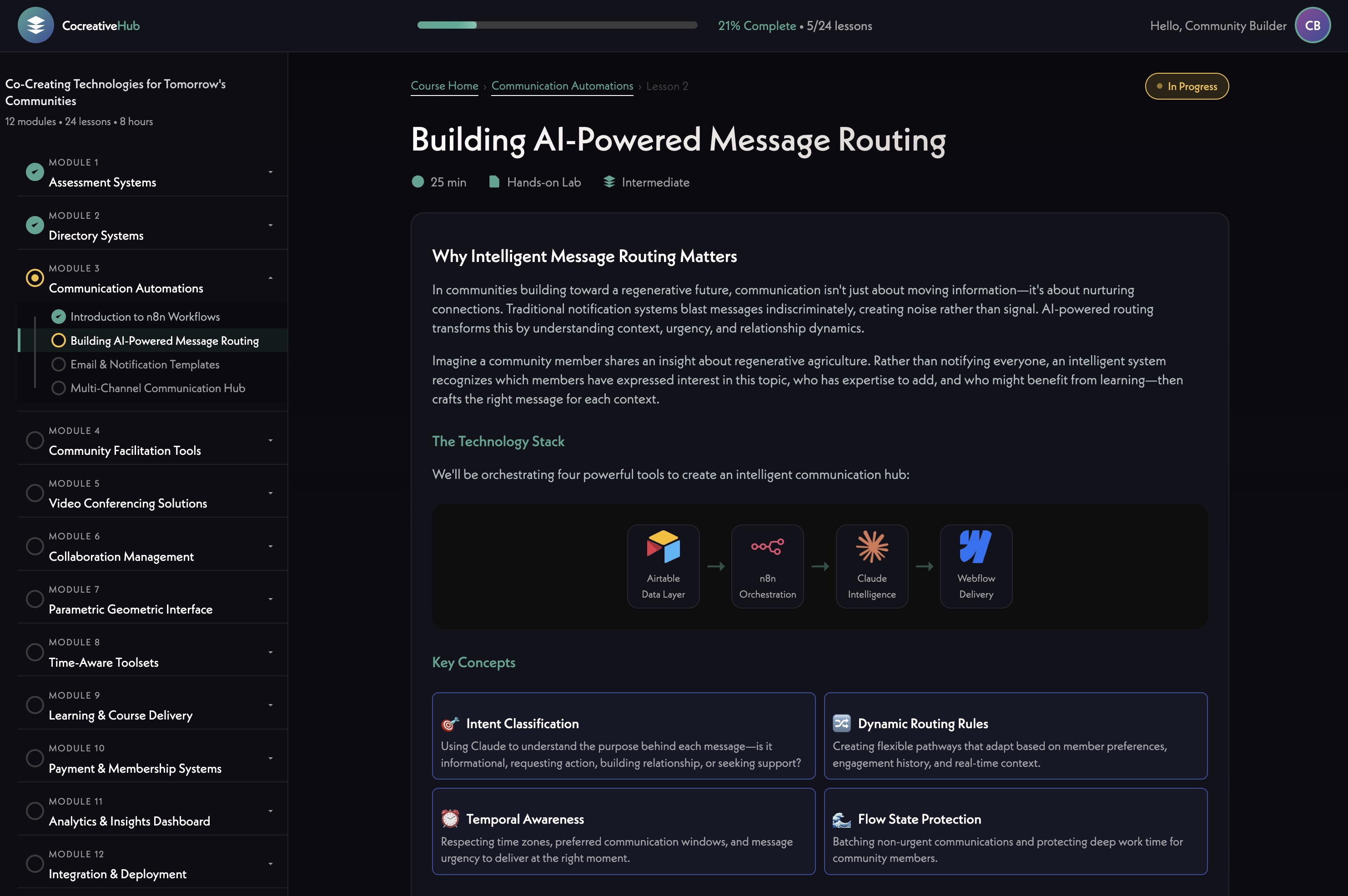
James suggested an automated response system that provides instant, content-based guidance while maintaining human follow-up (07:00). This approach offers immediate value by directing visitors to relevant resources without replacing personal connection.
[technology="Communication Automations"]
Future scalability considerations include e-commerce for merchandise sales and online learning platforms, making it essential to build on a foundation that supports growth (02:30).
James confirmed that IRIS Cocreative has fully transitioned to Webflow development, with WordPress sites requiring approximately 50% more budget while delivering only 70% of the custom design capability (14:11). Key advantages of Webflow include:
The migration eliminates the ongoing maintenance burden that WordPress requires, where sites deteriorate without constant attention (13:02). Optional support packages remain available for graphic creation, new features, or troubleshooting.
James shared IRIS Cocreative's technology module development work, emphasizing that custom solutions are becoming more accessible through their modular approach (16:04). The online learning platform currently in development will prototype at the end of January, significantly reducing costs for clients needing these capabilities compared to previous years.
[technology="Online Learning Platforms"]
Carol expressed strong interest in online class offerings as something Matt is particularly focused on, wanting to ensure the website build supports this capability when they're ready to launch—likely after Q1 (17:39). The modular architecture means these features can be added at any point without rebuilding foundational elements.
[technology="Custom Membership System"]
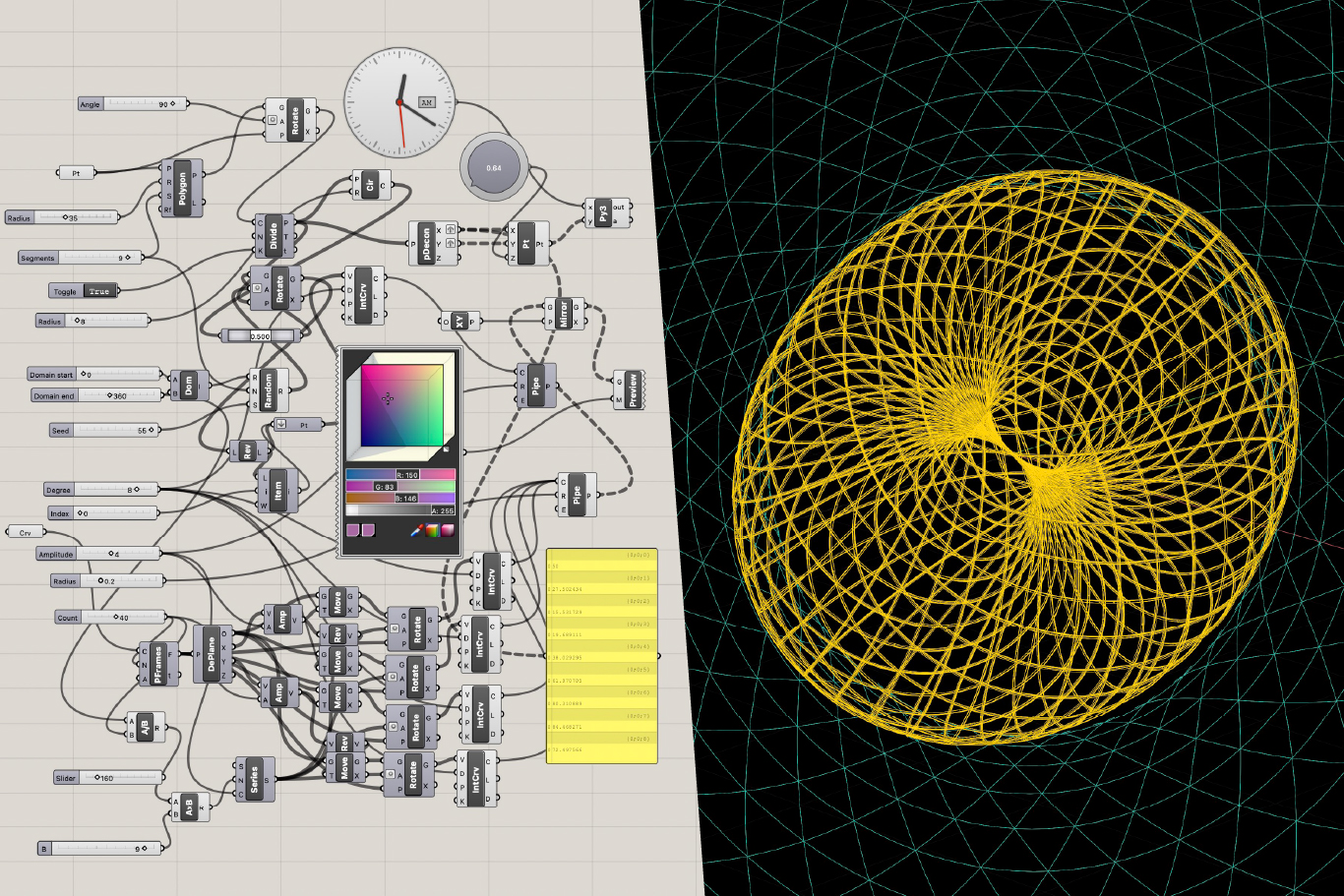
The membership solution provides authentication, personal user journeys, and purchase capabilities with full control over the experience—unlike third-party systems like Learndash, Member Stack, or Appsetta that IRIS previously had to integrate (18:00). All technology modules are designed to integrate with Webflow sites and with each other, creating a flexible ecosystem for growth.
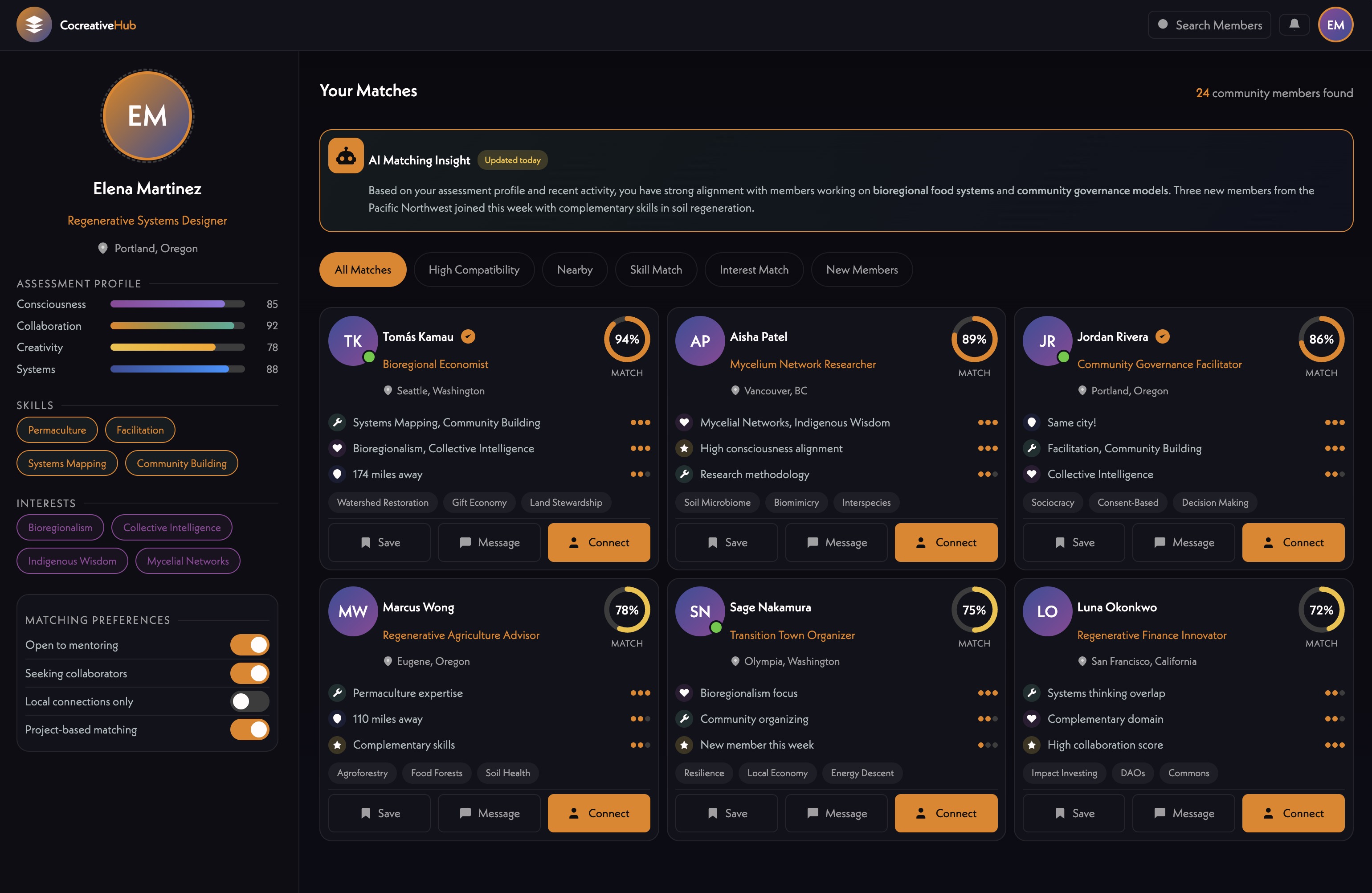
James also mentioned development work on communication automations, assessment systems, intelligent matching algorithms, and a custom video platform—all built specifically for Webflow integration (19:13).
Carol requested portfolio examples to envision potential directions (20:12). James emphasized starting from a blank canvas to create what's best for each client rather than using templates. He demonstrated several sites:
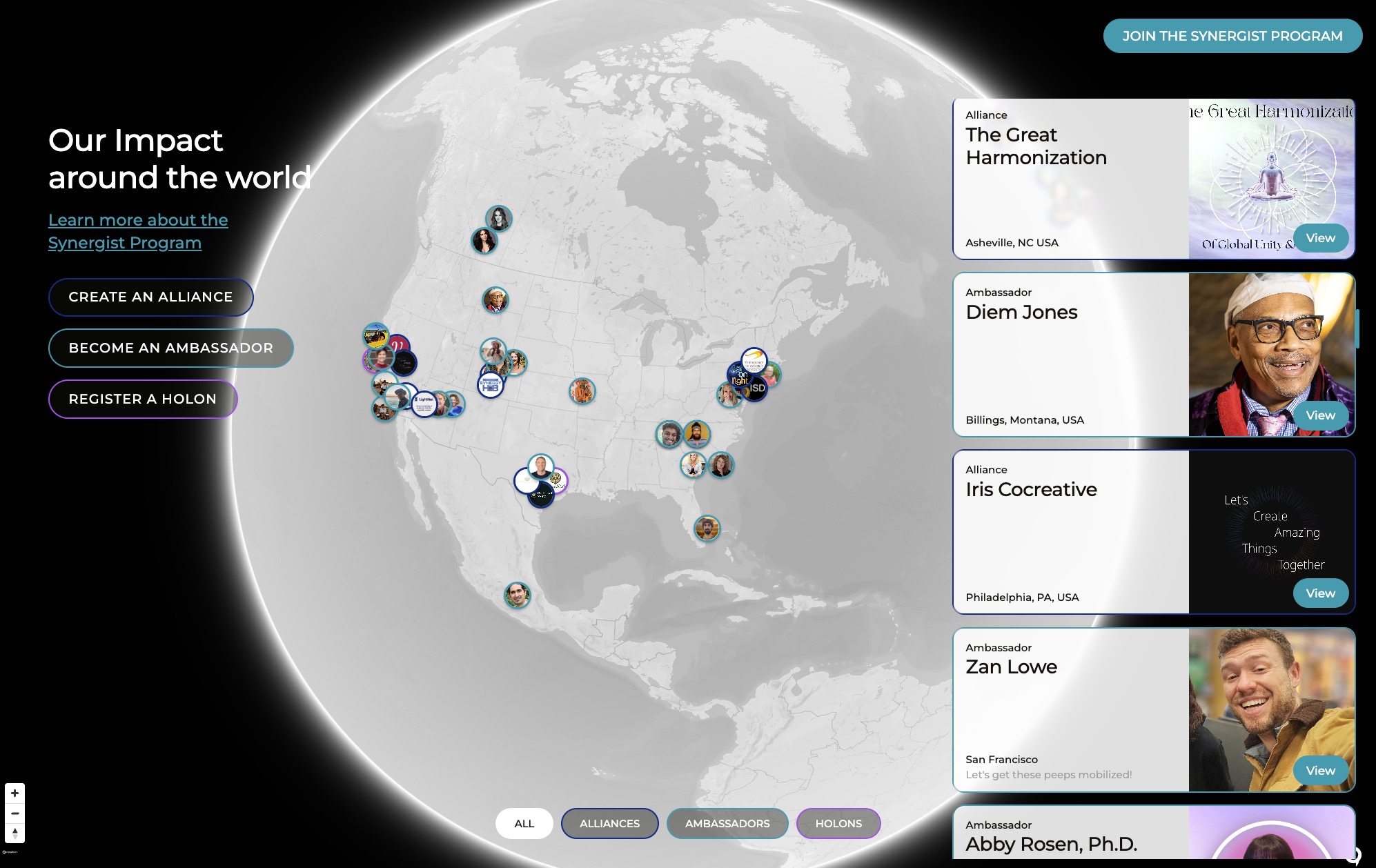
The Hollow Movement features a dynamic directory where people create profiles visible on a map, along with podcast integration (21:02).
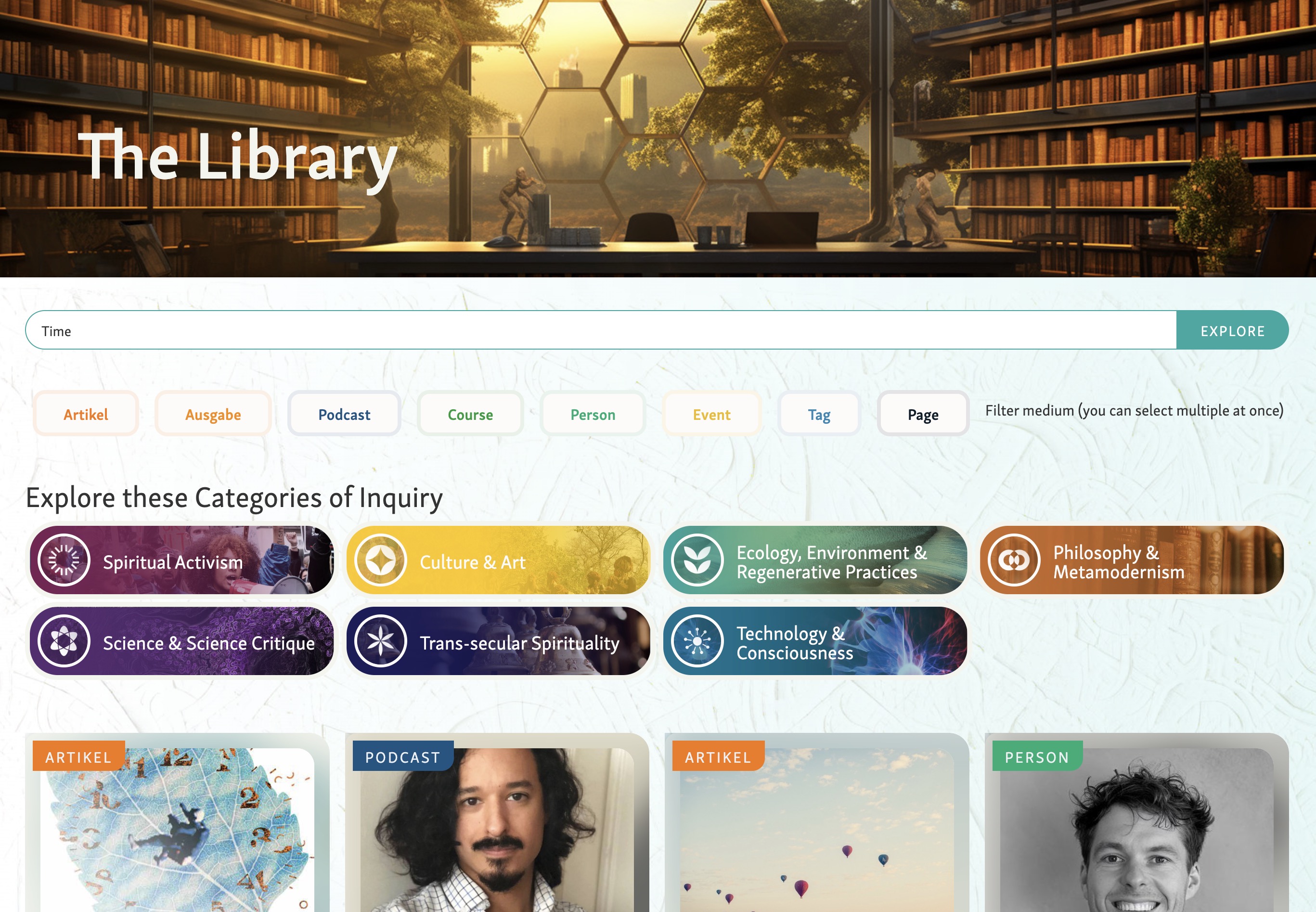
Evolve World showcases multiple content types with advanced search functionality allowing users to find content by keyword (like "Heidegger") across podcasts, articles, and tagged content (22:00). The site includes filtering by medium type and organized topic categories.
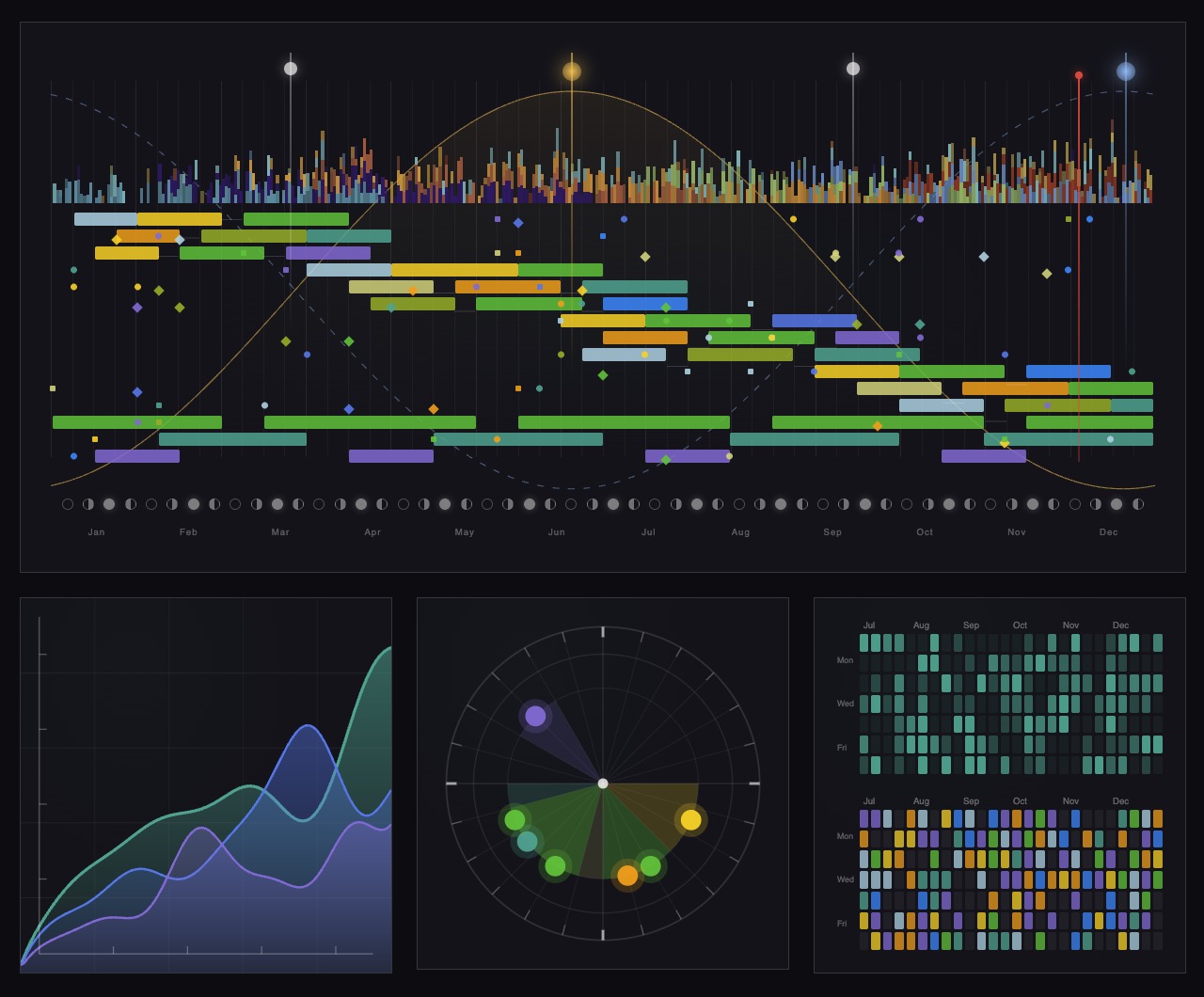
Pro Social World demonstrates a scientific organization's large magazine article database with category organization and frequent event management (22:57).
Carol responded positively to the portfolio quality while acknowledging it might exceed their current budget scope, describing it as "where we hope we'll be in a year or two" (23:32). She characterized the organization as "coming out of the incubator" after 15 years, still using their original website and taking baby steps with resource allocation.
The project budget sits at $8,000-$12,000, with James identifying $7,000-$8,000 as the baseline for thorough, beautiful work, assuming no complex CRM or advanced online learning features at launch (14:31). The $12,000 range would provide more iteration breathing room and custom features.
Matt clarified they're working at the baseline level currently and requested a proposal focused on what's achievable at $7,000-$8,000 (26:07).
The timeline targets starting in early January with launch by end of Q1—what James described as an "ideal timeline" from solstice to equinox (10:19). This quarter-length project allows sufficient time for iteration, building, and reflection without losing thread or momentum. The process moves from broad exploration and homework in early stages to honing and polishing near completion, followed by essential post-launch follow-up to gather user feedback and respond accordingly.
James emphasized building for growth even when starting small, noting that less is often more and avoiding overwhelming clients with too much at once (24:00). Everything is constructed to expand naturally as needs evolve and resources allow. Post-launch attention to user feedback and actual usage patterns is positioned as equally important as the build itself (11:22).
The proposal will be detailed enough to serve as the foundation for project design and tracking, ensuring all parties stay aligned throughout the journey (26:29).
James Redenbaugh
Matt
Applied Mindfulness Training Team
Matt introduced Applied Mindfulness Training, an organization founded nearly 20 years ago by his late uncle Patton, who studied under Tibetan meditation master Chogyam Trungpa Rinpoche (01:20). The organization began as Tale of the Tiger, an educational nonprofit bringing non-sectarian mindfulness teachings to business professionals, lawyers, nurses, and teachers. After Patton's passing from lung cancer, Carol (Executive Director) and Andrew (President) stepped in to lead the organization. Matt recently joined as Vice President of Development, coinciding with securing larger donations that have enabled them to reassess their digital presence and strategic direction.
The organization is currently undergoing a larger strategic process while maintaining consistent monthly activities around blogs and podcasts. Recent funding has created an opportunity to modernize their 15-year-old WordPress website and position themselves for future growth.
The primary focus is giving the current website a modern look and feel while reorganizing existing content accumulated over 15 years (02:30). Key requirements include:
James suggested an automated response system that provides instant, content-based guidance while maintaining human follow-up (07:00). This approach offers immediate value by directing visitors to relevant resources without replacing personal connection.
[technology="Communication Automations"]
Future scalability considerations include e-commerce for merchandise sales and online learning platforms, making it essential to build on a foundation that supports growth (02:30).
James confirmed that IRIS Cocreative has fully transitioned to Webflow development, with WordPress sites requiring approximately 50% more budget while delivering only 70% of the custom design capability (14:11). Key advantages of Webflow include:
The migration eliminates the ongoing maintenance burden that WordPress requires, where sites deteriorate without constant attention (13:02). Optional support packages remain available for graphic creation, new features, or troubleshooting.
James shared IRIS Cocreative's technology module development work, emphasizing that custom solutions are becoming more accessible through their modular approach (16:04). The online learning platform currently in development will prototype at the end of January, significantly reducing costs for clients needing these capabilities compared to previous years.
[technology="Online Learning Platforms"]
Carol expressed strong interest in online class offerings as something Matt is particularly focused on, wanting to ensure the website build supports this capability when they're ready to launch—likely after Q1 (17:39). The modular architecture means these features can be added at any point without rebuilding foundational elements.
[technology="Custom Membership System"]
The membership solution provides authentication, personal user journeys, and purchase capabilities with full control over the experience—unlike third-party systems like Learndash, Member Stack, or Appsetta that IRIS previously had to integrate (18:00). All technology modules are designed to integrate with Webflow sites and with each other, creating a flexible ecosystem for growth.
James also mentioned development work on communication automations, assessment systems, intelligent matching algorithms, and a custom video platform—all built specifically for Webflow integration (19:13).
Carol requested portfolio examples to envision potential directions (20:12). James emphasized starting from a blank canvas to create what's best for each client rather than using templates. He demonstrated several sites:
The Hollow Movement features a dynamic directory where people create profiles visible on a map, along with podcast integration (21:02).
Evolve World showcases multiple content types with advanced search functionality allowing users to find content by keyword (like "Heidegger") across podcasts, articles, and tagged content (22:00). The site includes filtering by medium type and organized topic categories.
Pro Social World demonstrates a scientific organization's large magazine article database with category organization and frequent event management (22:57).
Carol responded positively to the portfolio quality while acknowledging it might exceed their current budget scope, describing it as "where we hope we'll be in a year or two" (23:32). She characterized the organization as "coming out of the incubator" after 15 years, still using their original website and taking baby steps with resource allocation.
The project budget sits at $8,000-$12,000, with James identifying $7,000-$8,000 as the baseline for thorough, beautiful work, assuming no complex CRM or advanced online learning features at launch (14:31). The $12,000 range would provide more iteration breathing room and custom features.
Matt clarified they're working at the baseline level currently and requested a proposal focused on what's achievable at $7,000-$8,000 (26:07).
The timeline targets starting in early January with launch by end of Q1—what James described as an "ideal timeline" from solstice to equinox (10:19). This quarter-length project allows sufficient time for iteration, building, and reflection without losing thread or momentum. The process moves from broad exploration and homework in early stages to honing and polishing near completion, followed by essential post-launch follow-up to gather user feedback and respond accordingly.
James emphasized building for growth even when starting small, noting that less is often more and avoiding overwhelming clients with too much at once (24:00). Everything is constructed to expand naturally as needs evolve and resources allow. Post-launch attention to user feedback and actual usage patterns is positioned as equally important as the build itself (11:22).
The proposal will be detailed enough to serve as the foundation for project design and tracking, ensuring all parties stay aligned throughout the journey (26:29).
James Redenbaugh
Matt
Applied Mindfulness Training Team
Create detailed proposal focused on baseline $7,000-$8,000 budget scope
January 2, 2026
Proposal should be detailed enough to serve as foundation for project design and tracking. Focus on what's achievable at baseline budget: modern look and feel, content reorganization, homepage/about/donation redesign, blog/podcast publishing enhancement, newsletter archive. Ensure alignment on scope before January start. Discussed at 26:29.
Follow up with Matt if additional information needed for proposal
January 2, 2026
Reach out to Matt Robertson if any additional details are needed to complete comprehensive proposal. Ensure all requirements and constraints are understood before proposal delivery. Referenced at 26:29.
Provide any additional information requested for proposal development
January 3, 2026
Respond to any follow-up questions from James about requirements, content inventory, technical constraints, or organizational preferences needed to complete proposal. Referenced at 26:29.
Review proposal and coordinate with Carol and Andrew on direction
January 10, 2026
Review detailed proposal from James and coordinate decision-making with Carol (Executive Director) and Andrew (President) on project direction and scope approval. Discussed at 26:29.
Make decision on project direction and scope approval
January 14, 2026
Applied Mindfulness Training team (Carol, Andrew, Matt) to make final decision on proposal acceptance and project direction in first week or two of January. Enables January kickoff for Q1 completion timeline. Discussed at 10:19.
Prepare content inventory and requirements for January project kickoff
January 20, 2026
If project approved, prepare for January kickoff by organizing content from 15-year-old WordPress site, identifying priority pages, gathering any new copy for homepage/about/donation pages, and documenting blog/podcast publishing workflows. Timeline discussed at 10:19 for potential January start.
Initial planning, scoping, and proposal development for Applied Mindfulness Training website redesign and migration from WordPress to Webflow. Budget range $7,000-$12,000 with focus on baseline $7,000-$8,000 scope. Target timeline: January start with Q1 completion. Includes homepage, about page, donation function redesign, blog/podcast publishing capabilities, newsletter archive, and AMA-style contact functionality with automated intelligent responses directing users to relevant content.
Design and content strategy phase for Applied Mindfulness Training website migration from WordPress to Webflow. Includes modern visual design, information architecture for 15 years of content, homepage and about page design, blog and podcast publishing interface design, newsletter archive structure, donation flow design, and navigation reorganization. Design must support future scalability for e-commerce and online learning while maintaining clean, contemporary aesthetic suitable for mindfulness/meditation organization.
Webflow development and content migration from 15-year-old WordPress site to new Webflow platform. Includes CMS setup for blog and podcast publishing, newsletter archive implementation, donation functionality integration, page template development, responsive implementation across devices, content migration and organization, and client training on content management. Foundation must support future addition of e-commerce and online learning modules without rebuilding core architecture.
Automated AMA-style contact functionality allowing users to ask questions about meditation practice and challenges. System provides instant intelligent responses directing visitors to relevant podcast episodes or blog posts based on question content, while maintaining human follow-up capability. Uses AI to match user questions with existing content library rather than generic chatbot approach. Provides immediate value while preserving personal connection aspect important to organization's mission.
00:00:01
James Redenbaugh: This meeting is being recorded. Hey, James. Hey. How's it going?
00:00:08
Matt: Going well. How you doing, man?
00:00:10
James Redenbaugh: Good. Good to see you. Good to meet the fam.
00:00:14
Matt: Yeah, this is my crew.
00:00:17
James Redenbaugh: Awesome. Yeah. Wonderful. Happy to be here with you.
00:00:22
Matt: Yeah, same here. Same here. I know that we're a little bit crunched for time. We got about 30 minutes on our side, so I think maybe it's. Maybe I'll just go ahead and. And jump in and get the party started.
00:00:37
James Redenbaugh: Let's do it. Sounds good. Cool.
00:00:39
Matt: So, yeah, I just want to share a little bit about the background of applied mindfulness training. It was founded by my late uncle almost 20 years ago now, I believe. Almost. He was a student of the Tibetan meditation master that I've talked to you about before, Chogyam Trungpa Rinpoche. And they were teaching all kinds of programs in the Northeast. And Patton founded. At first it was Tale of the Tiger and it was an educational nonprofit that was meant to bring these non sectarian mindfulness teachings into the business world. He was a lawyer. He also worked with nurses, I believe, and teachers. Is that right?
00:01:20
Carol Hyman: Yeah.
00:01:23
Matt: And other groups. And so that worked and continued to evolve. And a number of years ago, he came down with lung cancer. And that's when Carol and Andrew stepped in. Carol is the executive director, Andrew here as the president. And unfortunately he wasn't able to make it past it. And so I've mentioned this to you before. I felt found an opportunity to step in as vice president of development. It was good timing as we looked at some of our foundation money from my own family and how we might be able to use that to develop some of the projects down here in Costa Rica. And so now we're taking a look at the organization and kind of reassessing what our activities are. We're going through a larger strategic process, but one of the things that happened recently was we were able to secure a number of larger donations that have allowed us to take a look at things like the website and what we might like to expand into in terms of our mission moving forward. So at the moment, we're mostly interested in kind of giving the current website a modern look and feel. It's. It's kind of the result of the last, you know, 15 years or so of work currently hosted on WordPress. And there's a lot of content there. We'd like to kind of reorganize it, make it cleaner, you know, kind of give it a facelift a bit. We are working with blogs and podcasts a lot. That's One of the things that we do kind of in a consistent monthly basis, so particularly the ability to kind of navigate that content easily and add new publications and productions as they come out and then maybe take a look at a couple of the pages like the homepage, the about page, the donation function, and actually take a look at maybe writing some new copy for those pages as well. I think, you know, a few of the other small things would include. We have been doing newsletters for a long time. They're not represented on the website now, but to be able to have a kind of an archive of our previous newsletters that people could go into and check out, we would be interested in. And then as we, you know, look towards the future, you know, we are interested in doing things like selling merchandise and other kinds of products through a store commerce function. And of course you and I have talked about platforms in the past, which is something that we're looking at as well for down the line. So something that's kind of scalable, easy to work with, and kind of sets us up for the future as we determine where we're going. So I think that's the broad strokes. Carol, Andrew, if I left anything out you think is essential, please feel free to jump in. But I think that's kind of the, the scope that we're looking at at the moment. So. Yeah, all good, guys. Okay, cool. So a few of our main questions. I think what we'd love is, you know, to, to take a look at your, your timeline and the cost for doing a project like this. And then of course, one of the things we're looking at is do we move away from WordPress and move into kind of the web webflow solutions that we've been hearing about as well. So happy to answer any questions and yeah, looking forward to hearing what you got to say.
00:04:47
James Redenbaugh: Awesome. Yeah, sounds like the kind of thing that we're very used to building. Oh, I lost.
00:04:59
Matt: Yeah, I lost your audio. It was there. It was there for a second and then I just cut out. I'm not sure.
00:05:06
James Redenbaugh: Yeah, how's that? Am I back?
00:05:09
Carol Hyman: You're back now, yeah.
00:05:11
James Redenbaugh: Cool, great. I'll just talk over, over here. I'm on my backup mic on my computer. Yeah, it sounds like the kind of. Thing that we're very used to building. And also the kind of client that we're very used to serving. I'm very proud to have worked with conscious educators and meditation teachers and community based organizations my whole career, the last 15 plus years and very versed in WordPress. We built WordPress sites for a long time. Now we have transitioned fully into Webflow. There's still a few Webflow WordPress sites that we support, but Webflow in my opinion, has really proven to be a much more advanced, smarter to platform to be on in this decade. There's a lot more that we can do with it and we can build a lot faster and a lot more advanced things in Webflow than we ever could in WordPress. And yeah, just poking around, your website looks pretty straightforward. So we got blogs, podcasts. Is there any more kind of advanced features of the website that you haven't mentioned?
00:06:34
Matt: Well, you know, one thing that we were considering was we, we really like kind of the AMA function where people might be able to reach out to us and ask questions about their meditation practice or challenges that they're facing. So maybe some kind of like souped up contact form or. I, I don't think we want to go the chat bot feature, you know, route, but I don't know, something along those lines we're considering as well.
00:07:00
James Redenbaugh: Yeah, definitely. Nice contact form. We've been doing a lot lately not, I mean we can do chatbots as well, but one thing to consider is an automatic response based on contact input. So not kind of cutting a human out of the loop, but giving them some kind of instant response based on your work and your content. So they say, I don't know where to start, you know, or I'm struggling with this thing or what if xyz. And then there could be an agent that responds immediately and says, well, you know, given what you just shared, our perspective is fill in the blank with a response based on your content and then that can be followed up with the actual human response. One of you guys responding. The point is not to replace the human connection, but to maybe immediately point them to a podcast episode that they might benefit from or a blog post that they could read or something like that. It makes it a bit easier to engage a large website these days when attention spans are short and some folks just don't know where to start. So that's something to consider. We're doing more and more these days and that that flow can be customized in any number of ways. But yeah, the backbone of it, you. Know, it's a, it's a design, content, branding and technology challenge and that's where we thrive, is kind of holding all those perspectives at once, going on a journey together and making something that's going to work really well for you. Webflow lets you guys like WordPress, you know, publish Your own content, create new content, organize it however you want, create new pages when you need that, change images and content. But it lets us design any kind of interface and experience that's going to benefit your team and the users. So, you know, we can do more dynamic designs. We can make things engaging and alive or just kind of really clear and to the point. It's totally flexible in terms of that. And Matt mentioned you guys want to launch a new version in the spring.
00:09:47
Matt: I'm sorry, say that one more time.
00:09:49
James Redenbaugh: You mentioned you want to. You're looking at a launch date this spring.
00:09:53
Matt: Yeah, you know, our timeline is pretty flexible, but we're hoping to kind of get started on it in the new year. So we'll take a look at which direction we want to go in the first week or two of January, and then we'd love to started and yeah, have explored a number of different timelines, but I think by the end of, you know, Q1 at the latest, we'd like to have a refreshed version up and active.
00:10:19
James Redenbaugh: Yeah, that's a. In my mind, an ideal timeline for something like this, like a quarter of a year from a solstice to an equinox, gives us enough time to iterate and build and reflect without so much time that we kind of. We lose the thread, the assignment. Along the way, there's different stages to the journey. In the beginning, we want to explore lots of directions and have lots of input and give you guys lots of homework to reflect on questions and find possible sources of inspiration. And then by the end, we're like, honing and polishing and sanding and we're all clear on where we're going and we're just putting it together and then, of course, testing it and making sure everything works right. And then once it's launched, you know, it's just as important to follow up and see how it's working for you, see how people are using it, get user feedback and respond to that as well.
00:11:22
Matt: And then how do you guys do you offer, like ongoing maintenance for the sites as well and after you design them and.
00:11:30
James Redenbaugh: Yep, yeah, good question. So, unlike WordPress, Webflow doesn't require a lot of maintenance. There's no plugins to update or themes or PHP or Word or versions to update. The underlying technology is all handled automatically. If we build your site in one way today and we don't touch it, it'll be exactly that way five years from now. Who knows where any of us will be 10 years from now, but theoretically it'll be the same then WordPress sites tend to decay. If you don't constantly give them attention, something will go out of date, it'll get hacked. Webflow doesn't have that issue. I've never seen a webflow site hacked. And so maintenance is on the discretion of the, of the operator. We definitely have different support packages. If you want help creating new graphics or new features or, you know, maybe you're, you're getting in there making stuff yourself and maybe you break something and you want our help fixing it, but there's no maintenance that is required. Yeah, so. But yeah, we love being available when you do need us. And we, we have different support packages that are very flexible, depending on those needs. Cool.
00:13:02
Carol Hyman: So I guess I, my question would be if. So if I understand you correctly, the only WordPress that you're doing at this point are WordPress platform pages that you put together that you are maintaining for the people and. But you're not doing new WordPress, is that correct?
00:13:21
James Redenbaugh: No, we haven't built a new WordPress site in, in some years. We have some clients that have big sites and lots of users on there, so they want to stay on WordPress and we help them do that. But slowly we're migrating them one by1 to Webflow.
00:13:39
Carol Hyman: Okay. So basically there's no point in asking what would it cost to do this in WordPress and what would it cost to do this in Webflow? Because you would just say, if I'm going to do this, we're going to move it to webflow, and this is, this is what it will cost. Right.
00:13:53
James Redenbaugh: Basically. I mean, a simple, honest answer would be it would cost about 50% more to do it on WordPress and we could do about 70% as much customer design.
00:14:11
Carol Hyman: So ball, ballpark, time frame and cost, you would anticipate. We're not going to pin you down. I've been a contractor in my life, so I know we're looking for ballpark right now, time frame and ballpark cost to move us to the platform you recommend.
00:14:31
James Redenbaugh: Yeah, I saw on the form Matt mentioned 8 to 12k budget. That's a, that's a great budget. That's the budget I give for something like this. As long as we're not talking about any like crazy complex CRM or online learning situation. Eight is kind of, you know, seven, eight is kind of our, our baseline where we start. Because we like to be thorough and make something that's really beautiful. 12K would give us more breathing room to have more iterations and have more fun with some More custom features, but it's, it's a good, it's a good timeline and good, good budget.
00:15:24
Carol Hyman: Okay.
00:15:28
James Redenbaugh: I guess I can punch up a whole proposal for you.
00:15:34
Carol Hyman: Yeah, that'd be great. That'd be great. And, and I guess my, my question is if, like you said, online learning, would we be, would we be able to, within the, the lower end, I got to say the lower end of that, of that price range, would we be able to offer online classes and stuff like that, or is that going to be one of the bells and whistles that would knock the price up?
00:16:04
James Redenbaugh: Great question. So right now we're in the process of developing technology modules that make building these kinds of things a lot easier basically where figuring out the hard problems of how to build very custom solutions into webflow in the ways that we've built for clients in the past. But moving forward, we want to build them in a way that makes it, where we're bringing the technology to the center so that we can duplicate it more easily for more clients. So, so we're building an online learning platform right now that we're going to start prototyping at the end of January and we're building in a way where we can duplicate it to clients as they need it. So the cost to build a custom online learning platform next year is going to be a lot lower than it would have been this year. And I'm in the process of figuring out exactly what those, what those costs.
00:17:16
Carol Hyman: Are going to be, what the incremental costs would be. Okay. Yeah, that makes sense. Okay. I just, I know that is something that we've talked about and that Matt's very interested in doing. And so we want to make sure that whatever it is we do, we, you know, we have the capability of, of do, you know, rolling that out as soon as we're ready to do that, which certainly wouldn't be before the end of the first quarter anyway, so.
00:17:39
James Redenbaugh: Exactly. And I shared this with Matt, my sketching process of the different technologies that we're working on, you know, starting first with the online learning platform, but integral to that is a custom membership solution so that people can, you know, buy a membership, access the course, log in, have authentication, see their personal user journey. And in the past we've had to use third party systems to manage that, that built for that. So on WordPress it was learndash, we use Member Stack and Appsetta on Webflow sites. But we're figuring out how to do it now where we have full control over that experience. So basically anything is Possible. And we're putting a lot into the development of these systems also communication automations, assessment systems like I mentioned, intelligent matching, algorithms, all kinds of things. We're building our own video platform and all of these things are built to go into the webflow websites that we built. So you can add them in at any point. And everything we build is made to integrate with these kinds of things when it needs to. And they're all made to integrate with each other as well.
00:19:13
Carol Hyman: That's an impressive and slightly mind boggling screen you just shared with us.
00:19:18
James Redenbaugh: Yeah, it gets really complicated, but it's come out of like 15 plus years of working with so many different technologies and being really frustrated that there's never the right one. You know, Kajabi is never exactly what we need or so Mighty networks or whatever.
00:19:36
Carol Hyman: I, I apologize because if, if Matt sent it, I didn't get a chance to, to click on it. But could you screen share and just show us like your portfolio or something of what the websites that you have done look like?
00:19:48
James Redenbaugh: Yeah, of course. Yeah.
00:19:50
Andrew Hyman: Just a follow up question on that because I, I, I, I've been flipping around the website. I just done some googling when we first got this on the calendar and I would just, if there are any examples of sites you've built in the past. I saw the case studies. But anything that you think would be illustrative for us. So we can envision kind of what, like just what direction you think would be good for us?
00:20:12
James Redenbaugh: Yeah, well, everything. We try to always start from a blank canvas and create what's going to be best for the client. We don't use templates or anything like that when it comes to design. And there's a lot that. This website's pretty out of date at this point. We've done a lot of new stuff, but I could show you websites like. The Hollow Movement where we have a. Very dynamic directory where people can create profiles and we can see them on a map. And they have a great podcast as well. Where is their podcast? I think they took it off the. Home page for some reason.
00:21:02
Carol Hyman: That's what happens when you let people run their own site.
00:21:06
James Redenbaugh: Here it is. So yeah, they're podcasts.
00:21:10
Carol Hyman: Okay. I just wanted to see some like front page, like what, what you'd look at if you saw that. And now I do, I see. Okay.
00:21:18
James Redenbaugh: Yeah. Evolve World has a lot of. Great content types as well. Their podcast here we can see the different episodes. We can click in and have some more information on them. We can donate right here. We can Also go over to the library and search for anything like Heidegger or whatever. And I can find anything that might relate to my search, whether it's a podcast or an article or something that's tagged.
00:22:00
Carol Hyman: And this is all on the Evolve website?
00:22:02
James Redenbaugh: Yes. Huh. Yeah.
00:22:04
Carol Hyman: Wow. Okay.
00:22:08
James Redenbaugh: And we have these different topics in here as well. Or I can, you know, filter by, by the type of medium. This is another good case study. Pro Social World is a more scientific organization looking at pro sociality and they have a really big magazine article database and they're doing events all the time. We can look at their, at their magazine articles and see things organized categories and, and read along here. Yeah. Lots of.
00:22:57
Carol Hyman: Thank you.
00:22:59
James Redenbaugh: Sure.
00:22:59
Carol Hyman: That was what I was looking for and you sure delivered.
00:23:02
James Redenbaugh: Awesome.
00:23:04
Matt: Yeah, it's, it's, it's so beautiful. It might be a little bit too beautiful for our budget at the moment.
00:23:11
Carol Hyman: At moment. That's what I'm thinking. I'm. I'm thinking this looks like where we hope we'll be in, you know, a year or two, something like that. I think we're, we're still taking baby steps and. But this is beautiful. It's you, you do wonderful work. Clearly you're, you know, doing a lot of good in the world.
00:23:32
James Redenbaugh: Thank you. Thanks. We strive to. Yeah.
00:23:35
Carol Hyman: Good.
00:23:37
Matt: I was curious, James.
00:23:38
James Redenbaugh: Everything we, we build, we build it to, to grow. So if you want to start somewhere, get used to webflow, get a sense of what's possible, we can always grow it from there. And often less is more. You know, it's. We don't want to just jump in and. Too much.
00:24:00
Carol Hyman: Yeah. And we definitely are like, you know, it's like we're coming out of the incubator, so to speak. It's been a, you know, it's been a 15 year incubator and we're still with the original website for the most part that we, you know, when we started the organization. So we're kind of taking baby steps and I, I love your work and it is maybe a little bit pricier. I mean, I know that's the budget Matt gave you, but we were kind of. I was personally kind of hoping to keep it less. But. But I do think, I mean, I'm very impressed with what you do, and I think we have to just look at our own time frame in terms of the allocation of resources. But I could see when we're ready to really launch everything we want to do, it looks like you could handle everything in brilliantly. So I'm really glad to have Seen what you do.
00:24:59
James Redenbaugh: That's the idea. Yeah. I've gotten really specific on who I. Like to serve so that I can be really broad with solutions.
00:25:08
Carol Hyman: Yeah, yeah, I saw all the. You showed us. I mean, I'm sure you could cherry pick and show us the websites you knew we were going to like, but I mean, I was just looking at that, going, oh, oh, oh, wow. Oh, really? Okay, good. Yes.
00:25:21
James Redenbaugh: Yeah.
00:25:23
Carol Hyman: Okay. So any. Any more questions? I don't have any more questions.
00:25:27
James Redenbaugh: You.
00:25:27
Carol Hyman: You've done. It's very nice to meet you and I'm really happy to know you're doing the work you're doing in. And we'd love to see a proposal. Either you guys have anything else you want?
00:25:39
Matt: Yeah, I don't think so. Also, just to reiterate, it's like kind of if we were to move with webflow, I like that it kind of sets us up for these larger possibilities in the future. But just to reiterate, at this point, you know, for the proposal you had mentioned, you know, 7 or 8 was the baseline. So, yeah, just to know that, you know, we're working at that level, you know, at this moment. And so, you know, whatever you can propose, you know, what. What could we do for that baseline is really what I'd be interested in and seeing from you guys.
00:26:07
James Redenbaugh: So, yeah, great. Yeah, I'll work out a proposal. I like to be as detailed as I can with those because they become the. The how. You know, the foundation for how we design the project and how we all stay on track. So I'll work on that and be in touch with Matt if I need anything and forward to continuing the conversation.
00:26:29
Matt: Good, Excellent.
00:26:31
Carol Hyman: Thank you very much. Lovely to meet you.
00:26:33
Matt: No, thanks so much, James. Talk to you later.
00:26:37
James Redenbaugh: Bye. Take care.





.svg%20(1).png)


.png)