


Gary shared that the organization is ready to move forward with the Hermitage World rebrand, which will launch alongside the new website (04:38). The rebrand represents a significant shift from the local focus (HermitageIndy.org) to a global ministry vision (HermitageWorld.org). Social media channels are currently being cleaned up and consolidated in preparation for the rebrand, with some channels being retired and new ones established under the Hermitage World identity (06:52).
The organization is testing its marketing capabilities with an upcoming online course called True Happiness launching January 25th, running for five to eight weeks every Sunday (05:30). With fewer than 10 participants signed up out of a 19-person capacity, this represents an immediate opportunity to test social media marketing strategies. However, the new website and LMS won't be ready for this initial course, so traditional marketing channels will be used (14:15).
Gary emphasized they're ready to move forward in phases, with the most basic functionality—calendar and class listings—potentially launching first, followed by registration and shopping cart features (07:45). The team expressed openness to launching components as they become ready rather than waiting for everything to be complete.
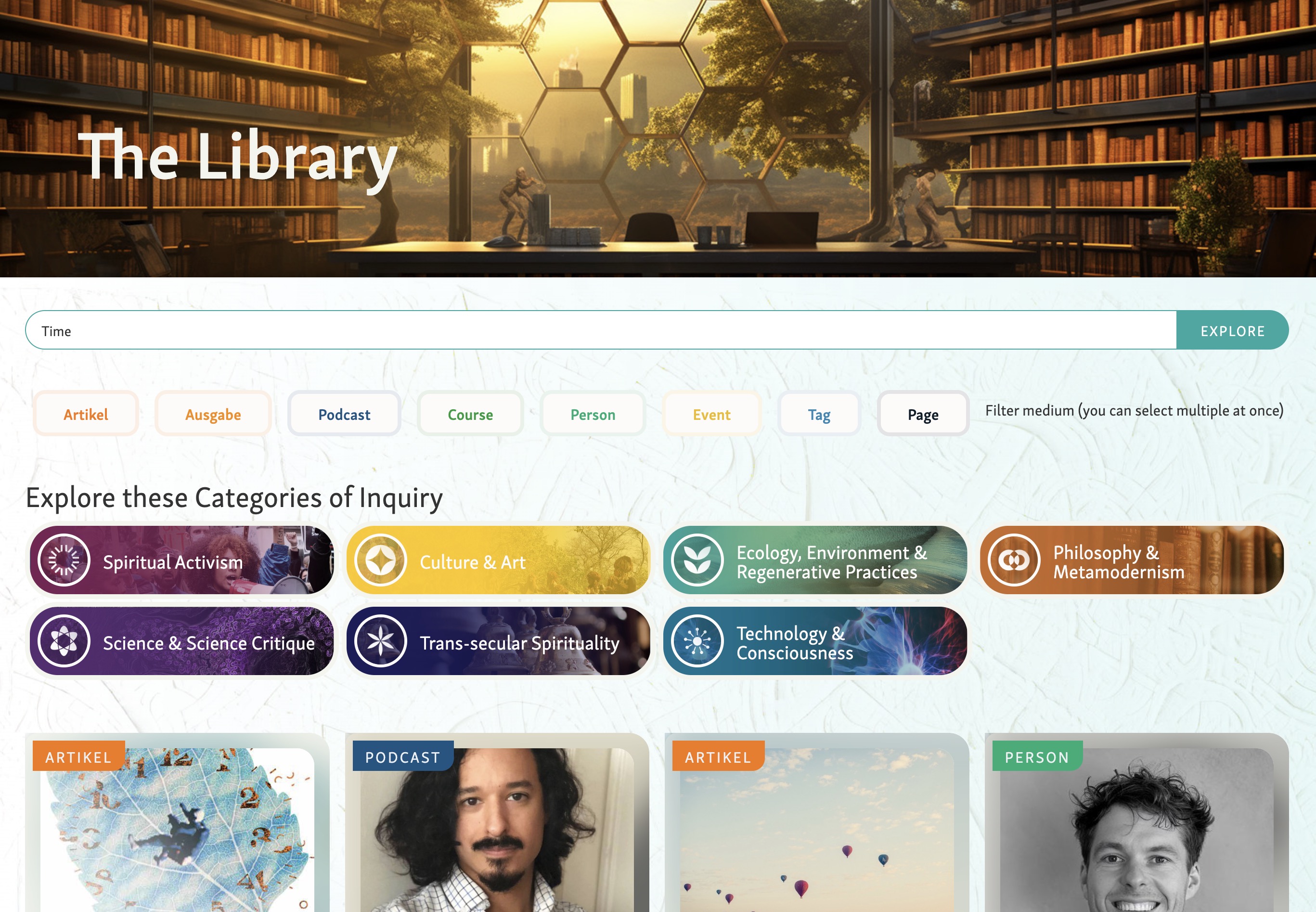
The Hermitage World website needs to serve as the organization's "front door" since their physical location sometimes becomes an obstacle to communicating their evolution (25:08). Gary articulated a clear vision for the site's aesthetic: sophisticated but not obtuse, inspirational and intriguing while remaining accessible to complete beginners (18:03). The design should convey a sense of sacredness while being fun and inviting—what Gary described as "kind of sweet" and interesting enough to make visitors want to explore.
This vision emerged partly from disappointment with other proposals received through their RFP process. Several single-designer shops either declined or submitted uninspiring, utilitarian designs built on WordPress [tag="wordpress"] that lacked sophistication and inspiration (22:08). One designer candidly acknowledged the project required a team and expertise beyond their capabilities, particularly noting they had no experience with AI integration (23:45).
The website must balance multiple needs: welcoming newcomers who may be asking "how do you meditate?" while also serving experienced practitioners seeking deeper engagement (19:15). Gary stressed the importance of functionality—class schedules, registration, payments—integrated seamlessly with inspirational design that reflects the Hermitage's values.
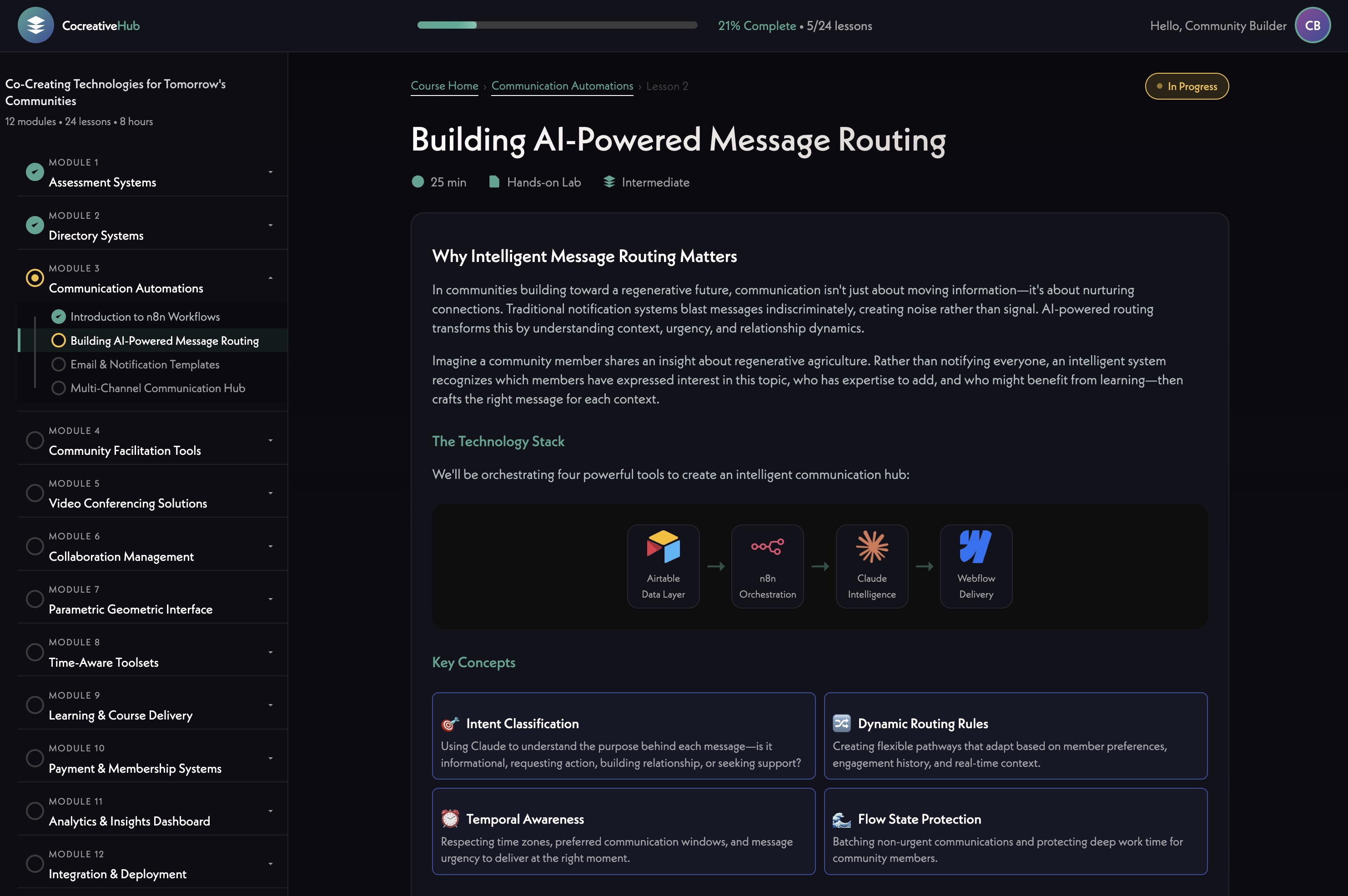
James outlined the custom Learning Management System currently in development, being built in parallel for multiple clients in a way that allows features to benefit all projects simultaneously (12:16). The LMS is designed to be tailorable to different community needs while maintaining a shared development roadmap. Core features currently in development include shopping cart functionality, membership signup, profile creation and editing, with prototyping scheduled for the end of January (13:30).
[technology="Online Learning Platforms"]
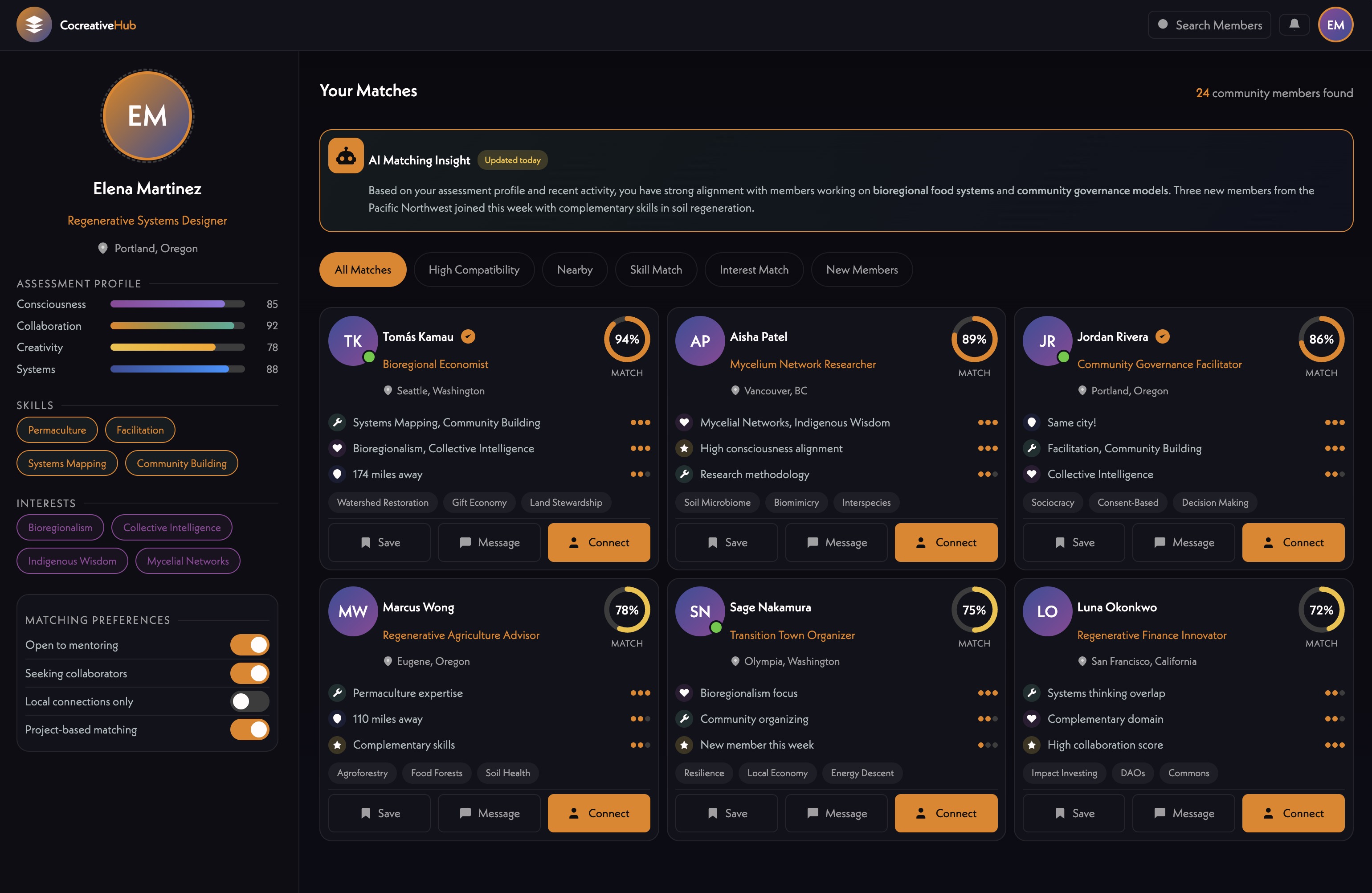
The conversation covered email marketing integration extensively. The Hermitage currently uses Constant Contact [tag="activecampaign"] with approximately 2,000 email addresses, though Gary estimates 25-50% are inactive (09:20). They're planning a permission-based cleanup campaign to reduce dead weight and associated costs. James recommended exploring alternatives like ActiveCampaign [tag="activecampaign"] or setting up automations through Gmail [tag="gmail"] that could trigger based on user behavior—such as completing courses or reaching certain milestones—to deliver tailored messaging (10:31).
[technology="Communication Automations"]
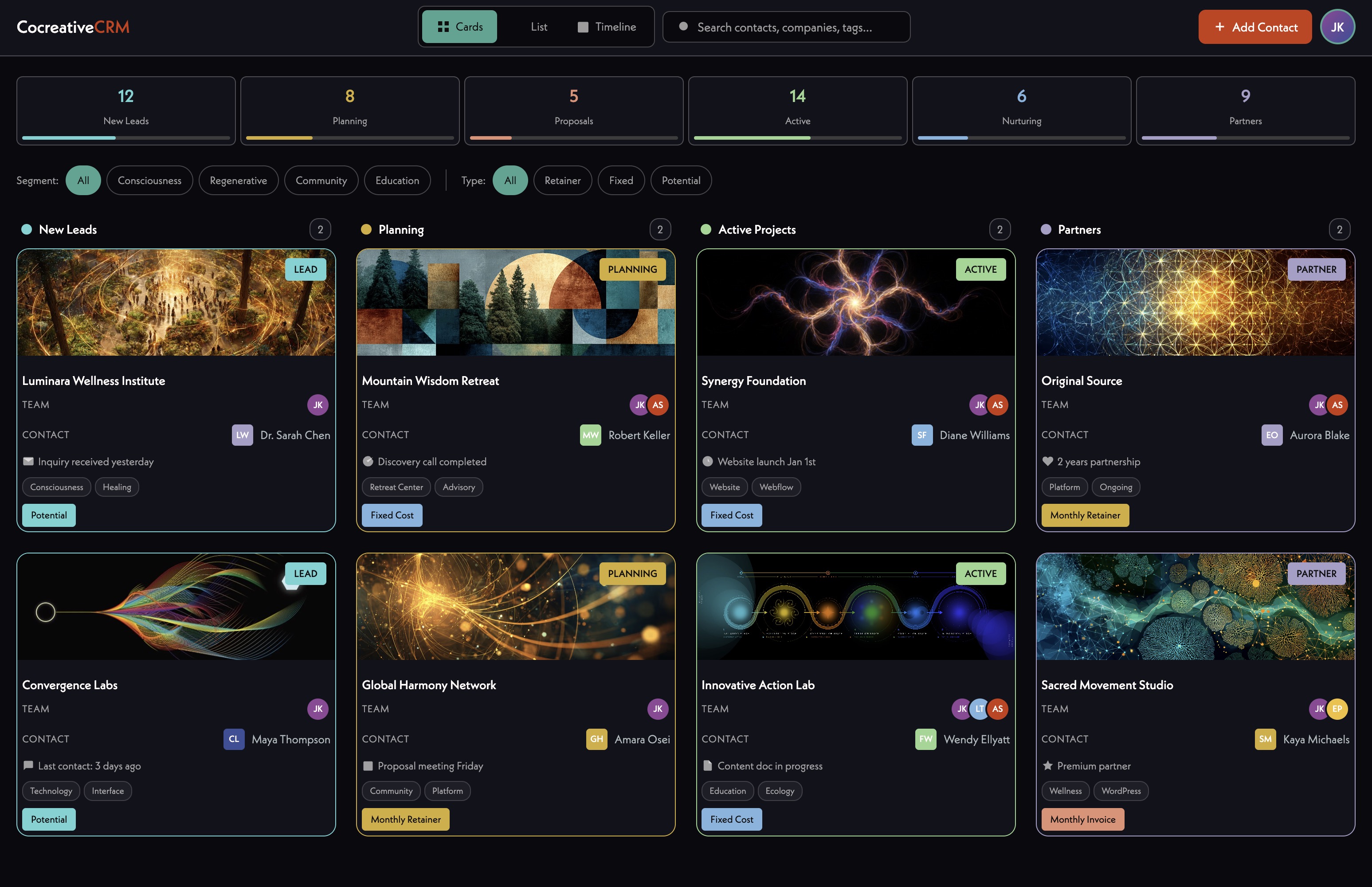
The platform needs to integrate with their existing systems while potentially replacing outdated tools. Gary expressed openness to changing CRM platforms based on team recommendations, emphasizing they value expertise and want to know about capabilities they might be unaware of (10:15). The associate director's comment that "he'll do anything you want him to do" highlighted their need for proactive guidance rather than just execution (11:45).
Gary outlined a flexible approach to phased development, with the understanding that Phase One components might themselves be broken into smaller releases (07:10). The immediate basics include an interface where visitors can browse classes and sign up, though this requires registration and shopping cart functionality. However, they're open to launching elements progressively as modules become ready rather than waiting for complete Phase One delivery.
The current WordPress [tag="wordpress"] website will need to remain active until the new platform can handle registration and payment processing (16:30). Gary suggested that even if not everything from Phase One is ready, launching with available modules and building from there would be acceptable—particularly given the modular architecture James described.
Email marketing integration could potentially be phased, with basic functionality launching first and more sophisticated automation features added later. The key priority is getting a functional system that replaces their outdated approach while providing room to grow into more advanced capabilities.
The Hermitage has allocated significant resources from their foundation to ensure a successful digital transformation. Gary acknowledged having no clear sense of appropriate budget ranges, noting that basic websites might cost $15,000-$20,000 but recognizing this project is "something more than that" (26:36). He expects the investment to be "way north of 20,000" without knowing if that means $50,000 or another figure (27:45).
Gary serves as chairman of the foundation supporting the Hermitage, which had minimal income in 2025 but expects some revenue in 2026, though not at full capacity yet (27:15). The foundation has set aside funds specifically to "punch in" the website and Justin AI integration, viewing these as essential investments to prevent the initiative from dying on the vine. Gary emphasized they're not fully launching until properly equipped to succeed.
The organization experienced internal tensions during this transition period, with some board members struggling to move beyond the Hermitage's historical approaches from 1995-2000 (25:30). About half the group is excited about the new direction while others have created drama through personality conflicts with program manager Samuel. This context underscores why getting the digital presence right is crucial for the organization's evolution.
James committed to delivering a detailed proposal later that day or the next day, outlining different possibilities, budget ranges, and the complete process from design and strategy through technical implementation (28:36). The proposal will break down components to help the team understand options and make informed decisions ahead of their board meeting.
The conversation emphasized collaboration and education. Gary appreciated James's approach of not just executing requests but providing expertise about possibilities they might not know exist (11:30). The team acknowledged they're not experts in current web technologies and need guidance on best practices and emerging capabilities.
Gary will review the proposal with Samuel first before broader team discussion (28:50). The expectation is to have clarity on scope, timeline, and investment levels to present to the board, with the goal of moving forward decisively once the proposal is reviewed.
The overall tone reflected eagerness to begin while recognizing the complexity and importance of getting the foundation right. As Gary noted about the foundation's investment strategy, if they don't do enough and really "punch it in," the initiative won't work (27:30). This digital transformation represents the Hermitage's evolution into its next chapter following Fr. Justin's passing.
James Redenbaugh
Gary
Gary shared that the organization is ready to move forward with the Hermitage World rebrand, which will launch alongside the new website (04:38). The rebrand represents a significant shift from the local focus (HermitageIndy.org) to a global ministry vision (HermitageWorld.org). Social media channels are currently being cleaned up and consolidated in preparation for the rebrand, with some channels being retired and new ones established under the Hermitage World identity (06:52).
The organization is testing its marketing capabilities with an upcoming online course called True Happiness launching January 25th, running for five to eight weeks every Sunday (05:30). With fewer than 10 participants signed up out of a 19-person capacity, this represents an immediate opportunity to test social media marketing strategies. However, the new website and LMS won't be ready for this initial course, so traditional marketing channels will be used (14:15).
Gary emphasized they're ready to move forward in phases, with the most basic functionality—calendar and class listings—potentially launching first, followed by registration and shopping cart features (07:45). The team expressed openness to launching components as they become ready rather than waiting for everything to be complete.
The Hermitage World website needs to serve as the organization's "front door" since their physical location sometimes becomes an obstacle to communicating their evolution (25:08). Gary articulated a clear vision for the site's aesthetic: sophisticated but not obtuse, inspirational and intriguing while remaining accessible to complete beginners (18:03). The design should convey a sense of sacredness while being fun and inviting—what Gary described as "kind of sweet" and interesting enough to make visitors want to explore.
This vision emerged partly from disappointment with other proposals received through their RFP process. Several single-designer shops either declined or submitted uninspiring, utilitarian designs built on WordPress [tag="wordpress"] that lacked sophistication and inspiration (22:08). One designer candidly acknowledged the project required a team and expertise beyond their capabilities, particularly noting they had no experience with AI integration (23:45).
The website must balance multiple needs: welcoming newcomers who may be asking "how do you meditate?" while also serving experienced practitioners seeking deeper engagement (19:15). Gary stressed the importance of functionality—class schedules, registration, payments—integrated seamlessly with inspirational design that reflects the Hermitage's values.
James outlined the custom Learning Management System currently in development, being built in parallel for multiple clients in a way that allows features to benefit all projects simultaneously (12:16). The LMS is designed to be tailorable to different community needs while maintaining a shared development roadmap. Core features currently in development include shopping cart functionality, membership signup, profile creation and editing, with prototyping scheduled for the end of January (13:30).
[technology="Online Learning Platforms"]
The conversation covered email marketing integration extensively. The Hermitage currently uses Constant Contact [tag="activecampaign"] with approximately 2,000 email addresses, though Gary estimates 25-50% are inactive (09:20). They're planning a permission-based cleanup campaign to reduce dead weight and associated costs. James recommended exploring alternatives like ActiveCampaign [tag="activecampaign"] or setting up automations through Gmail [tag="gmail"] that could trigger based on user behavior—such as completing courses or reaching certain milestones—to deliver tailored messaging (10:31).
[technology="Communication Automations"]
The platform needs to integrate with their existing systems while potentially replacing outdated tools. Gary expressed openness to changing CRM platforms based on team recommendations, emphasizing they value expertise and want to know about capabilities they might be unaware of (10:15). The associate director's comment that "he'll do anything you want him to do" highlighted their need for proactive guidance rather than just execution (11:45).
Gary outlined a flexible approach to phased development, with the understanding that Phase One components might themselves be broken into smaller releases (07:10). The immediate basics include an interface where visitors can browse classes and sign up, though this requires registration and shopping cart functionality. However, they're open to launching elements progressively as modules become ready rather than waiting for complete Phase One delivery.
The current WordPress [tag="wordpress"] website will need to remain active until the new platform can handle registration and payment processing (16:30). Gary suggested that even if not everything from Phase One is ready, launching with available modules and building from there would be acceptable—particularly given the modular architecture James described.
Email marketing integration could potentially be phased, with basic functionality launching first and more sophisticated automation features added later. The key priority is getting a functional system that replaces their outdated approach while providing room to grow into more advanced capabilities.
The Hermitage has allocated significant resources from their foundation to ensure a successful digital transformation. Gary acknowledged having no clear sense of appropriate budget ranges, noting that basic websites might cost $15,000-$20,000 but recognizing this project is "something more than that" (26:36). He expects the investment to be "way north of 20,000" without knowing if that means $50,000 or another figure (27:45).
Gary serves as chairman of the foundation supporting the Hermitage, which had minimal income in 2025 but expects some revenue in 2026, though not at full capacity yet (27:15). The foundation has set aside funds specifically to "punch in" the website and Justin AI integration, viewing these as essential investments to prevent the initiative from dying on the vine. Gary emphasized they're not fully launching until properly equipped to succeed.
The organization experienced internal tensions during this transition period, with some board members struggling to move beyond the Hermitage's historical approaches from 1995-2000 (25:30). About half the group is excited about the new direction while others have created drama through personality conflicts with program manager Samuel. This context underscores why getting the digital presence right is crucial for the organization's evolution.
James committed to delivering a detailed proposal later that day or the next day, outlining different possibilities, budget ranges, and the complete process from design and strategy through technical implementation (28:36). The proposal will break down components to help the team understand options and make informed decisions ahead of their board meeting.
The conversation emphasized collaboration and education. Gary appreciated James's approach of not just executing requests but providing expertise about possibilities they might not know exist (11:30). The team acknowledged they're not experts in current web technologies and need guidance on best practices and emerging capabilities.
Gary will review the proposal with Samuel first before broader team discussion (28:50). The expectation is to have clarity on scope, timeline, and investment levels to present to the board, with the goal of moving forward decisively once the proposal is reviewed.
The overall tone reflected eagerness to begin while recognizing the complexity and importance of getting the foundation right. As Gary noted about the foundation's investment strategy, if they don't do enough and really "punch it in," the initiative won't work (27:30). This digital transformation represents the Hermitage's evolution into its next chapter following Fr. Justin's passing.
James Redenbaugh
Gary
Deliver detailed proposal with design approach, technical features, phase breakdown, budget ranges and timeline
January 21, 2026
Proposal should outline different possibilities, budget ranges, and complete process from design/strategy through technical implementation. Break down components to help team understand options and make informed decisions ahead of board meeting. Referenced at 28:36 in meeting. Gary expects investment 'way north of $20,000' based on project scope.
Review proposal with Samuel before broader team discussion
January 23, 2026
Gary will review the proposal with Samuel first before presenting to board. Mentioned at 28:50. This review will help prepare for board meeting discussion and decision-making on scope, timeline, and investment levels.
Implement permission-based email list cleanup campaign
February 15, 2026
Clean up Constant Contact email list (~2,000 addresses with estimated 25-50% inactive) through permission-based campaign to remove inactive contacts and reduce costs. Mentioned at 10:31. This will improve email deliverability and reduce platform costs while maintaining engaged subscriber base.
Evaluate CRM and email marketing platform recommendations
February 1, 2026
Review and evaluate recommendations for CRM and email marketing platforms to integrate with new website. Gary expressed openness to changing platforms based on team recommendations and wants proactive guidance on capabilities. Discussed at 10:15. Options include ActiveCampaign or Gmail-based automation for behavior-triggered messaging.







.svg%20(1).png)

.png)